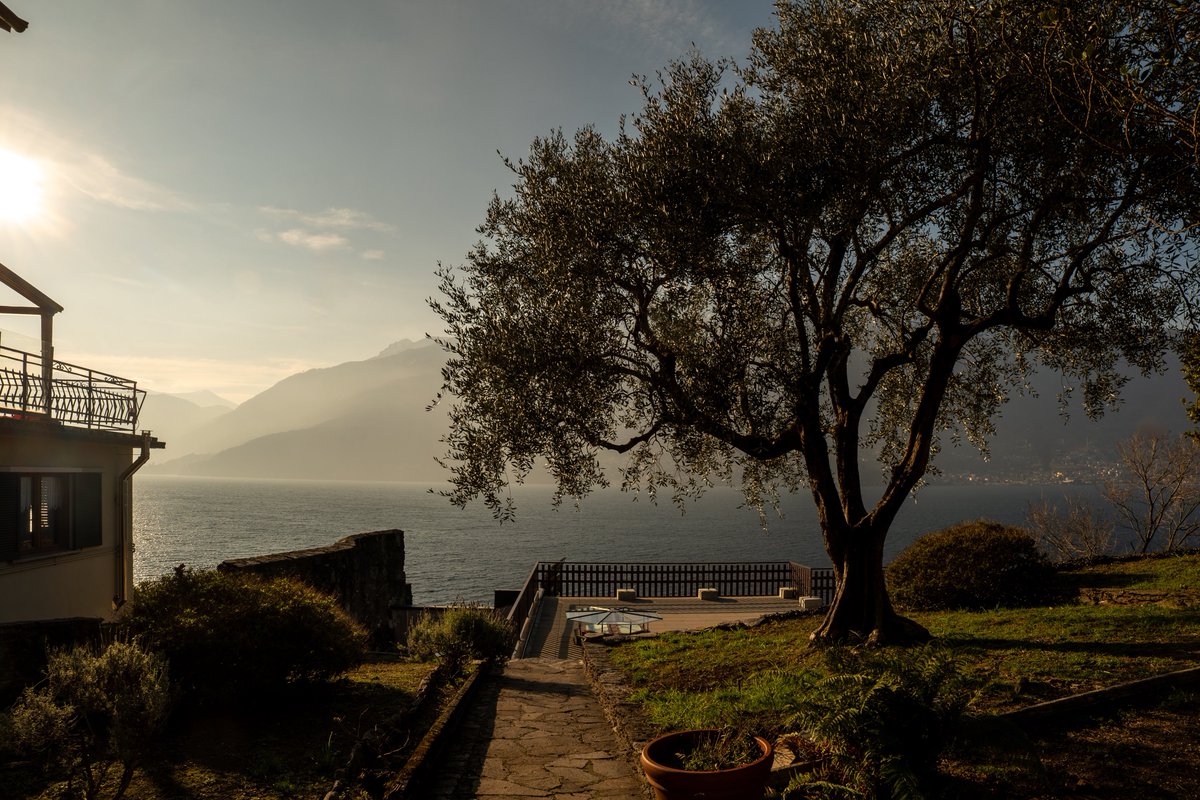
“Some say that on this night at exactly midnight the heavens open. I don’t quite understand how they could open but that’s what they say: that on Midsummer Night, the Night of St. John, the heavens open. But probably they open only for those who know how to look at them.”
"Culture is a kind of mass hallucination, designed for middle-aged people. Because culture works best for them, you know, when you're less than middle-aged you're trying to figure out the rules of this collective hallucination, if you're past middle-age and you have been paying attention you know it's bullshit so you don't care anymore."
- Terence McKenna
"I settled down to long sweet sleeps, day-long meditations in the house, writing, and long walks around beloved old Manhattan a half hour subway ride away. I roamed the streets, the bridges, Times Square, cafeterias, the waterfront, I looked up all my poet beatnik friends and roamed with them, I had love affairs with girls in the Village, I did everything with that great mad joy you get when you return to New York City."
~ Jack Kerouac
Last night I was arguing with a friend about why design from the 60s–90s often feels better
Maybe because it sprung from a culture where people observed more than they consumed? Studied instead of scrolled
Pre-dopamine-economy with attention spans, so the work could demand more
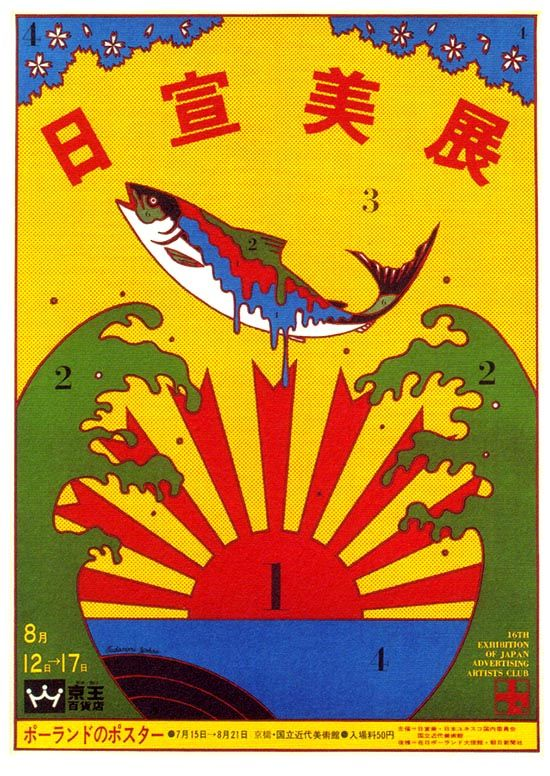
Yūsaku Kamekura (1915–1997) was a pioneering Japanese graphic designer, dubbed the "Boss" of post-WWII design for blending modernism with national motifs. Born in Niigata Prefecture, he studied at Tokyo's Institute of New Architecture and Industrial Arts, launching his career with book covers and posters in the 1930s. His corporate logos for Nikon, TDK, and Japan Airlines elevated Japanese visual identity globally.
Kamekura's masterpiece is the 1964 Tokyo Olympics emblem, unveiled in 1961. Amid a competition with designers like Ikko Tanaka, his minimalist design, a bold red sun disk (evoking the Hinomaru flag) atop the five golden Olympic rings on white, paired with sans-serif "Tokyo 1964" text, won unanimously. Created hours before the deadline, it symbolized Japan's post-war renewal as Asia's first host Games.
#logodecks
All the greatest adventure stories were written by White men because they seek glory and heroism.
Odyssey by Homer
Aeneid by Virgil:
Publication Year: 19 BC
Nationality: Roman
Don Quixote by Miguel de Cervantes
Publication Year: 1605
Nationality: Spanish
Robinson Crusoe by Daniel Defoe
Publication Year: 1719
Nationality: English
Gulliver’s Travels by Jonathan Swift
Publication Year: 1726
Nationality: Irish
Swiss Family Robinson by Johann David Wyss
Publication Year: 1812
Nationality: Swiss
Ivanhoe by Walter Scott
Publication Year: 1819
Nationality: Scottish
The Last of the Mohicans by James Fenimore Cooper
Publication Year: 1826
Nationality: American
The Count of Monte Cristo by Alexandre Dumas
Publication Year: 1844
Nationality: French
Moby-Dick by Herman Melville
Publication Year: 1851
Nationality: American
20,000 Leagues Under the Sea by Jules Verne
Publication Year: 1870
Nationality: French
Roughing It by Mark Twain
Publication Year: 1872
Nationality: American
The Mysterious Island by Jules Verne
Publication Year: 1874
Nationality: French
Treasure Island by Robert Louis Stevenson
Publication Year: 1883
Nationality: Scottish
King Solomon’s Mines by H. Rider Haggard
Publication Year: 1885
Nationality: English
Kidnapped by Robert Louis Stevenson
Publication Year: 1886
Nationality: Scottish
Prisoner of Zenda by Anthony Hope
Publication Year: 1894
Nationality: English
Captains Courageous by Rudyard Kipling
Publication Year: 1897
Nationality: English
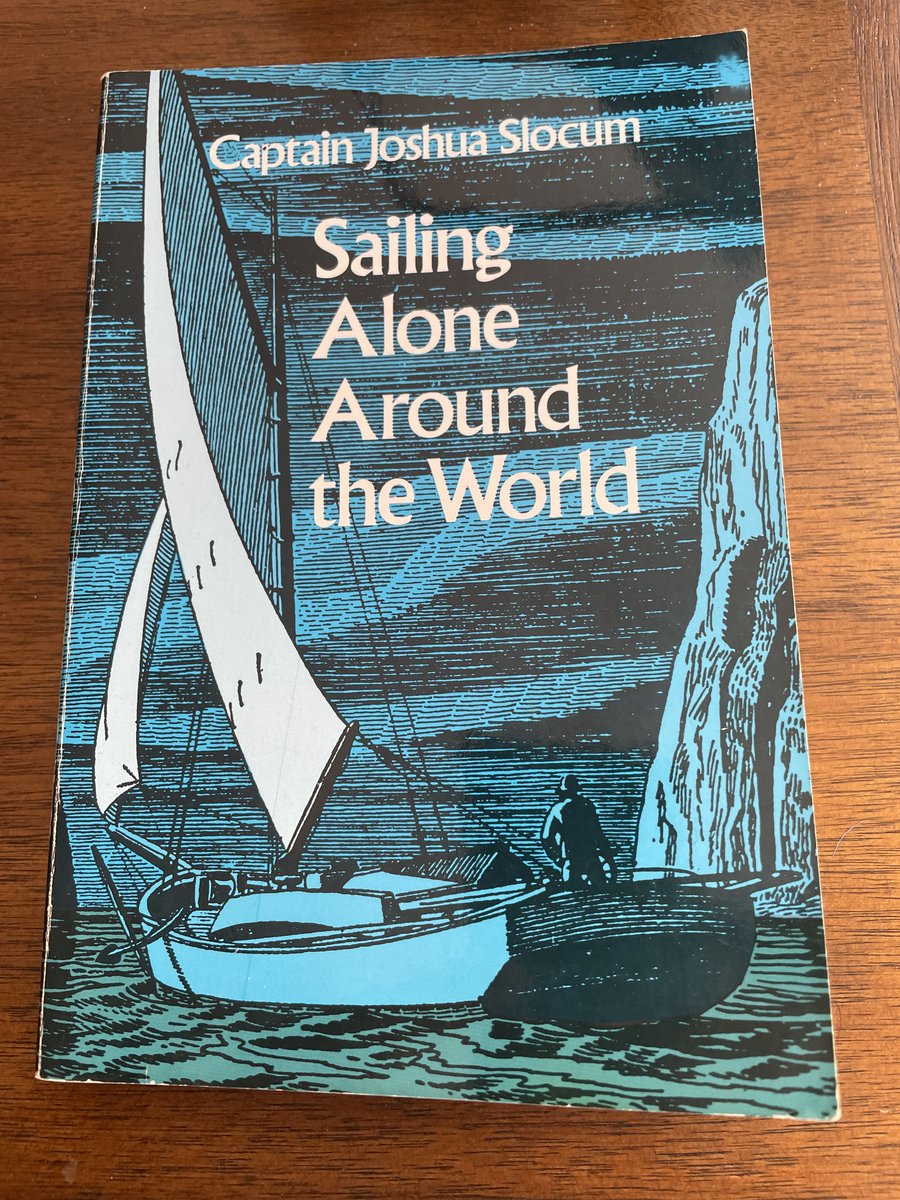
Sailing Alone Around the World by Joshua Slocum
Publication Year: 1900
Nationality: Canadian
The Call of the Wild by Jack London
Publication Year: 1903
Nationality: American
The Sea-Wolf by Jack London
Publication Year: 1904
Nationality: American
Tarzan of the Apes by Edgar Rice Burroughs
Publication Year: 1912
Nationality: American
The Lost World by Arthur Conan Doyle
Publication Year: 1912
Nationality: Scottish
The Thirty-Nine Steps by John Buchan
Publication Year: 1915
Nationality: Scottish
Captain Blood by Rafael Sabatini
Publication Year: 1922
Nationality: Italian
The Worst Journey in the World by Apsley Cherry-Garrard
Publication Year: 1922
Nationality: English
Beau Geste by P. C. Wren
Publication Year: 1924
Nationality: English
The Long Ships by Frans G. Bengtsson
Publication Year: 1941
Nationality: Swedish
The Cruel Sea by Nicholas Monsarrat
Publication Year: 1951
Nationality: English
Lord of the Flies by William Golding
Publication Year: 1954
Nationality: English
Master and Commander by Patrick O’Brian
Publication Year: 1969
Nationality: English
Hatchet by Gary Paulsen
Publication Year: 1987
Nationality: American
The Beach by Alex Garland
Publication Year: 1996
Nationality: English
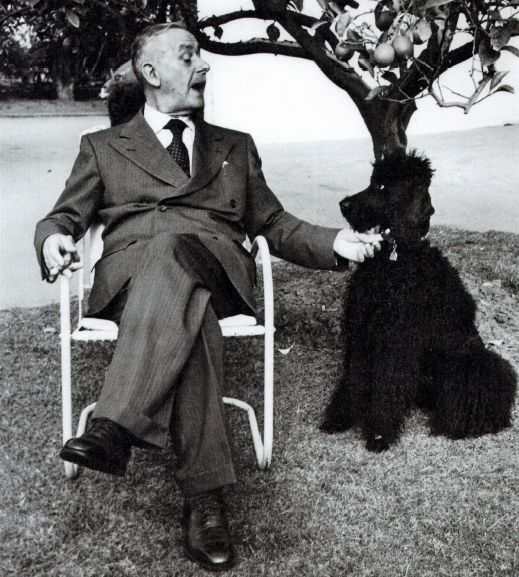
“Solitude gives birth to the original in us, to beauty unfamiliar and perilous - to poetry. But it also gives birth to the opposite: to the perverse, the illicit, the absurd.”
— Thomas Mann