How many times did your @Liferay customer's license expire, and you were the last to know? 🔑
Not anymore. The 37 Audits License auditor flags the activation screen the moment it replaces the site, even when uptime monitors say all good.
https://t.co/RFgi7qZkqc
I’m impressed by how handy @37audits is becoming.
Yesterday I deployed the new blog integration and published a post. It immediately broke the Large Resources auditor: one of the images was above the size threshold. 😅
37 Audits is a small site. Imagine a big one with dozens of publishers.
Yesterday I deployed request signing for the @37audits bot, so Cloudflare and firewalls can verify its requests are legit.
The downside? It broke two auditors: Browser Console and Contact Form. 😅
Luckily, 37 Audits caught both issues.
Nothing like eating your own dog food.
One of the hardest parts of keeping a @Liferay server running reliably in production today is protecting it from bots — both good and bad.
There are a few endpoints that can be abused, and the Search Portlet is one of the usual suspects.
Something as simple as requesting a delta=10000 can put unnecessary pressure on Elasticsearch and, eventually, on Liferay itself.
That’s why I built a @37audits auditor that checks whether a Liferay project is properly configured to protect against this kind of URL abuse.
https://t.co/ggp8BQHI7h
Had a great surprise this morning: yesterday’s deploy broke my SEO. 😅
And yes, I mean great.
I built @37audits to catch exactly this kind of problem, so dogfooding my own tool — and having it catch a real issue I introduced myself — is a pretty good validation of the need.
Here’s what happened:
Yesterday, I updated the website copy to better explain our new monitoring feature. After finishing the copy, I committed, pushed, and called it a day.
This morning, I opened https://t.co/AEKTnqqZ4z and… it was broken. 😬
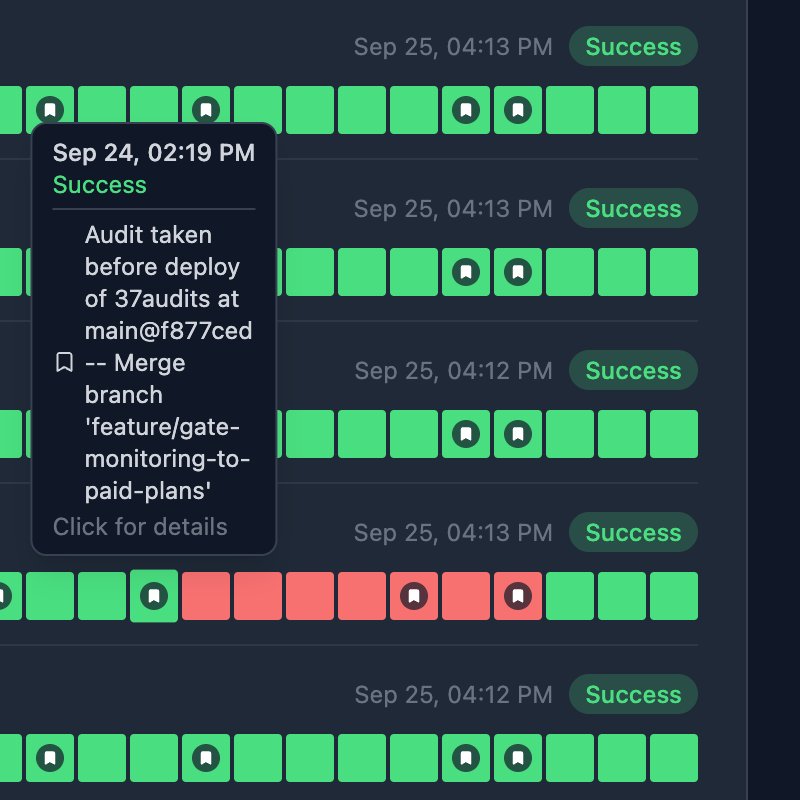
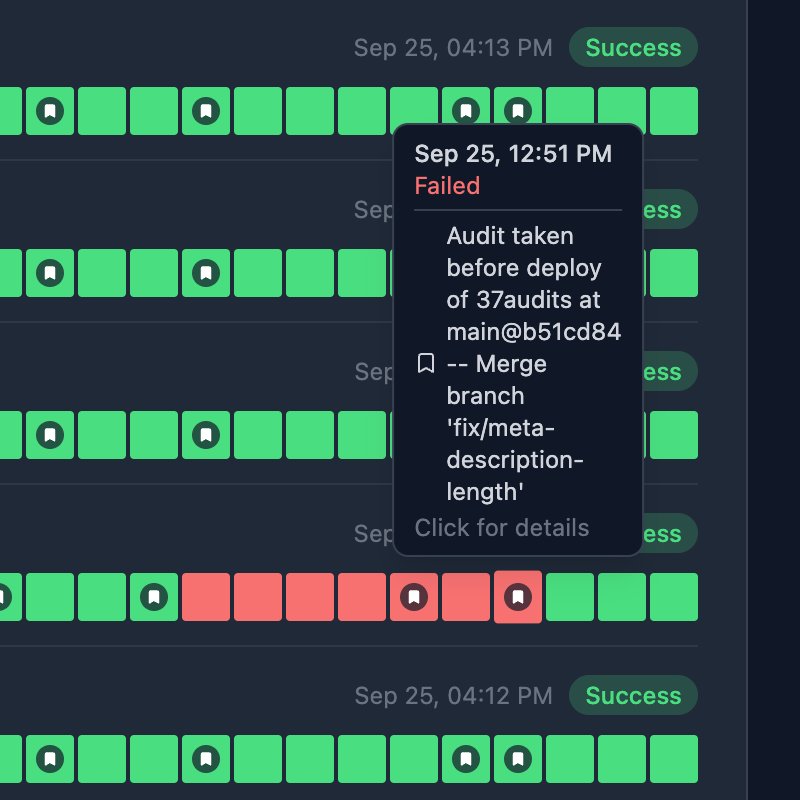
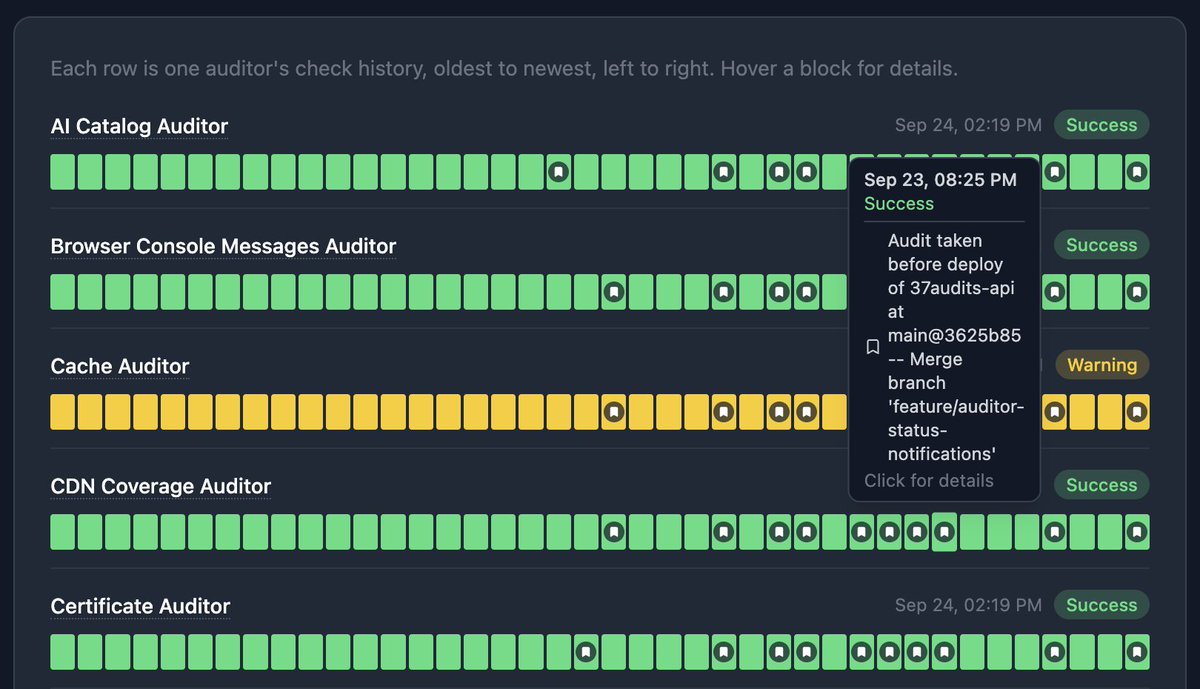
The nice part? 37 Audits had marked the deployment on the audit history. The audit immediately before the deploy was healthy; the one after it showed the SEO issue.
So it was SUPER easy to see exactly when the problem appeared and connect it to the deployment.
Nothing like your own deploy breaking your site to prove why you’re building the tool. 😂
One of the most frustrating things about deploying a new version of a large system: A user finds a bug right after the release.
But the release didn’t touch that part of the code.
So… was the bug introduced by the new version, or was it already there? 🤔
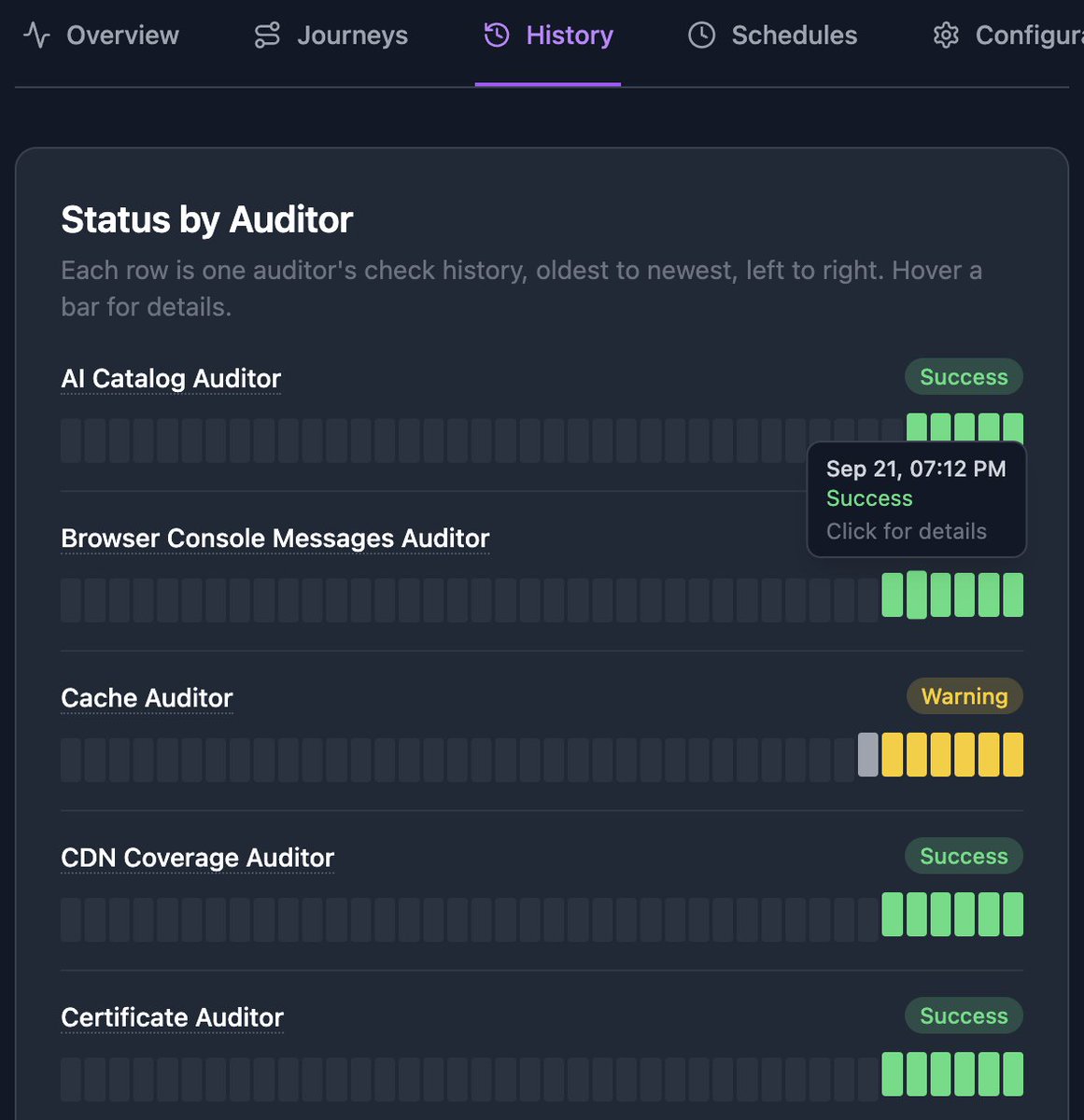
Now, @37audits History marks deployments directly on the audit timeline, making it much easier to connect changes with issues.
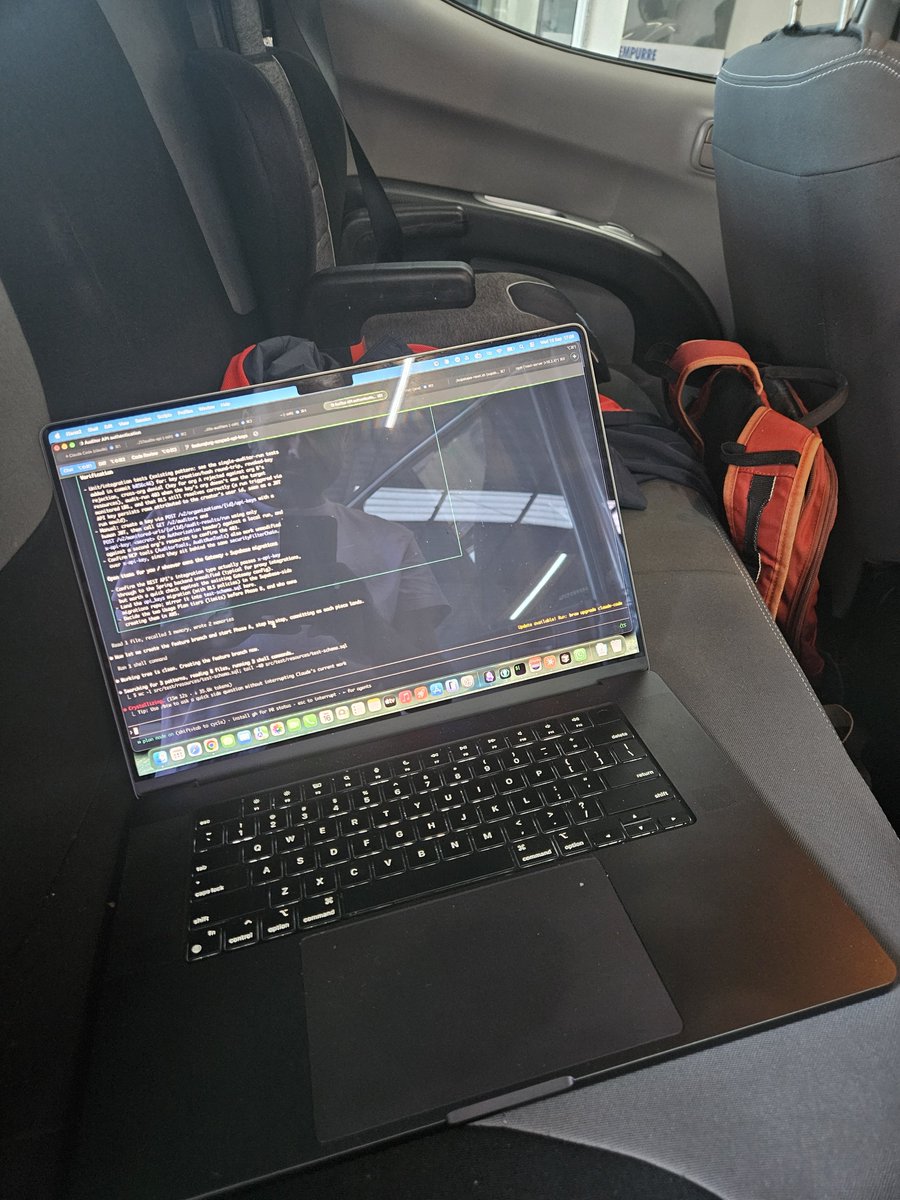
Working today on improving the API coverage of @37audits so I can expose it later as a MCP server. Doing that while I'm replacing the windshield of my monster truck 😉