The U.S. Embassy and Chargé d’affaires Karin Sullivan are honored to welcome our West African security partners from Ghana, Benin, and Cape Verde for the first in-person meeting of the Bridgetown Collective, an initiative of the Bureau of International Narcotics and Law Enforcement Affairs (INL) to strengthen transatlantic security cooperation.
We look forward to a productive week of exchanging ideas, addressing challenges, and exploring new opportunities for collaboration among INL, INTERPOL, the Regional Security System, and CARICOM IMPACS. Together, we are building a partnership that promotes the security of our nations and the safety of our communities. #StrongerTogether
Honoured to join the Ghana Space Conference 2025 🚀 on 6 Oct.
✅ Goodwill remarks – Opening Session
✅ Panellist – Space Policy, Law & Governance
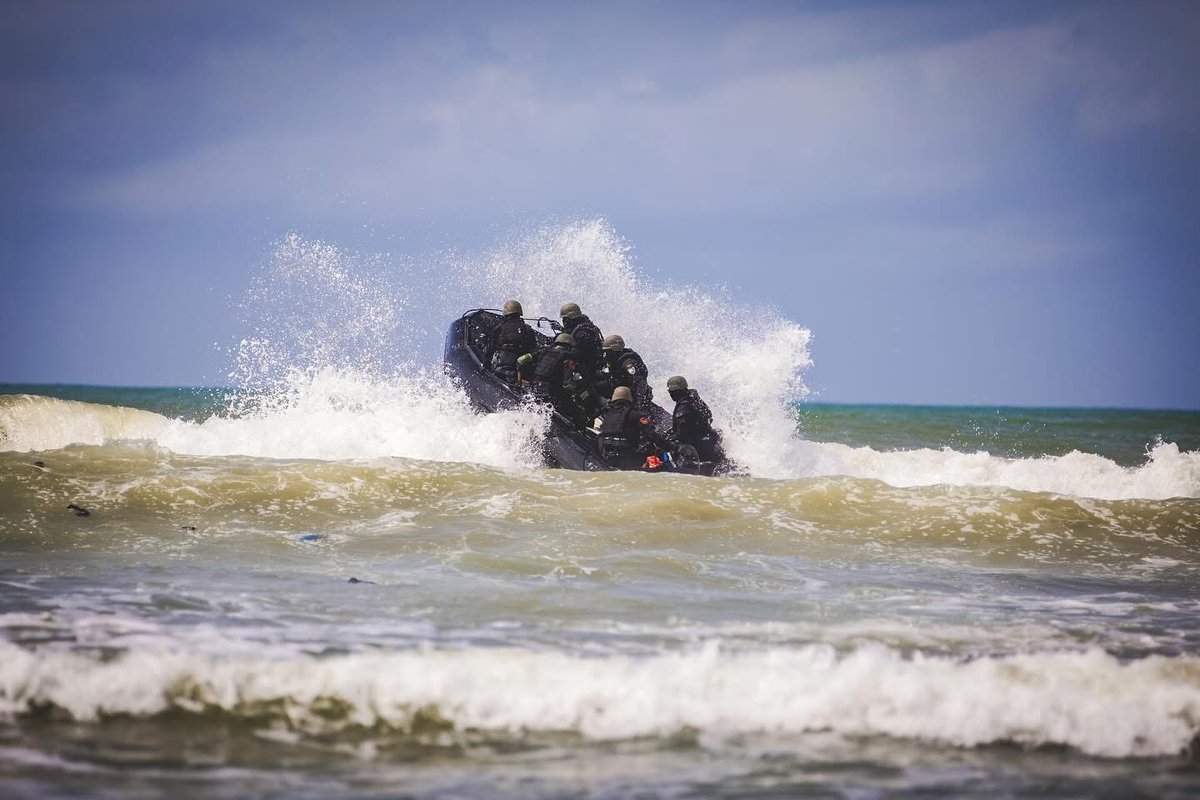
I’ll speak on: “Maritime Security and National Defence: Leveraging Space Tech for Ghana’s Blue Economy and National Security”
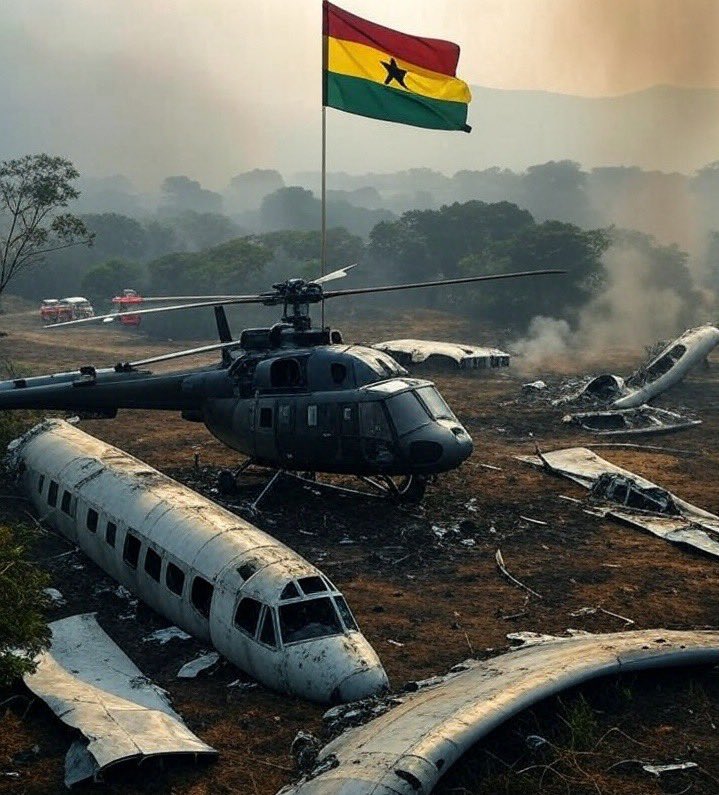
From 1969 to 2025, Ghana has experienced several devastating aircraft crashes, each leaving an indelible mark on the nation’s history.
- Here’s a detailed thread on the aircraft crashes that shook the nation🧵.
Mpox Update as at 25th June 2025
14 new confirmed cases have been recorded, bringing the total to 133.
No deaths, no admissions, and no fatalities have been recorded.
Common symptoms of Mpox include:
• Fever
• Rash
• Headache
• Swollen lymph nodes
The US Naval Attaché to Ghana, Commander Matthew Kohlman paid a courtesy call on the Chief of the Naval Staff to officially introduce himself in a bid to also strengthen the already existing bilateral relations between the two countries.
Major General Anita Asmah 🇬🇭 formally took over command from Major General Patrick Gauchat🇨🇭 as the new @UNDOF Force Commander & Head of Mission. She is the @UN's 1st African woman Force Commander, leading the way for #WomenInPeacekeeping.
https://t.co/fla5HTDxLK @UNinGhana
During 2024 Samapiid Festival celebration today, Kusasi youth were seen brandishing and waving Russian flags. In Bawku, Kusasi fighters have named one of their armed position as Russia. Remember, Russian mercenary elements are active across the border in Burkina Faso.
Deng Xiaoping's leadership offers a crucial lesson:
Economic development requires bold reforms, pragmatic policies, and the courage to experiment.
As he said: "摸着石头过河" (Cross the river by feeling the stones) - progress requires careful experimentation and gradual reform.
This is how China went from poverty to global superpower in just four decades.
The overall impact of these measures was unprecedented:
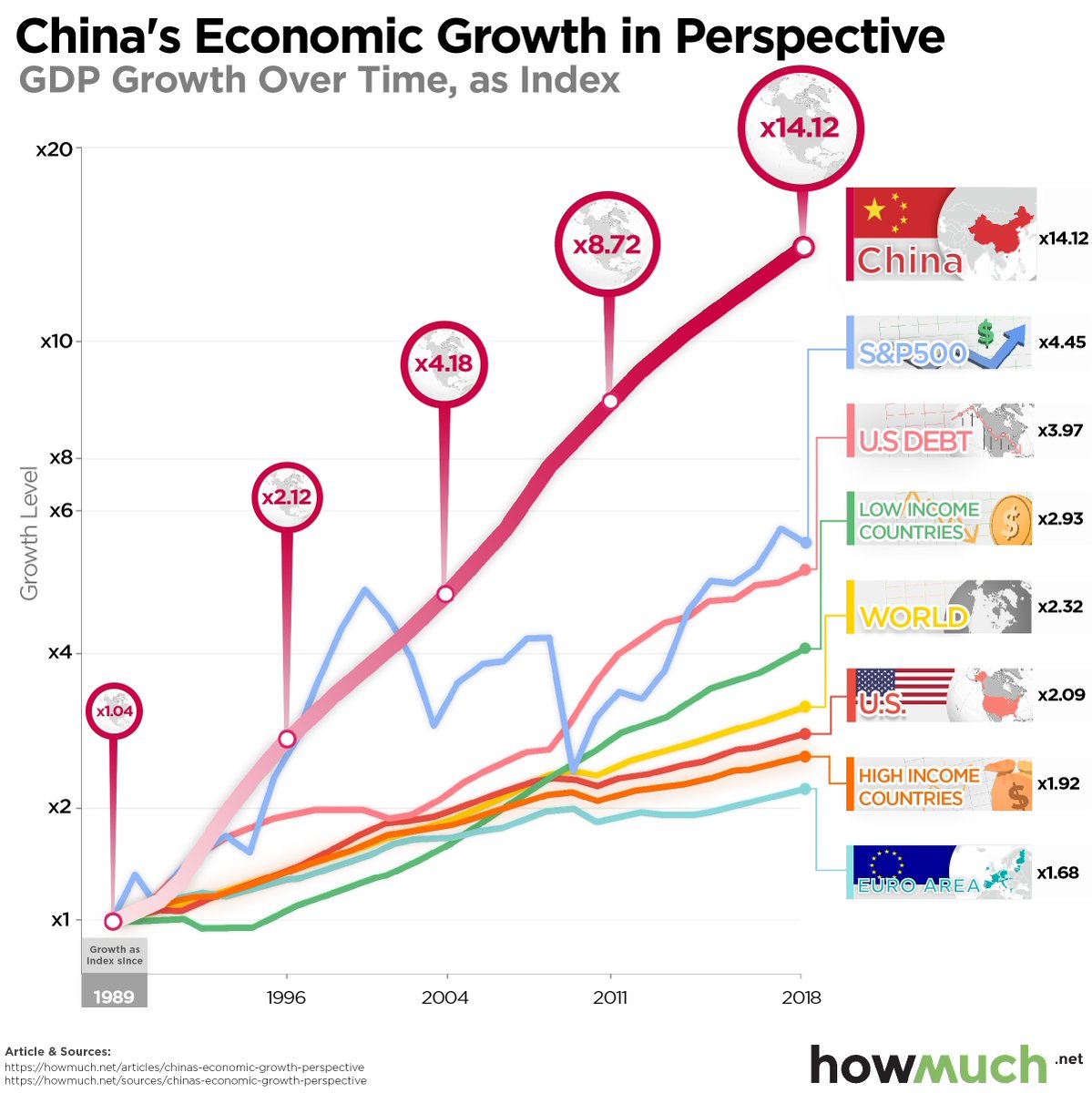
• China's average annual GDP growth from 1978-2018: 9.5%
• Foreign investment grew from virtually zero to $163 billion by 2020
• 800+ million people lifted out of poverty
• Life expectancy increased from 66.5 to 77.3 years
Private businesses were gradually permitted, creating millions of jobs.
From 1978 to 2018, the share of people living on less than $1.90 a day dropped from 90% to under 1%.
China’s integration into the global trading system after joining the WTO in 2001 cemented its position as the “factory of the world.”
3. State Enterprise Reform & Market Liberalization
Deng's famous phrase "不管黑猫白猫,捉到老鼠就是好猫" ("It doesn't matter if a cat is black or white, as long as it catches mice") summed up his practical approach.
He allowed state-owned enterprises to operate independently, retain profits, and make market-based decisions.
The impact was immediate.
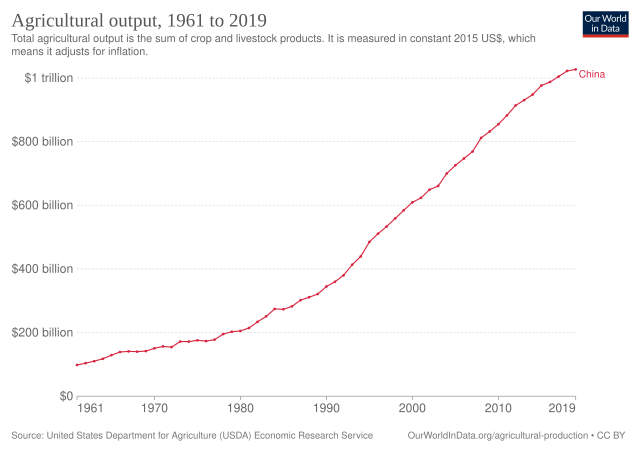
Agricultural production soared by 8.2% annually between 1978-1984, and rural incomes doubled in just 5 years..
This freed millions from subsistence living, creating surplus labor for new industrial ventures
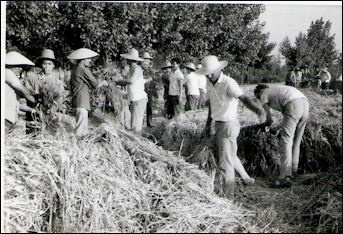
2. Agricultural Reforms
Deng’s first target was agriculture.
In 1978, about 80% of China’s population lived in rural areas.
Under collectivization, farmers had little incentive to increase output.
FDI soared from virtually nothing in 1978 to over $50 billion annually by the mid-1990s, fueling industrial growth and job creation.
Shenzhen transformed from a fishing village of 30,000 people into a megacity of 17.5 million in just 40 years.
Western firms brought in technology, management expertise, and capital.
By the 1990s, China had become a hub for manufacturing.
Till date, China is the world's leading manufacturer.
1. Reform and Opening Up (改革开放)
Deng abandoned Mao's strict communist policies and opened China to foreign investment and trade.
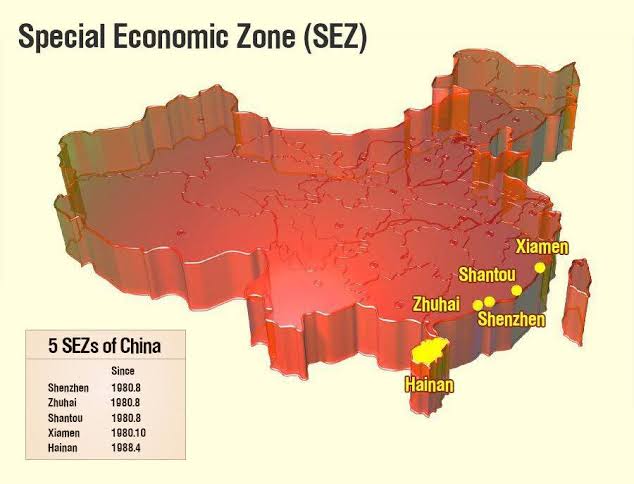
He established Special Economic Zones (SEZs) in coastal cities like Shenzhen in 1980.
These zones offered tax breaks, land-use flexibility, and legal frameworks attractive to foreign investors.