#DidYouKnow Napoleon once stood guard when one of his sentries fell asleep?
During the Italian campaign—most accounts place it after the Battle of Arcole in November 1796—Bonaparte was making a nighttime inspection of his outposts.
He discovered a sentry asleep at his post. Under French military law, sleeping on guard duty was an offense punishable by death.
Rather than wake the exhausted soldier, Bonaparte quietly picked up the man's musket and stood guard himself for nearly two hours.
When the soldier awoke in terror and realized who had taken his place, he expected immediate punishment.
Instead, Bonaparte reportedly said:
"Do not be afraid, my friend. After so much fatigue, a brave soldier may be forgiven for falling asleep. But another time, choose your moment better." #napoleon #sentries #standingguard #muskets
In his free time James Madison, fourth President of the United States and the man who basically wrote the Constitution, was a hardcore chess addict. This was his real passion. He played against people like Benjamin Franklin, who thought so highly of his game that Franklin gifted him a chess set carved from ivory. Madison treated chess as his escape from the stress of running a country.
Here's the part people forget: Madison was tiny. He is the smallest President in American history, standing about 5 foot 4 and weighing around 100 pounds. So picture the physically smallest man to ever hold the office, quietly out-thinking everyone across a chessboard.
He was also low-key obsessed with ice cream. Madison loved it so much he had a two-story ice house built underneath a temple on his Montpelier estate just so he could keep eating ice cream all summer long. His wife Dolley made it the hit dessert of White House parties, and she was so beloved she inspired the term "first lady" that we still use today.
And when he finally retired, his big hobby was nerdy experimental farming. He was inventing crop and soil methods so far ahead of his time that they didn't catch on for another hundred years.
So the real James Madison: the smallest man to ever be President, crushing people at chess with a gifted ivory set, secretly building an underground ice cream vault, and quietly farming a century into the future.
That's a founding father.
One man actually voted NO on American independence, then turned around and signed the Declaration of Independence anyway, putting his own neck on the line for a decision he had just argued against. That takes a rare kind of character. Meet George Read.
Read is one of the most fascinating what-ifs of the whole founding, because he almost stopped it.
He was born in 1733, raised in Delaware, and became a sharp, respected lawyer by the age of 20. He rose to become Delaware's attorney general and one of the most trusted men in the colony. Solid, careful, principled. Not a bomb-thrower.
And when the biggest vote in American history arrived, he said no.
On July 2, 1776, when the colonies voted on the resolution for independence, George Read voted against it. He was the only man who would later sign the Declaration to actually vote no on the break itself. He wasn't a coward and he wasn't a Loyalist. He genuinely believed the colonies should keep trying to reconcile with Britain rather than leap into a war he feared they might lose. He thought it was too much, too fast.
He lost. Independence passed anyway.
Now here's the part that defines him. A lot of men, having been overruled, would have sulked, or hedged, or quietly stepped back to protect themselves. Read did the opposite. Once the decision was made, he accepted it completely and picked up the pen. He signed the Declaration of Independence, knowing that signature made him a traitor in British eyes, hangable, even though he had argued against the very thing he was now signing.
That's a specific and underrated kind of courage. Losing the argument and then risking your life for the outcome anyway, because the country had decided and you would stand with it.
And Read kept standing. When the British captured Delaware's chief executive in 1777, Read stepped up and ran the state through a brutal stretch of the war. He later helped write and sign the United States Constitution in 1787, making him one of only a tiny handful of men whose names are on the founding papers from the first protests all the way through the Constitution. He served as Delaware's chief justice until his death in 1798.
A man who fought against independence, lost, and then bet his life on it anyway, and spent the rest of that life helping build the country he wasn't even sure should exist yet.
George Read. He voted no, then gave everything to make the yes work.
> Be Richard Feynman
> Teaches himself advanced calculus at age 15
> Fixes neighborhood radios for fun during the Great Depression
> Recruited to work on the Manhattan Project at Los Alamos in his 20s
> Gets bored while building the atomic bomb and starts picking locks
> Breaks into his colleagues' top-secret safes just to leave them mocking notes
> Completely breaks down the government's security system for fun
> Loses his wife to tuberculosis and uses the grief to dive deeper into physics
> Reinvents quantum mechanics by drawing simple sketches (Feynman Diagrams)
> Wins the Nobel Prize in Physics for his breakthroughs
> Refuses to take himself seriously or act like a stuffy academic
> Spends his free time playing the bongo drums in a Brazilian samba band
> Learns how to paint at age 44 and sells his art under a pseudonym
> Travels to remote regions to decode ancient Mayan hieroglyphics
> Investigates the tragic Challenger Space Shuttle disaster on live TV
> Drops a piece of rubber into a glass of ice water in front of Congress
> Instantly proves the O-rings failed due to the cold, cracking the case single-handedly
> And Richard Feynman is still the most brilliant, chaotic mind to ever live who proved geniuses can have fun.
> Feynman is badass.
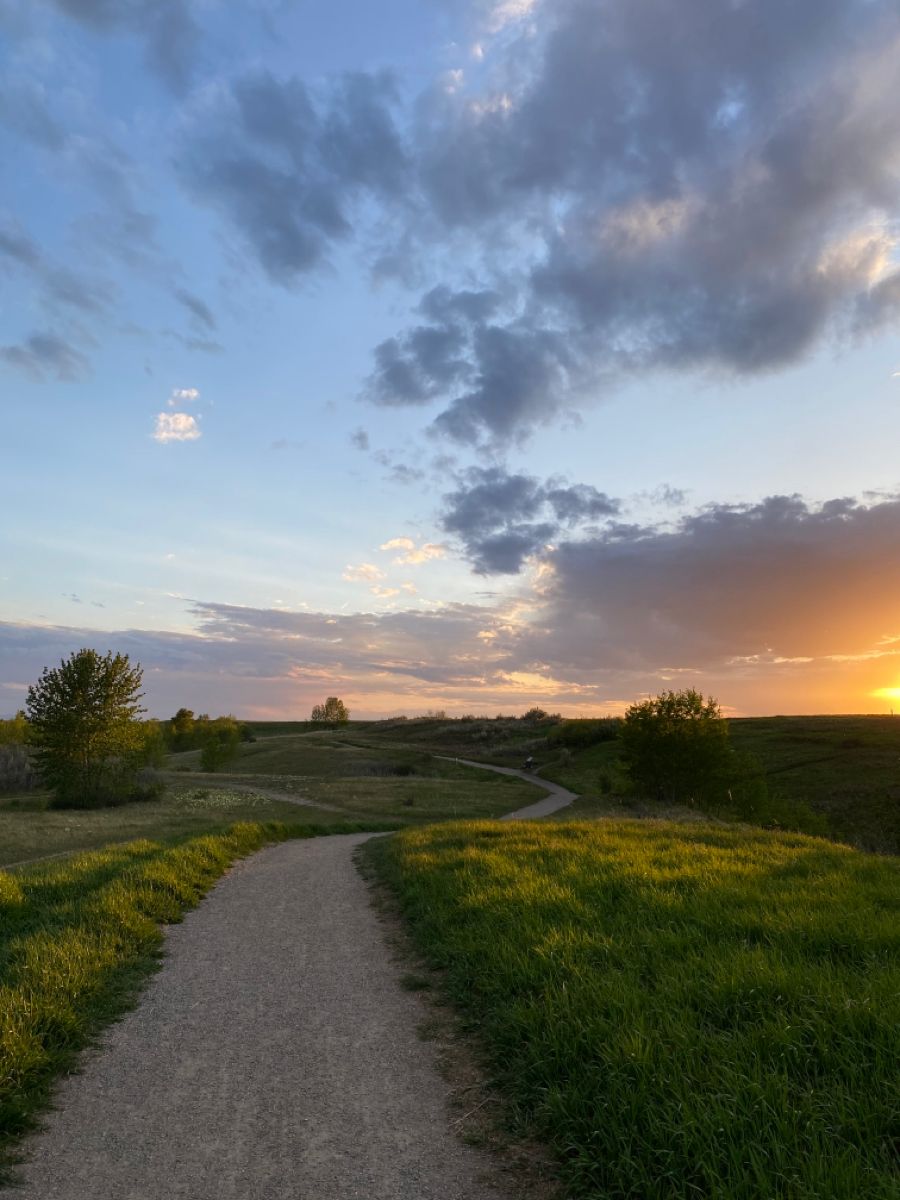
It sounds trite but I do relate to this, having always loved the “oppressive” atmosphere of a sky that feels so close; like it’s bearing down on you. It always felt psychologically like a warm heavy blanket or a deep hug.
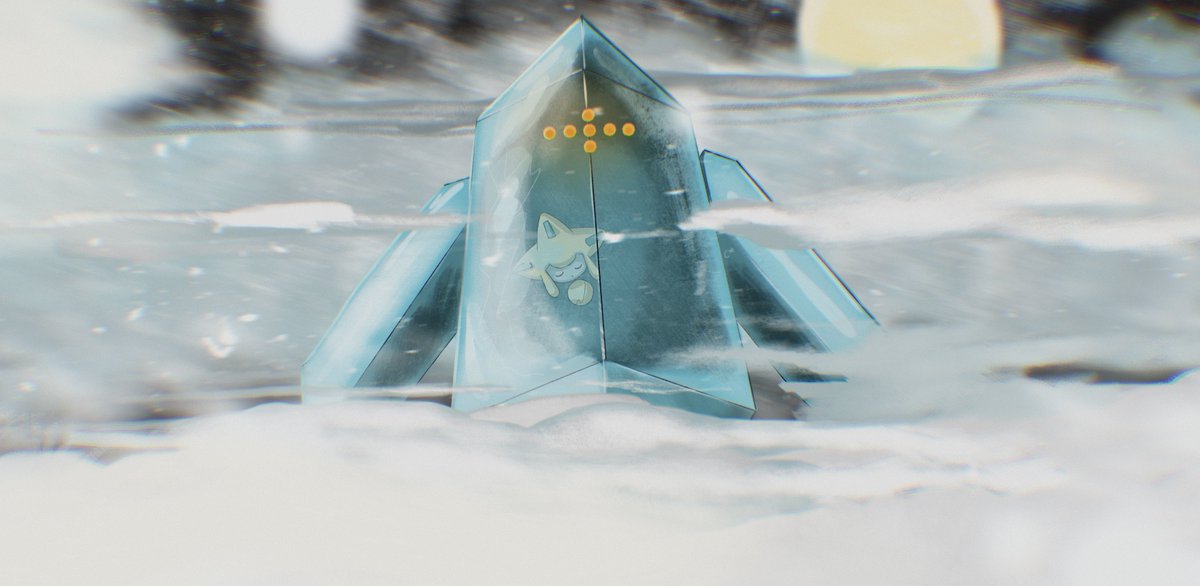
@J1R4CH1 Jirachi being incased in Regice is such an awesome concept. Given the age and lore involved, it gives the impression Regigigas personally crafted Regice as a mobile, unmelting tomb to protect the sleeping Jirachi.