@storywithdata if it has to be only one, it would be: get rid of the data labels, they are all over the place, and are not needed if you have a simple graph and an Y axis
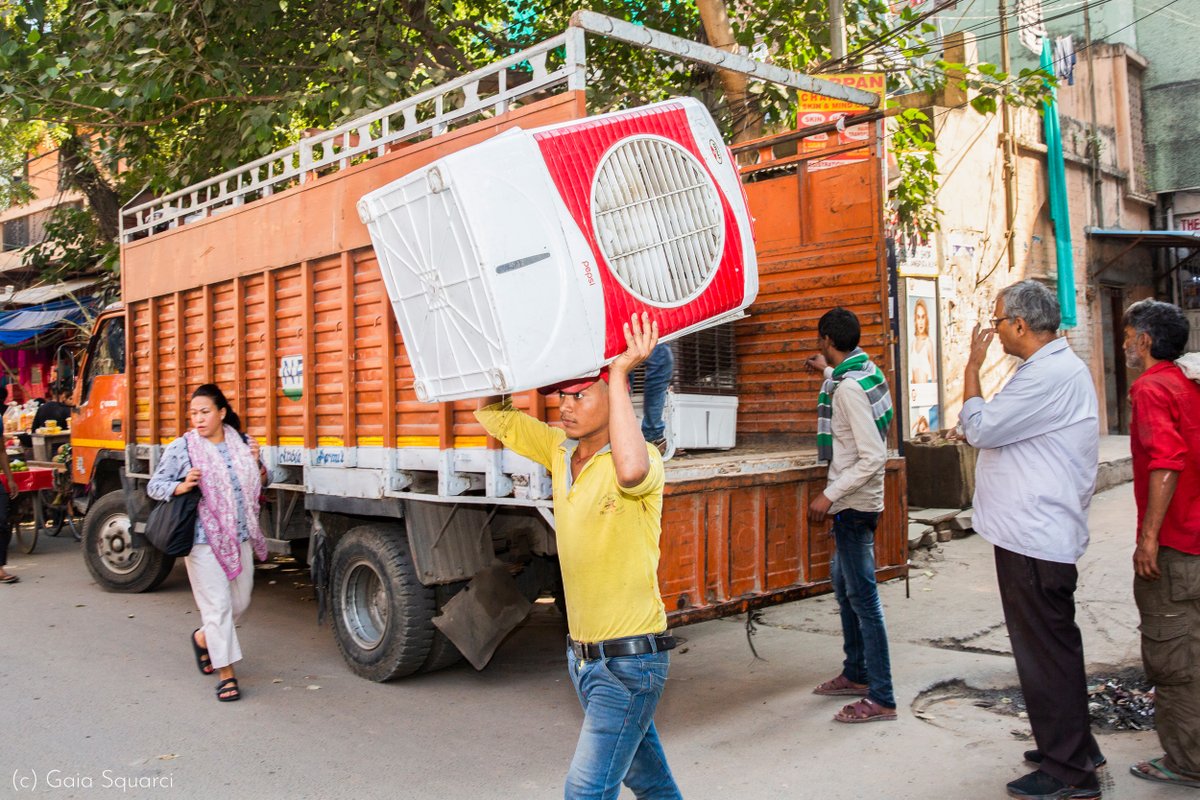
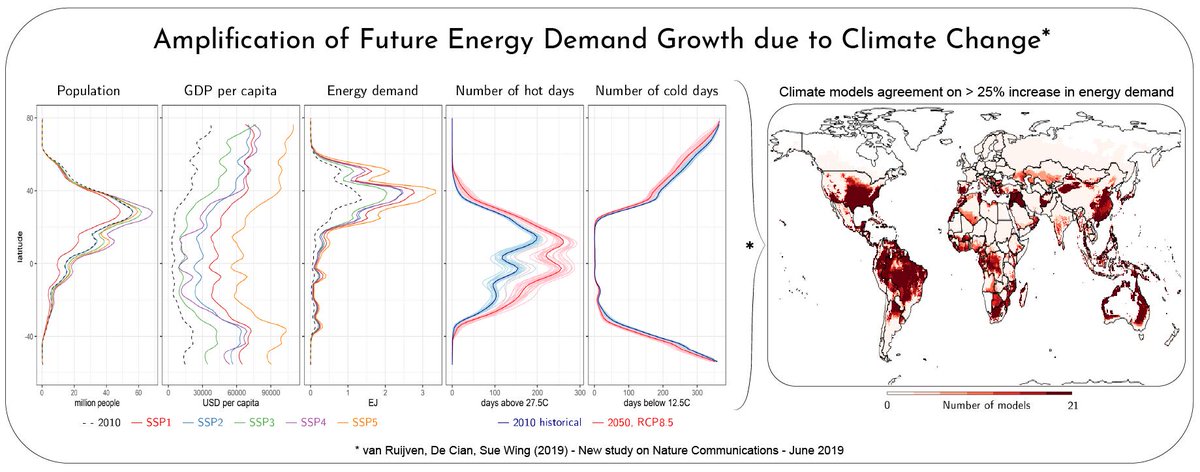
As space ventilation appears to facilitate the spreading of infectious droplets, #cooling systems for shared spaces have to be re-assessed and most likely reshaped.
For one of our clients, we take a look at alternative options for India. #COVID19
https://t.co/rNBnM7n6VE
The number of COVID-19 *cases* is not a very useful indicator of anything — unless you also know something about how *tests* are being conducted. https://t.co/7zLztpjSBj
I am looking to build a strong, diverse research team for my @ERC_Research#ERCStG "2D4D - Disruptive Digitalization for Decarbonization" due to start in the spring. Apply online @EIEEorg!
https://t.co/cVhNVQgf2K
Nice read: simple and effective solutions to use less AC
(but the article only opens in apps not in a browser @PopSci - there is a bug with the cookie disclaimer)
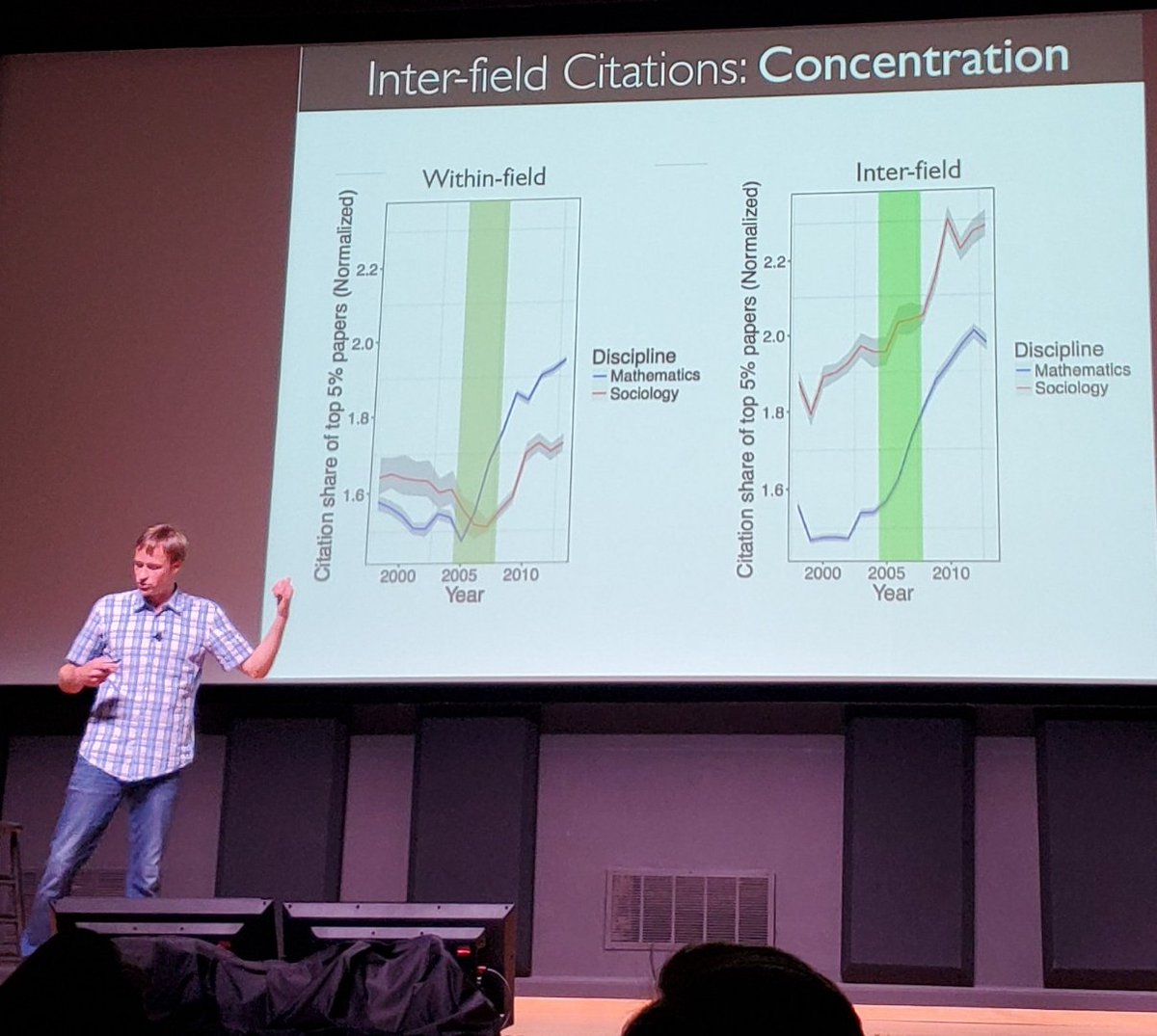
Google Scholar seems to be altering scholarly citation patterns. Citations are getting more concentrated: the same few papers get cited over and over, @jevinwest has found. People lazily cite whatever papers the search engine ranks highly. #metascience2019
For anyone considering/in the process of writing an ERC grant proposal, look below for previously gathered hints and experiences from successful researchers, support teams, ERC evaluation coordination staff, and former evaluators: ⚡️https://t.co/7IfY39WtRc
It's raining plastic: Rainbow of #plastic fibers fall from the sky in Rocky Mountains, after falling from the sky in the Pyrenees
"It’s in the rain, it’s in the snow, it's in the deepest reaches of the ocean, in UK lakes and rivers and in US groundwater"
https://t.co/d5gXYVGFdj
Our paper finding 97% scientific consensus on human-caused global warming just hit one million downloads - not a bad effort for a scientific paper without a single cat video. Here's a brief history of the paper's six year history https://t.co/90qjw6DDwc
@JelteDesign @BjornLomborg@marcelcrok yes, these figures refer to RCP8.5 (+25-58% Energy demand) but the study published in @NatureComms also analyses RCP4.5 (+11-27% energy demand).
@JelteDesign @BjornLomborg@marcelcrok yes, mainly northern latitudes will require less heating during the winter, check this figure for details: https://t.co/nbquVxMtgS
The vicious cycle of #ClimateChange: the more we warm up, the more we consume energy to #adapt, the more we warm up, the more we consume energy... etc... [repeat forever]
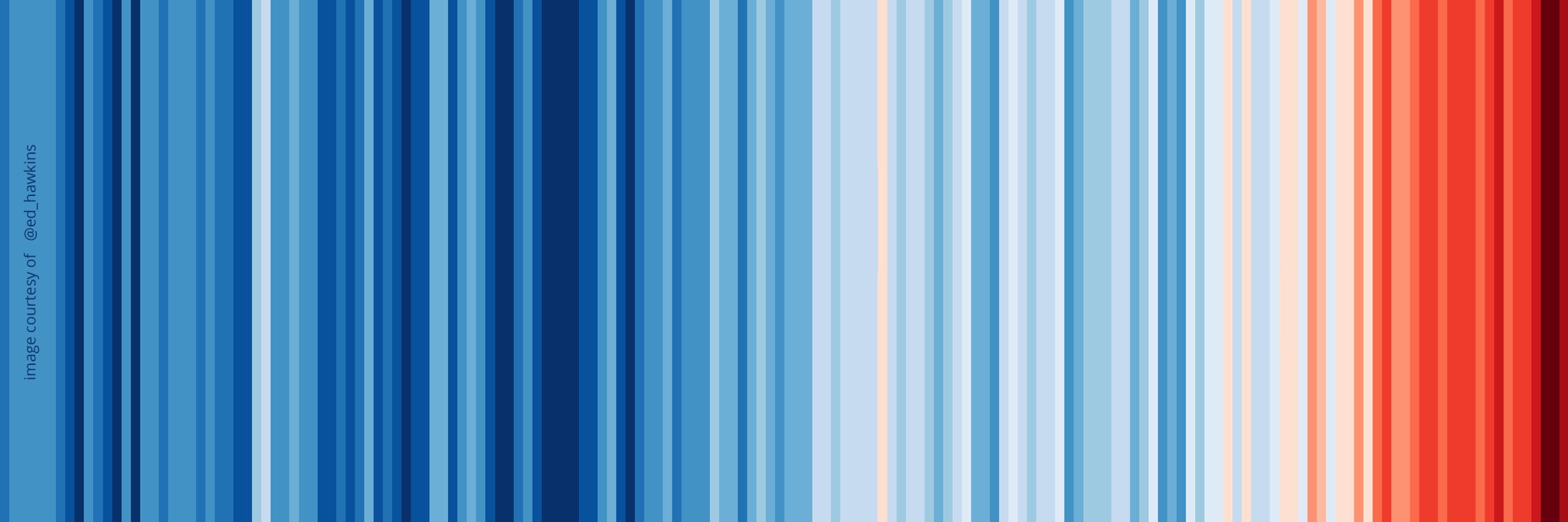
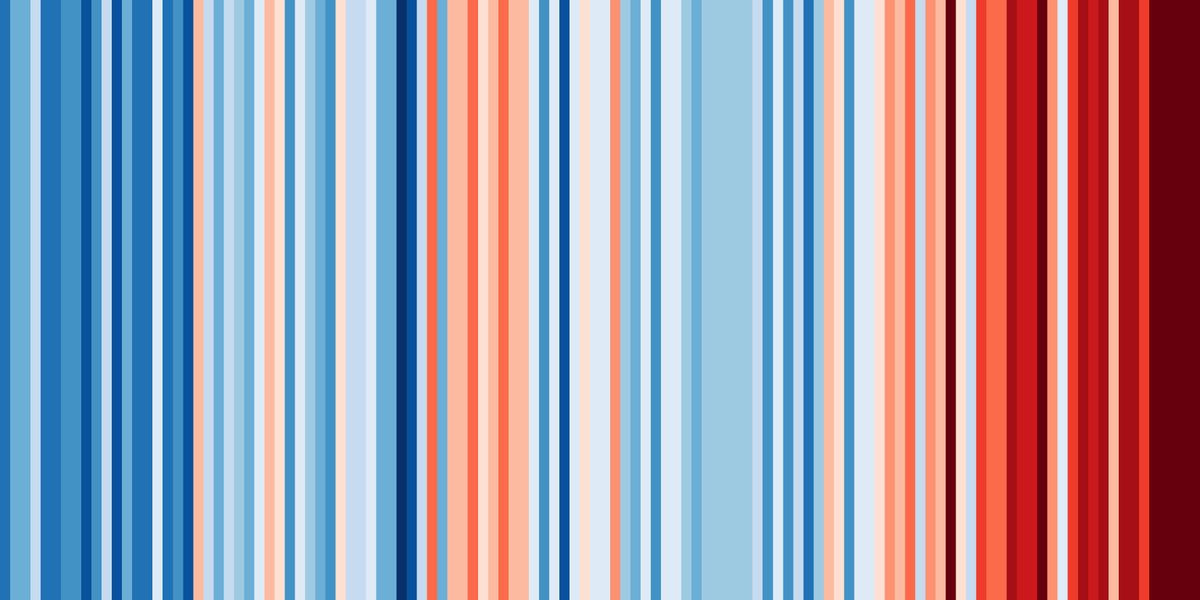
Show us your stripes! Here are the ones for #Italy#GlobalWarming
-
(Annual average temperatures for Italy from 1901-2018 using data from Berkeley Earth)
-
#ShowYourStripes