Today in Burnaby I committed to turning more empty condos into homes people can afford.
Our housing plan is working. Home prices are falling faster in B.C. than anywhere else in Canada, rents have dropped 26 months in a row, and the speculation and vacancy tax has turned 20,000 empty units into homes. But too many finished condos are still sitting empty or unsold.
So we'll raise the speculation and vacancy tax by one point and bring in a new Unsold Condo Tax on finished condos left empty for more than a year, climbing every year they sit. That could unlock up to 5,000 homes for British Columbians.
The conservative parties have opposed nearly every measure we've taken on housing. They'd rip up the plan and hand the market back to the speculators.
With Trump's trade war driving up costs, we have to keep pushing yours down. That's how we build B.C. strong. 🇨🇦
@SChandraHerbert Hi Chandra, I just read some quotes from you about wanting to hear from B.C. residents regarding recent treaty steps. Apparently there were virtual town halls and those held in vivo had pretty low turn out. I’m noticing a disconnect. Where are you listening currently?
@caroltreardon@RussVanderwood@BradWestPoCo Any word on where the condos will be located? I’m surprised there’s no hoopla about who will get the rent-to-own opportunity. I think it should be restricted to people who have been in BC for at least 10 years.
5/7
RCMP initially denied involvement, later admitted to assisting with intelligence, but no charges have been laid in Canada against the people who shipped the meth.
#cdnpoli
DID YOU KNOW??
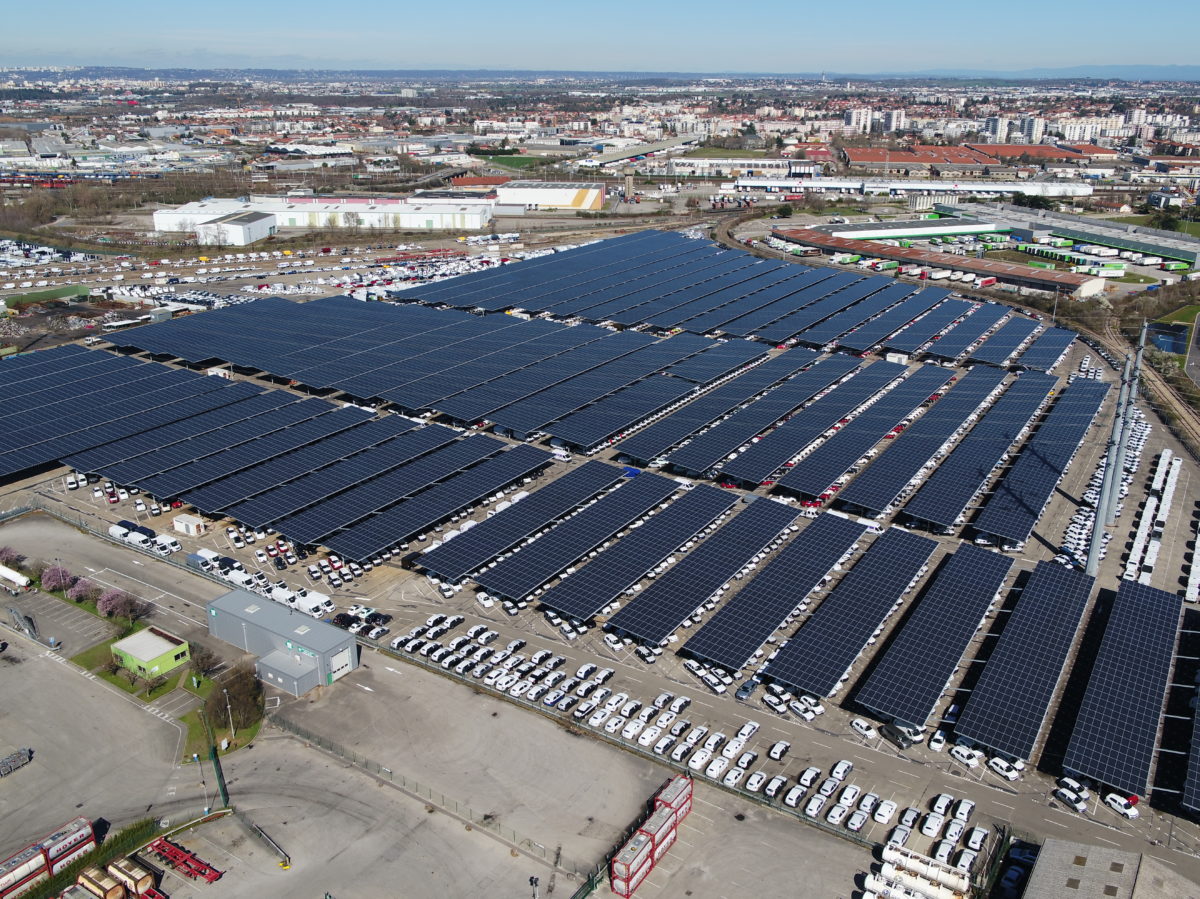
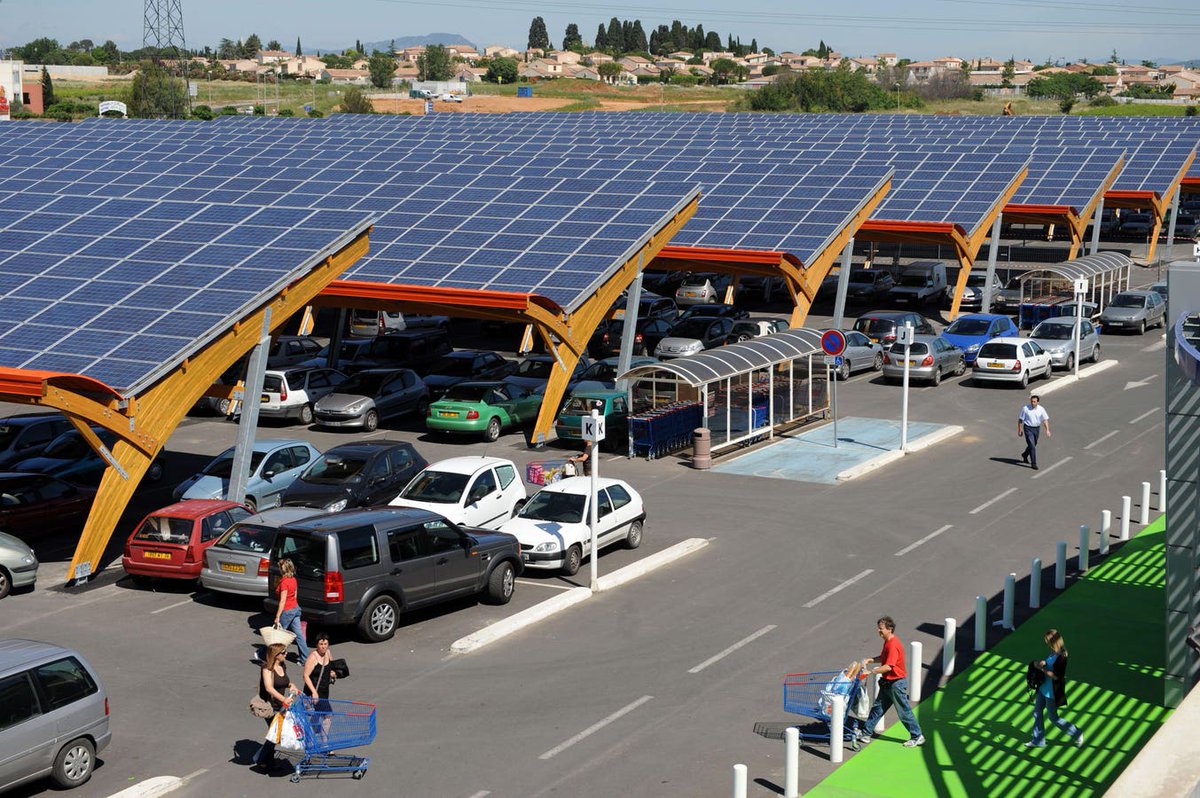
France passed a groundbreaking law that effectively turns ordinary parking lots into massive green power plants!
Under the "Loi APER" (Renewable Energy Acceleration Act), France has made it a legal requirement for large outdoor parking lots to be covered in solar panels.
Here is how the law works, why it is a masterclass in urban planning, and some mind-blowing facts about the initiative. 👇🏾👇🏾👇🏾
1. How the Law Works:
The French government targeted car parks because they represent "low-hanging fruit", vast, flat expanses of already-developed land that don't require clearing forests or using up valuable agricultural space.
The law stated;
A. Any outdoor parking lot with a surface area larger than 1,500 square meters must cover at least 50% of its space with solar canopies (ombrières).
B. Large car parks (over 10,000 m²) have until July 1, 2026 to comply.
Medium car parks (between 1,500 and 10,000 m²) have until July 1, 2028.
C. Building and business owners who refuse to comply face steep, recurring financial penalties of up to €40,000 per year until they install the panels.
2. The Scale is Massive:
The French government estimates that this nationwide car park solarization will generate up to 11 gigawatts (GW) of power at peak capacity.
To put that into perspective, 11 GW is the energy equivalent of running 10 nuclear reactors. All of that power will be generated entirely from land that was previously just sitting under the sun, baking asphalt.
3. A Win-Win for Drivers and the Grid:
Beyond the massive influx of clean energy, this law creates a brilliant ecosystem for the future of infrastructure.
Drivers no longer have to step into a scalding hot car during the summer or scrape ice off their windshields in the winter. The solar canopies provide built-in shelter from the elements.
4. The Ultimate EV Synergy:
The law coincides with another French mandate requiring larger car parks to install Electric Vehicle (EV) charging stations. This creates a perfect loop; the canopies harvest energy from the sun above, and route it directly into the cars charging below.
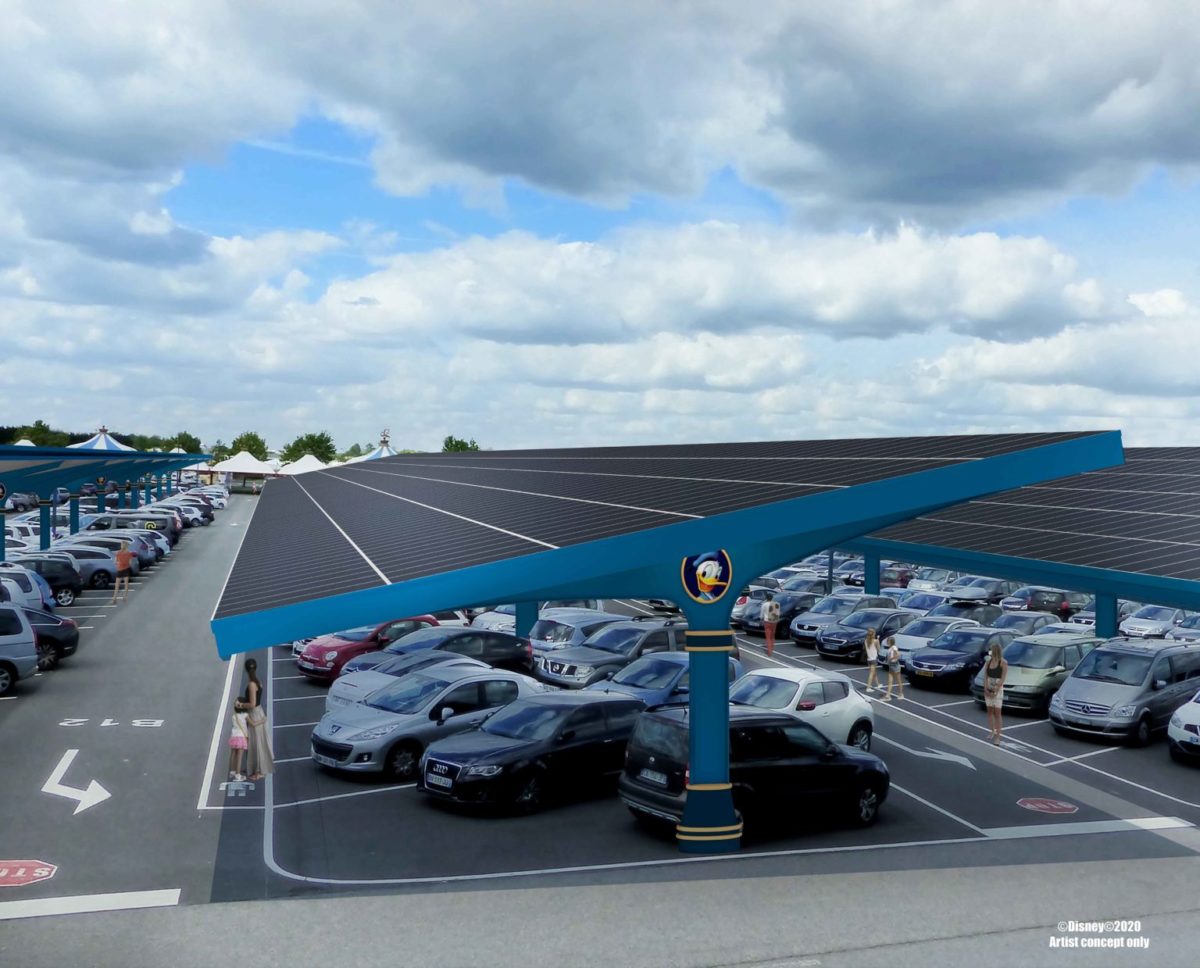
5. Disneyland Paris is Leading the Charge:
Major corporations are already rolling this out. Disneyland Paris constructed one of the largest solar canopy parking lots in Europe, covering 11,200 parking spaces, which generates enough electricity to power a small city.
6.Are There Any Exceptions?
Yes, the law is practical. Car parks can bypass the requirement if they can prove structural or geological limitations, if they are heavily shaded by existing trees, if they are reserved for heavy-load trucks (over 3.5 tons), or if adding the panels would ruin a protected historical heritage site.
So ie day we may look at a Car park without a solar panel and feel nostalgic in France... For now 😅
Hopefully you've learnt something new today??
Cheers 🥂 🙂
The Medic Who Writes™🌚
@DouglasTodd@IrCC@CanBorder I would love to read what your experience is like if you were to take the IELTS test. I had to take it years ago and found it impossible. I have a university degree and English is my native language. It seemed like a racket.
This has been clear for awhile. What’s harder to see is what will happen with new transparency legislation, the collapse of Evergrande et al, spec tax…
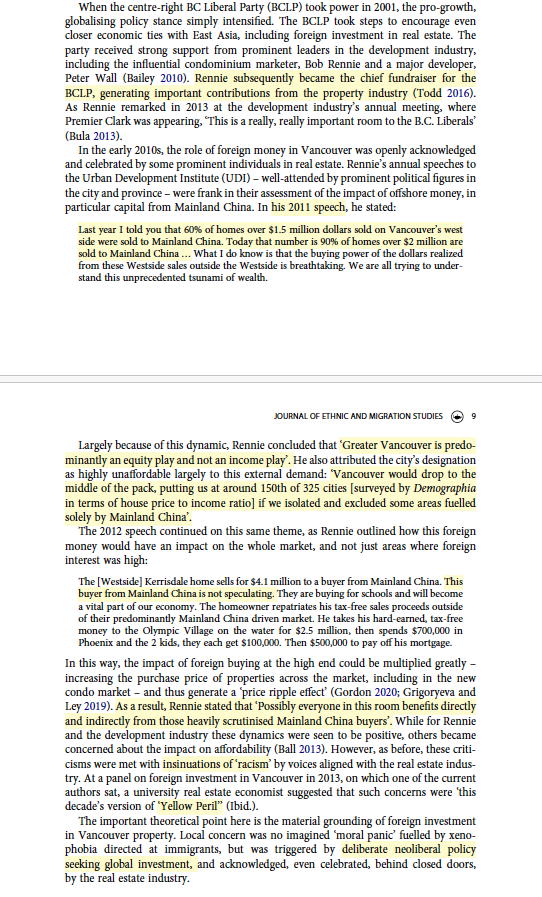
Below are some extraordinary quotes from Vancouver 'condo king' Bob Rennie from as far back as 2011.
Rennie's comments make clear the Urban Development Institute knew exactly what was going on with the "breathtaking" amount of money flooding into Metro Vancouver real estate from China.
In this scholarly article researchers discovered Rennie was publicly saying 15 years ago:
- 90% of homes being sold on Vancouver's side "are sold to Mainland China."
- Vancouver's housing prices would be average, not extremely unaffordable, if it were not for China money.
- Speaking to developers, Rennie says, "Possibly everyone in this room benefits directly and indirectly from those... Mainland China buyers."
- "Greater Vancouver (housing) is predominantly an equity play and not an income play."
One big problem? Criticism of this flood of offshore money was met with 'insinuations of racism.'
These quotes and observations were put together by scholars Joshua Gordon, David Ley and @Ayan604 in their ground-breaking 2024 article, "Crafting the Narrative: Wealth migration, growth machines and the politics of housing affordability in Vancouver, Canada."
#vanre #vanpoli #bcpoli #cdnimm @ronmortgageguy
https://t.co/UMPe6WrWmX
@CraneVein11@ExnerPirot The tweet doesn’t mention the sectors that the money flowed out from. I imagine the new transparency laws would’ve driven much out of residential real estate after the Cullen Commission