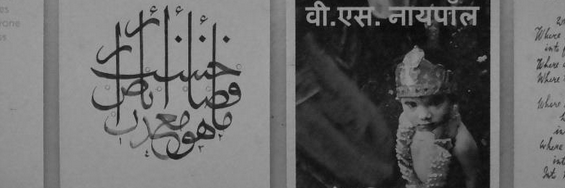
@Goal_India@goal What's going on there? Spelling mistakes ("Boily"?), right-aligned text, etc. Have you started publishing fully AI-generated articles now? I like your content but this was strange to see.
https://t.co/H9ONOjvka3
. @airtelindia Wifi broken since y'day afternoon. A technician said that the wire will be fixed soon but no activity after that. The technician is no longer responding to my calls or messages. My work is suffering because of this. Will @airtelindia compensate for my losses? #FAIL
@Airtel_Presence@airtelindia Wifi not working since early morning. All attempts at getting it fixed are getting ignored. Official TAT is ridiculous - how can someone work without wifi for 2 days? What's the point of taking high value plans if the service is so lousy? #fail
@AkshayaS90@secondinning_ Use an old phone that no longer supports present-day apps as an alarm clock. You get all the benefits of multiple alarms, snooze, etc. without the burden of distracting app notifications.
I use an old HTC phone from the pre-iPhone era for this. Works really well!
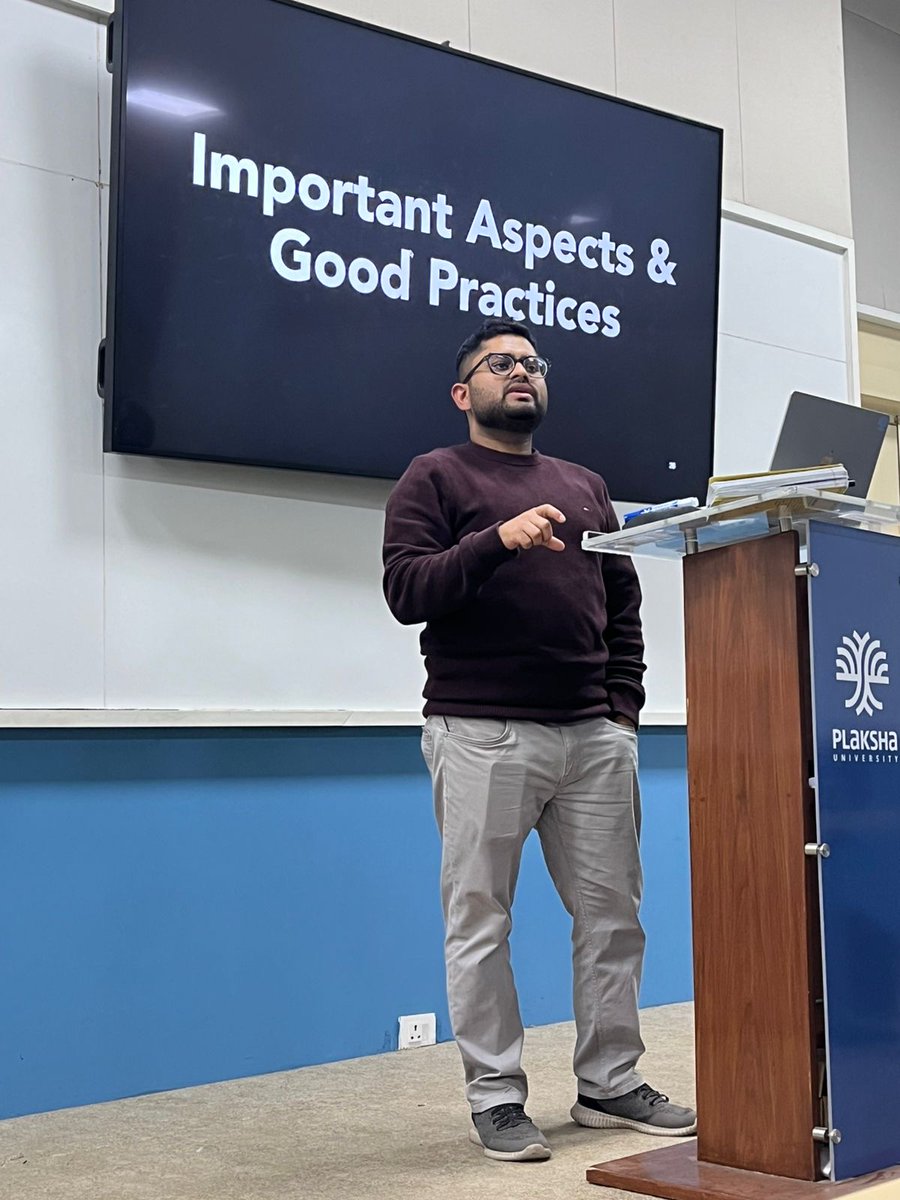
Gave a primer on good web development practices to students at @PlakshaUniv who are building web applications using AI. Thanks, @anupamsobti, for the wonderful experience!
#TIL You cannot trigger the deployment of your webpages to @github pages manually.
The best workaround is to make an empty commit and push to the branch configured for GitHub Pages.
#WebDev
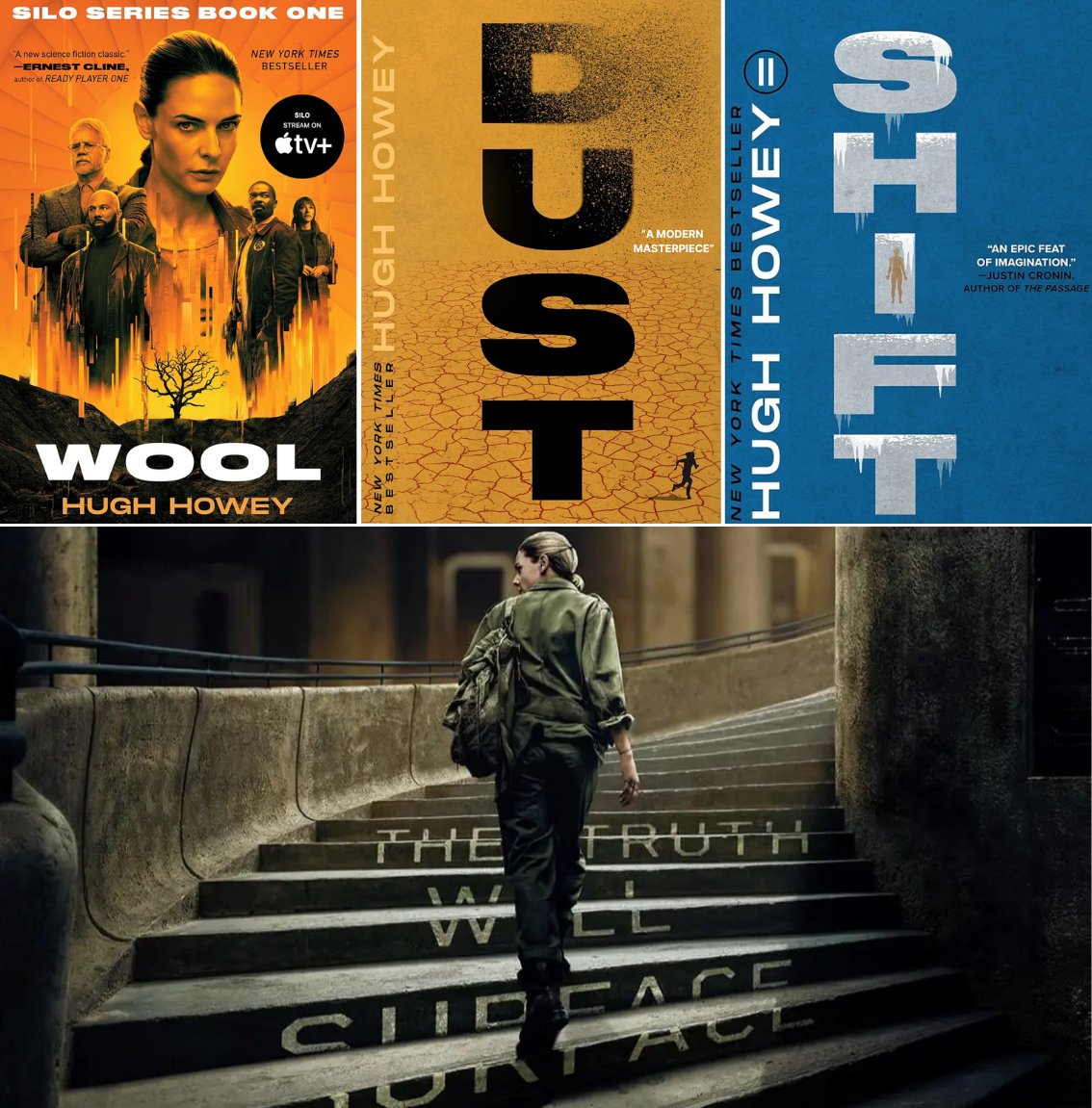
Hugh Howey now writes for a living.
He now writes novels that sell millions of copies worldwide.
He now writes stories that win prestigious awards, get optioned by celebrated filmmakers, and are adapted into hit TV shows.
“But for 20 years,” Howey said, “from ages 12 to 32,”
“I tried to write novels and short stories and gave up every time. For 20 years!”
An avid reader, when he began writing, Howey compared the quality of his writing to that of his favorite writers.
The quality gap “drove me nuts,” he said. “I’d write a chapter or 2 before walking away in disgust.”
To try to close that disgusting quality gap, Howey stopped writing and began studying. He didn’t just read novels—he dissected, analyzed, and wrote reviews about them. He interviewed authors. He went to conferences and book festivals.
Then, at the 2009 Virginia Festival of the Book, Howey got advice “that finally broke 20 years of not writing.”
In a Q&A session with the mystery novelist Caroline Todd, someone asked, “How do I write my first novel?”
Todd stood up, slapped the table, and shouted,
“You stop thinking about writing. You stop dreaming about writing. You stop talking about writing. And you just write. You sit down and you write!”
Takeaway 1:
For 20 years, Howey was in what Adam Mastroianni refers to as the psychological bog.
As a psychologist, teacher, and writer, Mastroianni has had a lot of people ask for advice. “I’ve realized,” he writes, “that most of these folks have something in common: they’re stuck.”
They’re stuck in a job that’s “bleh,” a relationship that’s “meh,” or with thoughts and assumptions that are “the psychological equivalent of standing knee-deep in a fetid bog,”—wet muddy ground in which it’s hard to maneuver.
When stuck in the bog, it can seem like you have to do something drastic to get out.
Along with the quality of his writing, for instance, Howey became bogged down by the feeling that his best chance at a writing career was behind him. Eventually, he had a full-time job, other hobbies, family and friends—it felt like his life had settled into a knee-deep bog that would take something drastic to get out of.
“Often,” he said, “the feeling that we can’t break our stasis and launch our lives in a different direction is really due to the feeling that we should have done it five, ten, or twenty years ago.”
When Caroline Todd shouted, "just write,” Howey said, he realized: instead of blowing up his life, he could “start nudging his life in a new direction.”
He analogized it to sailing around the world:
“You don’t sail around the world in a day. You look at the horizon and say, ‘I can sail that far.’ Sailing around the world is just sailing to the horizon over and over again. Writing a novel is just writing a sentence over and over again.”
In the margins of his day, Howey began writing a sentence or two.
Doing that day after day, he said, “I accumulated a lot of words, and in a five or six year period, I wrote about 15 novels.”
Takeaway 2:
The various collections of thoughts and assumptions we use to interpret the meaning of day-to-day experiences are known in psychology as “lay theories.”
“The reason lay theories matter,” Dr. David Yeager explains, “is because the way you interpret the meaning of something determines how you respond to it.”
Many aspiring writers, for instance, compare their writing to the quality of writing in their favorite books. But they don't all interpret the quality gap in a way that leads them into a psychological bog, causing them to routinely walk away from their work in disgust.
The exact same experience can be interpreted to mean two totally different things, given two different lay theories, driving two different responses that lead to two different outcomes.
If a person is repeatedly getting bad outcomes, a psychologist might attempt a so-called “Lay Theory Intervention” to try to shift the stories and assumptions that shape their actions and behaviors.
This kind of shift can also happen outside a clinical setting.
It can happen in the personal reflection after a setback, when a coach pulls you aside and sees something in you that you didn’t see in yourself, or with the help of someone like Caroline Todd slapping the table and “yelling—not even at me, basically near me—to just write,” as it did for Hugh Howey.
- - -
“We will never be as good as the things we admire. That’s the nature of admiration.” — Hugh Howey
Anyone can talk about themself. Even a child knows how to gossip and chatter. So what is scarce and rare? Silence. The ability to deliberately keep yourself out of the conversation and subsist without its validation. Silence is the respite of the confident and the strong.