50 Objects/Stories of the American Japanese Incarceration. Every object has a story. During WWII American Japanese were unjustly imprisoned. Stories now live!
"American" dolls were brought to camp while Japanese dolls were stored or even destroyed. Read about a doll that survived 77 years and the bigger stories dolls tell about culture, racism, love and the passage of time.
https://t.co/YBp7y3ylzB
Kiyoshi Ina, a two-year-old boy with chickenpox, was comforted by a handmade toy tank sent to him at Tule Lake, California, by his father. They were in different prison camps, separated by 1,000 miles. Learn more about this story here: https://t.co/EVSFz3CG1X
Takato Hamai had to make his own crutches at Gila River, using steam from the ofuro bath to bend the wood. But the story goes quiet as the family digs into his diaries and family albums to learn more. Read more about Object 16 here: https://t.co/TMi86fMX4l
Fatal shootings by sentries in the camps were covered up, the facts distorted and perpetrators acquitted. But decades later, people are returning to the sites to remember those who were slain and to say their names:
Toru Saito and Paul Takagi of Berkeley burn incense and leave a cross at the site of a former cemetery in honor of Isomura and Kobata at Lordsburg, New Mexico. Photo by Mollie Pressler, 2015.
Our latest story explores the shooting of James Wakasa and the fight for a monument against injustice.
Read the full story here: https://t.co/qfdgd1dUMk
If you missed @jamuseum's live chat with our Project Director, Nancy Ukai for 'Part II of Contested Histories on the Road' you can view the recording here : https://t.co/MrbnOdbZ5s
Part II of Contested Histories on the Road is happening this afternoon at 2PM! Join Clement Hanami in conversation with Nancy Ukai, Project Director of @50objectsNikkei in a live presentation and Q&A
https://t.co/PQ0TJvmRiU
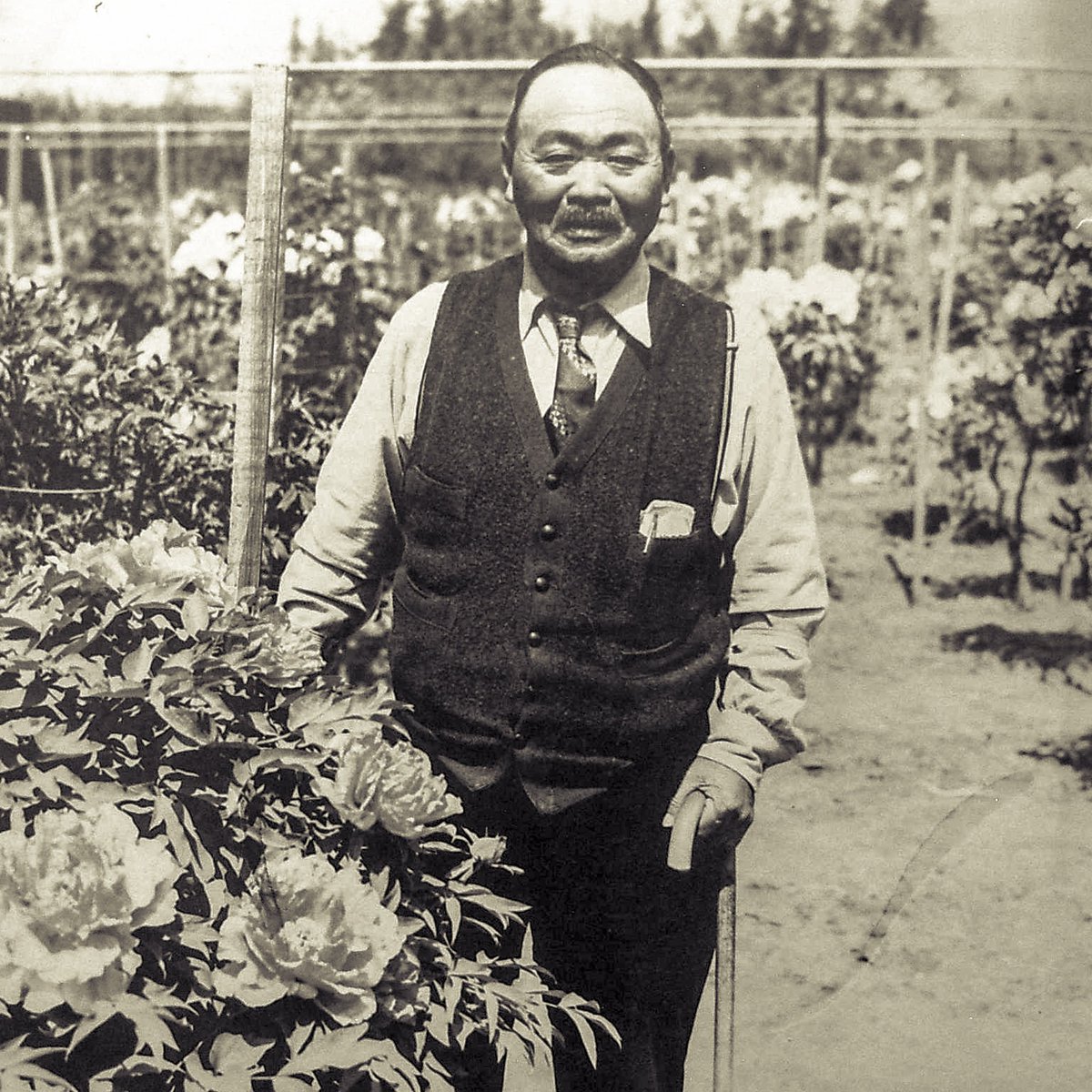
Kanetaro Domoto and his brothers, may have been the first Japanese to own land in CA. They purchased property in 1902 at the foot of the Oakland hills which they developed into the first large-scale Japanese immigrant nursery in the U.S. Full Story at https://t.co/vdSec9lIyj
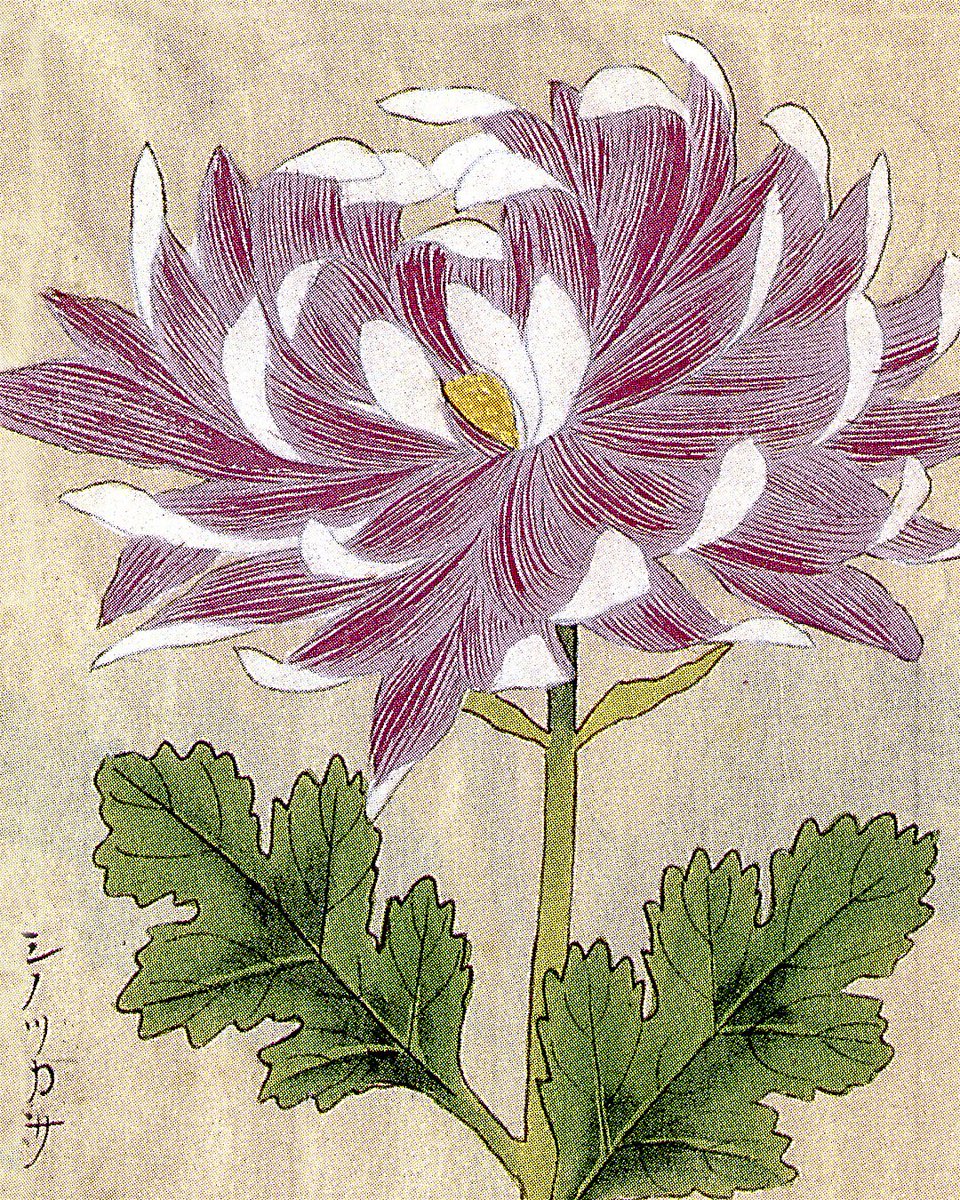
The Domoto Brothers Nursery imported an enormous variety of plants, bulbs, and seeds from Japan and Europe. Today we're sharing painted illustrations from a Japanese catalog from which the Domoto Nursery ordered flowers
Discover the full story here: https://t.co/vdSec9lIyj
The Domoto Brothers Nursery in Oakland, California, was said to be the largest nursery in the state. The Great Depression forced the nursery into an auction with everything sold but for the oversized bonsai - the Domoto Trident Maple. Read the full story : https://t.co/xMrbQ7UVt6
OBJECT 14 - The Domoto Maple: Bonsai Part 1
The object examined in this installment is a prized "imperial-size" bonsai that began life in the early 1800s in Japan.
The Domoto bonsai survived the travails of war and still lives.
Read the full story here:
https://t.co/vdSec9DjWT
A calligraphy teacher is sitting in front of a wall of calligraphy banners in the Heart Mountain, Wyoming concentration camp c1944. Traditional Japanese culture was kept alive in the camps
through classes and group activities
• Visit https://t.co/iH3w9nhLPU for the story •
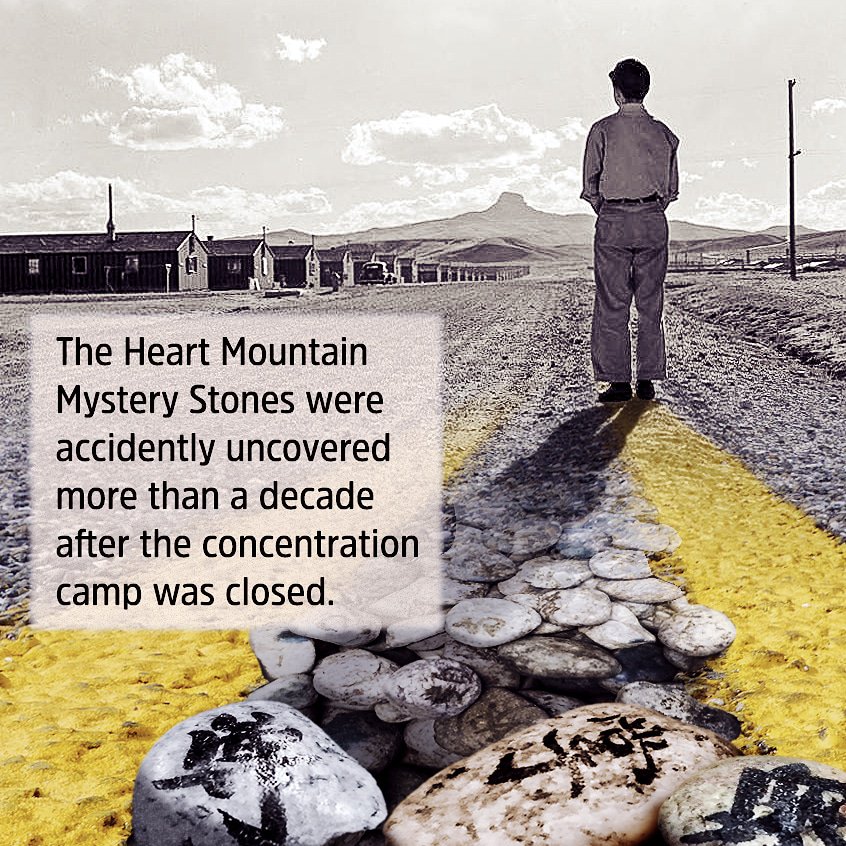
The mystery stones were discovered by accident. Bill Higgins, had been hired to grade the former site of the old Heart Mt cemetery. He’d been assured that all of the bodies had been removed. Nevertheless, he struck something hard...
• Full Story Below •
https://t.co/iH3w9nhLPU
The Heart Mountain mystery stones represent a story that begins and ends far beyond the barbed wire fences of the Heart Mountain concentration camp in Wyoming. It's a story that stretches all the way from thirteenth-century Japan right up to the present. https://t.co/62rjBFfkdb