Vaccine Uptake in DRC
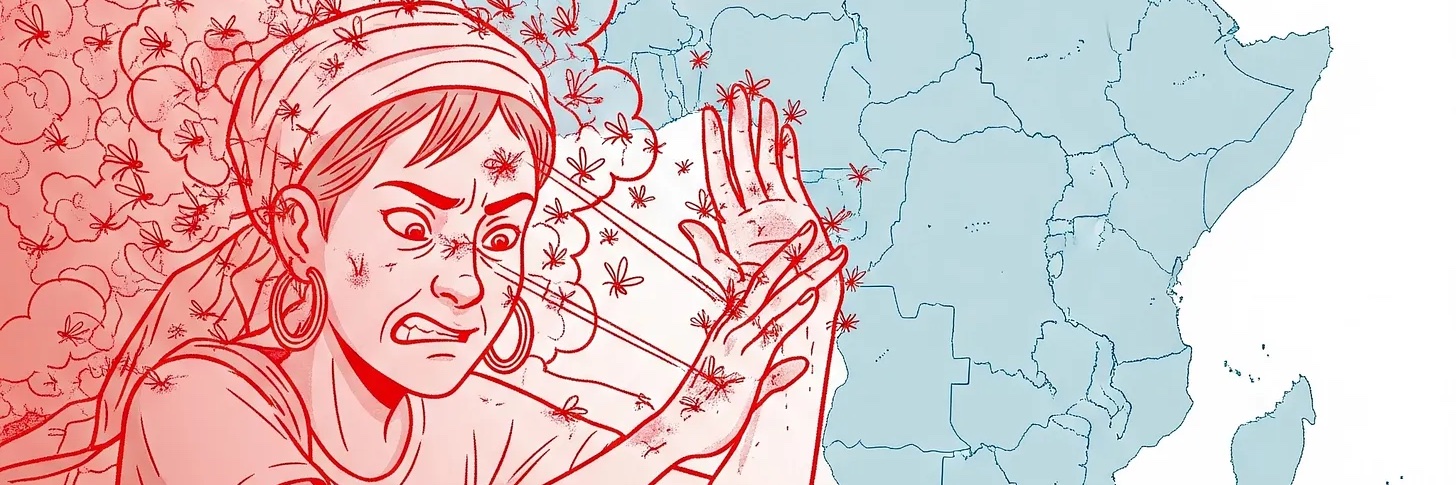
Why did COVID-19 vaccine uptake remain low in the Democratic Republic of Congo despite many unvaccinated people intending to get vaccinated?
My latest piece for @54ScienceAfrica explores the barriers behind the gap, including vaccine availability, concerns about safety and effectiveness, misinformation, and trust in health authorities.
The study also highlights the role of radio and health workers in providing trusted information and building vaccine confidence.
Read the full story 👇🏼👇🏼👇🏼
https://t.co/EcsTbSxBwj
For those who took the vaccine, age, source of information, area where they lived, and trust in health officials were key determinants. Read: https://t.co/P4MtiqrZPc
Read this #preprint on @researchsquare: Satellite Monitoring for Air Quality and Public Health Research in Africa: A Scoping Review https://t.co/kJgGhcytcS
Read this #preprint on @researchsquare: Strategic stakeholder engagement for injury care: building consensus in Ghana, Pakistan, Rwanda and South Africa https://t.co/3jPaAvvWuP
How can science help Uganda’s farmers adapt to a changing climate? I spoke to Dr. Titus Alicai, Director of Research @narouganda, about how their agricultural research and innovation are helping farmers cope with drought, heat, floods, pests and diseases.
https://t.co/KvVyMSUMDO
How did COVID-19 affect health workers in Africa?
New evidence from Nigeria suggests that the impact extended far beyond the number of workers formally diagnosed with the disease.
Read: https://t.co/8aPxQTjvre
Keeping chickens close to homes may be associated with a higher risk of malaria infection, according to a study involving more than 11,000 people in rural southern Tanzania. @ifakarahealth
Read: https://t.co/QWdIcYYWeJ
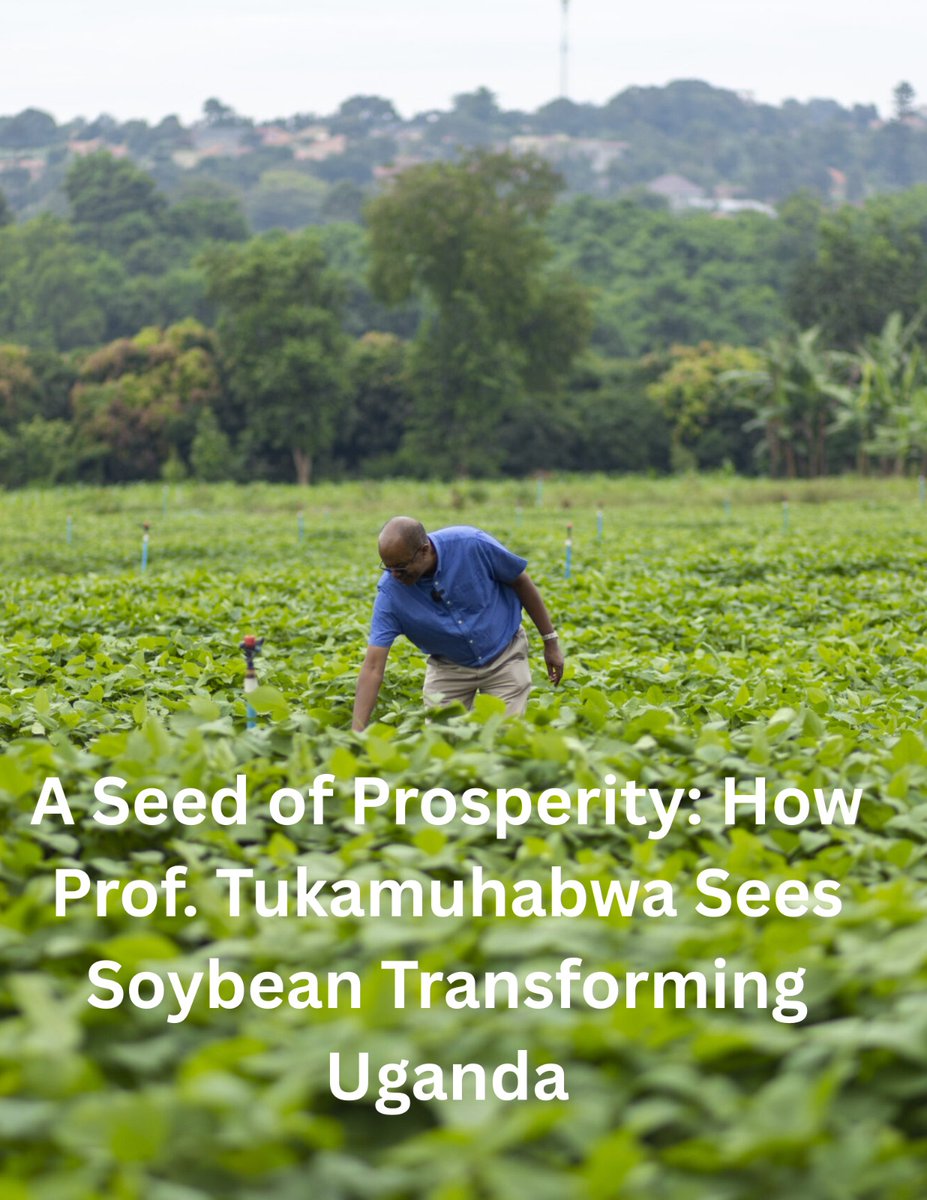
More than three decades of research have produced Uganda’s most resilient soybean varieties. With support from @RIFMakerere, researchers are now venturing into value addition, making soybean milk and yoghurt production out of it. @MuhammadJjumb.
Read: https://t.co/bFbX38Olsw
Mosquitoes are most comfortable at a temperature of around 25°C. Below that, it’s too cold for the malaria parasite to develop in the mosquito & above parasites struggle to survive. That has a say on where malaria thrives is in Africa. @54ScienceAfrica
https://t.co/lT8vU0Q3SY
A lot to learn about soybeans from this insightful feature by @MuhammadJjumb. It has taken more than 30 years of research for scientists to develop Uganda's most resilient soybean varieties. @54ScienceAfrica.
https://t.co/bfWZ7Kb5wL
A shorter dry season is helping reduce wildfires in Africa, according to a new study that found changing rainfall patterns are shrinking the window during which fires can ignite and spread.
https://t.co/zL5rUg3oZk
I very much enjoyed my conversation with @dr_bandak on The Scholars Table about leadership, decolonizing global health, and what I wish more early-career professionals understood about building a career in public health. The conversation is short and sweet
My key messages:
-Leadership isn't about self; it's about nurturing other people's dreams and building systems that outlast me.
Scientists are working on the first genomic sequencing of an Ankole bull. Why is this important? Watch my interview with Prof. Donald Kugonza, an animal breeding and genetics expert at Makerere University. @54ScienceAfrica .https://t.co/cHrtwEjOGP