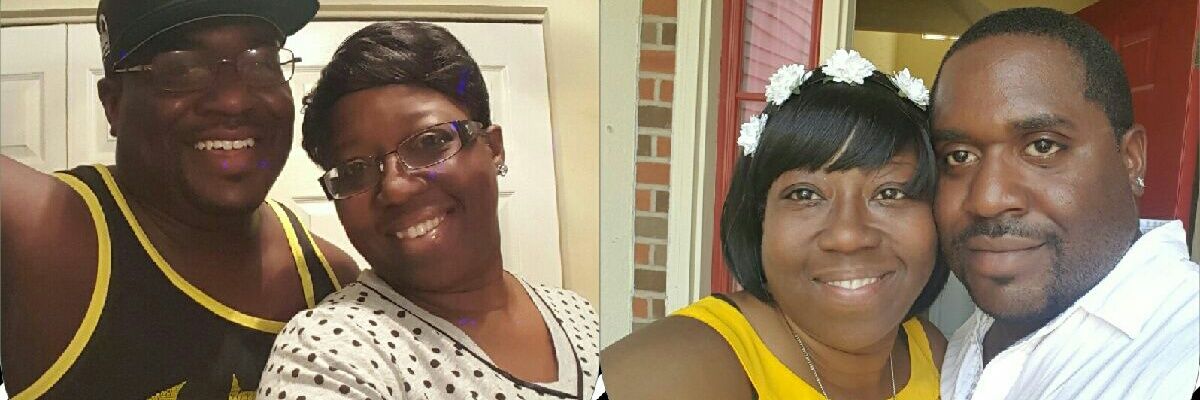
An elderly Black grandmother had beer thrown in her face and was told she 'didn't belong there' and to 'back the f* up' after a drunk woman claimed the spot where she was standing with her grandkids was reserved.
George Taliaferro was the first black player drafted in the NFL.
In the 1949 NFL Draft, Taliaferro was selected by the Chicago Bears in the 13th round (129th overall), breaking a barrier in a league that had long been slow to include Black athletes in its formal selection process. Although he chose to honor a contract with the Los Angeles Dons of the rival All-America Football Conference that year, his selection marked a historic first in NFL history — a moment that helped open doors for the generations of Black athletes who followed.
Before the pros, Taliaferro was already a force at Indiana University, starring in multiple positions, earning three All-American honors, and leading the Hoosiers to their only undefeated Big Ten season. In the NFL and the AAFC, he continued to showcase his versatility, playing halfback, quarterback, defensive back, receiver, punter, and returner over his professional career.
Beyond the gridiron, Taliaferro dedicated his life to education and community service — earning a master’s degree, supporting youth programs, and advocating for equality off the field.
Taliaferro passed away in 2018 at the age of 91, but his impact lives on every time players of all races take the field, every time the draft brings excitement and opportunity, and every Super Bowl weekend reminds us how far the game — and the country — has come. #SuperBowl
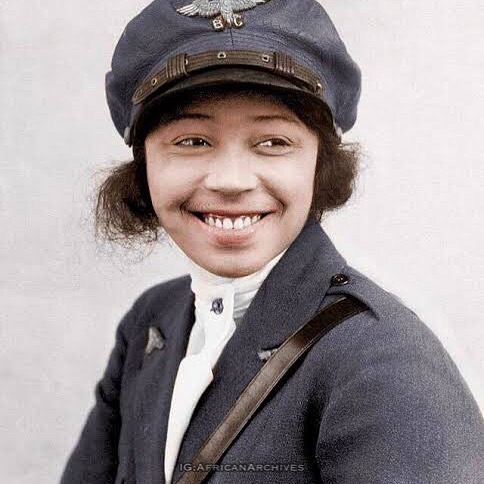
In 1921 Bessie Coleman received her pilot's license becoming the first black licensed pilot. Women & people of color had no training opportunities in the US so she learnt French and moved to Paris to earn her license.
Denied. Defied. Soared.
Before Amelia Earhart ever took flight, Bessie Coleman was already making history. Born in 1892 in Texas, she was the daughter of sharecroppers — one of thirteen children, picking cotton and helping her family make ends meet. Despite poverty and segregation, she had a mind for math, a hunger for independence, and a dream that reached far beyond the fields of Waxahachie.
When no flight school in the United States would accept her because she was both Black and a woman, Bessie refused to accept “no” as her ceiling. She learned French, saved every dollar she could, and sailed to France. In 1921 — at just 29 years old — she earned her international pilot’s license from the Fédération Aéronautique Internationale, becoming America’s first Black woman pilot.
She returned home as a sensation — performing daring stunts, loops, and dives in airshows across the country, becoming one of the first female stunt pilots in America. But her mission was bigger than fame. She dreamed of opening a flight school for Black men and women, determined to make the skies open to everyone.
Tragically, she died in 1926 during a test flight, just as she was planning her aviation school. Yet her legacy lived on — inspiring the Tuskegee Airmen and generations of pilots who followed her path upward.
She didn’t just fly.
She proved we could all rise.
If you love our content and would like to support the page, you can buy us a coffee here: https://t.co/K1AhtZuOFs