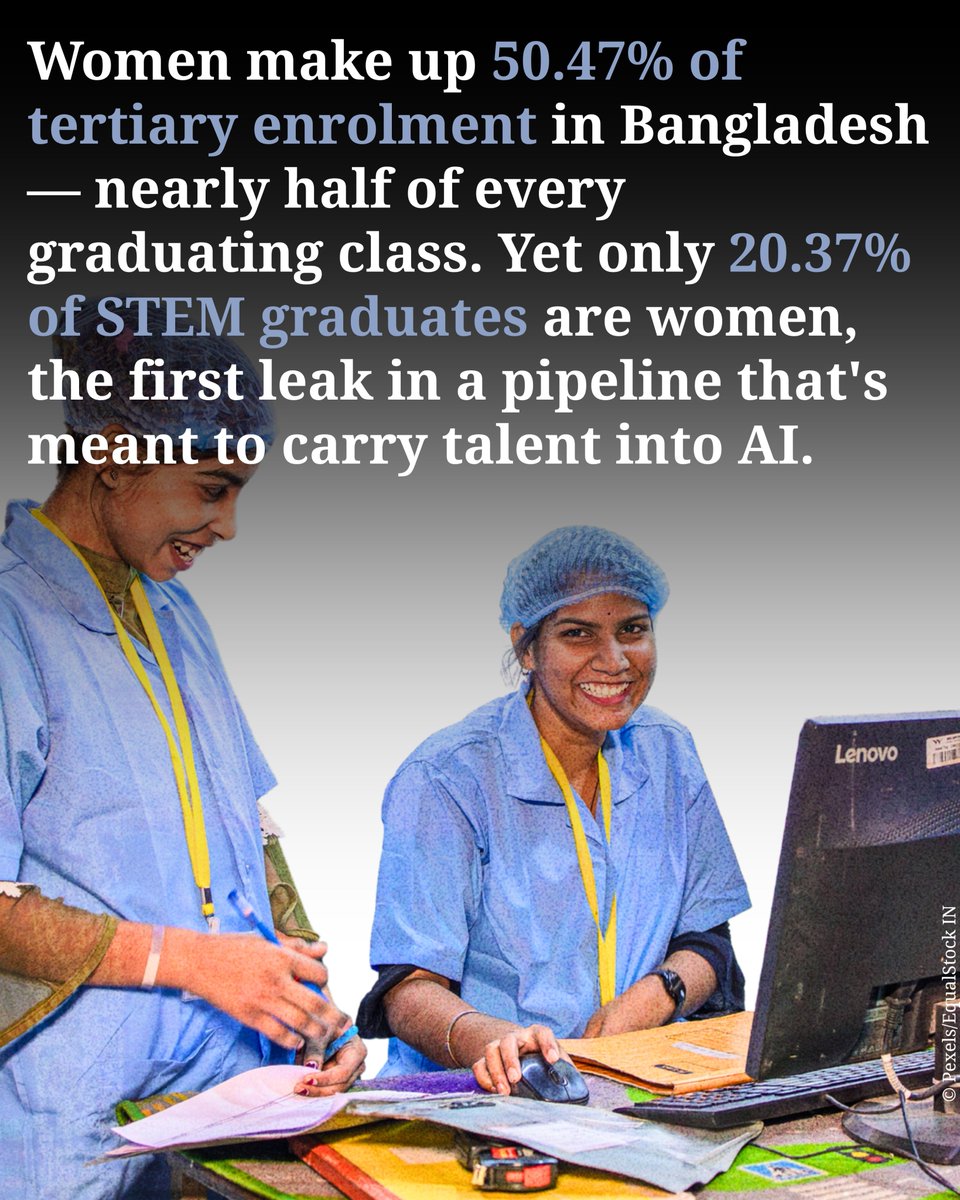
78% of university students in Maldives are women. Only 2% study science and technology.
The gap isn't at the door. It's further in.
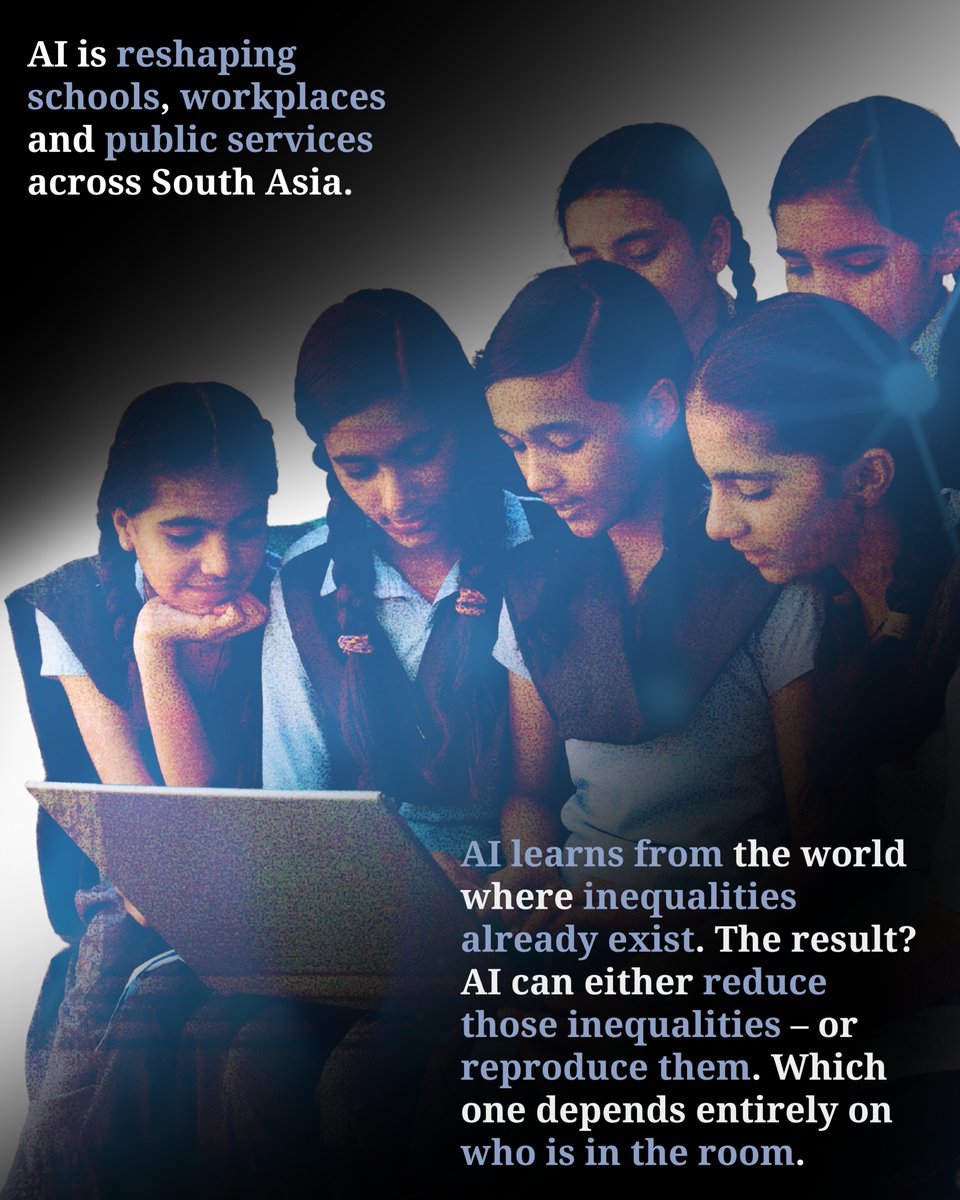
AI learns from the world where inequalities already exist. The result depends entirely on who is in the room.
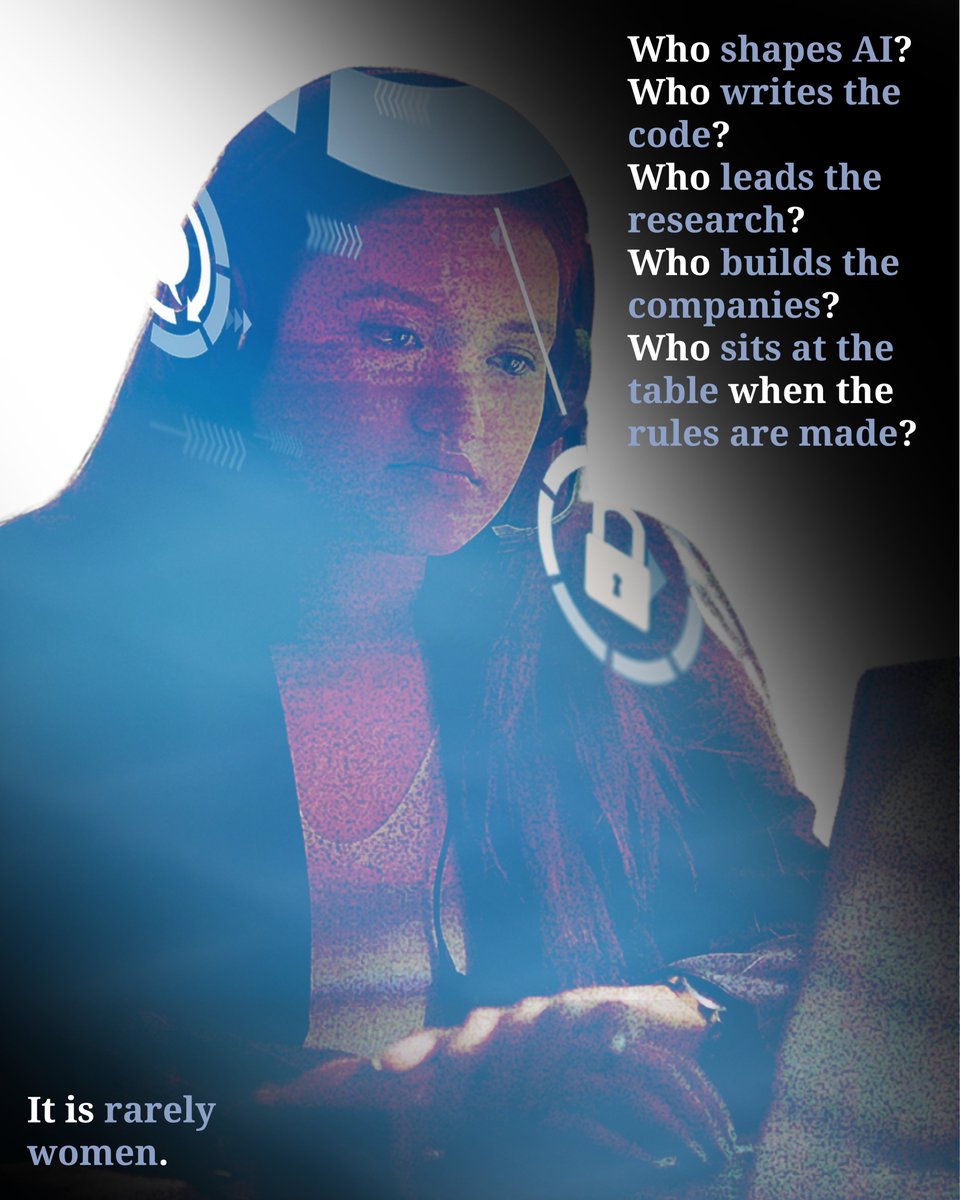
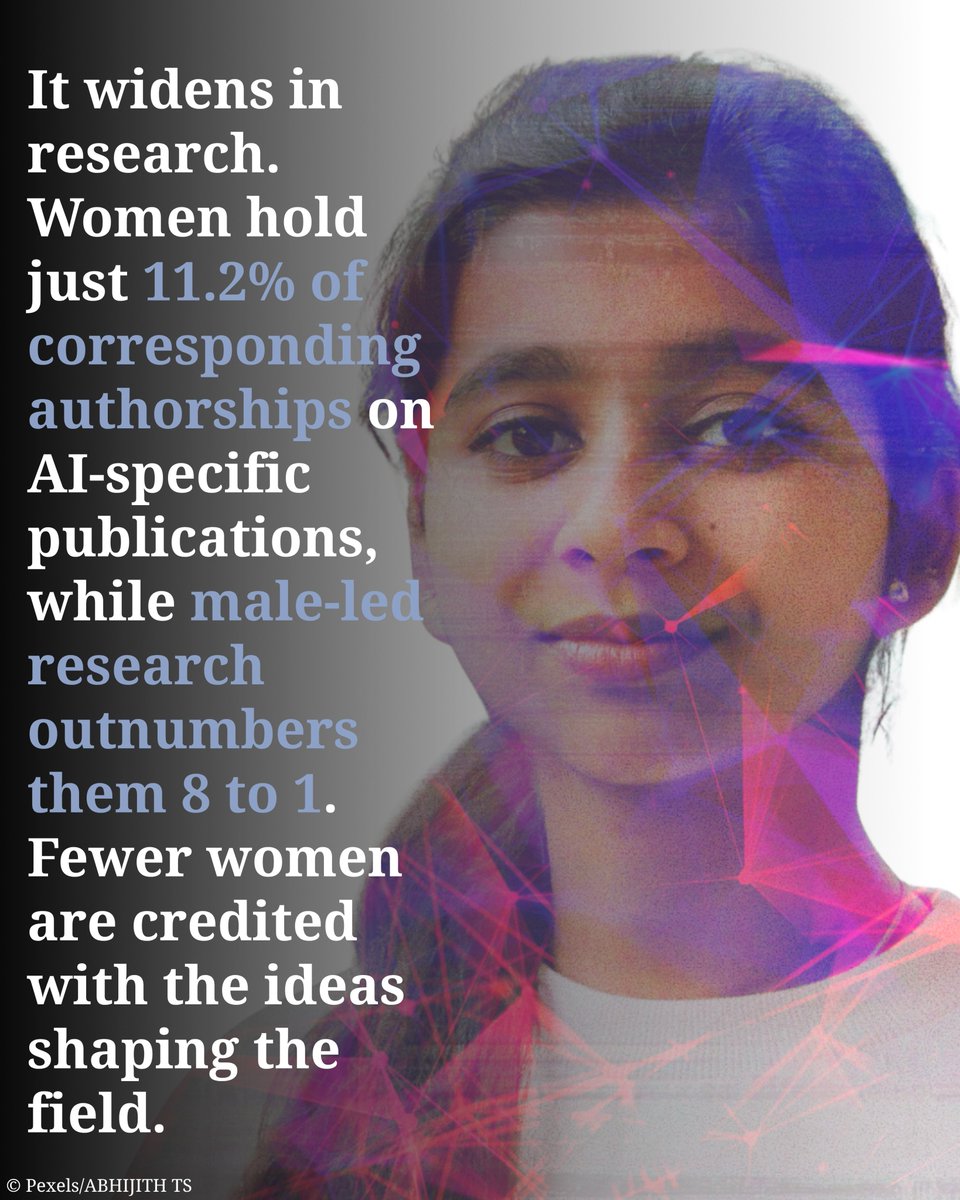
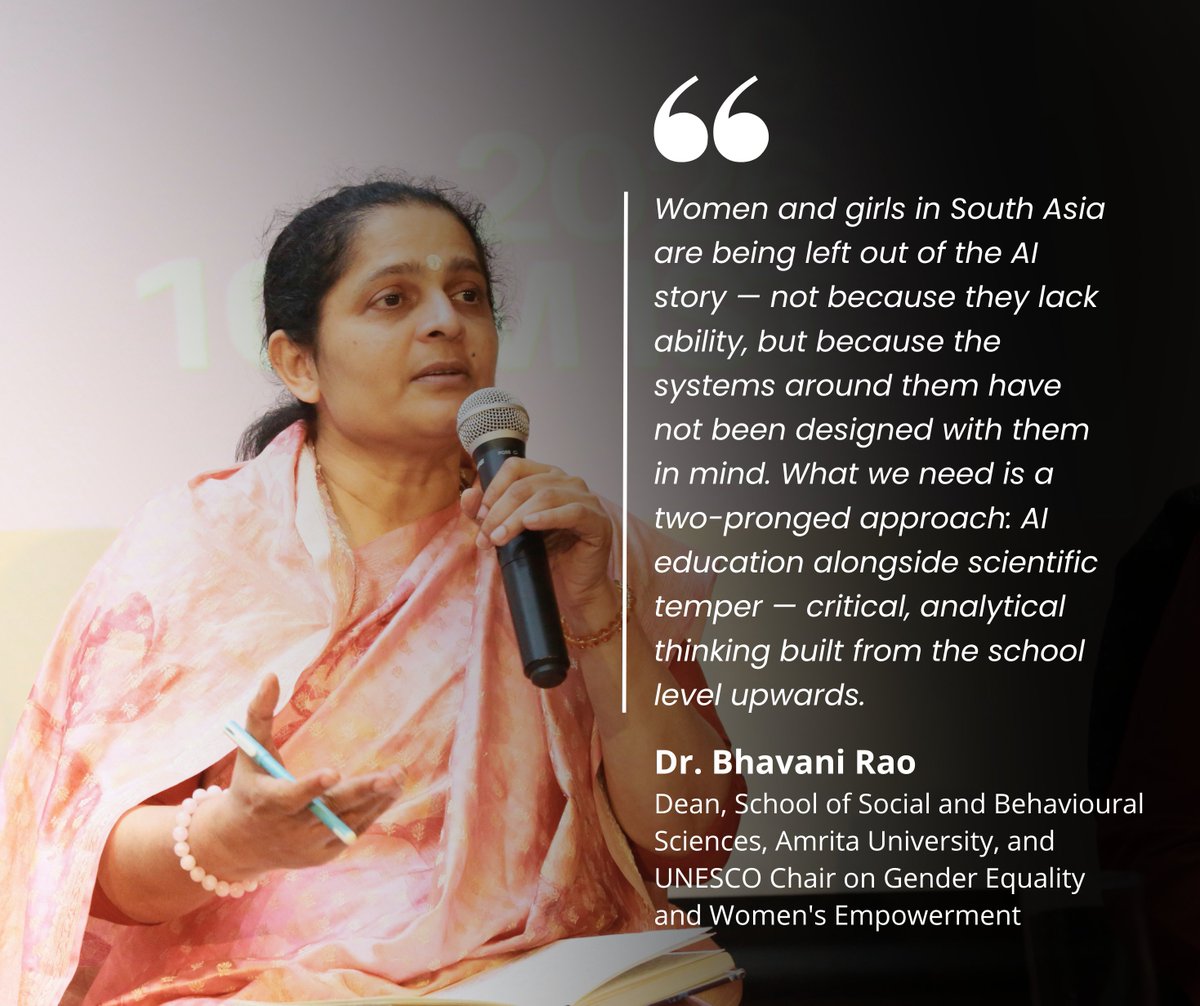
There are now more women in universities across South Asia than ever before. So why aren't they building AI?
The answer isn't a lack of talent or ambition. The data tells a different story.
Across the region, women's access to higher education has expanded significantly.
Closing the gender gap in AI isn't just about fairness, it's about building technology that reflects the needs, experiences and perspectives of everyone.
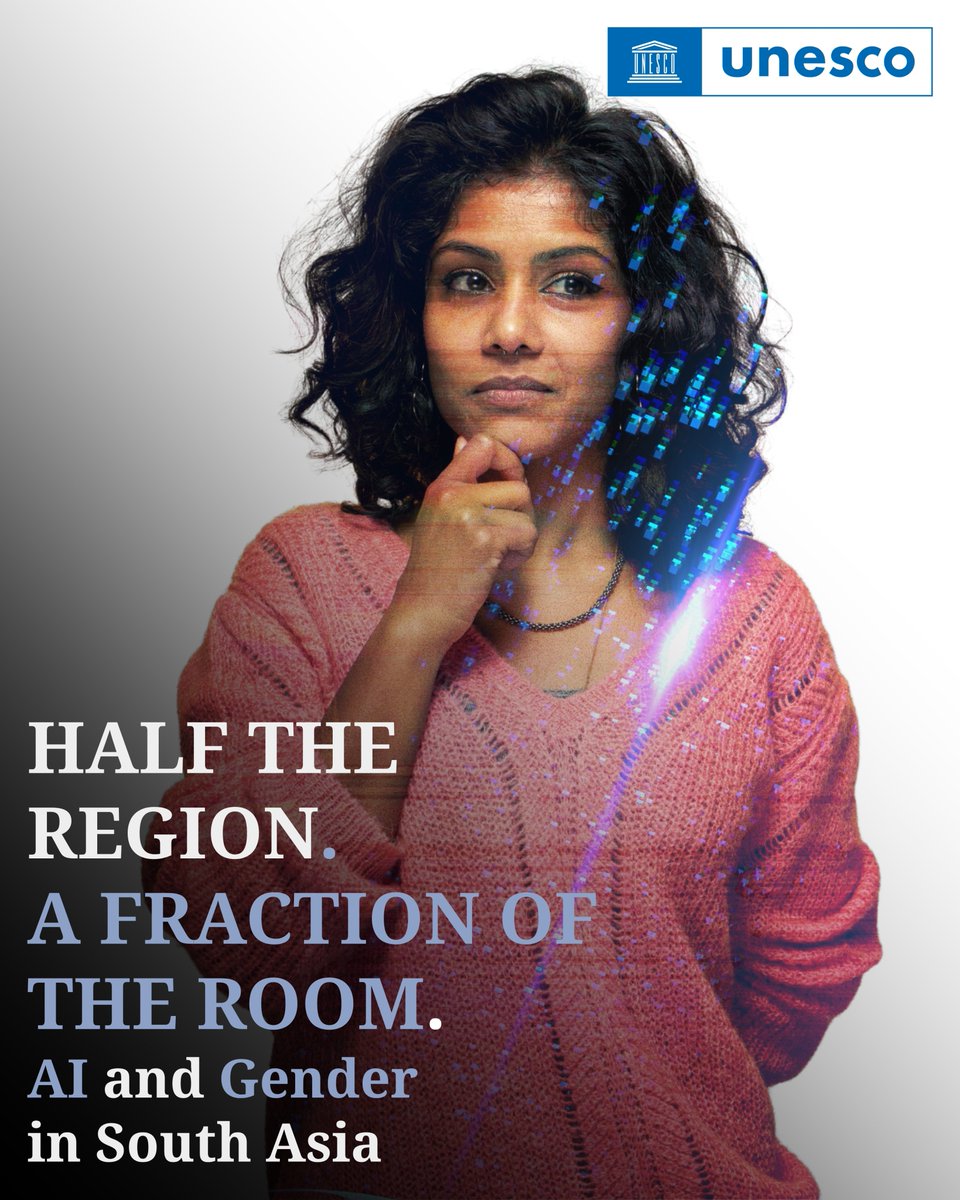
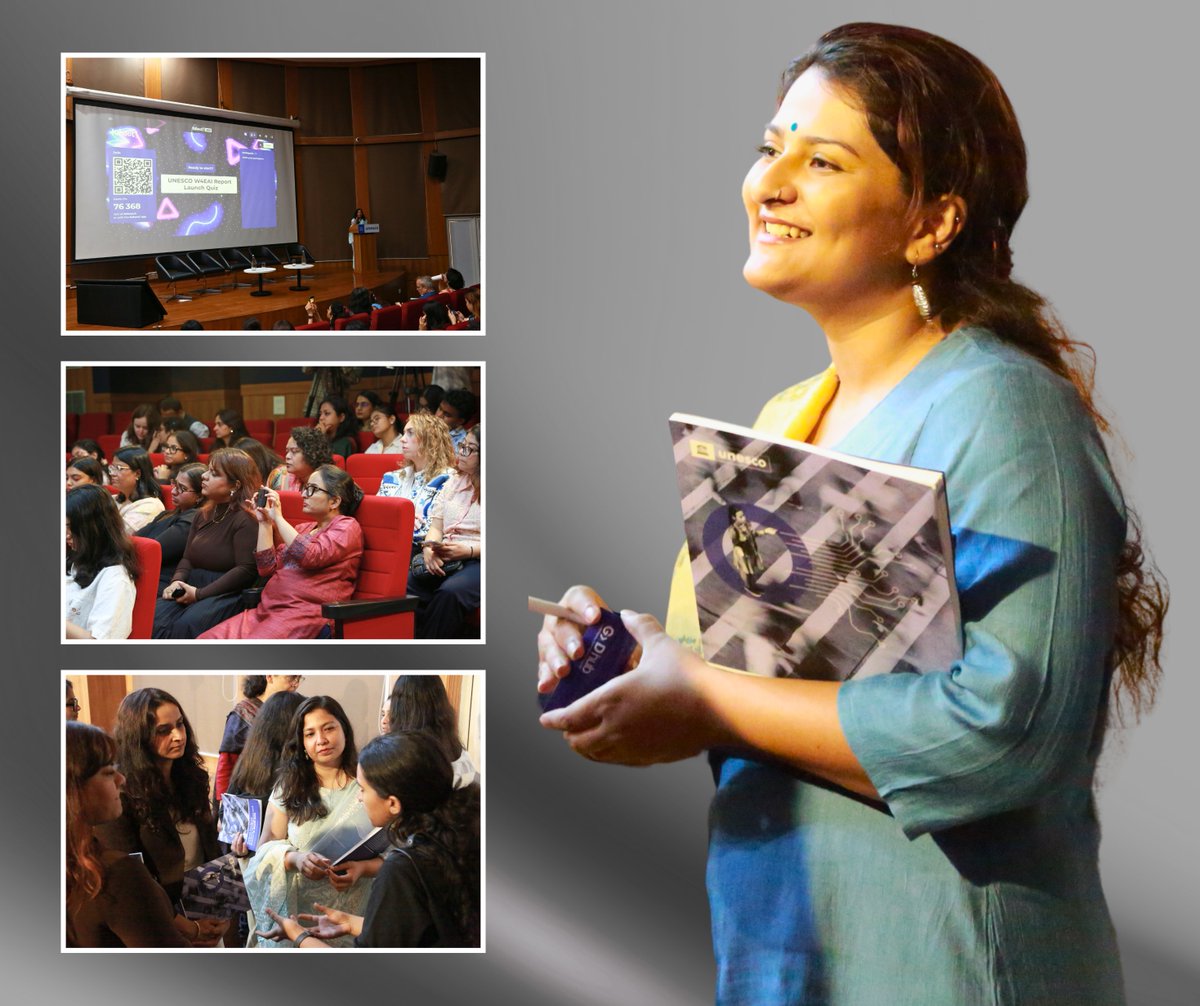
Launched today, UNESCO's Outlook Study on Artificial Intelligence and Gender in South Asia is the first regional assessment of women's participation in AI across Bangladesh, Bhutan, India, Maldives, Nepal and Sri Lanka.
📘 Outlook Study on Artificial Intelligence and Gender in South Asia
👩💻 Women are already contributing to AI across South Asia—but too few are shaping the decisions that define its future.
🤝 It's time to change who is in the room.
Ahead of the first United Nations Global Dialogue on AI Governance, Ambassador @EgriseldaL López of El Salvador, Co-Chair of the Dialogue, reflects on the need for a truly universal platform within the @UN system to bring these discussions together.
@UNESCO, together with the @ITU, is supporting the coordination of the joint secretariat of the Global Dialogue on AI Governance, bringing together governments and stakeholders for inclusive discussions on the future of AI governance.
Learn more: https://t.co/Xg7JTiUOcl
Today marks a significant milestone for Bangladesh’s digital transformation journey as it launches its Artificial Intelligence (AI) Readiness Assessment Methodology (RAM) report, developed jointly by UNESCO, the Government of Bangladesh’s ICT Division and a2i,...
Nearly half of all women leave the workforce within three years of starting their careers - often around marriage or motherhood.
The problem is real, but so is the AI-powered solution.
🎧 Listen to the podcast to learn how.
https://t.co/IQFNZt7zvQ
Diversity in India goes beyond gender, it is shaped by class, caste, region, access, and lived experience. True innovation will emerge when we address the needs of all of India, not just its urban centers.
Maldives becomes the first country in South Asia to complete the AI Readiness Assessment—now officially published by UNESCO!
A major step toward a responsible and inclusive AI future.
Read here: https://t.co/4X03mRs8dY
#AIReadiness#UNESCO#DigitalMaldives#NCIT#ResponsibleAI
Ms. Eunsong Kim, Chief of Social and Human Sciences at @UNESCO South Asia, shared her insights on the Maldives AI Readiness Report, highlighting both the promising aspects and the challenges the country must address on its path toward an AI-integrated future. #AIReadiness#NCIT