U.S. Transportation Secretary Sean Duffy today on autonomous vehicles:
“I want the technology to be developed in America. I want the rest of the world to use American technology. I don’t want to see a foreign competitor/foreign adversary/communist party beat America. This is a national security issue, an economic issue and a safety issue.”
There are a few things that I think people still continue to overlook when it comes to @Tesla's humanoid robot and robotaxi advantages (among other things):
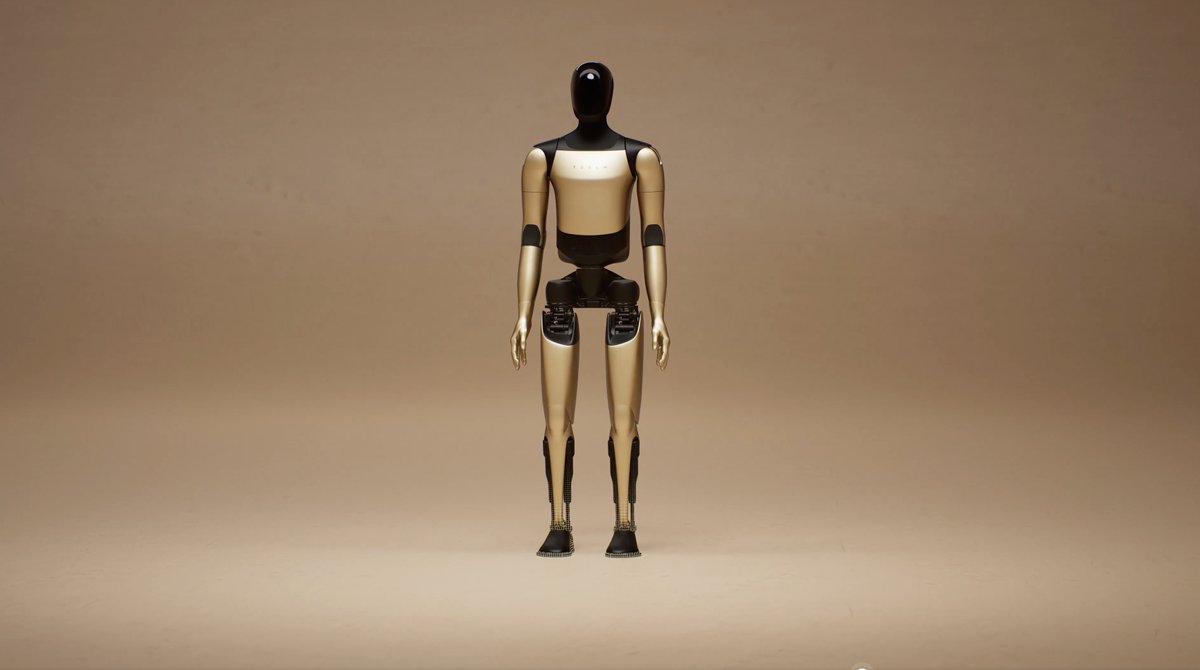
Optimus:
Optimus competitors in North America have little or no experience with in-house, large-scale manufacturing. While Tesla hasn't scaled a humanoid robot before, the company has a long history of scaling complex hardware, and Elon Musk likely knows more about manufacturing than anyone else on earth. That matters once Optimus moves from prototype stage to true volume production.
Tesla plans to convert existing Model S/X factory space to produce Optimus V3, which reduces CapEx, execution risk, and overall production costs by using an existing facility. Factory space in the Bay Area comes at a premium, and Tesla’s engineering HQ and Optimus team are already located there. Keeping early production nearby will allow faster iteration and problem solving. Combined with Tesla’s vertical integration, this will give them a strong scaling advantage.
Tesla will also have a real training advantage with their massive multi-billion data centers (Cortex 2, a 500MW data center at Giga Texas comes online in mid-2026), something competitors will have trouble keeping up with.
Flashy demo videos are fine, but will these humanoid robot startups be able make millions of these things profitably?
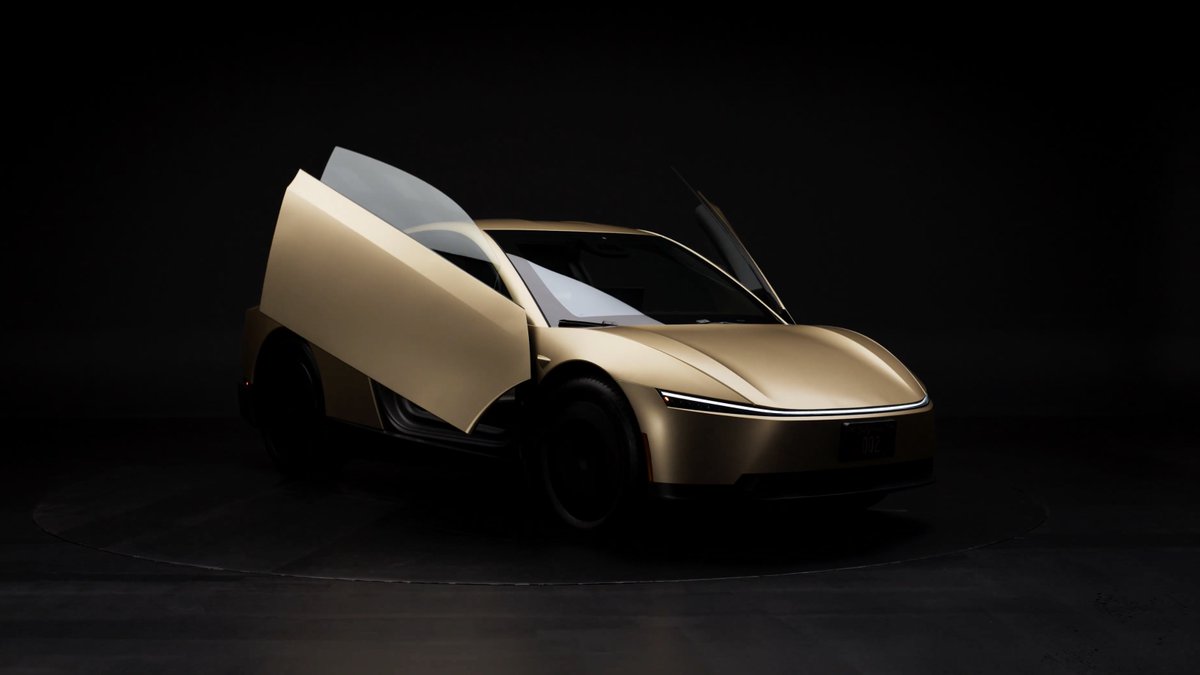
Tesla Cybercab:
First, beyond Tesla’s cost, data, and network advantages, the company already operates hundreds of service centers across North America. Competitors like Waymo don’t have that. This existing infrastructure allows Tesla to scale robotaxi fleets without worrying about how to service large numbers of vehicles.
Second, Waymo has zero in-house mass manufacturing capability, which means they'll have to outsource building their new gen-6 hardware robotaxis, putting them at an immediate cost disadvantage, even if they've been able to strip out a lot of cost vs gen-5. Waymo's lack of vertical integration will become a real issue in the near future. Waymo has more robotaxis on the road right now and operates in more locations, but I don't think that lead will last long.