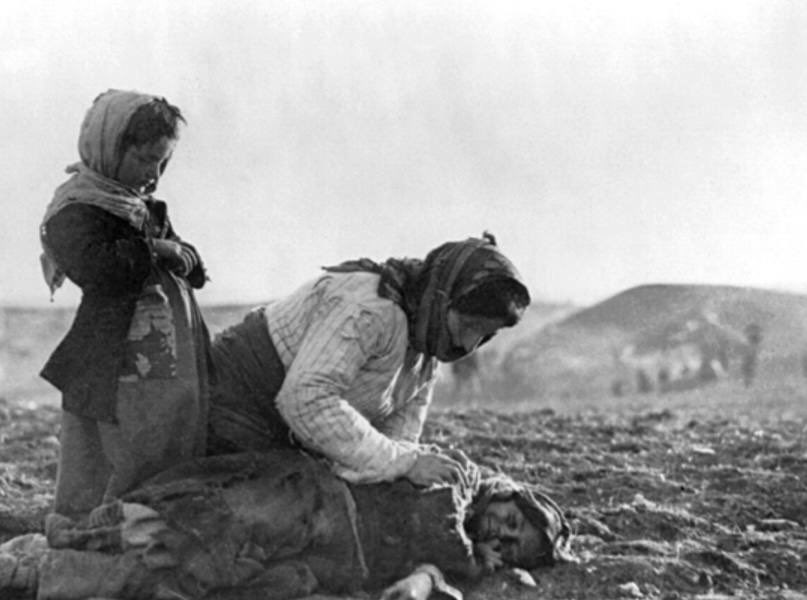
Under the cover of the First World War, the Ottoman Turks decided to exterminate the Christian Armenians.
1.5 million are believed to have perished in the Turk’s campaign of extermination.
This was the first genocide of the 20th Century.
Today we remember.
Never forget 🇦🇲✝️
Sorry, but if your religion allows women to be raped and sold in slave markets, maybe
it’s time to look at yourself in the mirror and realize your religion is not a religion of peace. It’s pure evil!
🚨 In Nigeria, Islamist terrorists are burying Christians alive.
Over 30k Christians are massacred every year there.
The UN, left-wing media, and leftists remain completely silent on this Muslim-on-Christian genocide.
Should we defend Christians around the world?
A. Yes
B. No
In Sudan, Islamist militias are forcing Christians and other civilians to dig their own graves — before executing or burying them alive.
Pure evil unfolding in silence.
Muslims in the UK pretend to be victims of “Islamophobia” while terrorizing the public and targeting Jews. This is how women and children are treated under Islam in Asia and Africa.
No one seems to care because Muslim leftists and Nazi journalists can’t blame Israel or use it to demonize Jews.
احتمالاً بعد از این توییت دستگیر میشم، ولی خب به درک.
با تمام احترامی که برای دوستان خوبم در ترکیه و مردم با اصالت این کشور قائلم، میخوام به شخص اردوغان بگم که تو یک بیشرف هستی!
من، به عنوان یک مهاجر ایرانی که در کشور تو سرمایهگذاری کردم، بهت میگم که تو یک خائن بیشرف و تروریست هستی.
وقتی جمهوری تروریستی اسلامی دهها هزار نفر از مردم میهنم رو در عرض دو روز قتلعام کرد، تو نه تنها ساکت نشستی، بلکه با تظاهرات ما مردمی که فقط میخواستیم صدای خفه شده مردم کشورمون باشیم، مخالفت کردی و با خشونت باهامون رفتار کردی.
خفه کردن ما کافی نبود، برای همین بعد از اون، تظاهرات حمایت از تروریست راه انداختی و علنا از قاتلان مردم ایران حمایت کردی.
حالا امروز که دوستان آمریکایی و اسرائیلی ما برای کمک به مردم ایران با این حکومت تروریستی در جنگن، تو عملیات نظامی ضدحکومتیشون رو «قتلعام» نامیدی و اسرائیل رو به حمله نظامی در صورت عدم توقف جنگ تهدید کردی!
ما خوب میدونیم که انقلاب ما پیروز میشه و نتیجه این جنگ به نفع مردم ایران خواهد بود، نه تروریستها و حامیان کثیفشون.
ولی این رو هرگز فراموش نکن که فردای پیروزی، ما ایرانیها ترکیه رو به زبالهدان تاریخ پرت میکنیم و این کشور برای همیشه حمایت تمام مردم ایران رو از دست خواهد داد.
تاریخ هرگز فراموش نخواهد کرد که ترکیه به رهبری رجب طیب اردوغان، چشمش رو روی حقیقت بست، به مردم ایران خیانت کرد و انسانیت رو فدای یهودیستیزی و بوسه زدن به پای تروریستهای مسلمان کرد.
سپاس از نتانیاهو و ترامپ عزیز برای کمک به نابودی جمهوری تروریستی اسلامی.
#جاوید_شاه تا ابد و یک روز 🇮🇷
#IranMassacre
#ErdoğanTerrorist
Potamiaena
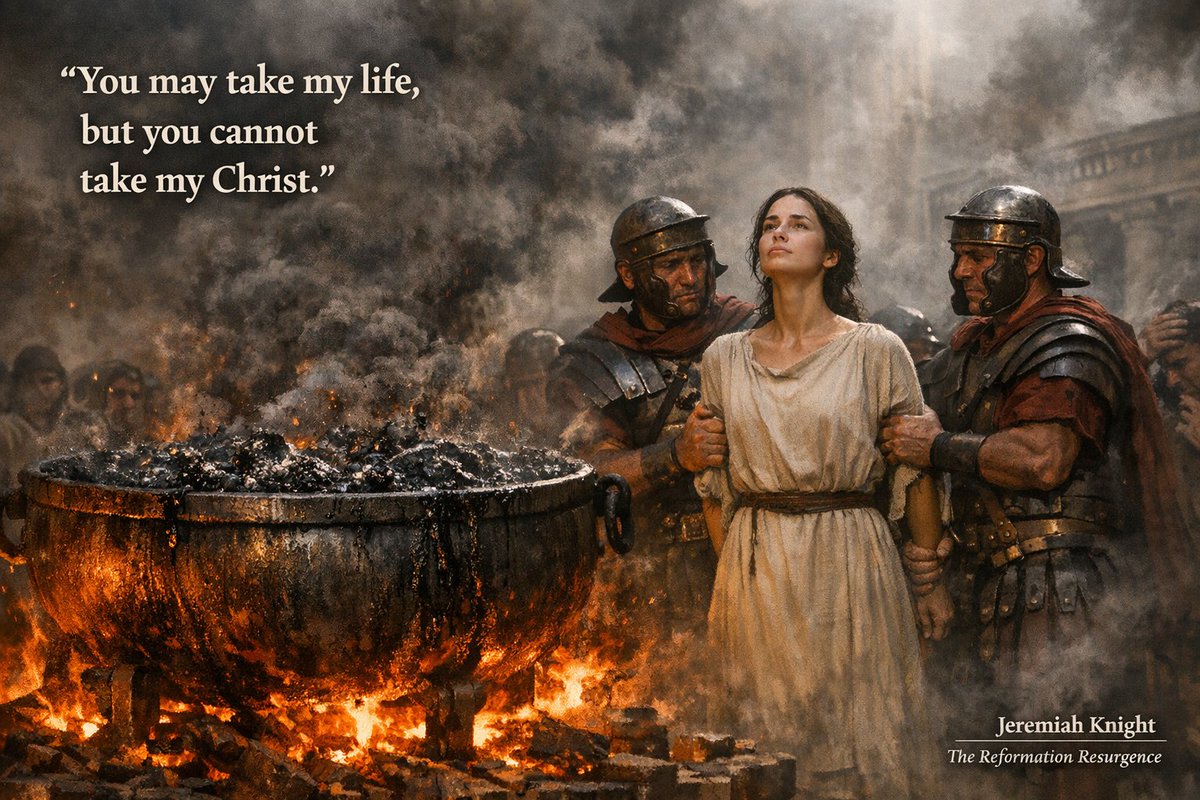
In the early third century, when Christianity was still considered a dangerous superstition within the Roman Empire, Alexandria became one of the fiercest centres of persecution. Under Emperor Septimius Severus around AD 202–203, believers were hunted, interrogated, and executed publicly to discourage others from following Christ. Among those brought before Roman authority was a young Christian woman named Potamiaena, remembered not for position or learning but for an unwavering confession.
Her beauty had already drawn the attention of corrupt men and when she refused both their advances and their idols, admiration quickly turned into fury. What began as desire became hatred and the authorities chose a death designed not only to punish faith but to break dignity itself. Punishment was designed not only to kill but to warn. Christianity had to appear weak. Its followers had to appear broken.
Eusebius of Caesarea, writing in the early fourth century and preserving earlier Alexandrian testimony, records her story in Ecclesiastical History (Book VI, Chapter 5). According to his account, Potamiaena was condemned to a death intended to inspire terror. A large vessel was prepared, filled with boiling pitch or tar, heated until its fumes alone could suffocate a person standing nearby. The execution was not immediate. She was lowered slowly into the burning substance, prolonging suffering so that the spectacle itself would serve as Rome’s message to the watching crowd.
A soldier named Basilides was assigned to escort her through the mob. Eusebius notes that he restrained those who attempted to abuse or insult her along the way, maintaining order as she was led to execution. During this final walk, Potamiaena spoke quietly to him and promised that she would pray for him. Nothing in the moment suggested that her words would matter. She was a condemned prisoner. He was a Roman guard carrying out orders.
The execution proceeded as sentenced. Potamiaena did not deny Christ.
Within a short time, Basilides himself underwent a change that startled those around him. When required to swear by pagan gods as part of military duty, he refused. Questioned about his sudden refusal, he declared openly that he had become a Christian. For this confession he was imprisoned and soon executed, joining the same company of martyrs Rome had tried to erase.
The historical weight of this account does not rest in spectacle but in continuity. The empire possessed courts, soldiers, and instruments of death. The Christians possessed only conviction grounded in the risen Christ. Yet again and again in early church history, the attempt to extinguish faith produced new witnesses instead. The death meant to silence one believer became the means by which another openly confessed Christ before the same authorities.
Potamiaena’s story survives not because Christians glorified suffering, but because they believed Christ was worth more than life itself. Her endurance reflects the words of Scripture lived out under pressure: “Do not fear those who kill the body but are unable to kill the soul” (Matthew 10:28). The empire sought compliance through fear, yet the early church grew through men and women who believed that death could not separate them from the love of God in Christ Jesus (Romans 8:38–39).
Her name remains preserved in the historical record through Eusebius, not as legend but as testimony to a period when faith was measured publicly and often violently. Rome intended her death to discourage belief. Instead, her witness helped produce another martyr and strengthened the memory of a church that understood discipleship as costly obedience rather than cultural belonging.
Source - Eusebius of Caesarea, Ecclesiastical History, Book VI, Chapter 5 (early 4th century), preserving earlier Alexandrian accounts of the persecution under Septimius Severus.