🧬 Compare ML training using Foxglove 🧬
If you build or debug autonomous indoor robots, you know these pain points all too well:
1. A tidal wave of sensor logs (lidar, ultrasound, odometry, battery → tens of thousands of rows per run).
2. No fast way to prove your latest ML tweak actually nailed it.
The “Comparing ML Training with the Foxglove SDK” tutorial solves both:
• Convert raw CSV → MCAP in seconds
• Scrub through runs, overlay 3D paths, and plot metrics (time-to-goal, speed, battery) with a couple clicks
Imagine 512 runs—each two to five minutes long—captured in ever-changing corridor layouts. Every run logs at 10 Hz the full 360° lidar sweep (min and max distances), left/right ultrasonic ranges, precise (x, y, θ) poses, plus battery percentage and a smoothness score that tells you how “jerky” the path was. Oh, and at the end of each trial you get a clean label: success, collision, partial, or timeout.
Because it’s all time-synchronized, you can scrub through a collision run and literally watch your robot veer off course the moment a lidar reading spikes or the battery sags. Then, with one script call, you can color-code successful runs green, collisions red, and bring it all to life in the 3D panel.
But the real magic happens when you visualize an XY plot of time-to-goal, overlaid paths in three dimensions, stacked speed traces… it’s everything you need to compare “before” and “after” your model tweak in seconds.
Ready to dive in? Check out the full tutorial https://t.co/MUX65wi37r
No te pierdas esta oportunidad en la próxima edición de la ROSCON 🇪🇸España 🇪🇸 2024 en Sevilla el 19 de septiembre. @rosconspain
👉 https://t.co/0wsY2dTHEw
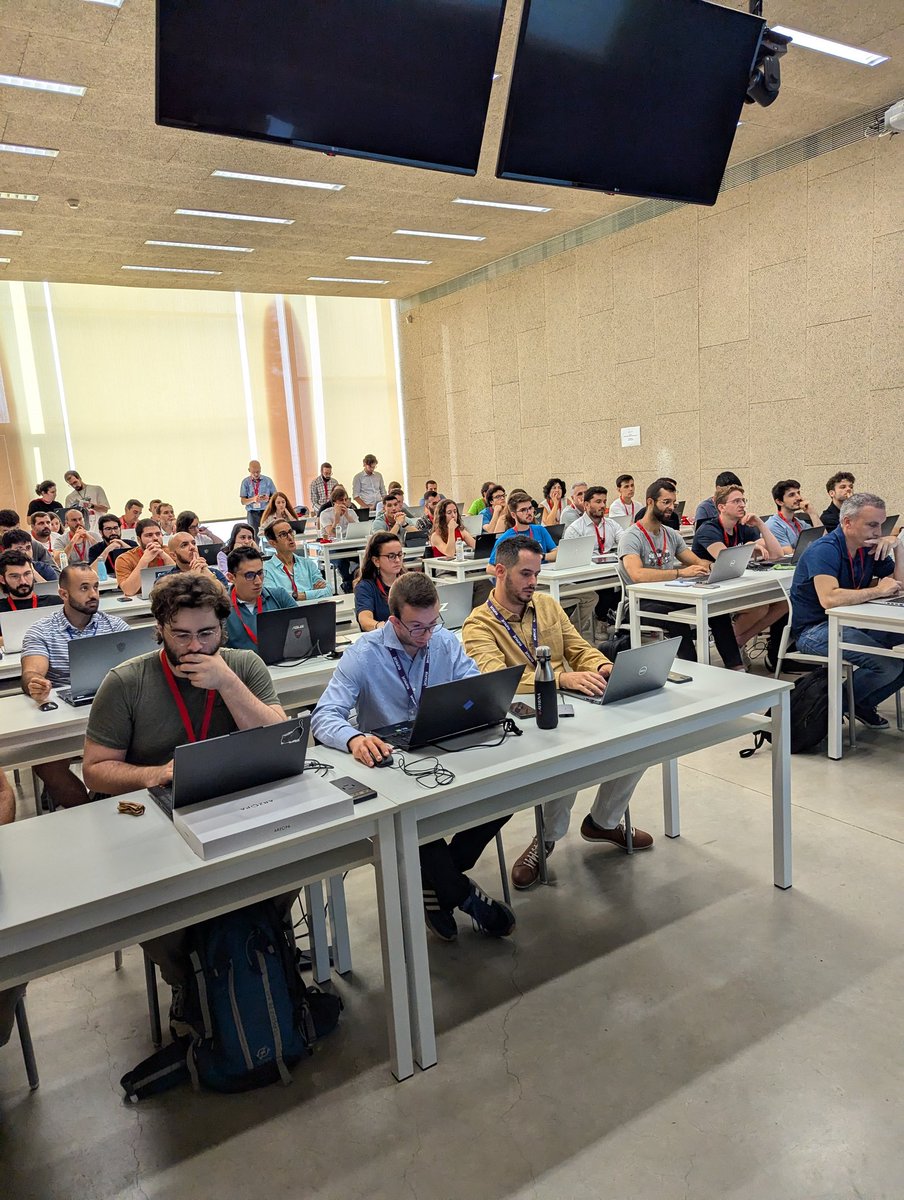
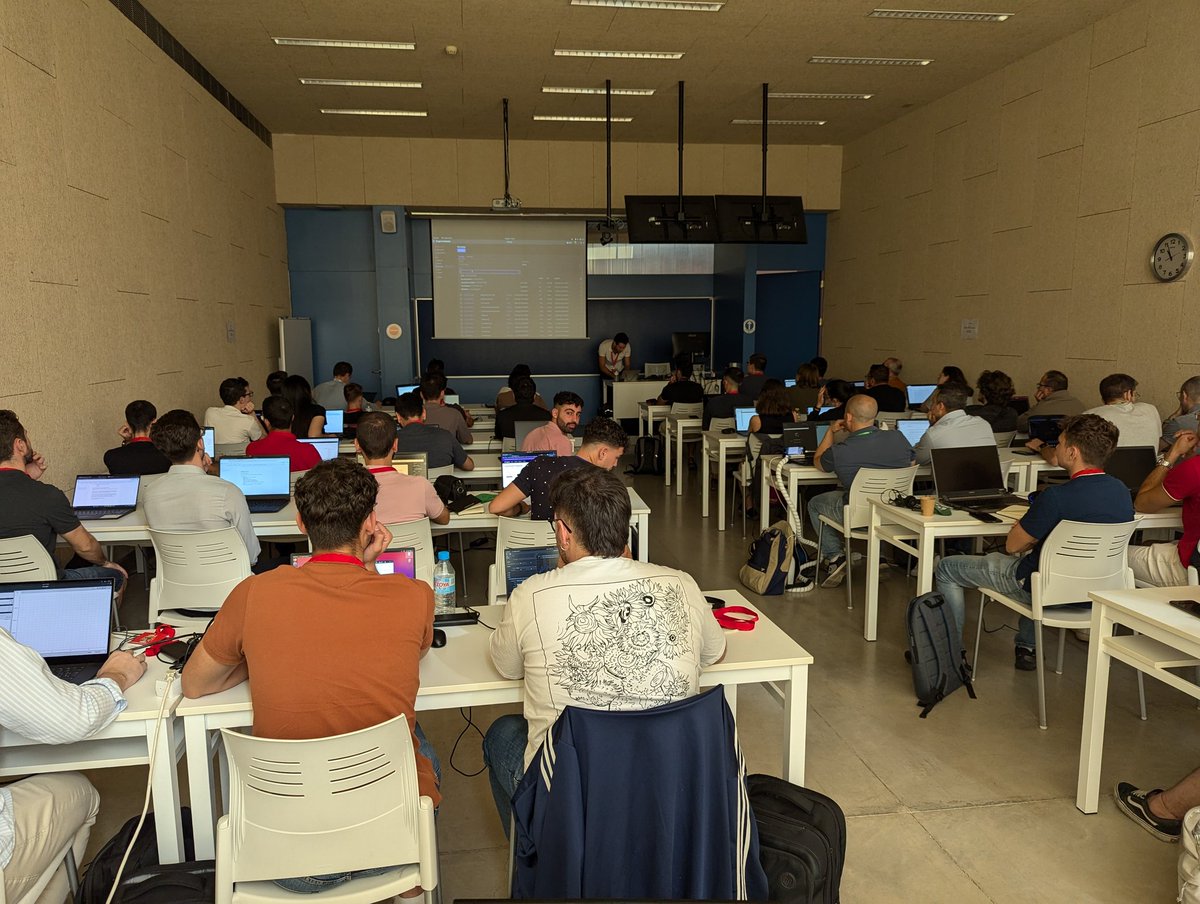
¡Próximamente tendrá lugar un taller donde podrás aprender a sacar el máximo rendimiento a Foxglove, el visualizador para robótica de última generación con integración en la nube, eventos y mucho más! Enseñaremos como se puede acelerar el desarrollo en robótica empleando Foxglove. Para que puedas entender mejor cómo funciona, puedes traer tus propios rosbags para usar Foxglove según tus necesidades.
Puedes compartir el rosbag de dos maneras. Desde hoy mismo mandando un correo a [email protected], con el rosbag adjunto o con un enlace para descargarlo al email; o el día del taller en el aula donde tendrá lugar. Agradeceremos una breve descripción del rosbag para poder tener lista la mejor visualización para cada caso. Ten en cuenta que si recibimos los rosbags con antelación podremos preparar mejor el taller.
También responderemos a cualquier duda respecto al taller en ese mismo correo.
¡Te esperamos!
Nota: Foxglove no compartirá la información ni el rosbag con terceros salvo previa autorización por escrito de la entidad que lo comparte.
September 19 y 20: Saca el máximo partido a Foxglove empleando tus propios datos!"
En este taller, trabajaremos con rosbags compartidos por ti y la comunidad para mostrar casos de uso reales donde aprenderemos cómo Foxglove puede aumentar tu productividad y la de tu equipo.
Nav2 is fully built around #ROS 2 and is considered one of the most important frameworks in ground robotics. It was originally created by Steve Macenski and is now maintained by his company, Open Navigation LLC.
Check out this blog to learn how Nav2 works 🗺️
🗓️Recuerda: abierta propuesta de charlas y talleres para #ROSConES2024 hasta el 15 de junio
🚩Entra en https://t.co/C32kncyghN y propón tu charla/taller. Sin paper! Solo descríbela
📍Nos vemos la comunidad #ROS en español en Sevilla el 19 y 20 de septiembre!
@OpenRoboticsOrg
#ROS 2 Humble introduced the concept of lifecycle nodes, a new type of node that can be managed through 4 states and ultimately provide roboticists finer-grained control of their #robotics systems.
With our latest tutorial, you can learn how lifecycle nodes work, understand their use cases, and see them in action with Foxglove visualizations: https://t.co/deBxfQCTri
@OpenRoboticsOrg@rosorg #ROS2 #Robots #OpenSource #DataVisualization
Learn how to install #ROS2 Iron Irwini in our latest tutorial on the Foxglove blog!
Check out the new features that come with this release – including the ability to record MCAP files by default and to send ROS 2 message types over the wire.
https://t.co/BwpuTETzsm
@OpenRoboticsOrg@rosorg #Robotics #ROS #OpenSource
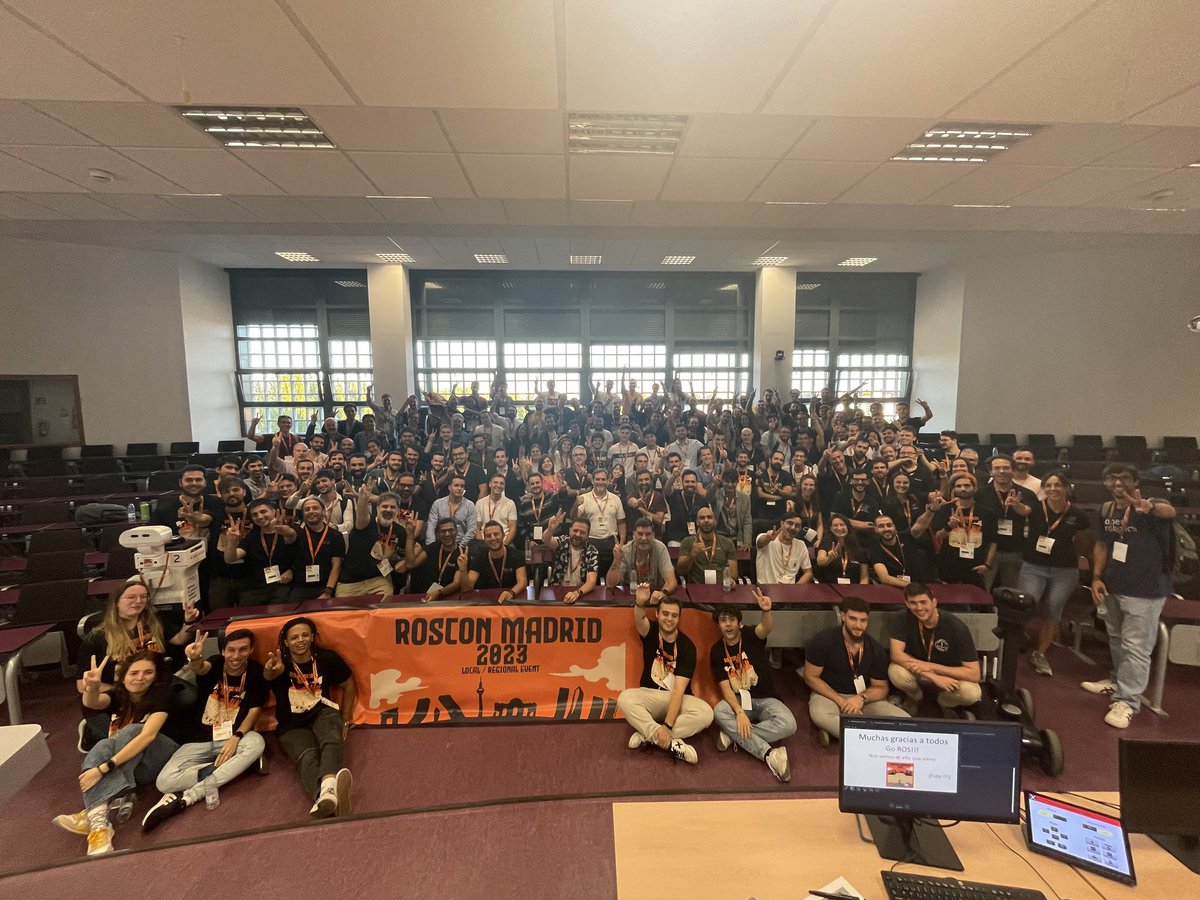
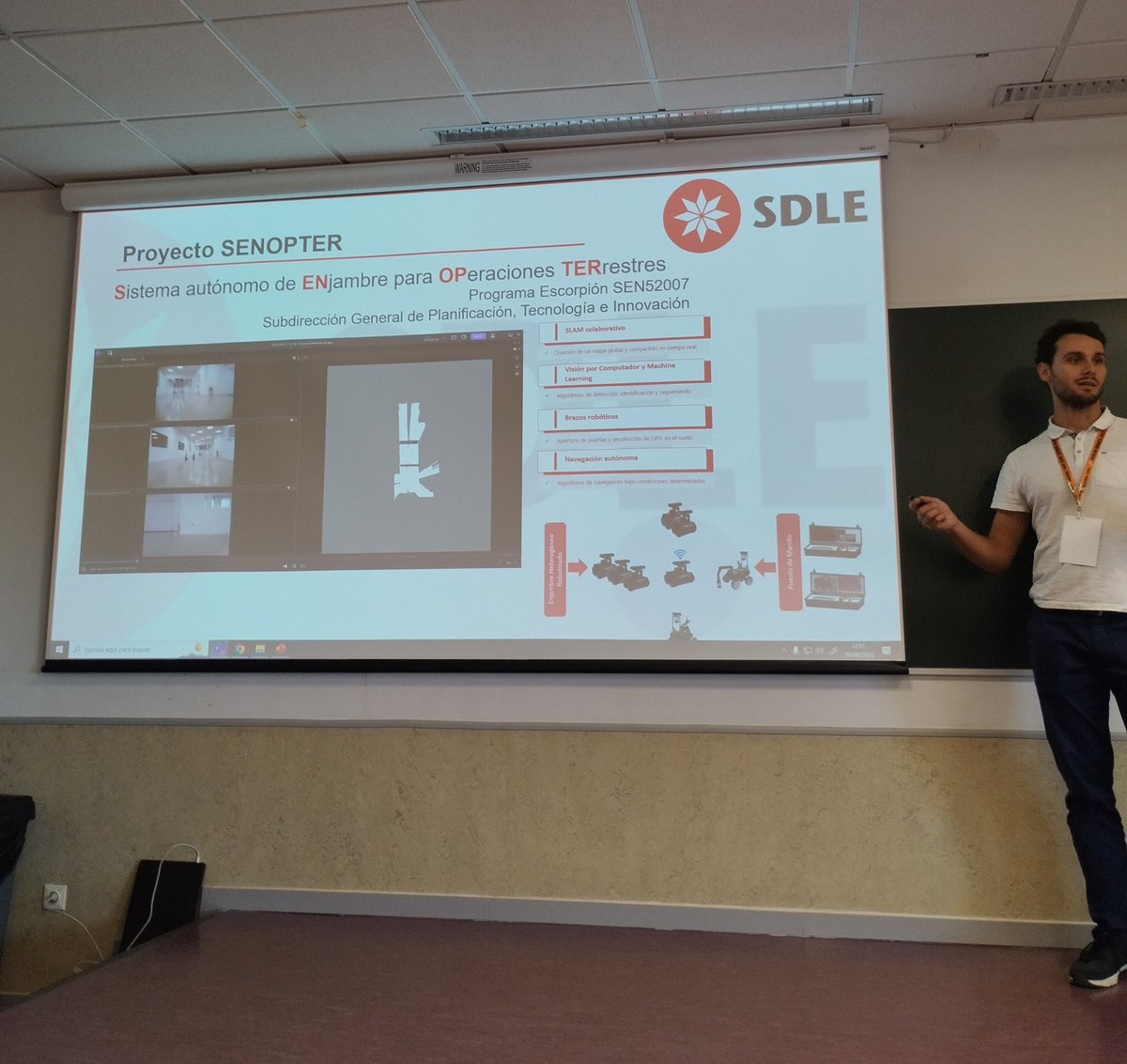
Qué ilusión ver nuestro proyecto Senopter en la #ROSConMadrid2023, coordinado por SDLE y en el que participamos @UAM_Madrid y @La_UPM.
Ya llevamos año y medio de trabajo en el proyecto con algunos logros y también algunas pesadillas. 😅
Check out @Collabora's latest blog post to see how their team has been using Foxglove Studio's #DataVisualization panels to achieve reliable #OpenSource 3D perception ✨
We've seen many real-world applications for Foxglove Studio, but mapping glaciers has to be one of the coolest ❄️
We sat down with PhD student Max Polzin to chat about his team's intrepid #ROS robot.
https://t.co/w2jww7z2vH
@OpenRoboticsOrg@rosorg#Robotics#Robots#OpenSource
In #ROS 1, we can publish static & mobile transforms to situate our robots in relation to their environment 📍
Learn how to visualize, edit, & debug these transforms in Foxglove Studio to accelerate your development 🔍
https://t.co/nEkx5KRxnc
@OpenRoboticsOrg@rosorg#Robotics