FOR IMMEDIATE RELEASE
International Human Rights Foundation (IHRF) Condemns Shameful Life Sentence for Dr. Mahrang Baloch and Sibghatullah Shah by Pakistani Authorities
The Hague, The Netherlands – June 23, 2026 – The International Human Rights Foundation (IHRF) expresses its strongest condemnation regarding the reprehensible life sentence handed down by a Pakistani Anti-Terrorism Court to prominent human rights defender Dr. Mahrang Baloch and her colleague, Sibghatullah Shah .
This verdict is a blatant miscarriage of justice and a devastating blow to the rule of law in Pakistan. Dr. Baloch, a leader of the Baloch Yakjehti Committee (BYC), has been a fearless and peaceful voice for the Baloch people, courageously campaigning against enforced disappearances, extrajudicial killings, and state repression in Balochistan . Her only crime is her dedication to exposing grave human rights violations .
The IHRF is deeply alarmed by the egregious procedural irregularities and denial of due process that characterized this “secret trial” . A proceeding that denies the accused the right to effectively cross-examine witnesses or present a proper defense, held in a “faceless court” on jail premises, cannot be considered a legitimate judicial process . This is not justice; it is a politically motivated weaponization of the judicial system to silence dissent and intimidate human rights defenders .
We echo the calls of Amnesty International and other international bodies, who have condemned this verdict as an affront to the right to a fair trial . The state’s cynical misuse of anti-terrorism laws to prosecute peaceful activism represents a dangerous escalation in the crackdown on fundamental freedoms in Pakistan .
The IHRF urges the Government of Pakistan to immediately and unconditionally release Dr. Mahrang Baloch and Sibghatullah Shah, and to ensure their safety and well-being.
We call upon the international community, including the United Nations Human Rights Council, to:
1. Denounce this injustice and place Pakistan under close scrutiny for its escalating human rights violations.
2. Demand transparency in all legal proceedings against human rights defenders and a full investigation into the circumstances of this case.
3. Pressure Pakistani authorities to cease the persecution of peaceful activists and uphold their international obligations regarding due process and fundamental rights.
The IHRF stands in solidarity with Dr. Mahrang Baloch, Sibghatullah Shah, and all peaceful activists in Pakistan who risk their lives for justice and human dignity.
This verdict, which is an affront to the right to a fair trial, demonstrates how Pakistan’s anti-terrorism laws are being cynically misused to silence peaceful dissent.
https://t.co/X2cpyNzCG0
Faceless trials. Predetermined verdicts. Life sentences for voices that refused to bow.
Today, Mahrang Baloch and Sibghatullah Shahji have been punished not for crimes, but for courage.
Mahrang Baloch Zindabad.
Sibghatullah Shahji Zindabad.
Imaan Mazari Zindabad.
Hadi Ali Chattha Zindabad.
History does not remember those who signed unjust verdicts. It remembers those who stood against them.
#MazahamatZindabad #MahrangBaloch
#SibghatullahShahjee
#BYC #Balochistan
PAKISTAN: Today marks 150 days of unlawful imprisonment of human rights lawyers Imaan Mazari and Hadi Ali Chattha, simply for their social media posts.
Five months on, despite repeated attempts by their legal counsel, their appeal has not been heard yet. The delay in the appeal hearing is in stark contrast to the haste during their trial, which had several procedural irregularities as they were denied substantial time to cross-examine key witnesses against them.
📢 Call for their immediate and unconditional release.
✊ Take action NOW: https://t.co/GSIPYBLnLz
#ReleaseImaannadHadi
آج جیل میں ہمارے دھرنے کا آٹھواں دن ہے۔ اس دھرنے میں بیبرگ بلوچ، بیبو بلوچ، گلزادی بلوچ اور صبغت اللہ بلوچ شامل ہیں۔ جیل کے اندر یہ ہمارا پانچواں دھرنا ہے، تاہم یہ پہلا دھرنا ہے جو 192 گھنٹوں سے جاری ہے۔
13 جون کو جب ہمیں پیشی کے لیے جیل سپرنٹنڈنٹ کے کمرے میں لے جایا گیا تو وہاں ہمیں معلوم ہوا کہ ہمارے مقدمات کو فیس لیس ٹرائل میں منتقل کیا جا رہا ہے۔ اس فیصلے کے خلاف ہم نے فوری طور پر احتجاج کیا اور اپنے بیرکوں میں واپس جانے سے انکار کر دیا۔ تب سے ہم جیل کے احاطے میں اپنا پرامن دھرنا جاری رکھے ہوئے ہیں۔
اس دھرنے نے ہماری مزاحمتی جدوجہد کی بے شمار یادوں کو تازہ کر دیا ہے۔ سردی ہو یا گرمی، ریاستی تشدد ہو یا پابندیاں، ہم نے ہر مشکل گھڑی میں اپنے عوام کے ساتھ کھڑے ہونے کی کوشش کی ہے۔ وہ تمام چہرے، جو جبری گمشدگیوں، قتل و جبر اور مسلسل ریاستی تشدد کے باوجود ثابت قدم رہے، آج بھی ہماری یادوں میں زندہ ہیں۔ ہم نے اماں حوری، لمہ زرگل ، ادی مہر جان اور ان تمام ماؤں کو یاد کیا جنہوں نے اپنے پیاروں کی جدائی کے باوجود ہمت اور استقامت کا دامن ہاتھ سے نہیں چھوڑا۔
اسی طرح راجی مچی اور 22 مارچ کوئٹہ دھرنے کے وہ تمام مناظر بھی ہمارے سامنے آگئے، جب پرامن مظاہرین پر طاقت کا استعمال کیا گیا۔ یہ تمام یادیں محض ماضی کے واقعات نہیں بلکہ ہماری اجتماعی مزاحمتی یادداشت کا حصہ ہیں۔ یہی یادداشتیں ہماری اصل وراثت ہیں، ایک ایسی وراثت جسے کوئی ریاست، کوئی جبر اور کوئی قید ہم سے چھین نہیں سکتی۔
ہمارے دھرنے کے دو بنیادی مطالبات ہیں: اول، ہمارے مقدمات کی سماعت اوپن کورٹ میں کی جائے؛ دوم، انسدادِ دہشت گردی عدالت کے جج محمد علی مبین کا تبادلہ کیا جائے۔
ہمیں ابتدا میں 3MPO کے تحت حراست میں لیا گیا، اس کے بعد اٹھہتر دن تک ریمانڈ پر رکھا گیا۔ 11 اکتوبر سے ہمارے جیل ٹرائل کا آغاز ہوا، اور اب 12 جون کو چیف سیکریٹری کے ایک نوٹیفکیشن کے ذریعے ہمارے مقدمات کو فیس لیس ٹرائل میں منتقل کرنے کی کوشش کی جا رہی ہے۔
ایسے حالات میں یہ سوال ناگزیر ہو جاتا ہے کہ کیا اب بھی یہ دعویٰ کیا جا سکتا ہے کہ اس ملک میں قانون جمہوری اصولوں کے مطابق چل رہا ہے؟ کیا بلوچ کو واقعی اپنے دفاع کا حق حاصل ہے؟ جب مقدمات کی شفاف سماعت کے بجائے ایسے طریقہ کار اختیار کیے جائیں جو ملزمان اور ان کے وکلاء کو مزید محدود کر دیں، تو انصاف کی فراہمی کے دعوے اپنی معنی کھو دیتے ہیں۔انسدادِ دہشت گردی کے قانون میں حالیہ ترامیم نے صورتحال کو مزید تشویشناک بنا دیا ہے۔ بلوچستان اسمبلی کی جانب سے منظور کی گئی تبدیلیوں کے تحت محض شک کی بنیاد پر کسی بھی فرد کو طویل مدت تک قید رکھا جا سکتا ہے۔ انہی قوانین کے تحت نام نہاد انٹرنمنٹ یا ڈیٹنشن مراکز میں میرے کزن سیف اللہ سمیت سینکڑوں بلوچ نوجوانوں اور خواتین کو قید رکھا گیا ہے۔ ایسے حالات میں یہ سوال پہلے سے زیادہ اہم ہو جاتا ہے کہ قانون کا مقصد شہریوں کے حقوق کا تحفظ ہے یا ریاستی طاقت کو مزید وسعت دینا؟
ہمارے مقدمات کے دوران عدالتی عمل کے کئی ایسے پہلو سامنے آئے جنہوں نے ہمارے خدشات کو مزید گہرا کیا۔ ایک پیشی کے دوران بلوچستان کے پراسیکیوٹر جنرل خود کمرۂ عدالت میں موجود تھے اور جج پر زور دے رہے تھے کہ مقدمات کو تیزی سے چلایا جائے اور روزانہ کی بنیاد پر سماعت کی جائے تاکہ جلد از جلد فیصلے سنائے جا سکیں۔ اس موقع پر جج نے انہیں جواب دیا کہ مقدمات کا فیصلہ ان کے نہیں بلکہ ریاست کے ہاتھ میں ہے۔
اس سے قبل انہی نوعیت کے متعدد مقدمات میں ہمیں ضمانتیں دی جا چکی تھیں، مگر 16 نومبر کو جج محمد علی مبین نے مختلف مقدمات میں ہماری ضمانت کی درخواستیں مسترد کر دیں۔ حیرت کی بات یہ تھی کہ ایک ہی مقدمے میں میری ضمانت منظور کی گئی جبکہ اسی مقدمے میں بیبو بلوچ اور گلزادی بلوچ کی ضمانتیں مسترد کر دی گئیں۔ اس طرح تمام کیسیز پر میریٹ پر فیصلہ کرنے کے بجائے ضمانت کے کیسیز کو بیلینس کیا گیا جس سے ہمیں قید بھی رکھا جاسکے اور عدالت کے غیر منصفانہ کاروائی پر پردہ بھی ڈالا جاہیں ۔دورانِ سماعت ہمیں بارہا کہا گیا کہ ’’جا کر اپنا مسئلہ کہیں اور حل کریں، میں کچھ نہیں کر سکتا۔‘‘ ہمارا جواب ہمیشہ یہی تھا کہ آپ کے سامنے قانون موجود ہے، آپ قانون اور انصاف کے مطابق فیصلہ کریں۔
ہزاروں لوگوں کو ہر سال جبری طور پر لاپتہ کر دیا جائے، مسخ شدہ لاشیں پھینکنے کا سلسلہ کبھی نہ رکے، اجتماعی قبریں بے نام و نشان پڑی رہیں، زمین اور وسائل کو اونے پونے داموں بیچ دیا جائے، بجٹ عوام کی فلاح کے بجائے سکیورٹی فورسز پر خرچ ہو، اور لوگوں کے لیے روزگار کے راستے بھی بند کر دیے جائیں۔
اگر عوام جان ہتھیلی پر رکھ کر خطرناک راستوں سے گزر کر کچھ کمانے میں کامیاب ہو جائیں تو ان کی کمائی کا بڑا حصہ ڈپٹی کمشنروں، ان کے دلالوں اور مختلف چوکیوں پر بھتے کی نذر ہو جائے۔ پھر جب لوگ اس ناانصافی کے خلاف آواز اٹھائیں تو انہیں فورتھ شیڈول، گرفتاریوں اور جیلوں کا سامنا کرنا پڑے۔
اسمبلی کی نشستوں اور عہدوں کی بولیاں لگتی رہیں، عدالتیں بھی اس سیاہ نظام کا حصہ بن جائیں، اور بغیر کسی جرم کے لوگوں کو سزا دینے کی کوشش کی جائے۔ جب ثبوت موجود نہ ہوں تو عدالتیں بھی بے چہرہ اور بے شرم انداز میں قانون کا لبادہ اوڑھ کر ظلم کا جواز بن جائیں۔ یہاں تک کہ قیدیوں کو اپنے اہلِ خانہ سے ملاقات کی اجازت بھی نہ دی جائے، اور جب بے بس خاندان صرف ملاقات کے حق کا مطالبہ کرنے کے لیے جیلوں کے سامنے جمع ہوں تو ان کے جواب میں پولیس ڈنڈے لے کر پہنچ جائے۔
یہ بلوچستان میں رائج طرزِ حکمرانی کی ایک جھلک ہے۔ پہلے اس نظام کو سمجھیں، پھر سوال کریں کہ یہاں حالات اس نہج تک کیوں پہنچے ہیں۔ یہ جاننے کی کوشش کریں کہ عوام کے دلوں میں اتنی نفرت اور بے اعتمادی کیوں جنم لے چکی ہے؟
جب ہم ریاست کا ذکر کرتے ہیں تو اس سے مراد صرف عسکری اسٹیبلشمنٹ نہیں ہوتی، بلکہ وہ تمام ادارے بھی شامل ہوتے ہیں جو آئینی حدود اور اپنی قانونی ذمہ داریوں سے ہٹ کر طاقت کے غیر جوابدہ ڈھانچے کا حصہ بن جاتے ہیں۔ پارلیمنٹ، جس کا بنیادی فرض شہریوں کے حقوق کا تحفظ ہے، سیاسی انجینئرنگ اور غیر نمائندہ انتخابی عمل کے نتیجے میں عوامی نمائندگی کے بجائے ریاستی اداروں کی ترجمان بنتی چلی گئی ہے۔بلوچستان اسمبلی کی موجودہ ساخت اس بحران کی ایک مثال ہے، جہاں عوامی نمائندوں کے بجائے ایسے عناصر موجود ہیں جو عوامی مفادات سے زیادہ اپنے سیاسی اور ذاتی مفادات کے محافظ دکھائی دیتے ہیں۔ یہی وجہ ہے کہ بلوچستان کے عوام کی جان، مال اور وقار کے تحفظ میں یہ ادارے مسلسل ناکام رہے ہیں۔ بلوچ قومی رہنما خیر بخش مری نے بھی اسمبلی کا حصہ بننے کے بعد اسے غیر مؤثر قرار دیا تھا، کیونکہ ان کے نزدیک یہ ادارہ قومی حقوق کے تحفظ کے بجائے طاقتور حلقوں کی پالیسیوں کو قانونی شکل دینے کا ذریعہ بن چکا تھا۔اسی طرح بیوروکریسی بھی ان پالیسیوں کو عملی جامہ پہنانے کا کردار ادا کرتی رہی ہے۔ یوں طاقت، قانون اور انتظامیہ کا ایک ایسا ڈھانچہ وجود میں آتا ہے جو انصاف کے بجائے جبر کو دوام بخشتا ہے۔
جیل کے اندر ہمارا یہ احتجاج صرف ہماری ذات یا ہماری رہائی کے لیے نہیں، بلکہ بلوچستان کے عوام کے بنیادی حقوق کے دفاع کے لیے ہے۔ بلوچ یکجہتی کمیٹی کے کارکنان اپنے خلاف قائم تمام مقدمات اور مسلسل جبر کے باوجود اپنے سیاسی مؤقف سے ایک قدم بھی پیچھے نہیں ہٹے۔ ہم اپنے قومی اور انسانی حقوق کے لیے ہر جمہوری اور سیاسی راستہ اختیار کرتے رہیں گے۔
ہم ہر اس قانون، پالیسی اور عدالتی عمل پر سوال اٹھائیں گے جو بلوچ عوام کے خلاف ناانصافی اور جبر کو قانونی جواز فراہم کرتا ہے۔ بلوچ یکجہتی کمیٹی پر عوام کے اعتماد کی بنیادی وجہ یہی ہے کہ اس نے بلوچستان میں جاری انسانی حقوق کی خلاف ورزیوں، ریاستی اداروں کی نااہلی اور جانبداری کو عوام کے سامنے بے نقاب کیا ہے۔
آج ہمارا فیس لیس ٹرائل بھی اس بات کا ثبوت ہے کہ ریاستی بیانیے اور زمینی حقائق کے درمیان کتنا بڑا تضاد موجود ہے۔ ہمارے مقدمات کو روزانہ کی بنیاد پر چلانے اور غیر معمولی رفتار سے آگے بڑھانے کا مقصد بظاہر انصاف کی فراہمی نہیں بلکہ ہمیں سزا کی طرف دھکیلنا محسوس ہوتا ہے۔
لیکن تاریخ اس بات کی گواہ ہے کہ قید، جبر اور تشدد کبھی بھی مظلوم کے سوال کو ختم نہیں کر سکتے۔ بلوچ یکجہتی کمیٹی کے کارکنان نے عدالت کو صرف اپنے دفاع کے لیے استعمال نہیں کیا بلکہ اسے ایک سیاسی پلیٹ فارم میں تبدیل کیا ہے۔ جو سوال ہم جلسوں، احتجاجوں اور عوامی اجتماعات میں اٹھاتے تھے، آج وہی سوال ہم عدالت کے اندر اٹھا رہے ہیں۔
ہمارے مقدمات کی غیر منصفانہ کارروائیاں صرف ہماری ذات کے خلاف نہیں بلکہ پورے عدالتی نظام کی شفافیت پر سوالیہ نشان ہیں۔ اگر انصاف واقعی موجود ہے تو اسے کھلے اور شفاف طریقے سے سامنے آنا چاہیے۔ اور اگر انصاف سے انکار کیا جاتا ہے تو یہی انکار عوام کے سامنے اس نظام کی اصل حقیقت کو آشکار کر دے گا۔
یہ دھرنا، یہ قید، اور یہ مزاحمت ہماری سیاسی جدوجہد کا تسلسل ہیں۔ ہم سمجھتے ہیں کہ حق اور انصاف کی جدوجہد کبھی عدالتوں، جیلوں یا طاقت کے مراکز میں ختم نہیں ہوتی؛ بلکہ وہ ہر اس دل میں زندہ رہتی ہے جو ظلم کے سامنے سر جھکانے سے انکار کرتا ہے۔
ڈاکٹر ماہ رنگ بلوچ
20 جون 2026
ہدہ جیل کوئٹہ
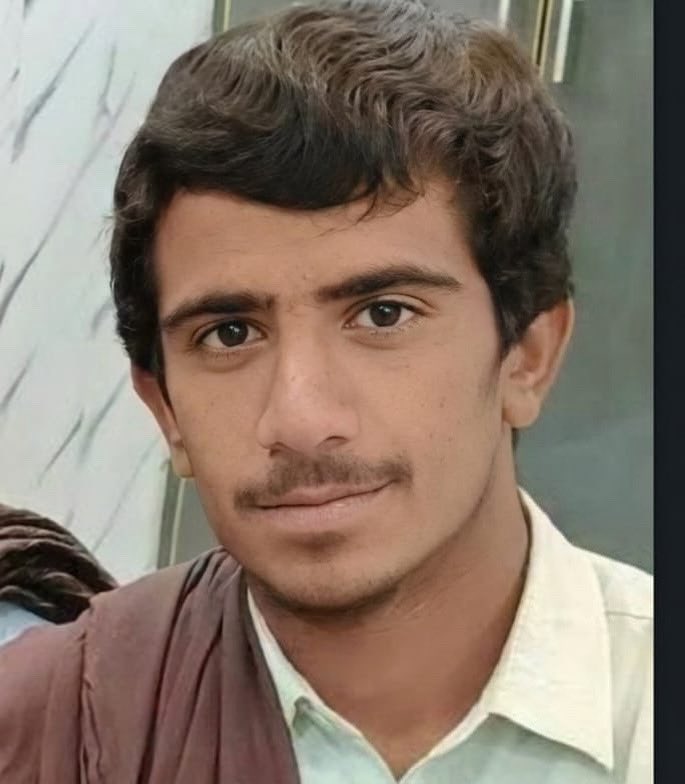
18 year old Obaid Baloch son of Abdul Zahir Nothizai was arbitrarily detained by Pakistani security officers from Dalbandin in the Chagai district. A laborer by profession, Obaid was taken into custody at approximately 6:30 PM and moved to an undisclosed location.
کوئٹہ: بلوچ یکجہتی کمیٹی کے رہنماؤں کی غیرمنصفانہ اور فیس لیس ٹرائلز کے خلاف ہدہ جیل کے سامنے اہلخانہ کا احتجاج
بی وائی سی کے رہنما گزشتہ آٹھ روز سے جیل کے اندر ’’فیس لیس ٹرائل‘‘ (Faceless Trial) کے خلاف احتجاجی دھرنے پر بیٹھے ہوئے ہیں۔
جج رہنماؤں کی عدم موجودگی میں بھی مقدمے کی کارروائی آگے بڑھا رہے ہیں۔ فیس لیس ٹرائل کے ذریعے تنظیم کے ساتھیوں اور ان کے وکلاء کو استغاثہ، سرکاری گواہوں اور ریاستی مؤقف پر مؤثر جرح سے روکنے کی کوشش کی جا رہی ہے تاکہ یکطرفہ کارروائی کے ذریعے من پسند فیصلے حاصل کیے جا سکیں۔ - بی وائی سی
چھ دن گزر چکے ہیں، میری بہن ڈاکٹر ماہ رنگ بلوچ اور بی وائی سی کی دیگر رہنما ہدہ جیل کے اندر فیس لیس ٹرائل کے خلاف دھرنے پر بیٹھے ہیں۔ ہمیں جیل کے اندر جانے اور ان سے ملاقات کی اجازت نہیں دی جا رہی۔
ہمیں ان کی صحت کے حوالے سے شدید تشویش لاحق ہے۔ وہ شدید گرمی اور تپتی دھوپ میں، بنیادی سہولیات سے محروم، اپنے آئینی اور قانونی حق کے لیے پرامن احتجاج کر رہے ہیں۔
فیس لیس ٹرائل نہ صرف شفاف انصاف کے اصولوں کے منافی ہے بلکہ زیرِ حراست افراد کو اپنے دفاع کے بنیادی حق سے بھی محروم کرتا ہے۔ جب خاندانوں کو اپنے پیاروں سے ملنے کی اجازت نہ ہو اور عدالتی کارروائی عوامی نگرانی سے دور ہو، تو خدشات مزید بڑھ جاتے ہیں۔
میں تمام انسانی حقوق کے کارکنوں، وکلاء، صحافیوں اور باشعور شہریوں سے اپیل کرتی ہوں کہ وہ ڈاکٹر ماہ رنگ بلوچ اور بی وائی سی کے دیگر رہنماؤں کے لیے آواز بلند کریں اور غیرمنصفانہ فیس لیس ٹرائلز کے خاتمے کے لیے اپنی آواز بلند کریں۔
#EndUnfairTrialOfBYCLeaders
Journalist Sahar Baloch @Saherb1 raises important concerns about the faceless trial of BYC leaders, questioning a process conducted away from public scrutiny. Fair trials require transparency, accountability, and open access.
#EndUnfairTrialOfBYCLeaders
For the past 8 days, my sister Dr. Mahrang Baloch and other BYC leaders have been holding a sit-in inside jail against unfair faceless trials and demanding fair and transparent proceedings.
Today, the families of detained BYC leaders staged a sit-in outside Hudda Jail against this injustice and faceless trials. Our demands are clear: end faceless trials, convert proceedings into open court hearings, and replace the biased judge. We will continue our struggle until this oppression ends.
We request people from all walks of life to join this sit-in and be the voice of those who once were your voice.
#EndUnfairTrailOfBYCLeaders
#BalochistanBriefing; 18 June, 2026:
Iranian regime intensified targeting local Baloch population and illegal extraction of minerals
Balochistan remains caught in a severe humanitarian and environmental crisis as both Pakistan and Iran accelerate the extraction of its vast mineral and critical mineral reserves. Despite the immense wealth generated from projects like Reko Diq, Saindak, and the Taftan Mountain gold mines, indigenous Baloch populations are systematically kept below the poverty line. State strategies on both sides of the border have evolved from economic marginalization to active, forced demographic displacement, pushing native communities off resource-rich lands and vital trade corridors. Recent weeks have seen these tensions boil over into coordinated, violent state crackdowns against peaceful local demonstrations, specifically targeting indigenous Baloch people including women who have stepped to the forefront of the resistance.
One country, two occupiers
In the Republic of Balochistan, the state has increasingly tied its security apparatus to large-scale foreign investment and infrastructure frameworks. Under the guise of securing the China-Pakistan Economic Corridor (CPEC) and multi-billion-dollar mining sectors like Reko Diq and Saindak, occupational forces are executing a deliberate policy to clear native populations from strategic routes. This creates highly securitized zones where external actors extract resources while the local Baloch population receives zero economic dividend.
Simultaneously, the Iranian occupied Balochistan, the mullah regime utilizes direct military force to clear Baloch localities situated near lucrative mining sites. By expelling indigenous populations from these zones, Tehran eliminates local scrutiny, allowing state-backed enterprises to operate with total impunity.
Balochistan's ecosystem faces challenge
On the slopes of Taftan Mountain and throughout the Madpati region, mining operations have scaled up to an unprecedented, round-the-clock intensity. Local populations report that the combined impact of high-yield explosions, non-stop heavy truck traffic, and massive excavation has shattered the peace of rural areas while blanketing residential zones in toxic dust and air pollution.
These operations are directly overseen by massive economic conglomerates heavily intertwined with state military and financial institutions, including corporations such as Shasta, Pars, Sadr, and Tamin. Shielded by state power, these entities have caused widespread destruction of the local vegetation, dried up vital freshwater springs, and heavily compromised the regional water table, threatening the long-term habitability of the Taftan slopes.
Destruction of indigenous Baloch livelihood
The physical expansion of these mining zones has directly crippled the traditional economic sectors of surrounding villages, including Tiloui, Siyah, Doroodi Naroun, Kuheh Bala, Kuheh Paeen, Tamandan, and Anjirk-e Bozorg. Traditional agriculture and livestock grazing the twin pillars of the local economy face imminent challenge.
Heavy dust emissions and shockwaves from mining blasts have devastated local fruit orchards and rendered large swathes of agricultural land completely infertile. Furthermore, the rapid expansion of heavy machinery has systematically stripped the region of its natural vegetation cover, leaving pastoral communities without grazing grounds for their livestock.
The Pashuki Chromite Mine exploitation by Iran
The pattern of systemic economic exclusion and violent extraction is not confined to Taftan. A major flashpoint has emerged on the outskirts of Farayab region , located in the Rudbarzamin region of Kerman province of Iran occupied Balochistan. The Pashmuki chromite mine, widely regarded as one of the region’s most critical economic assets, has been systematically allocated to influential, state-backed individuals and syndicates. This allocation completely bypasses the rights of the indigenous Baloch population, effectively barring local communities from employment opportunities and depriving them of any economic benefits from their own land.
On Wednesday, June 17, 2026, a peaceful, unarmed civic gathering organized by local residents and Baloch women entering its second consecutive day was met with raw physical force. Iranian occupational forces launched a heavy-handed raid against the demonstrators in Pashmuki village. Baloch Media sources and video footage confirm that forces used excessive violence, beating unarmed protesters with batons, punching, and kicking them. At least seven Baloch women were injured in the assault, and six citizens, including three women, were arbitrarily detained and transferred to an undisclosed location by Iranian forces.
Detained by Iranian Forces:
Marziyeh Hoth (28)
Mah-Bibi Hoth(37)
Somayeh Bamri (32)
Ali-Bakhsh Bamri (46)
Reza Beig-Bamri (43)
Anwar Hoth (40)
Additionally, at least seven Baloch women sustained severe physical injuries during the military assault:
Soraya Hoth(29)
Masoomeh Hoth (27)
Mina Hoth(17)
Dorkhatoon Hoth (36)
Safiyeh Bamri (30)
Mahnoor Bamri (34)
Bibi-Naz Bamri (40)
A pattern of systematic state violence
The violent suppression at the Pashmuki chromite mine is part of an escalating, multi-year conflict between indigenous land defenders and state-backed extraction forces. Just one day prior to the Farayab raid, police personnel and intelligence agencies of the Mullah regime tied to the Taftan gold mine violently confronted protesting women in Siyah village, located in Taftan region. During that clash, Baloch women were similarly threatened, insulted, and assaulted. Notably, a 55-year-old woman identified as Bibi Noor Rigikoteh suffered severe head trauma after being struck with a rifle butt.
The recurring use of physical violence and deeply degrading treatment by state organs against Baloch women defending their land has triggered widespread outrage and alarm across the region. Iranian invading authorities frequently supplement this physical enforcement with judicial harassment, lodging fabricated cases against activists and utilizing brief detentions to terrorize and blackmail the locals.
Balochistan demands halt to exploitation of their resources
The current trajectory of unmonitored and illegal resource extraction poses an existential threat to Balochistan’s unique ecosystem and its native population. While billions in wealth are drained from the region, the local Baloch population is left with environmental degradation, absolute exclusion from the workforce, and a complete lack of regional development. If freshwater depletion and agricultural ruin continue unabated, forced mass migration will inevitably alter the demographics of the entire region.
The ongoing protests highlight a unified demand for fair participation, local ownership, and an end to economic marginalization. To halt an absolute ecological and humanitarian collapse, local leadership is demanding an immediate freeze on all destructive mining activities across the Taftan and Farayab regions, a comprehensive independent environmental and social impact assessment, and legally binding frameworks that grant indigenous communities genuine participation in all decisions regarding their lands and resources.
@hyrbyair_marri@BaluchWarna@Humgaam_News@hamalilalin@FaizMBaluch@sultanwho@UNHumanRights@UN_HRC@UNOCHA@amnesty@amnestyusa@AmnestyAR@AmnestyNigeria@AmnestyUK@AIIndia@amnestysasia@UNEP@TheBalochWorld
Yesterday in Taftan and today in the village of Peshmoki, Kerman, local residents protested against chromite mining by the Iranian occupation authorities. The response was violence: security forces assaulted women, leaving seven of them injured.
#Balochistan