This is a significant legal finding. There are multiple lessons to be learned here especially about truth, transparency, meaningful engagement with all points of view, and the need for reflexive democratic processes.
We're celebrating! 🎉🎉 We've had a significant win in our high court challenge the precision bred GMO regulations. The court has ruled that the Defra Minister's decision not to label PBOs in the food chain was unlawful. Read the full story: https://t.co/Tr4DdgMDm6
The future of cultivated meat won’t be decided by marketing, PR or technical approval alone. Citizens participating in the CARMA Citizen Forum on cultivated meat showed that acceptance is always conditional & trust must be continually (re)earned. https://t.co/DT37UjMGYq
When we use conservation biotechnology for conservation, are we preserving nature – or creating a new kind of human-made 'nature'? The answer will shape not only the future of conservation, but our understanding of humanity’s place in the living world. https://t.co/fbUFfJCRJA
Important development. Just the fact that the High Court considers the case arguable, suggests that concerns expressed throughout the process of the Genetic Technology Act and regulations have merit.
⚖️🌱 Gene-edited crops are set for a High Court test in May. The legal challenge has been launched against England’s precision breeding regulations
READ MORE: https://t.co/mCx3ltS4IX
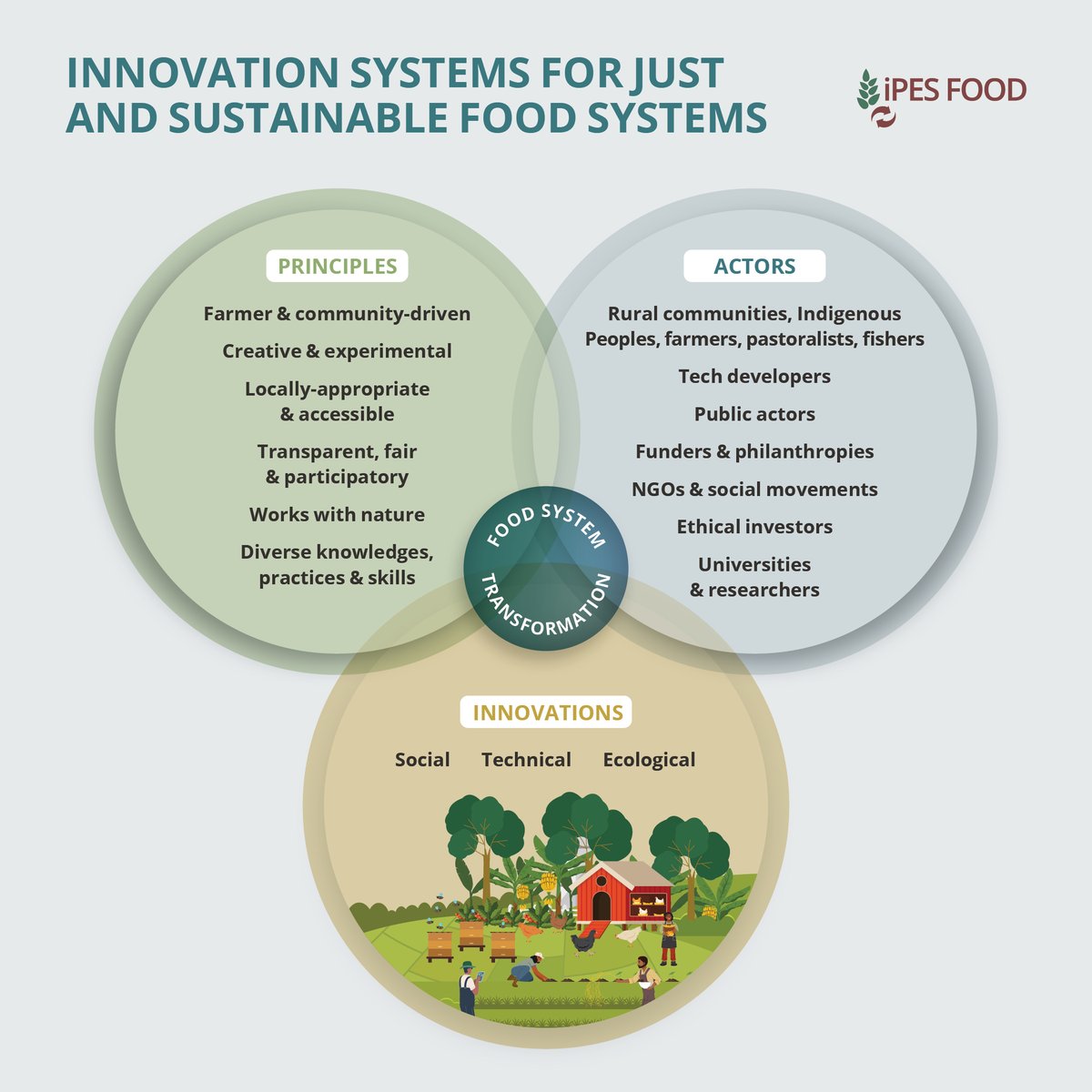
The real #innovation story is not in the cloud.
It’s in farmers’ fields.
Farmers & communities are:
🌾restoring soils
🌱breeding climate-adapted crops
🐞managing pests ecologically
🌍building resilience.
Stop sidelining them.
📖Read: https://t.co/1cOGgeBztT
#HeadInTheCloud
🚨Tomorrow: we launch HEAD IN THE CLOUD☁️
Corporate-led digital tech is reshaping #agriculture at speed.
But who sets the agenda? Who benefits? What’s at risk?
💻Join our webinar to launch this landmark report
📅25 Feb | 14:00 UTC
🔗Register now: https://t.co/MMOHgCgOsr
Who is shaping #innovation in farming? In whose interests?
AI, precision farming & gene-edited seeds are pitched as solutions to #foodsystem crises. But who benefits? Who decides? Who is sidelined?
📆25 Feb 14:00 UTC, join us to launch #HeadInTheCloud.
https://t.co/kaZ0uD0Xga
As the EU revises rules for gene-engineered plants, debates centre on safety, traceability and labelling. Overlooked is patent law’s role in reshaping who can breed plants, on what terms, and with what legal certainty overall. https://t.co/uHXJ8HV8K1
Unlike the U.S. focus on risky “high reward” innovation, this approach embraces low-tech innovation and prioritizes positive impact while minimizing risk.
https://t.co/kAWYh13D4t
Interesting thread on the suppressed government biodiversity report. Not many picked up its luke warm assessment of tech technologies role in fixing the biodiversity crisis. Does the full report say more we wonder?
1/ A new UK Government report treats biodiversity loss and ecosystem collapse as a national security risk. We’ll get to that in a moment... First, some context on how UK policy ended up pulling in the opposite direction… 🧵https://t.co/C3QkTQLH4Z
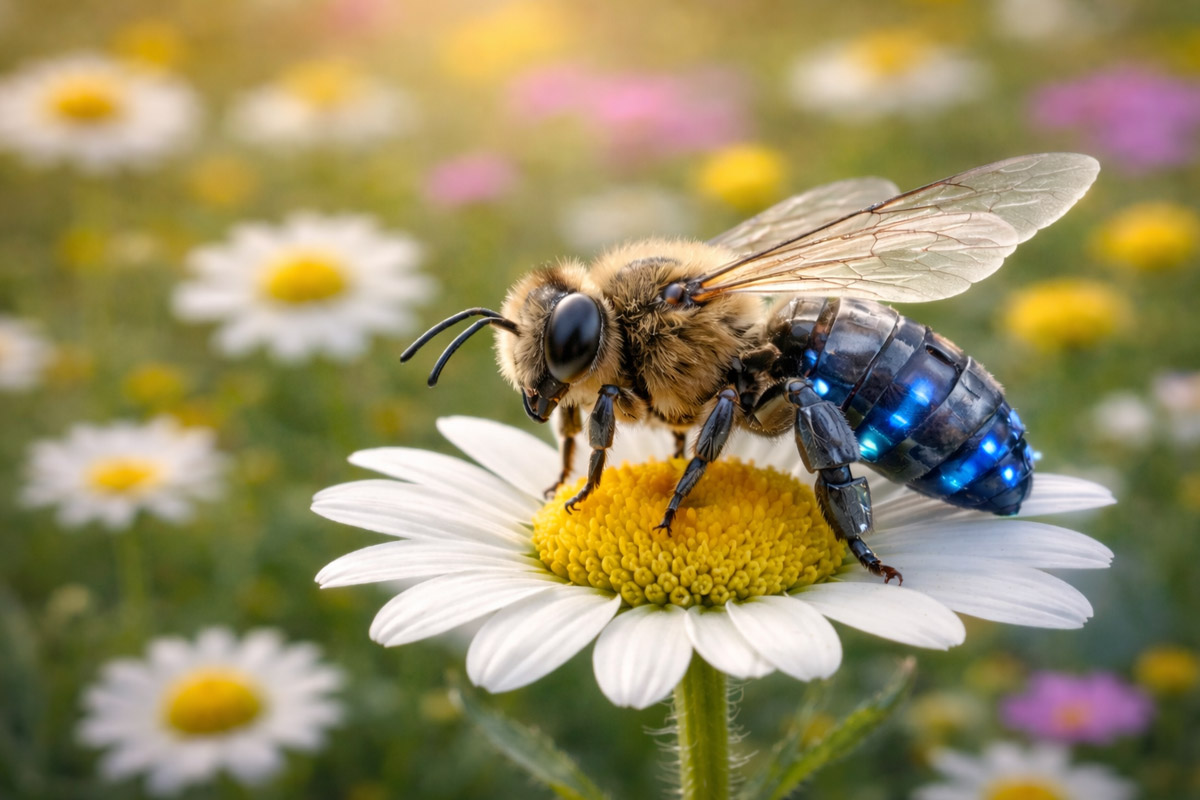
From bees to crops, engineered genes and microbes inevitably spread, exposing regulatory blind spots and challenging assumptions of control, precaution and accountability in rapidly deregulating governance frameworks. https://t.co/AFmngiznO5
In the age of algorithms, who decides how farmers think? Whether farmers' ability to sense, analyse & act are eroded or strengthened depends not on technology itself, but on design, governance & farmer inclusion. https://t.co/ptLVe6x5aE
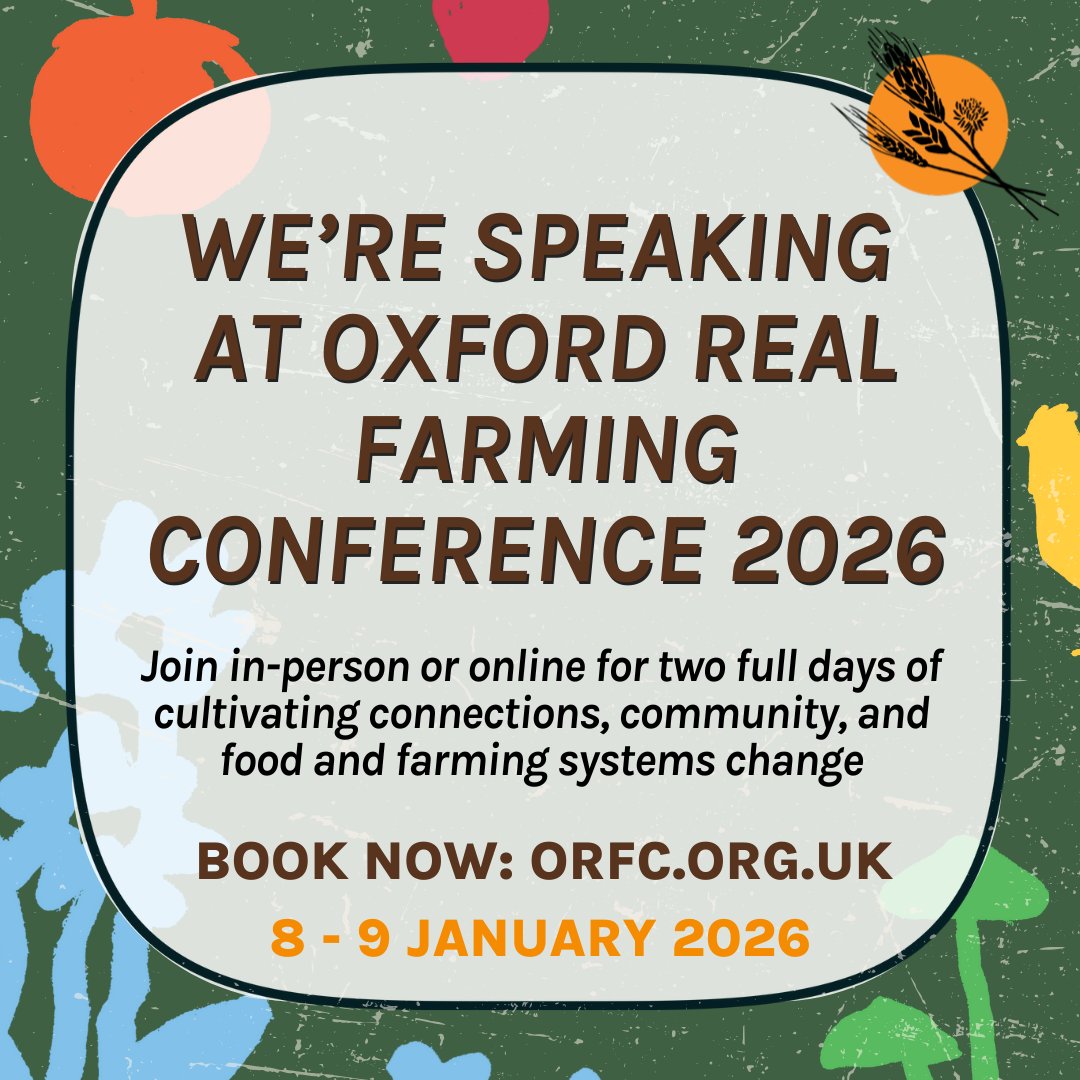
We are very much looking forward to being on the panel for @IPESFood Digital Dilemmas: Who Controls Agtech? on 8th January at #ORFC2026, looking at what farmers want - and don't want - from digitech.
IPES-Food is heading to the @ORFC#ORFC2026 as an official partner.
We’re organising sessions on trade wars & food prices, climate justice, #foodsystem#plastics, agtech & #agroecology, and corporate concentration.
Join us in Oxford or online!
👉 https://t.co/WXiwElvRsy
Good golly there’s - unintentionally, I think - lots to unpack in this Telegraph piece - not least confused framing around meat vs “not-meat”, systemic change vs tech fixes & how animal welfare, farming & innovation get blurred into a simplistic story. https://t.co/CVH6Phxc8j🧵
Synthetic human genomes are being developed faster than we can govern them. Good intentions won’t prevent misuse. Without early, values-led scrutiny, we risk creating a technology whose risks become apparent long before its benefits. https://t.co/hRDHylhvLQ
De-extinction promises wonder, but asks us to confront harder truths. What does it mean to “love” nature in an age of extinction — and who bears the risks of resurrecting what we once destroyed? A thoughtful read: https://t.co/otLnYIVoGq
Farmers who work with nature don’t want to be separated from their land by screens and algorithms. New research with farmers looks at how agritech hype often misses the point of what many small-scale agroecological farms really need from digital tools https://t.co/GE4qPABfOO
Very important consideration and something we point to in our report on a life-centric approach to Rethinking Sustainability https://t.co/9o1kqv7GJZ @natalieben@ChrisGPackham
Our new report explores how the UK’s rush to deregulate gene editing rests on a myth of speedier breeding. Drawing on 5 case studies, it shows that “fast science” has delivered slow results & obscured deeper questions about progress and accountability. https://t.co/0O8U5ZOdtI
As the IUCN World Conservation Congress opens in Abu Dhabi, members face a pivotal choice between embracing genetic engineering as a conservation tool or pausing to apply the precautionary principle to these rapidly advancing technologies. https://t.co/3bOLVqQvEh