In this #OpenAccess paper, Katie Cunningham-Rowe & Lucy Foulkes provide novel insights from mental health practitioners in the UK on their experiences with & opinions on self-diagnosis of mental disorders in adolescents.
Read the full paper to learn more. https://t.co/RnRBKFRaNa
8-min @NipintheBudFilm film, explains the signs that may indicate a child is experiencing a mental health condition. Watch as Dr. Julie Thomas highlights the importance of seeking support from a GP or appropriate professional as early as possible. https://t.co/OLB0Kaoxkm
Could #empathy help prevent #bullying? New research suggests children with higher cognitive and affective empathy towards victims were less likely to become bullies one year later. But there's a surprising finding too.
Learn more with the full blog! https://t.co/wGIiktrzDY
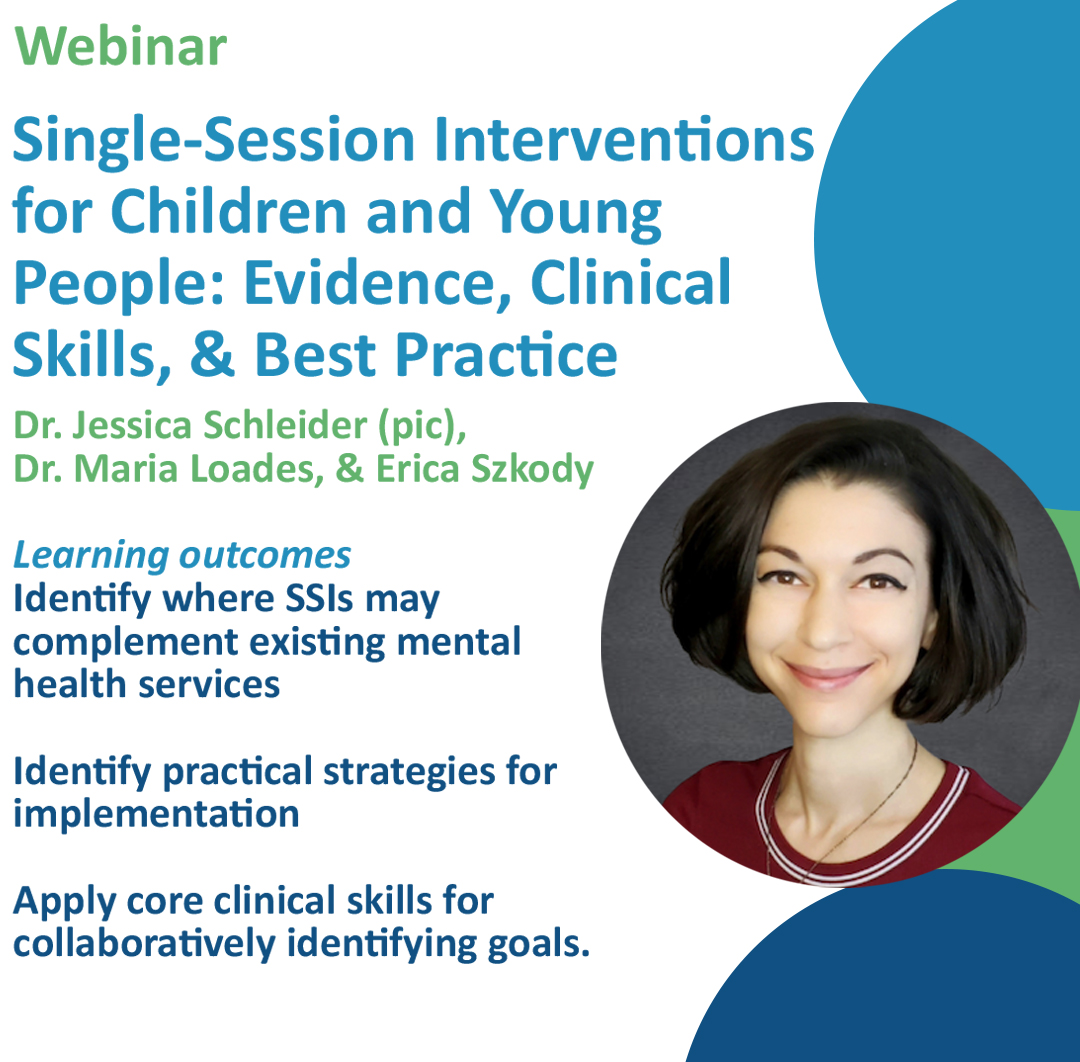
⏱️ One session. New insights. Practical learning.
Discover how #SingleSessionInterventions can support #mentalhealth care for CYP at this expert-led ACAMH workshop.
📚 Build your knowledge. Strengthen your practice.
👉 Register with EARLY BIRD! https://t.co/ea7vFFry9V
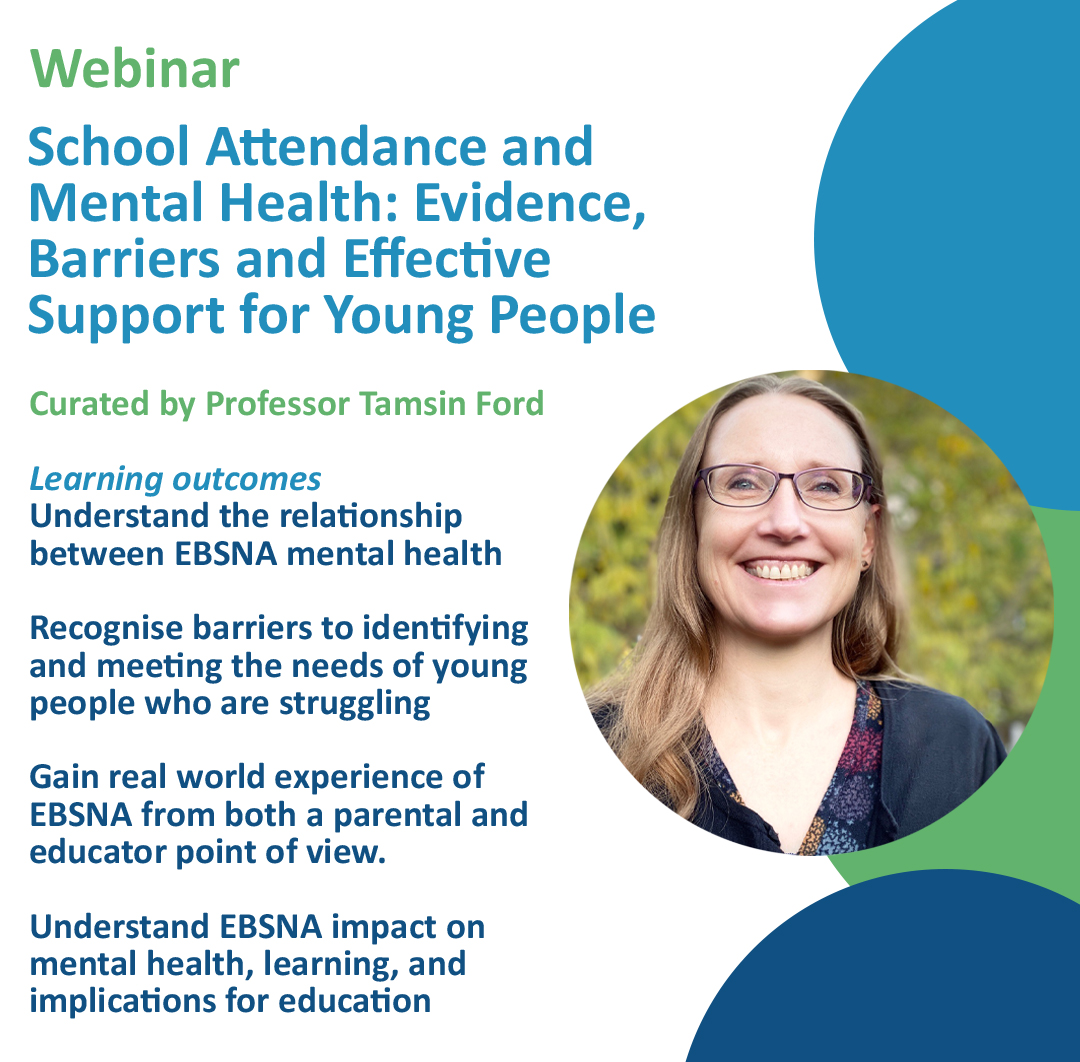
What do we know about the relationship between mental health and school absence?
Prof Tamsin Ford leads a webinar exploring the evidence linking mental health and school attendance, alongside leading researchers and lived experience perspectives.
https://t.co/iacMbYYsXF
Identify key signs of emotional distress and potential risk-related behaviours in primary-aged pupils with this @NipintheBudFilm film led by Dr Sian Williams, providing practical guidance for recognising and responding to signs of distress in young people. https://t.co/jDBZRclEP6
#OpenAccess@TheJCPP paper
Anna Morris et al. uses the Millennium Cohort Study (MCS), a large nationally representative dataset, to examine how objectively recorded physical activity relates to parent- & teacher-rated hyperactivity in 7-year-old children. https://t.co/TmleCnvfGx
What can a #Tourettesyndrome diagnosis mean beyond the diagnosis itself? Rayne Huggins shares a personal perspective on identity, self-understanding and community in the latest #InsidetheTeenBrain. 🎙️ https://t.co/qa1LU0t2uO
With host @DrJaneGilmour.
Could “#insomnia” be masking something else? Discover why understanding the causes of sleep difficulties in young people is crucial for getting the right support. https://t.co/uy5LT35T8J
How can we move beyond symptoms to understand what maintains #anxiety? Explore how #caseformulation can help #clinicians identify factors that shape difficulties and guide treatment.
Read the ACAMH 'Reflections from the Room' blog to learn more. https://t.co/gWOOpC1V4Y
Evidence on the association between paternal smoking & attention-deficit hyperactivity disorder (#ADHD) in offspring is inconsistent. @BerihunDachew & Yitayish Damtie et al conducted a systematic review & meta-analysis to synthesise the available evidence. https://t.co/MdkYAvV3v4
How smart is a phone ban? Hosts @DrJaneGilmour & @umartoseeb are joined by @L_M_Henderson to unpack what the UK's #socialmediaban for under-16s means for platforms and what the “lost generation" risk is and its potential impact.
Listen now to learn more. https://t.co/tgEqRwvyJc
#OpenAccess@TheJCPPadvances paper, @LoganRCummings et al. conducted the first child psychiatry division-wide measurement-based care initiative to advance understanding of how both psychopathology & social-emotional skills are related among youth patients. https://t.co/YI6ploMLdi
How can services become more accessible and inclusive?
Dr. Rachel Bryant-Waugh suggests that reviewing the language we use may be one step towards reducing barriers and improving pathways to care for children and families.
Read her blog: https://t.co/PnHjzsuecH
How can parents help a teenager who is self-harming?
Find out more FAQs on "Understanding and Responding to Self-Harm: Latest Evidence and Clinical Practice" at https://t.co/DsWPExDTUC
How do digital media & peer dynamics shape teen #mentalhealth & what does this mean for everyday practice?
Drawing on @mitchprinstein's research, this session explores how social media influences young people's psychological, social & neural development. https://t.co/J3c8AXSd0s
What do we really know about adolescent #sleep? Prof. Michael Gradisar explores why sleep problems occur, common misconceptions including the role of screens, & practical, low-intensity interventions that can be incorporated into routine clinical work. https://t.co/ku246OHk6A
📣 Learn from leading experts in child & adolescent psychiatry!
Join Dr Marinos Kyriakopoulos & Prof. Dr Aditya Sharma for ACAMH's online Expert Day covering #psychosis, #bipolardisorder and treatment monitoring.
📅 4 December 2026
https://t.co/MUkLCpyIvw
How can therapeutic conversations help young people make sense of self-harm? Explore the SASH intervention, combining therapeutic assessment, enhanced safety planning and solution-focused brief therapy.
Read the blog (https://t.co/TObrqI4ekT) to learn more.
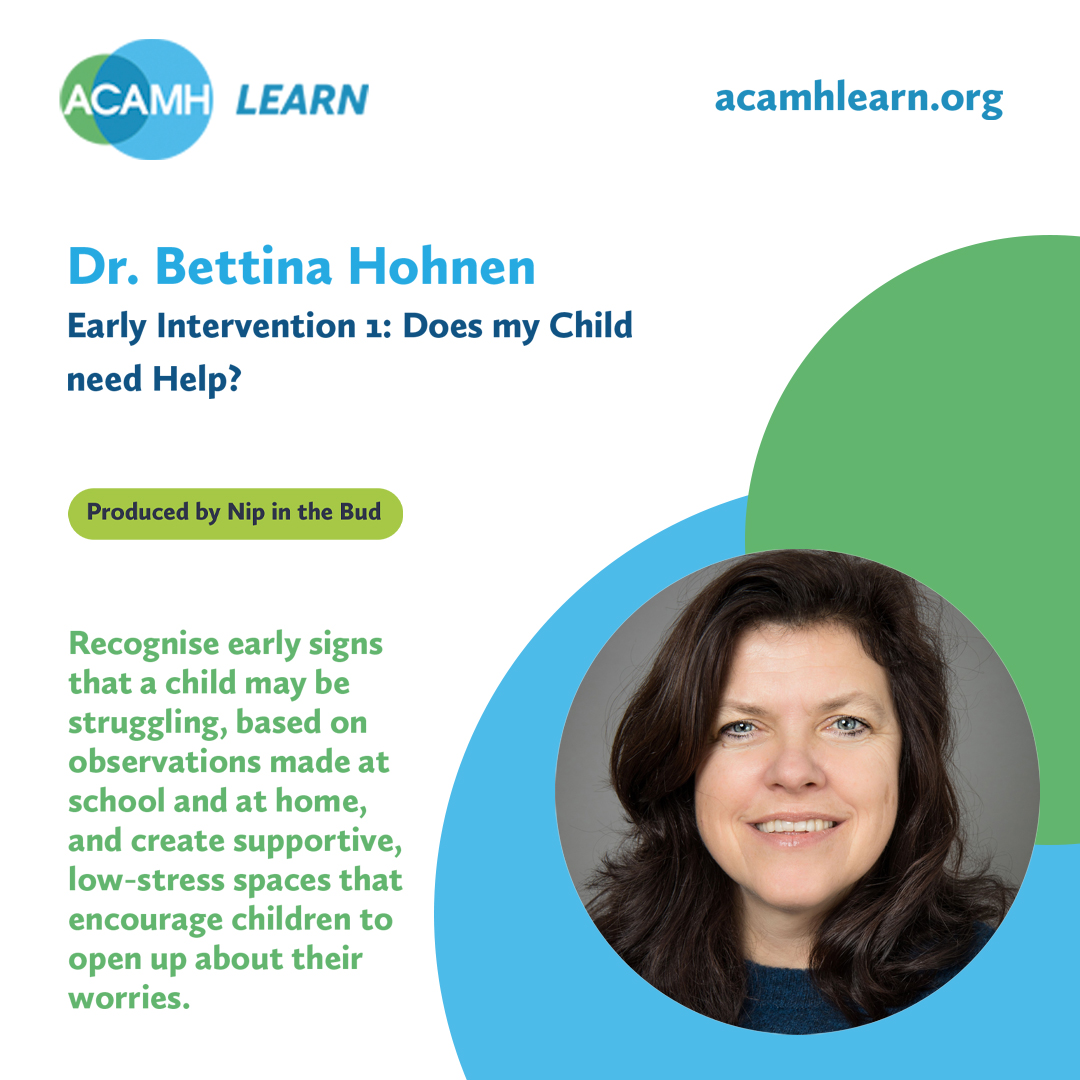
In this @NipintheBudFilm film, part of a four-part series on early intervention, @BettinaHohnen explains how trusted adults - both at home and at school - can create safe opportunities for children to talk about their worries.
An interesting watch. https://t.co/kTL8zfhoBg