A practical guide to pathology workflows, WSI, diagnostic reasoning, artefacts, AI tasks, and deployment challenges.
Decoding (digital) histopathology: The building blocks for computational researchers
https://t.co/yLCAnU7EFf
Digital pathology is not only changing diagnostics: it can also change how we teach & learn!
In our new @ITA_Path article, we describe the SIAPeC Quiz experience: gamified, case-based, interactive pathology education using digital tools.
https://t.co/atHl2YLy2D
Proud to share our latest work on the impact of ancillary techniques in lymph node 💉 cytopathology! Read @ https://t.co/jnE4BqAqsh (Published in @JASCJOURNAL )
@EMaffei97@richyruot#pathx#cytopath
📢 In the November ed. of JCP:
💻 Digital nephropathology - Can your monitor impact diagnostic accuracy?
🤓 A study comparing medical grade (MG) vs professional grade vs off the shelf monitors -
🔍 MG was faster 🕒
✅ All equally accurate for main diagnosis
🎯 MG better at detecting subtle concurrent disease & more precise scoring
Read more here - https://t.co/4g9ha1eIAW
@ACaputoMD@VLimperioMD
📋 We already have the programme!
🌐 International Congress on Interventional Pathology.
1️⃣ Edition.
🛜 Online.
🗓️ January 28-29, 2026.
⌚ CET-Spain.
🆓 Registration.
🔗 Link: https://t.co/LCCOokMy5S
🗣️ We now have the full line-up of Speakers!
1⃣ International Congress on Interventional Pathology
🗓️ January 28-29, 2026.
🛜 Online edition.
🔜 Programme & 🆓 Registration link 🔗
♂️ Thyroid nodule.
💉 Ultrasound guided fine needle aspiration performed by Interventional Pathologist.
1️⃣ Pass. 25g.
✅ The best way for a rationale approach.
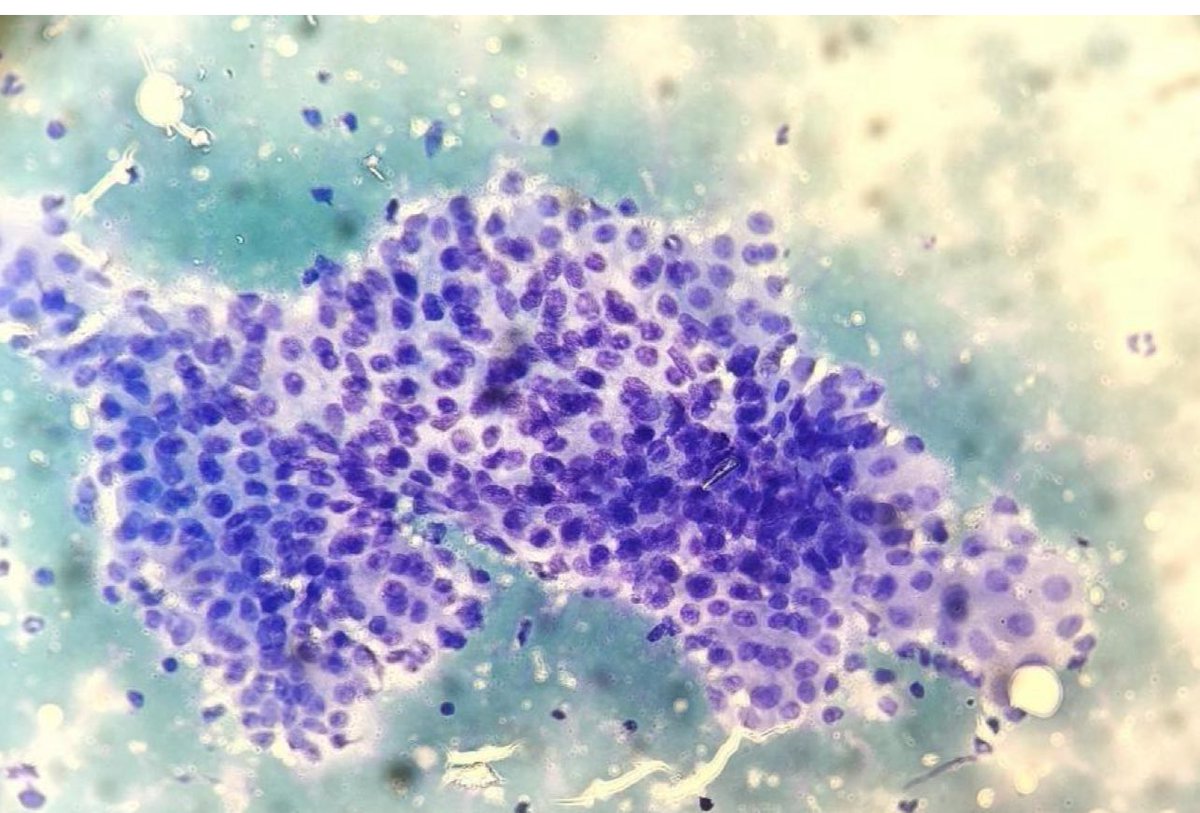
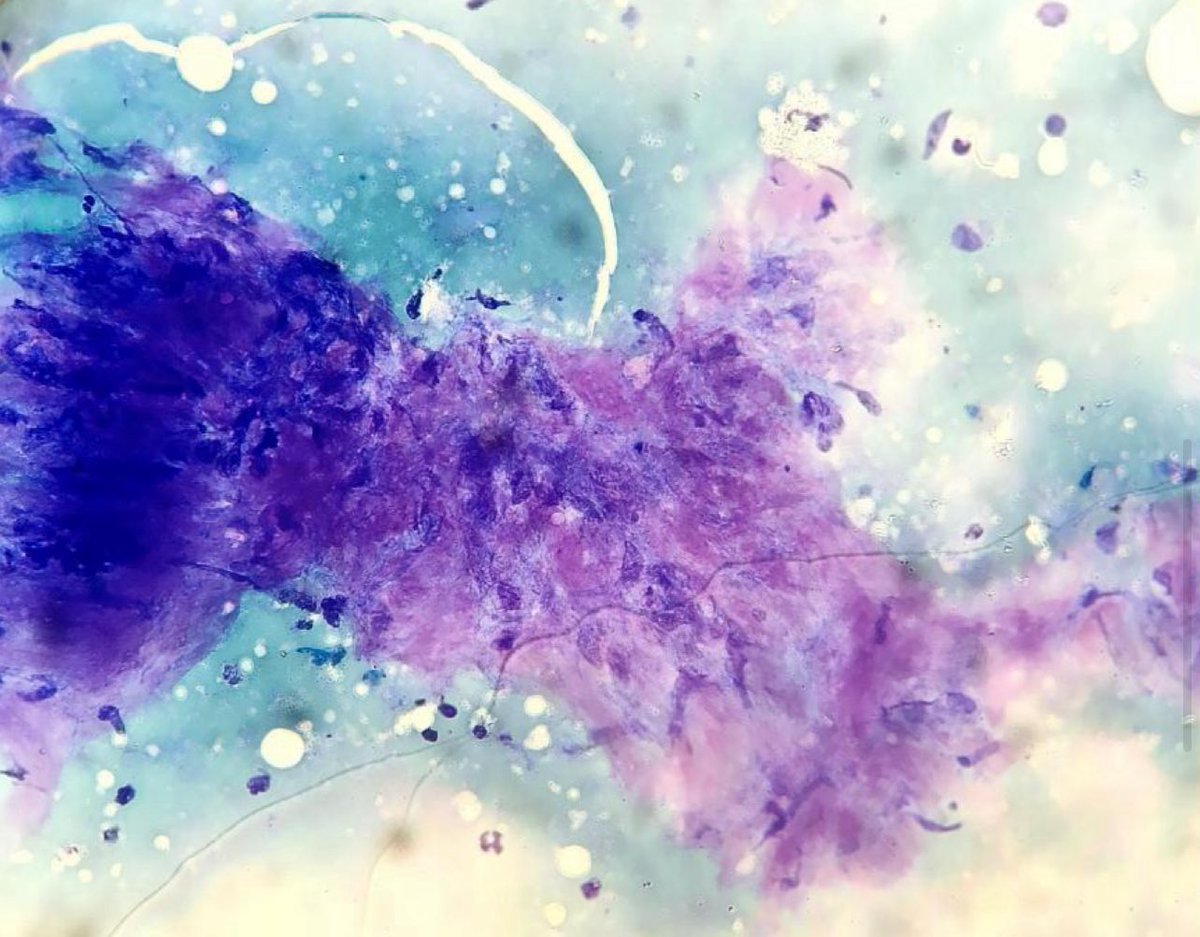
🔬 Giemsa -Diff Quik🌹: Fibrovascular axes and dense colloid in Papillary Thyroid Carcinoma.
#CytoPath#Cytology
Cytolovers worldwide: Latest @CytologyEFCS is ready! The case of the month by @pietro_tralongo will surely catch your attention! Don’t miss it! Click here ↪️ https://t.co/9a5kuee87l 🇮🇹🔬 #cytopath#cytology#FNA
🎉 The @HUCA_Asturias Pathology Department is on the cover of the special issue of @CytopathologyJ Interventional Cytopathology (https://t.co/A33Yoo8KC5).
👏🏽 Many thanks to Guest Editor Dr Karen Villar Zarra @KarenLVZ, and Editor-in-Chief Dr Philippe Vielh @PVielh.
#Cytology
My sleep scores during recent travel were in the 90s. Now back in SF I am consistently back down to 70s, 80s.
I am increasingly convinced that this is due to traffic noise from a nearby road/intersection where I live - every ~10min, a car, truck, bus, or motorcycle with a very loud engine passes by (some are 10X louder than others). In the later less deep stages of sleep, it is much easier to wake and then much harder to go back to sleep.
More generally I think noise pollution (esp early hours) come at a huge societal cost that is not correctly accounted for. E.g. I wouldn't be too surprised if a single motorcycle riding through a neighborhood at 6am creates millions of dollars in damages in the form of hundreds - thousands of people who are more groggy, more moody, less creative, less energetic for the whole day, and more sick in the long term (cardiovascular, metabolic, cognitive). And I think that many people, like me, might not be aware that this happening for a long time because 1) they don't measure their sleep carefully, and 2) your brain isn't fully conscious when waking and isn't able to make a lasting note / association in that state. I really wish future versions of Whoop (or Oura or etc.) would explicitly track and correlate noise to sleep, and raise this to the population.
It's not just traffic, e.g. in SF, as a I recently found out, it is ok by law to begin arbitrarily loud road work or construction starting 7am. Same for leaf blowers and a number of other ways of getting up to 100dB.
I ran a few Deep Research sessions and a number of studies that have tried to isolate noise and show depressing outcomes for cohorts of people who sleep in noisy environments, with increased risk across all of mental health (e.g. depression, bipolar disorders, Alzheimer's incidence) but also a lot more broadly, e.g. cardiovascular disease, diabetes.
Anyway, it took me a while to notice and after (unsuccessfully) trying a number of mitigations I am moving somewhere quiet. But from what I've seen this is a major public health issue with little awareness and with incorrect accounting by the government.
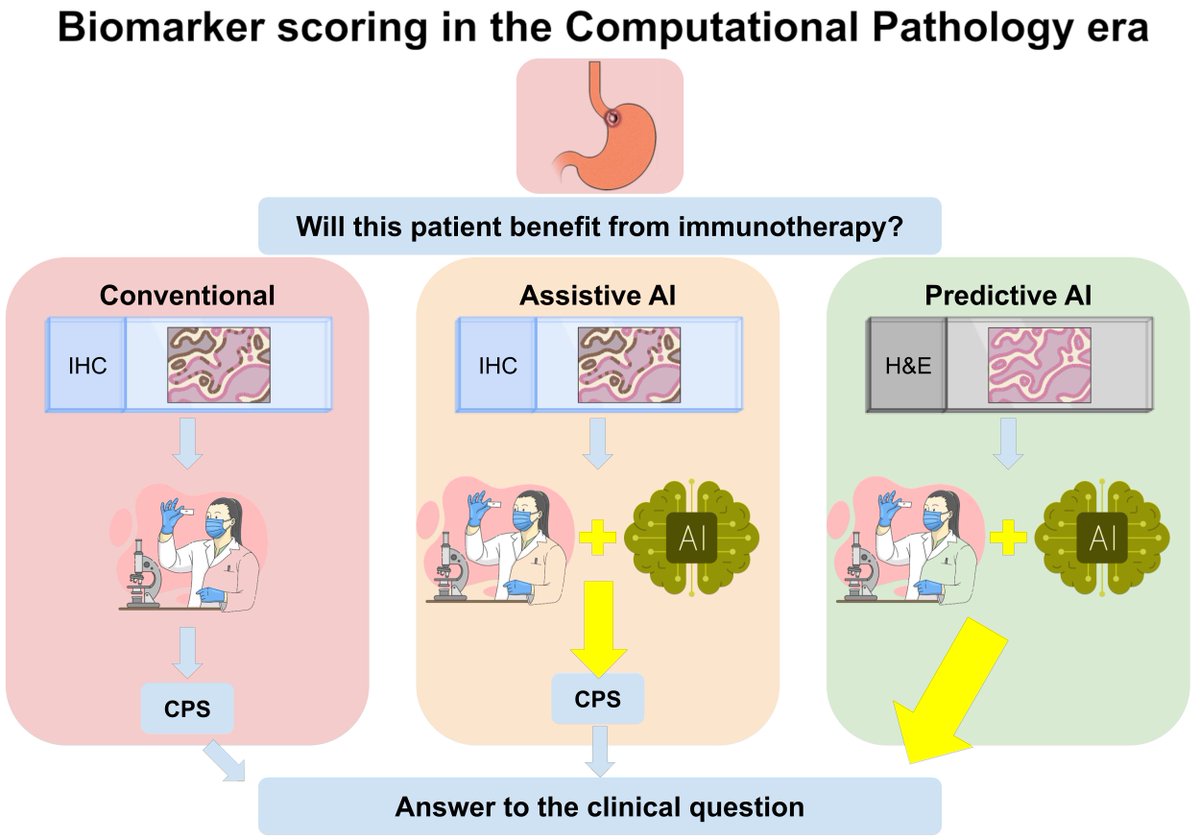
Proud to share our latest work on #AI and immunohistochemistry in gastroesophageal cancers:
«Immunohistochemical biomarker scoring in gastroesophageal cancers: Can computers help us?»
Read @ https://t.co/OGFa2WRsd3
#pathX#pathTwitter#GIpath