As burrowing #shrimp increases difficulties for #shellfishaquaculture, an exploratory investigation of biological control methods found a shrimp parasite does not affect burrowing abilities but reveals a relationship with migrating #sturgeon. https://t.co/DhCmSnFJXI
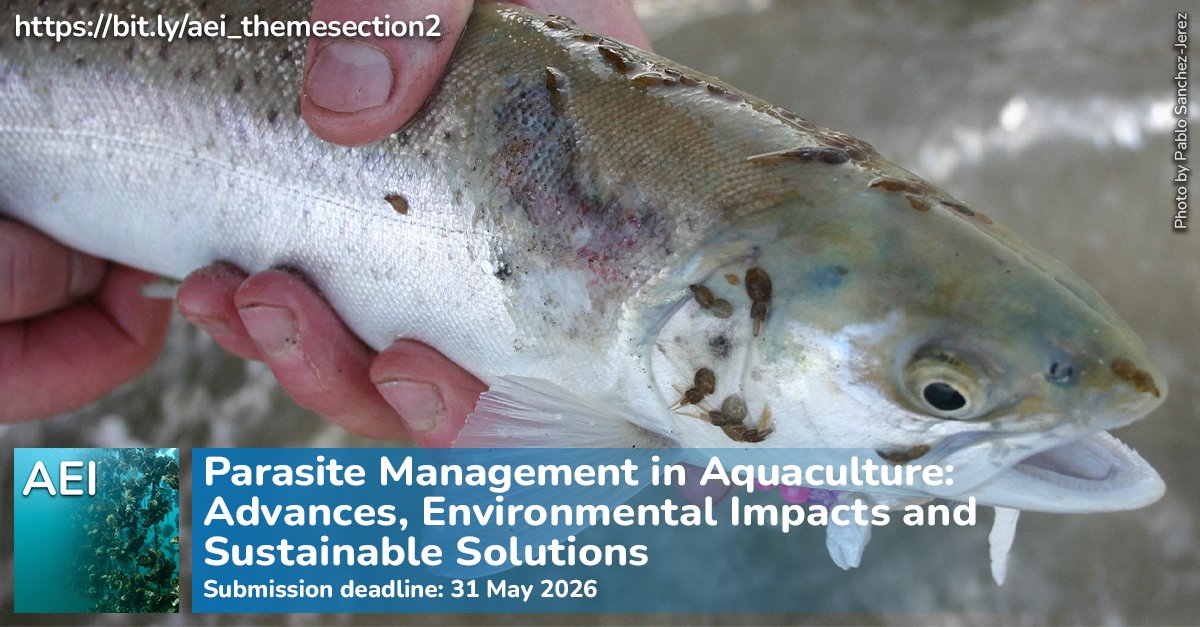
This new #AEI#ThemeSection will collate original research articles, reviews, and perspectives that advance our understanding of parasite–host–environment dynamics in aquaculture systems and promote sustainable management strategies. Further details at https://t.co/xRMz98Wn8y
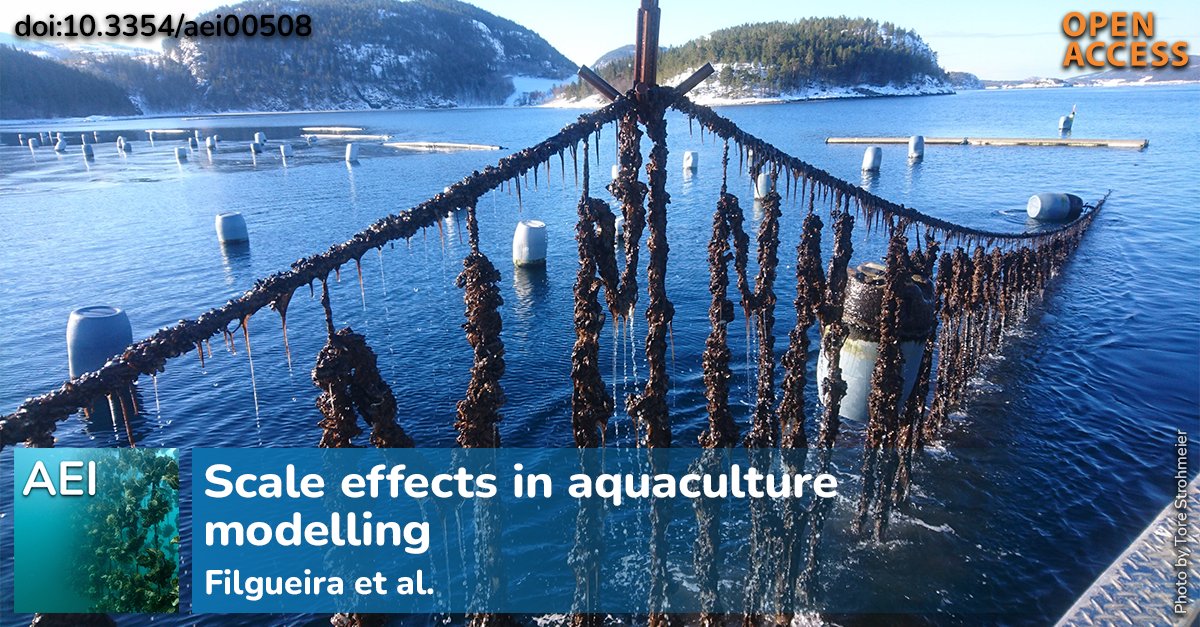
Comparing fjord- and farm-scale models for #mussel#aquaculture in Norway’s #Hardangerfjord. At low stocking densities, the modelling approach becomes less relevant, but at high densities, spatial resolution and scale matter! https://t.co/9wIRqNYwwo
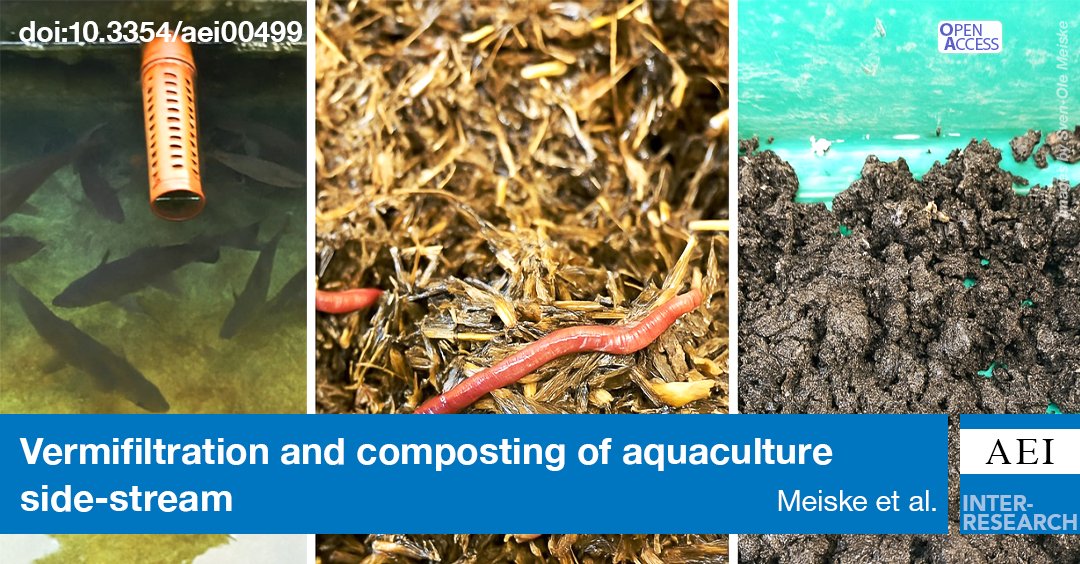
New study: #Compost#worms turn #aquaculture#sludge from #catfish and #trout farms into
nutrient-rich compost and potential animal feed ingredients—paving the way for a circular economy in aquaculture! https://t.co/e2btaoppN9
‼️‼️‼️ We are currently experiencing technical issues that may be affecting general access to our Inter-Research website. We are working to resolve them as soon as possible. ‼️‼️‼️
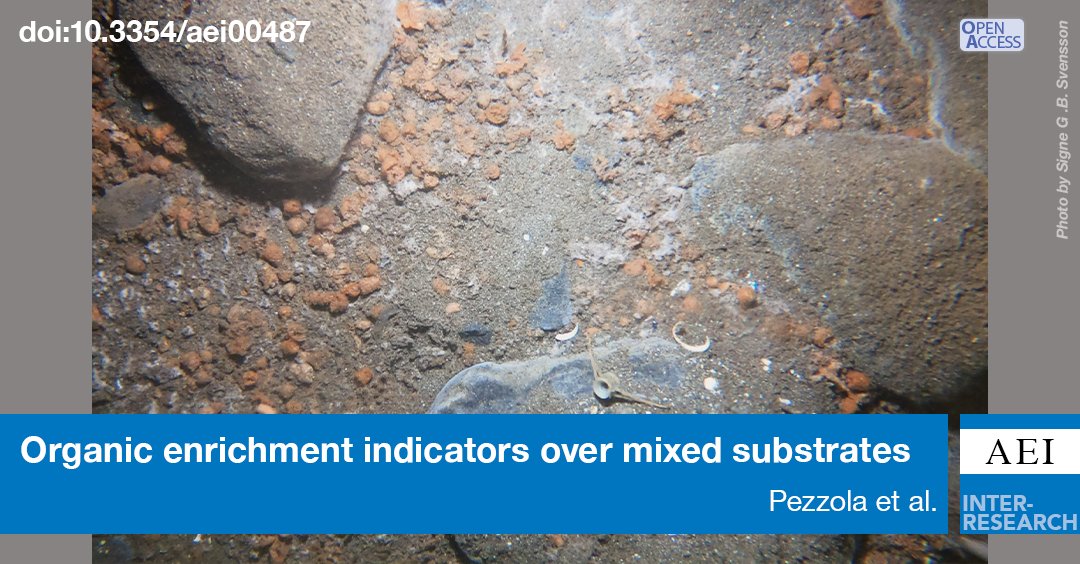
Check out our most recent article, offering new insight into improving the monitoring of #FishAquaculture's impact on the seafloor in Norway. https://t.co/cWAPJEnYBJ
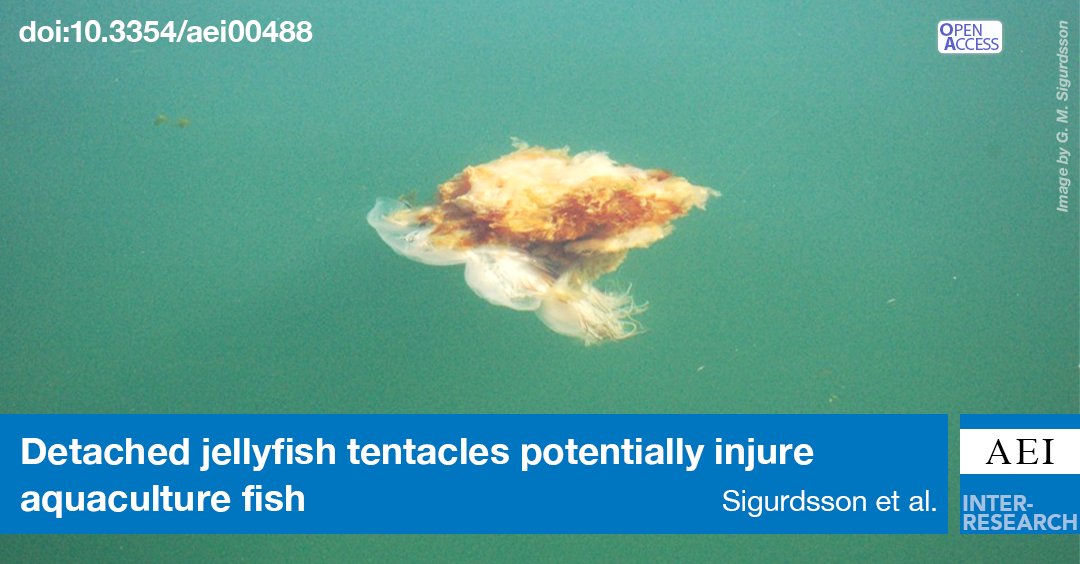
First experimental proof showing how long after detachment lion's mane #jellyfish#cnidocysts in #tentacles can catch prey and thus potentially harm aquaculture fish (ca. 3.5 wk) allowing for a hypothetical risk assessment. https://t.co/pbC2e7z1Ll
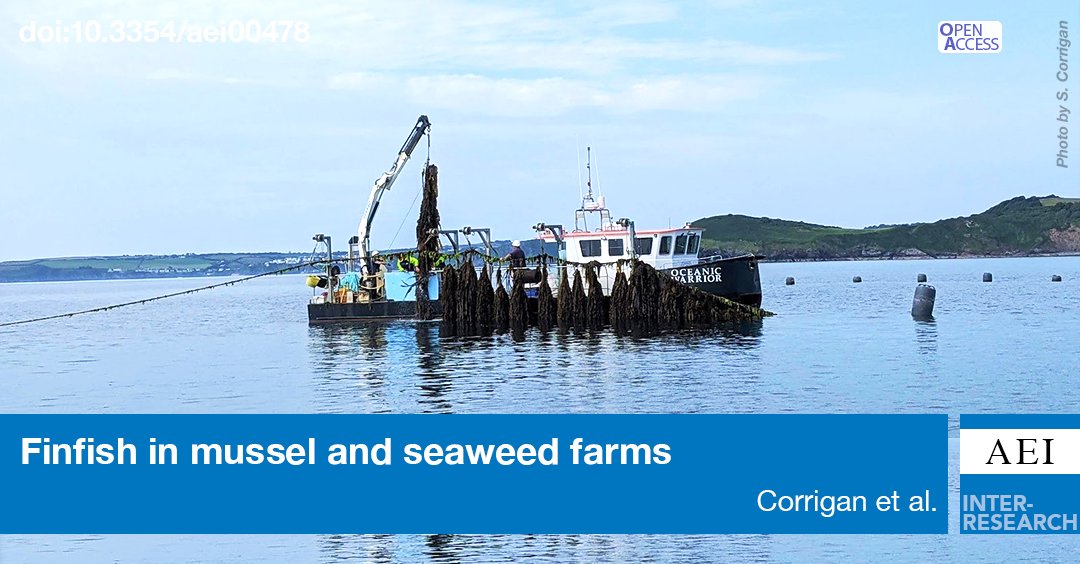
Do #mussel and #seaweed farms provide fish habitats? Results from camera and fishing surveys in UK farms suggest that farms could create new feeding grounds for fish of commercial and ecological importance. https://t.co/KOKpJ1LxuR
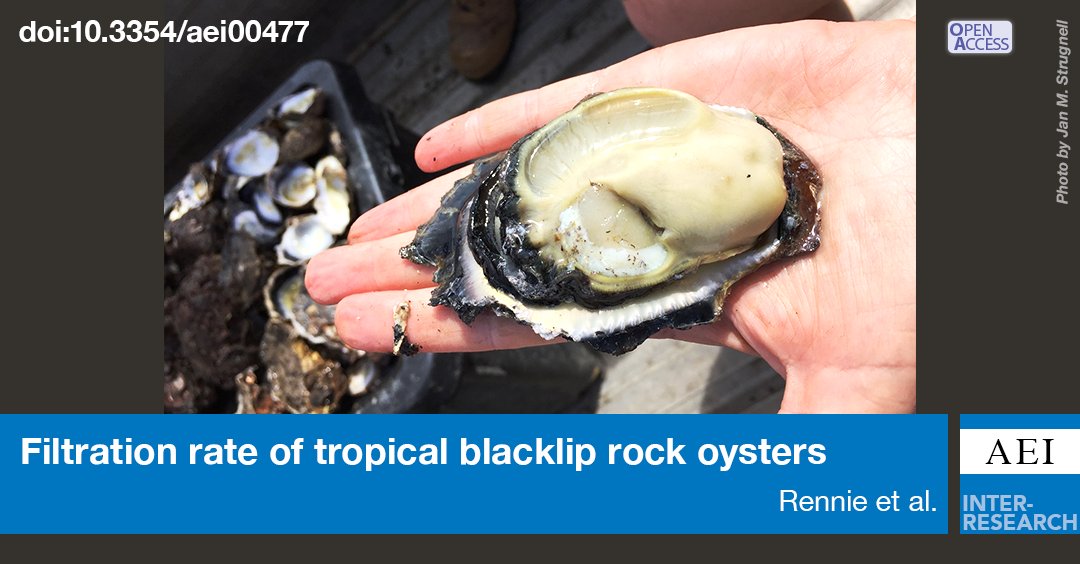
The tropical Blacklip Rock #Oyster is exceptional for bioremediation. Super-fast filtration rates and removes nitrogen, phosphorus, total suspended solids, chl a. Great potential for prawn waste-water bioremediation and #ReefCredits. https://t.co/WpjOEmLBLi
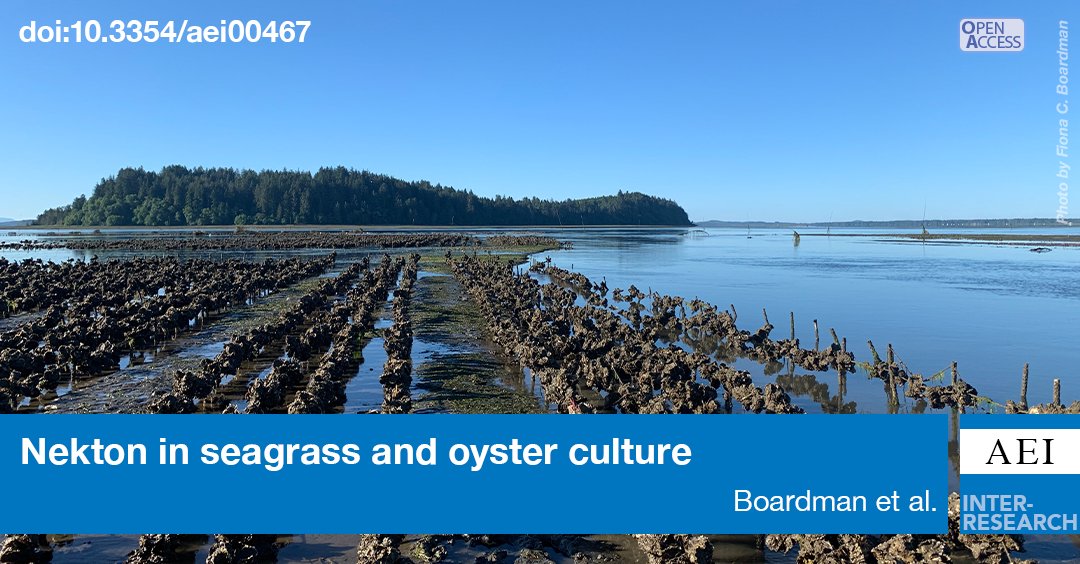
#Seagrass, on-bottom #oysteraquaculture, suspended oyster aquaculture, and bare mudflat create a habitat mosaic in Willapa Bay, WA. All habitat types are used by fish and mobile invertebrates, but with varying community assemblages. https://t.co/jqUkkibSXH
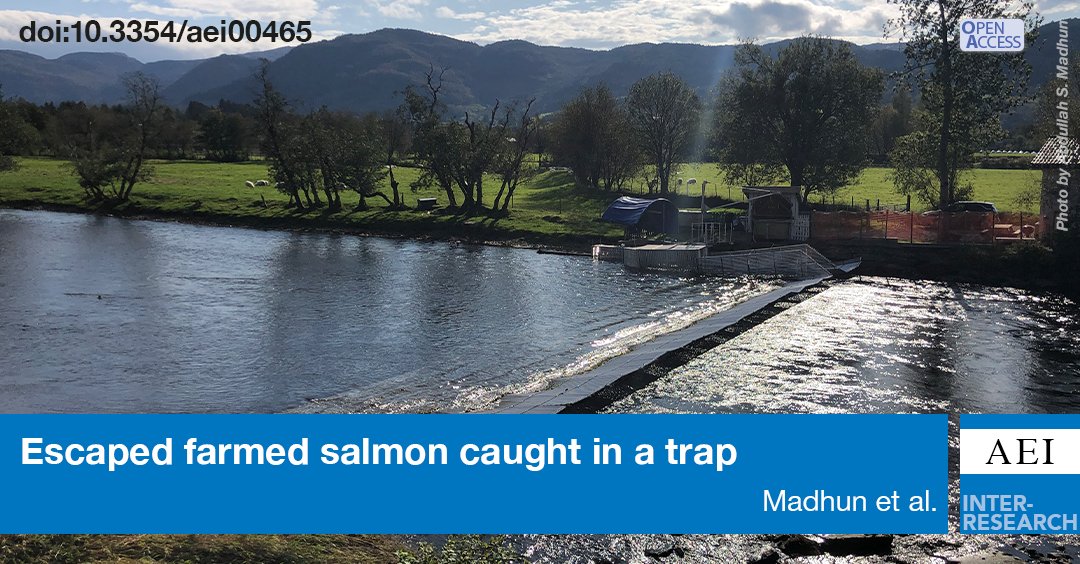
Over half of the farmed Atlantic salmon from a wild spawning population caught in an upstream migration trap in the River Etne, Norway, in the period 2014–2018 were mature. https://t.co/mHrDv8LeHu
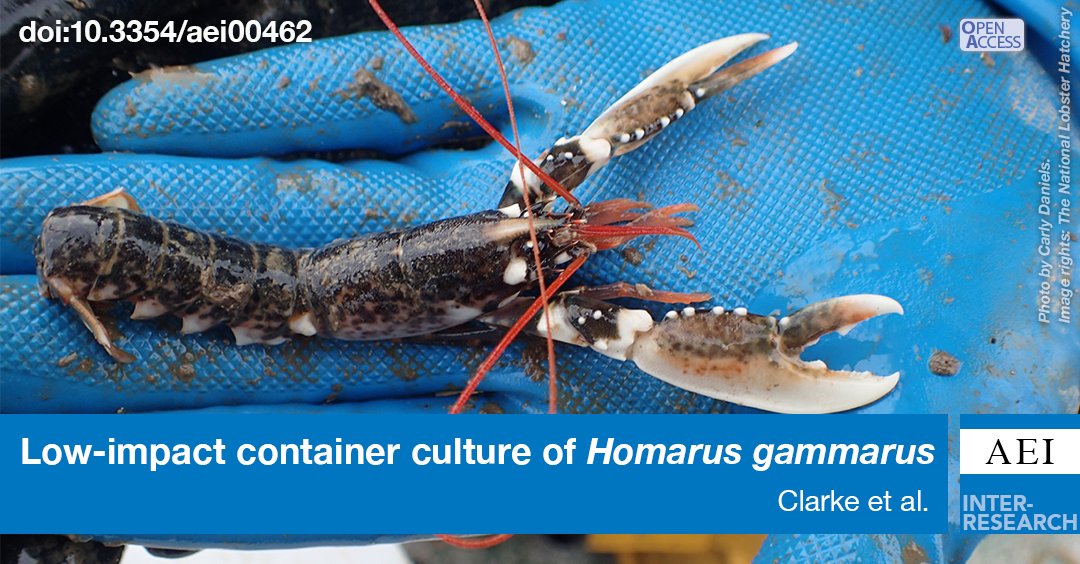
Exciting news! First paper from Lobster Grower 2 published. As part of LG2, our researchers investigated the impact of sea-based container culture (SBCC) of lobsters on the local ecology of the study site in St Austell Bay, Cornwall. Read more about it! https://t.co/m1TuOUGl4v
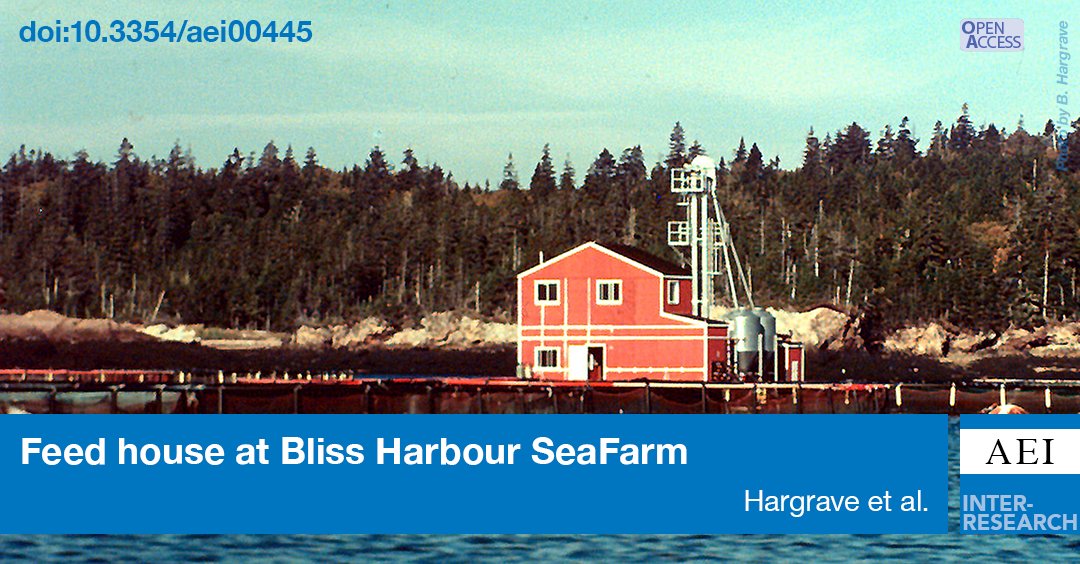
Models for salmon growth, feed supply, fecal production and sedimentation can be used for performance-based management of salmon farms to determine if regulatory standards for benthic impacts due to waste deposition are maintained. https://t.co/AmsV4tHxYX
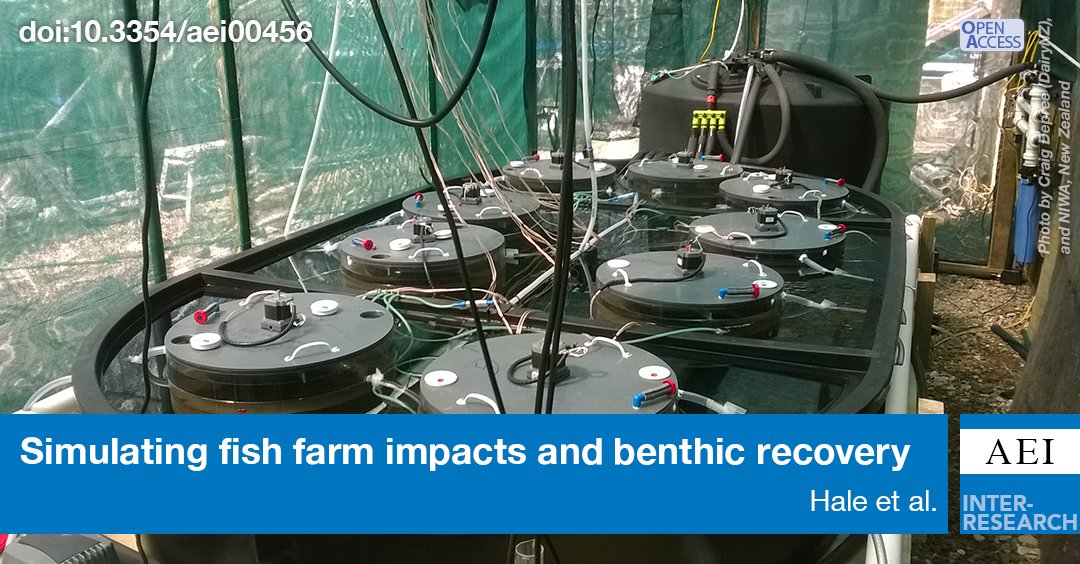
Excess benthic organic matter inputs affect the seafloor environment under intensive finfish aquaculture systems. Biogeochemical recovery times are input dependent with some parameters requiring longer fallowing periods to recover https://t.co/jrlPn1jiVM
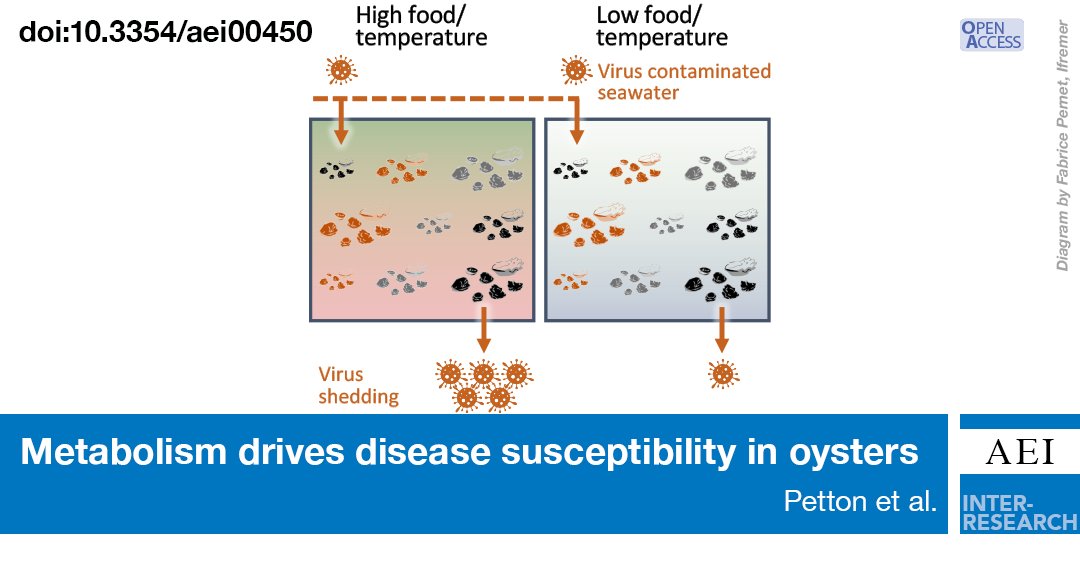
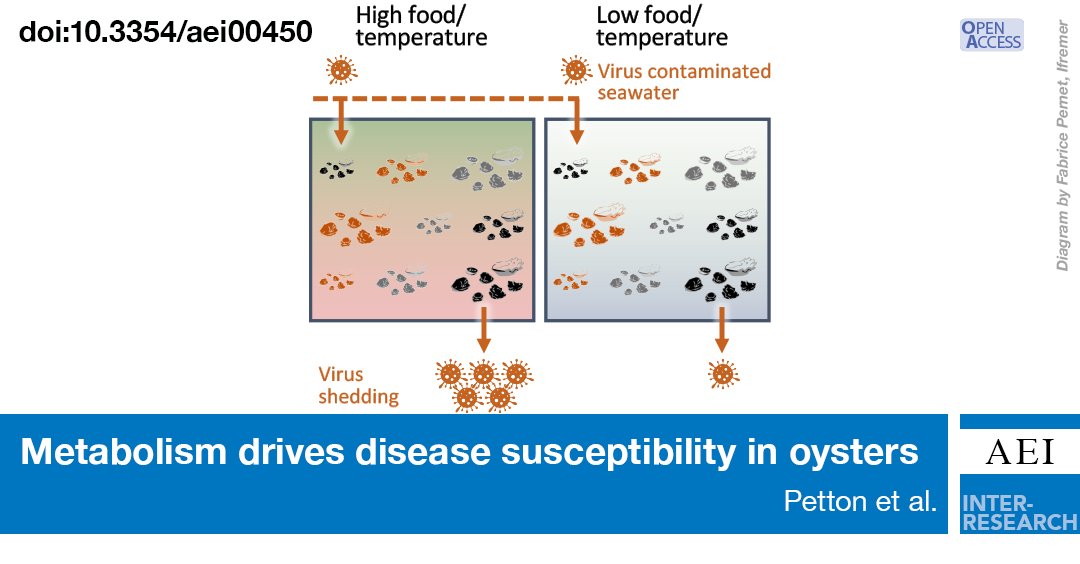
We show that factors forcing host growth promote viral proliferation and epidemic risk in oysters, thus providing perspectives for disease management based on manipulation of host metabolism. https://t.co/CUoYFid16g
@fpernet
We show that factors forcing host growth promote viral proliferation and epidemic risk in oysters, thus providing perspectives for disease management based on manipulation of host metabolism. https://t.co/CUoYFid16g
@fpernet
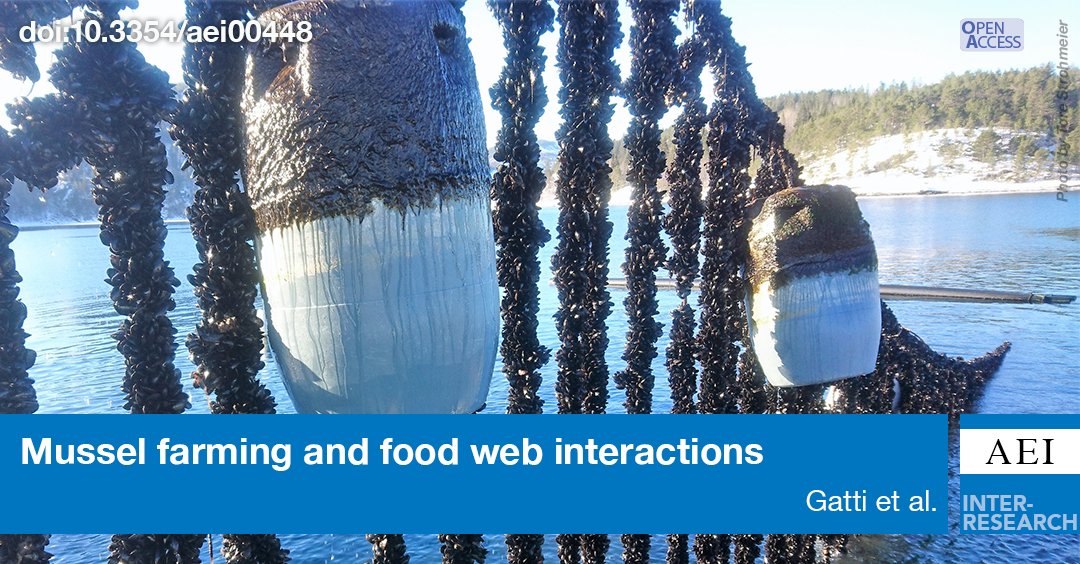
How much mussel farming could fit within a medium-productive fjord? Using an ecosystem model, this study explored the mussel farming capacity of the Hardanger fjord (Norway) and its interaction with the food chain and salmon farming. https://t.co/My2sTA5Kpo