We studied the behaviour of #AtlanticSalmon and #BrownTrout post-smolts in a marine protected area to safeguard Atlantic salmon populations. Species-specific differences were observed, with important implications for conservation efficacy. https://t.co/vMqCN2hbEn
Constructed dams on the main pathway of the Gorganroud River could not prevent extreme floods. Flooding caused sharp reductions in macroinvertebrate abundance. Maintaining environmental flows is critical for ecosystem resilience. https://t.co/Z07fzwt9wO
‼️‼️‼️ We are currently experiencing technical issues that may be affecting general access to our Inter-Research website. We are working to resolve them as soon as possible. ‼️‼️‼️
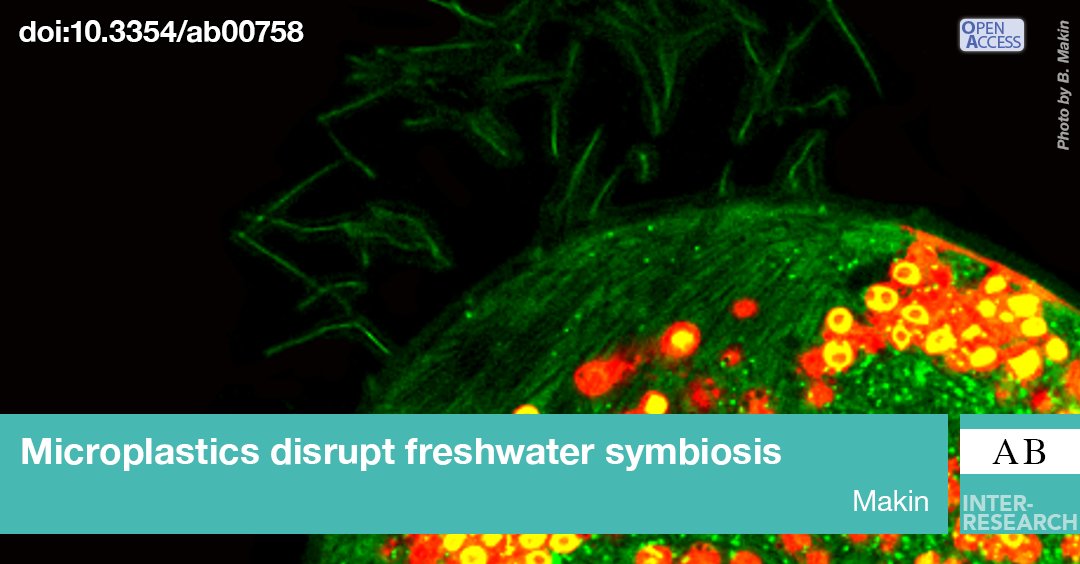
Can #microplastics disrupt #freshwater#photosymbiosis? We investigate the effects of microbeads on a ciliate-algae symbiosis, uncovering reduced net primary production with alarming potential implications for this widespread symbiosis
https://t.co/8pwud0ZQ9M
This study reports for the first time the ingestion and surface adhesion patterns between #microplastics and the soft #coral species Coelogorgia palmosa (Anthozoa Octocorallia Alcyonacea).
Read full article by Sara Vencato and colleagues: https://t.co/FwMyMnFu59
Video recordings show submerged spawning of #mudskipper Periophthalmus variabilis in the egg chamber of its burrow. The occasional creation of a water current by the male during hatching could help larvae to leave the burrow.
Read full article: https://t.co/GcyYwhiuF0
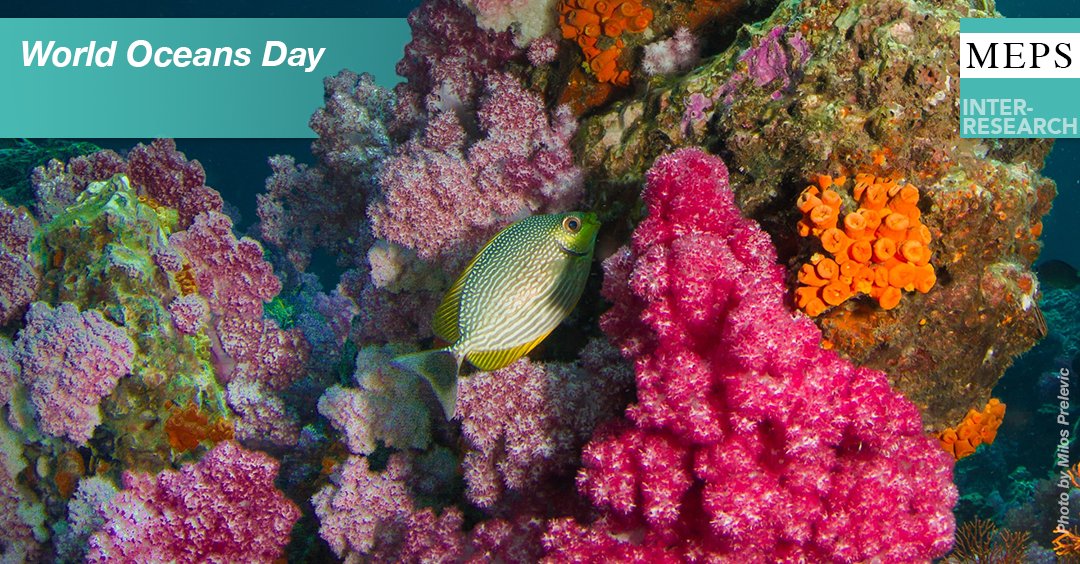
Happy #WorldOceansDay2021! Thank you to all who research, protect and discover the beauty of our oceans! Your work reminds us about the importance of healthy oceans! 🌊🌊🌊
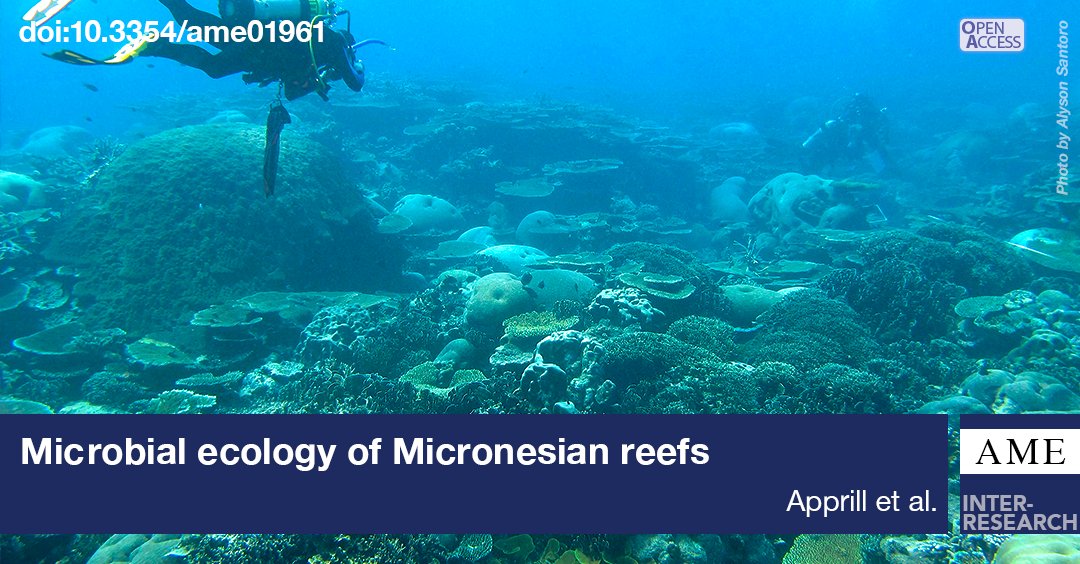
An examination of #Micronesian reefs across 875053 km2 shows that #reefwater#microbia ecology is influenced by the density and diversity of #corals as well as biogeographical-related features. #AME#OpenAccess
https://t.co/KzY0hgAV19
West Florida Shelf pipeline serves as sea turtle benthic habitat based on in situ towed camera observations.
Recently published study by Heather A. Broadbent et al. #OpenAccess article aviabale: https://t.co/xDzLSJbUD2
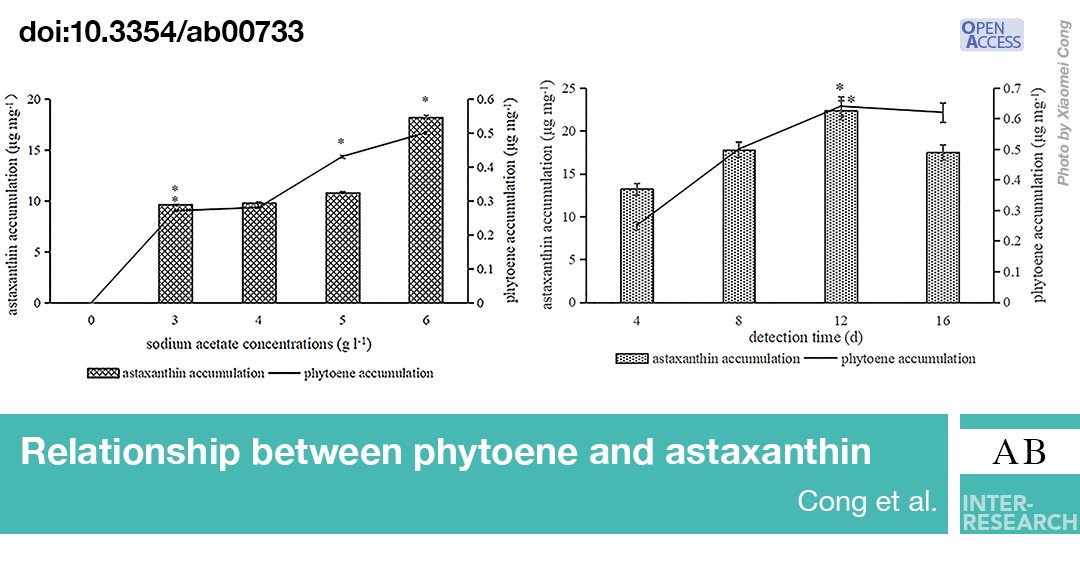
This study analyzed the transcriptional level of genes related to phytoene and astaxanthin synthesis, and it indicates that 6 g per litre NaAc and induction for 12 days provides the optimal inducing conditions for astaxanthin accumulation in H. pluvialis. https://t.co/M2FSJVozcz
Examining effects of surfactants on particle clearance rate and capture efficiency of the #blue#mussel Mytilus edulis.
Recently published study by Maria Rosa et al.
https://t.co/BxFdUmLCoi
"Effects of habitat on reef fishes biodiversity and composition in rocky reefs". Just published by Xu Zeng et al.
Read full article https://t.co/MeVWK7WCOR
#ReefFishes#habitat
#APPEAL project | New publication in @MEPS_IR by Le Marchand et al. : Climate change in the Bay of Biscay: Changes in spatial biodiversity patterns could be driven by the arrivals of southern species
@LemarLab@umrMARBEC@UMR_BOREA@Ifremer_fr#LOG
> https://t.co/YyxwAZTbbC
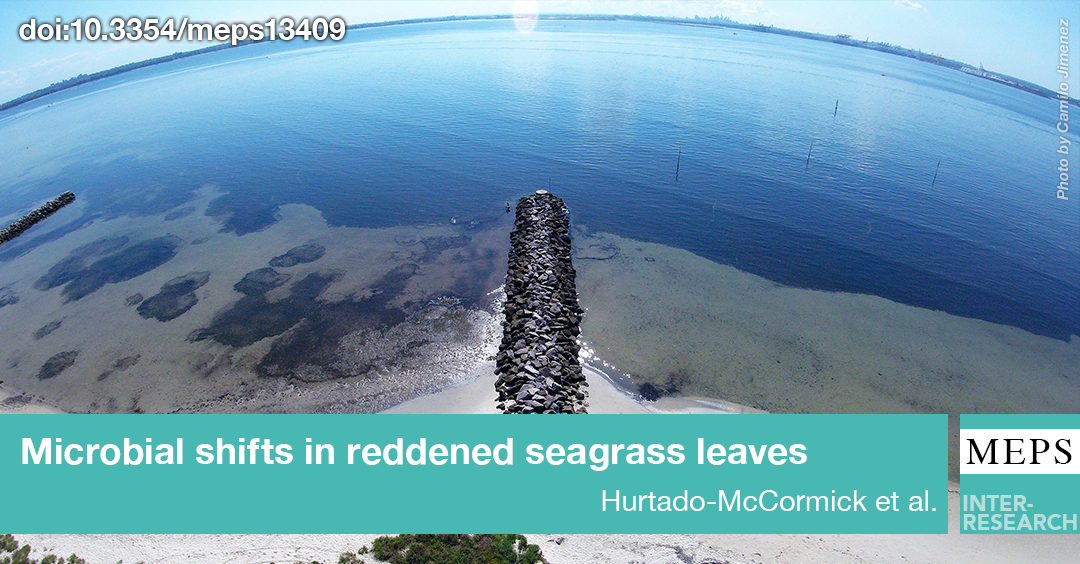
Our new paper is out: Hurtado-McCormick et al. showing impacts of leaf-reddening phenomenon on the microbiome of seagrasses. #plantecology#ecoevo@uts_c3@UTS_Science
Read more about this study ➡️ https://t.co/vZIeSnWC1Q
Gut microbiota variations in a rescued spotted #seal Phoca largha pup.
Just published study by Jiashen Tian and colleagues from Dalian Key Laboratory of Conservation Biology for Endangered Marine Mammals. #OpenAccess article https://t.co/7PNcERCV1l
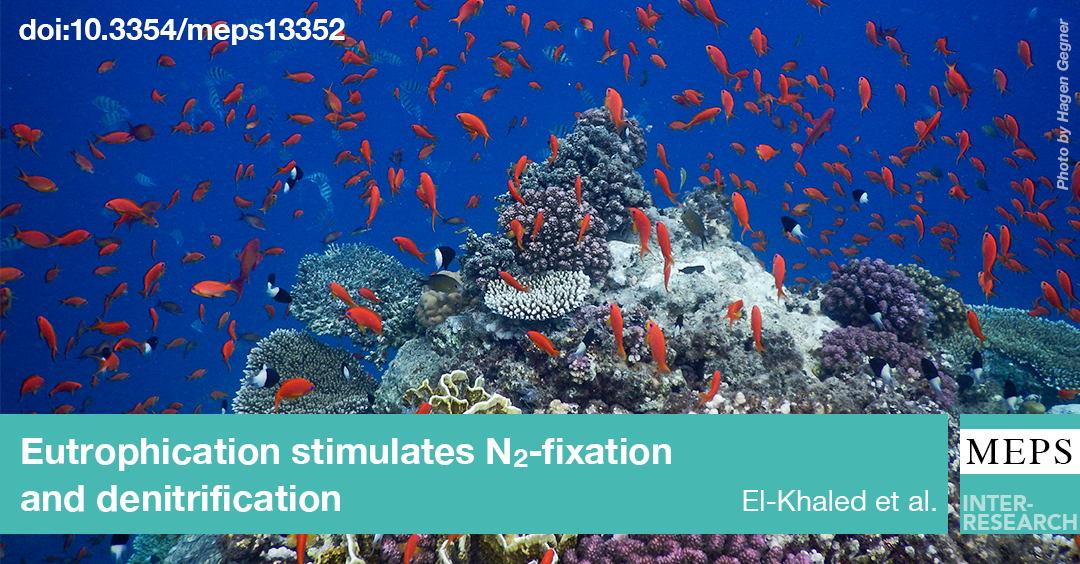
New study by @Yusuf_C_EK et al. reveals surprising stimulation of key biochemical processes in #coralreef organisms and substrates due to eutrophication.
Read more about this research: https://t.co/PXgCLB1bqk
Seston C:N:P ratios followed a Gaussian-like trend along the bloom. The taxonomic composition explained <30% of the variability in C:N:P and we suggest that community physiology is a stronger driver of the C:N:P stoichiometry.
Find out more ➡️ https://t.co/T1Giyb2rFe
Today we celebrate #WorldOceansDay! 🌊🌊🌊
Oceans play an enormous role on our planet! There are still a lot of challenges and research to do, and we are grateful to all scientists who protect, conserve and provide more knowledge about oceans every day! 🐙🦈🐟🦀