News coverage of N Atlantic right whales surged after the 2017 mortality crisis. US media emphasized policy solutions, while Canada focused on injuries + deaths, with research and solutions. https://t.co/WT21zAiqcR
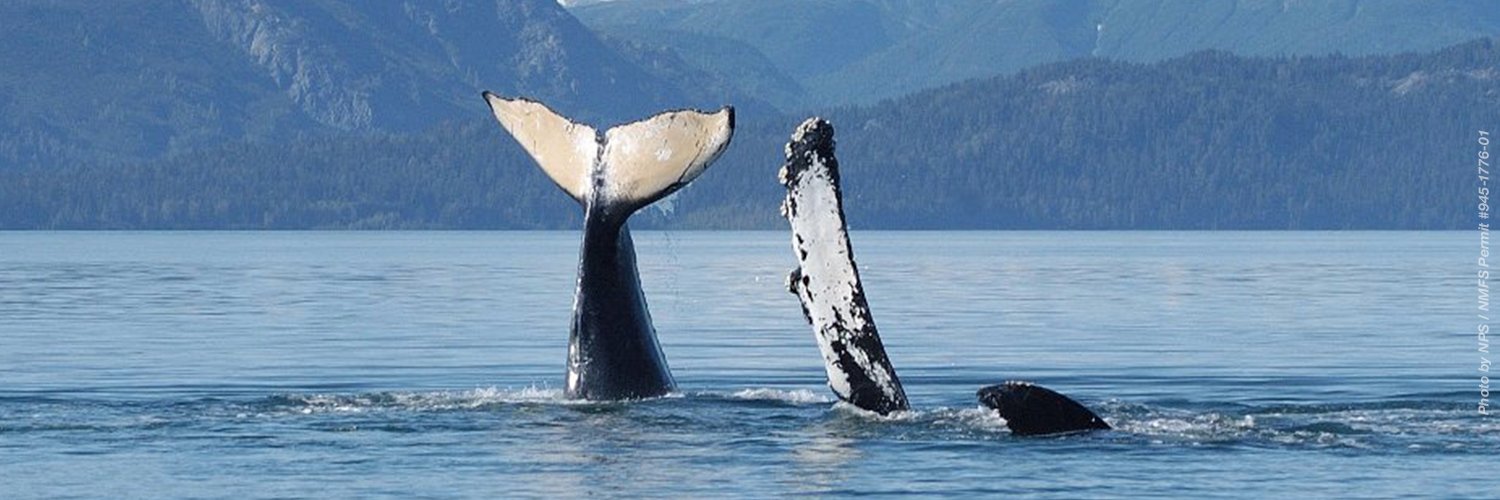
A study spanning 46 yr shows that Southern Resident killer whales have shifted their activity budget in the central Salish Sea. https://t.co/PYzXdDB8bV
Once numbering >200,000, Antarctic blue whales were hunted to the brink of extinction by commercial whaling. A new study shows that today they are still only at 2% of their pre-whaling levels, and it may take more than a century for them to fully recover. https://t.co/a0eNfiTtGj
We investigated bacterial communities of 49 loggerhead sea turtles in the northwest Atlantic Ocean using cloacal lavage samples taken across 3 yr. Our findings provide insight into the factors shaping microbiome composition. https://t.co/cF9K0dpTOj
#RapaNui's #GreenTurtles show slow growth and signs of compromised physiological condition. Protecting this culturally significant population requires integrating ecological, demographic, and health perspectives. https://t.co/TvKHSjzULc #MarineConservation#WildlifeHealth.
Mongolian and American researchers use non-lethlal metabarcoding to identify diet and parasites of Siberian taimen, the world's largest salmonid fish. Among the diet items identified was a rodent, although fish were more common prey. https://t.co/84VjfhhoGl
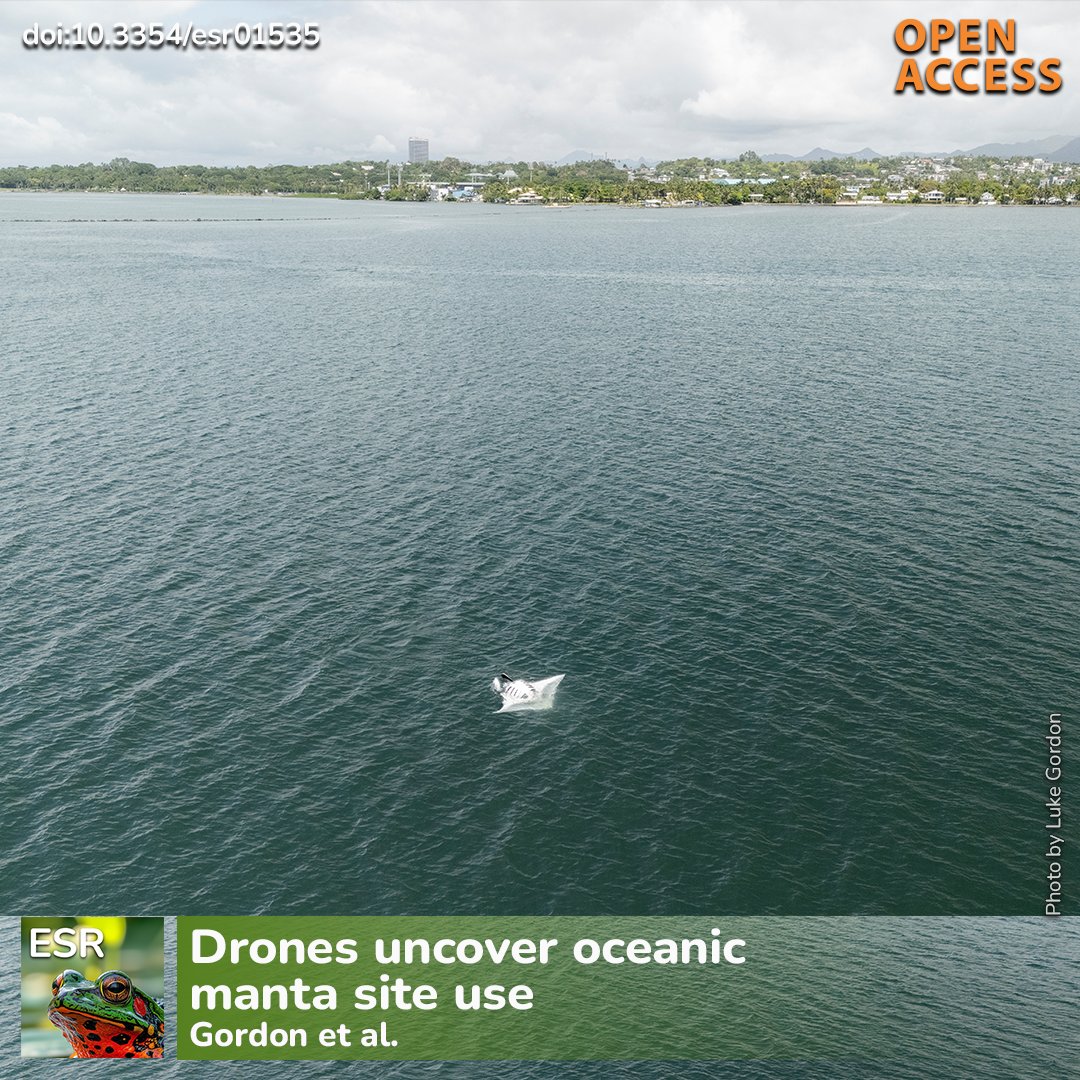
Endangered oceanic manta rays show inter- & intra-annual site fidelity to a turbid coastal bay near Suva, Fiji! Our drone surveys highlight the unexpected ecological importance of these habitats for the species. https://t.co/kFzEhk5LA7
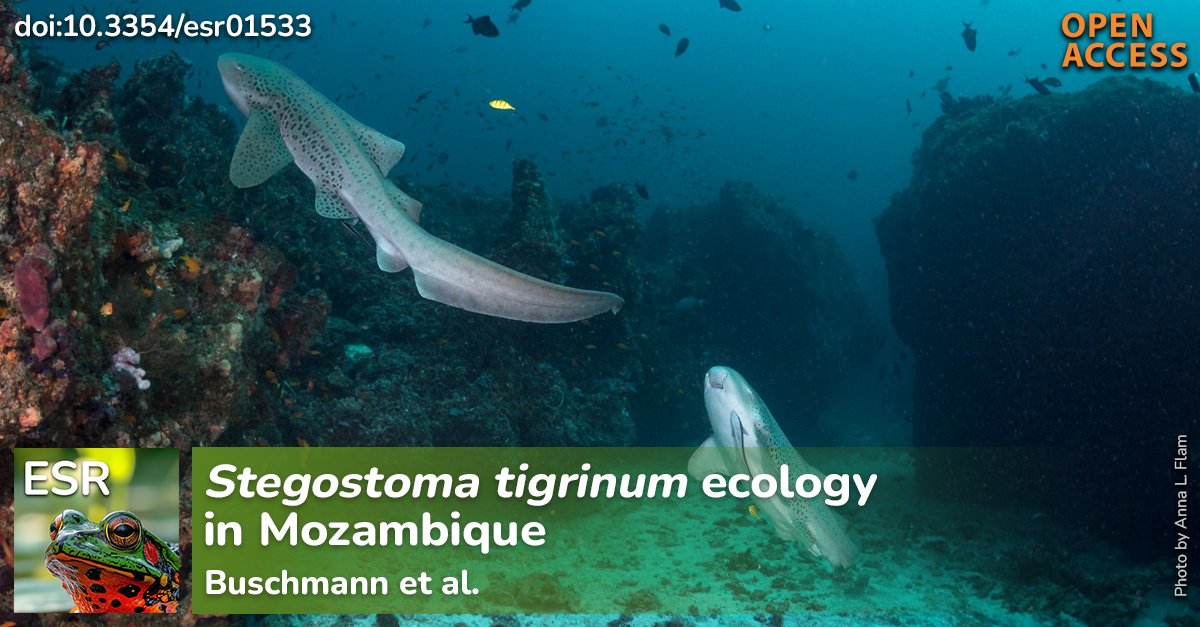
A 14 yr study of Endangered Indo-Pacific #leopardsharks in #Mozambique reveals seasonal sighting patterns, a female-biased population dominated by adults, and the first observations of courtship behaviour in the Western Indian Ocean. https://t.co/8B9h8AJ5pM
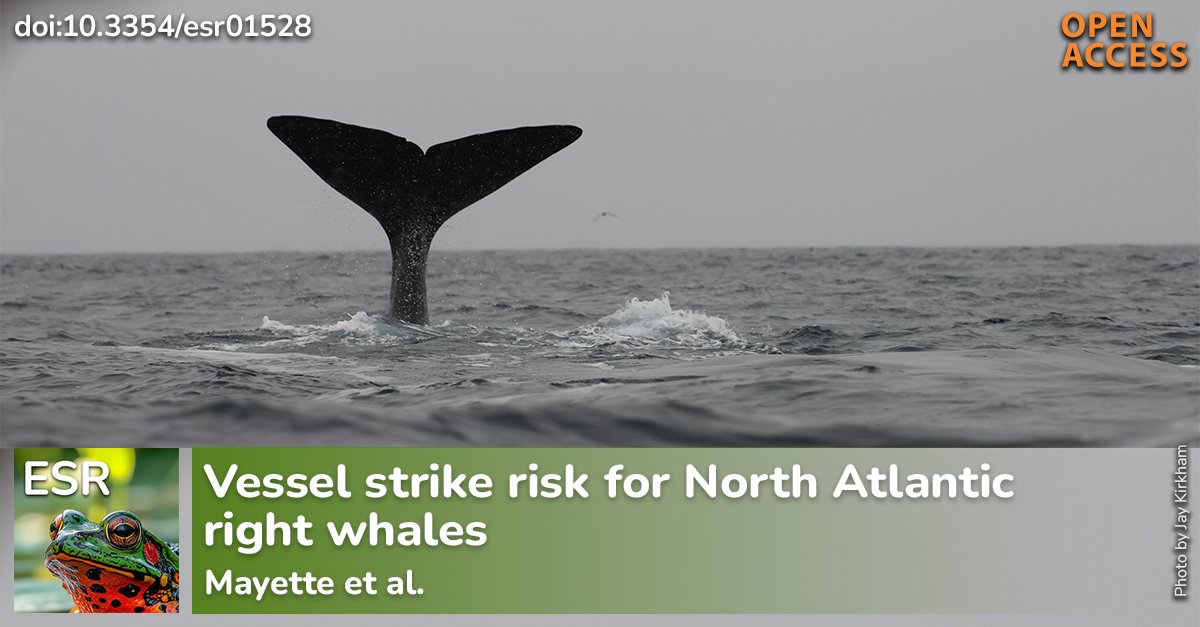
First assessment of #VesselStrike risk for #NorthAtlanticRightWhales and the protection measures implemented in the #GulfOfStLawrence, #Canada. As maritime traffic keeps increasing, rerouting vessels is the most effective measure. https://t.co/9MXKC2Dign
New ESR study provides quantitative reference data on dorsal hair of the Critically Endangered European mink Mustela lutreola, supporting interpretation of hair samples for conservation monitoring and reference collections. https://t.co/5JWM6wrvww
#EuropeanMink#Conservation
A new study on the threatened moss Buxbaumia viridis predicts a potentially drastic loss of suitable habitat in Slovenia under future climate scenarios. Protecting deadwood-rich spruce-dominated forests may be critical for its long-term survival. https://t.co/fVAmgWb1oh
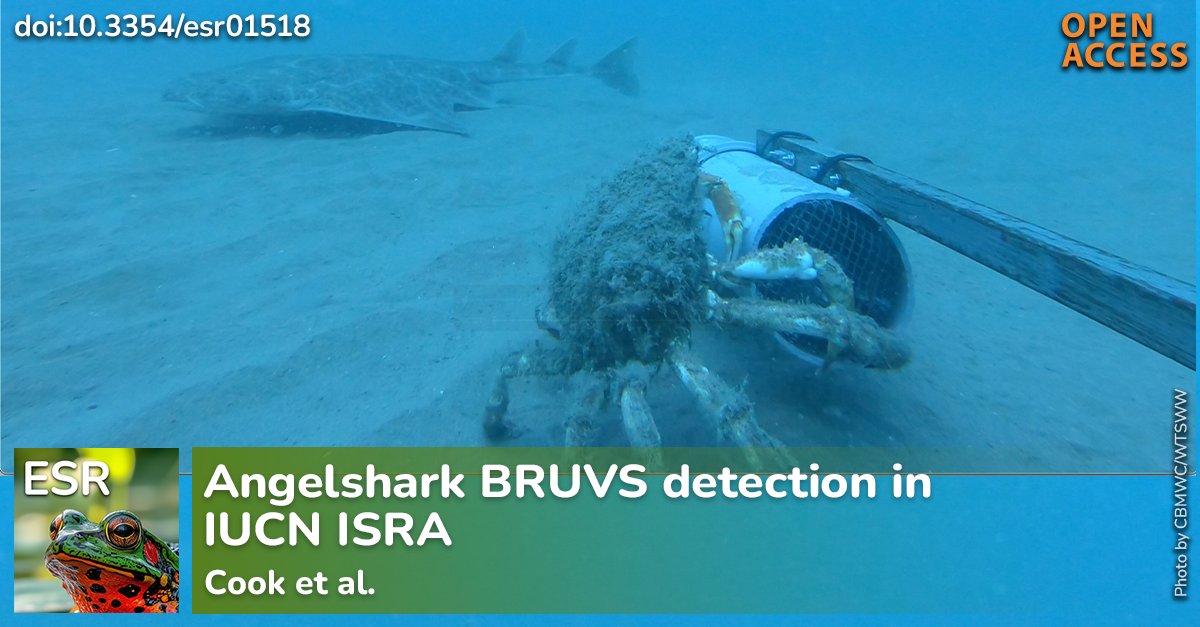
🦤🦈🌊 Angelshark (Squatina squatina) detections on baited remote underwater video stations in Cardigan Bay demonstrate repeated habitat use, supporting the IUCN Cardigan-Caernarfon Bay Important Shark and Ray Area as important habitat area. https://t.co/Z1mJWB35os
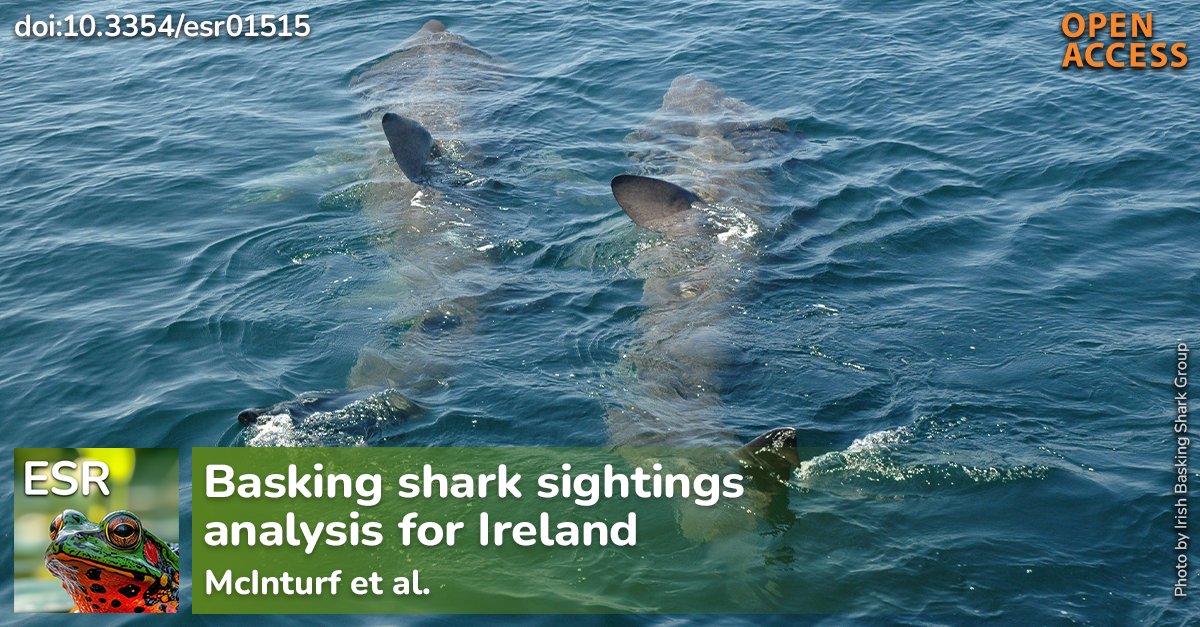
46 years of basking shark sightings in Ireland reveal rising numbers, larger groups, and seasonal hotspots tied to ocean conditions. Ireland remains a key habitat for this species, underscoring the need for targeted and dynamic management. https://t.co/lUWP17kG3x
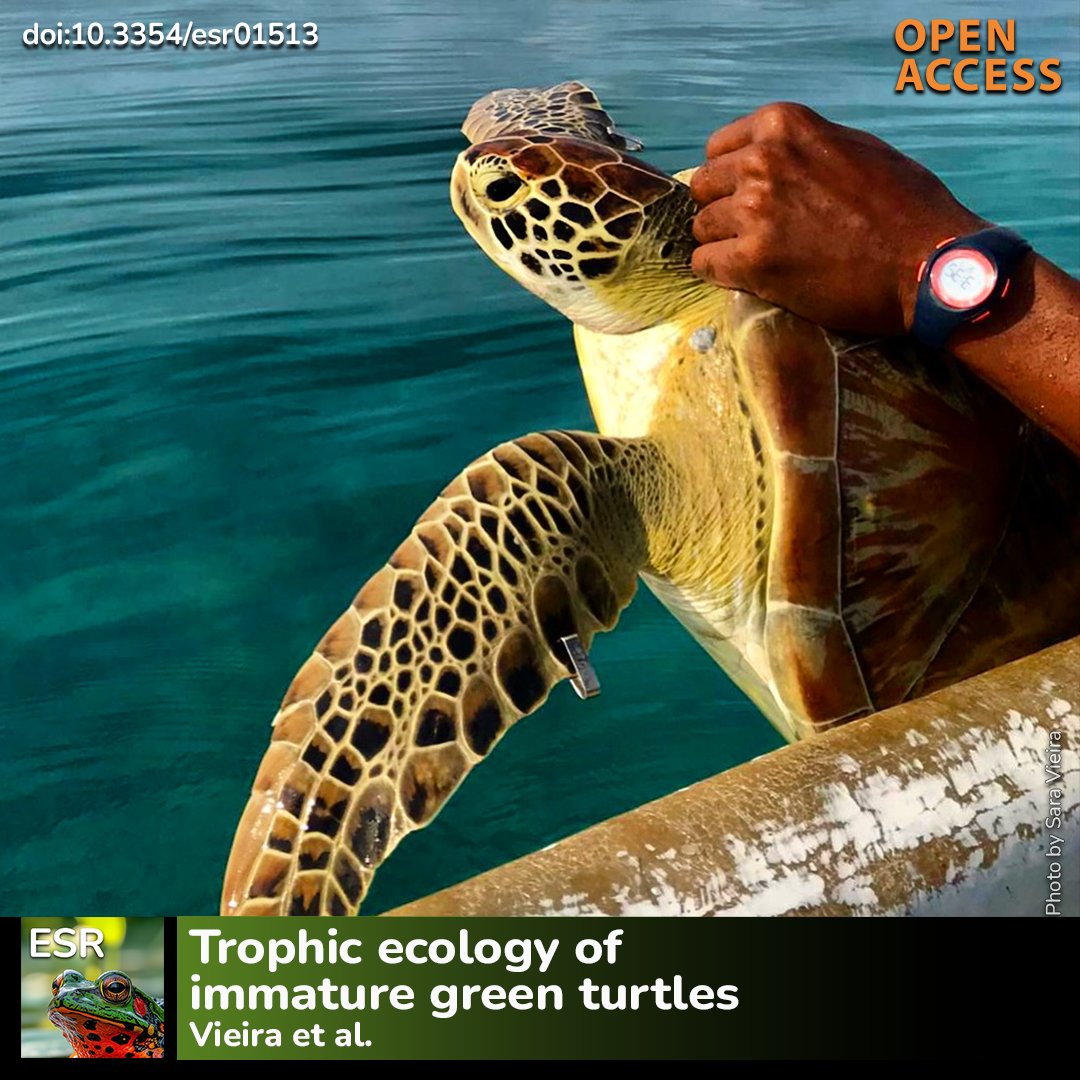
What do immature green turtles eat in São Tomé? We combined stable isotopes and RNA/DNA to uncover diet shifts and nutritional condition across habitats, key insights for conservation in the Gulf of Guinea. https://t.co/wkSu6dNeGp
Endangered Cook Inlet belugas were absent from the Kenai River during peak fishing season, despite high salmon counts. Acoustic and visual monitoring suggests anthropogenic activity may be influencing their use of key foraging habitat. https://t.co/V3mcriZhZn