ACPD is a nonpartisan & independent organisation focused on protecting human rights, advancing peace & promoting democratic values through research & dialogue.
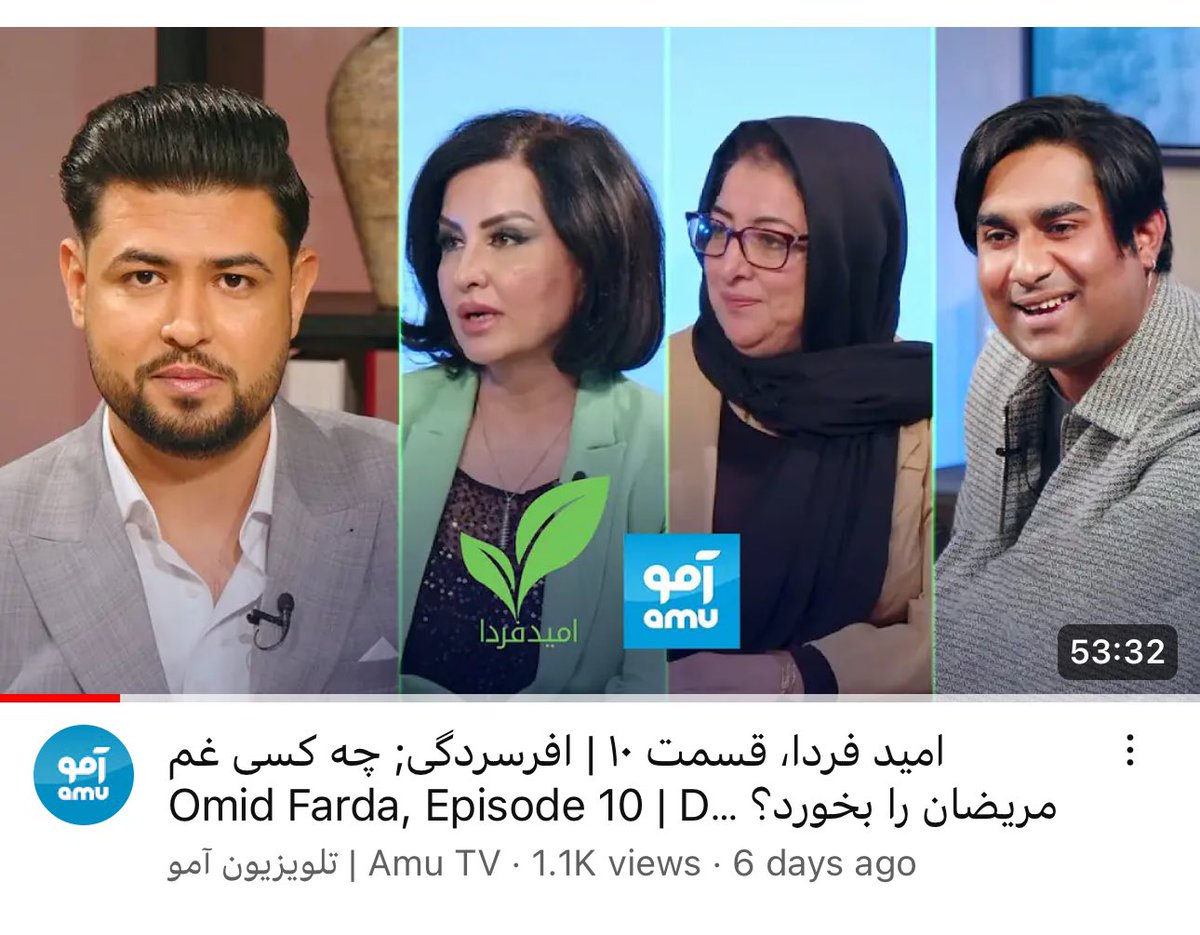
Under the Taliban's gender-apartheid regime, a rapid proliferation of psychological issues, including severe depression, is taking place among women who feel marginalised.
In this episode https://t.co/ACqKQ9GQmH aired on @AmuTelevision, we have looked into the issue.
In Geneva, attending a 2-day workshop initiated by @Cdp_Geneva on the organisation of Afghanistan's Emerging Civil & Political Forces Network compromised of civil society orgs active in various aspects from humanitarian, human rights, private sector, diaspora, and dialogue
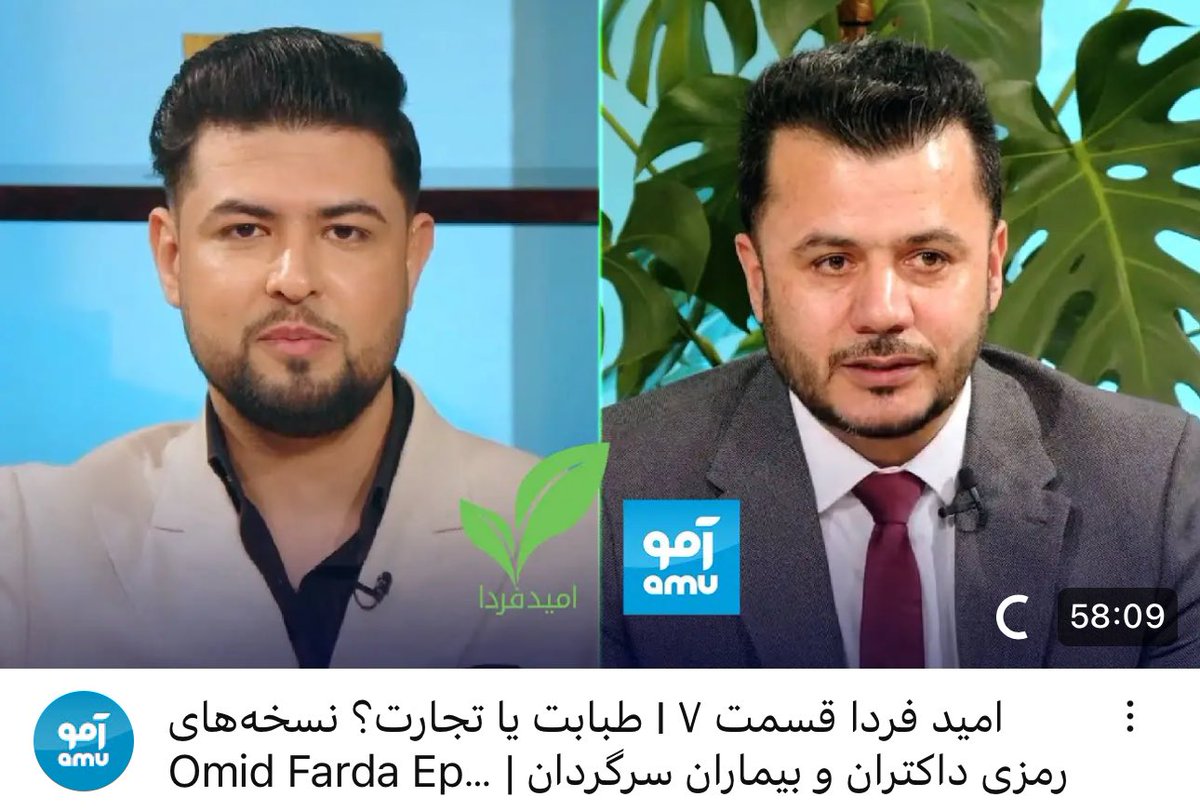
Medicine or business? An assessment of Afghanistan's healthcare system
The sharp reduction in financial and technical development support for Afghanistan’s public health system since the Taliban takeover in August 2021 has severely harmed the country’s healthcare system.
The lack of sufficient healthcare services has undermined the right to health for millions of people in Afghanistan and has left the population vulnerable to disease and other consequences of inadequate medical care. Women and girls have been disproportionately affected by the healthcare crisis, particularly because of Taliban abuses. The Taliban’s restrictions on women’s freedom of movement and employment with humanitarian and other organizations have gravely impeded women and girls’ access to health services, while bans on education for women and girls have blocked almost all training of future female healthcare workers in the country.
In this episode of “Tomorrow’s Hope” show, presented by Sear Sadat, we look at healthcare system in Afghanistan, the past and a disaster for foreseeable future.
You will hear stories of patients, who take long journeys abroad for medical treatment. You will also hear how some doctors in Afghanistan use coded prescriptions to abuse their patients.
https://t.co/lW5tV5vDRS
“The Taliban are responsible for one of the most dire and appalling human rights situations worldwide. By eliminating half of the Afghan population from public life and political decision-making, they put the very future of Afghanistan into jeopardy” https://t.co/cD8aY2820U
More than a third of children surveyed in Afghanistan are pushed into child labour under the Taliban rule, a recent survey by Save the Children suggests.
Around 3.5 million children in Afghanistan are engaged in child labour and some of them working even in coal mines.
Children are being forced into dangerous situations to support themselves and their families. Roughly 90 per cent of the population in Afghanistan is on the brink of poverty and children bear the brunt of it.
The number of child laborers is only likely to grow as the dire economic and humanitarian crises worsen in Afghanistan.
In this episode of Tomorrow’s Hope show, presented by Sear Sadat, we look at “Child Labour in Afghanistan”, and the hardship they bear. You will hear painful stories of child laborers. You will also watch the story of a child laborer, who has ended up running one of the biggest furniture showrooms in London.
Link to the show: https://t.co/B82jESsFQq
Together with other UN experts, I urge #Taliban to end arbitrary detention of women & girls for "bad hijab" that violates their human rights & agency, perpetuating an institutionalised system of discrimination. I continue to look into related allegations👇https://t.co/YRckd889xD
https://t.co/pswarCRCQt
On 13 December 2023, a Parliamentary Roundtable, organised by @MosaicAfg and the @InstituteGC, was convened at the @UKParliament to discuss the pressing need for establishing an inclusive, diverse and democratic civil society forum of #Afghanistan. Important questions were raised: How can we, as the people of Afghanistan living outside the country, collectively foster a robust and unified narrative to instigate change within Afghanistan’s political and social landscape? Also, how can civil society play a meaningful role in a process leading to political settlement in Afghanistan?
It was great meeting @LisaCurtisDC, Director, Indo-Pacific Security Prog and @CNASdc, and an old friend, @pforzheimera, who served in Afghanistan as a senior diplomat. We discussed Afghanistan’s Civil Society in Exile: Issues and Prospects.
Drug Addiction: Afghanistan’s Silent Tsunami
The pervasive issue of drug addiction in Afghanistan, affecting an alarming four million people, is a deeply concerning manifestation of the country's complex social problems. The precarious socio-economic conditions, political instability, and protracted conflict have contributed to the proliferation of drug production and trafficking. Afghanistan is a major global producer of opium, fueling the opioid trade and exacerbating the domestic drug crisis. The consequences of addiction reverberate throughout Afghanistan’s society, impacting individuals, families, and communities. In this episode of Tomorrow’s Hope show, presented by Sear Sadat, we look at drug addiction, the silent tsunami in Afghanistan that is taking lives every day. You will hear painful stories of drug addicts both in Afghanistan and in the UK.
Link: https://t.co/PinOO4ob9R
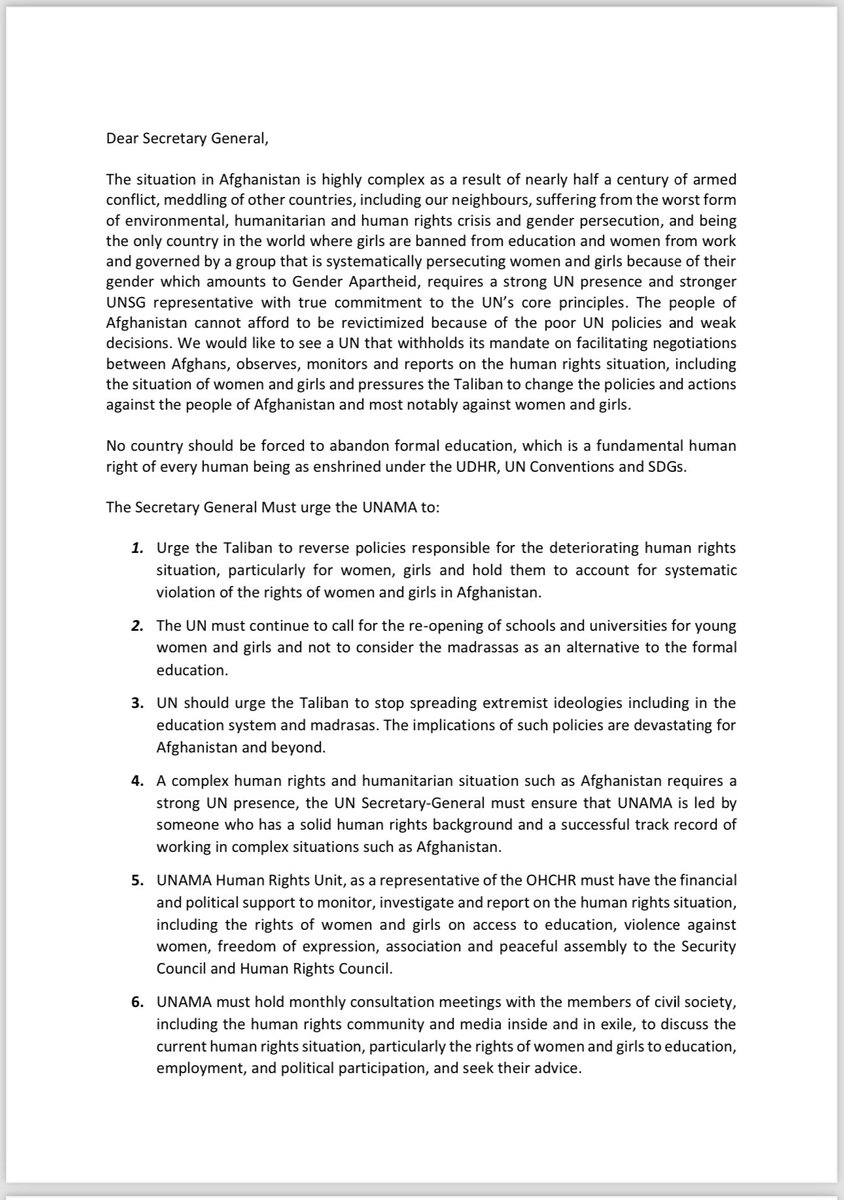
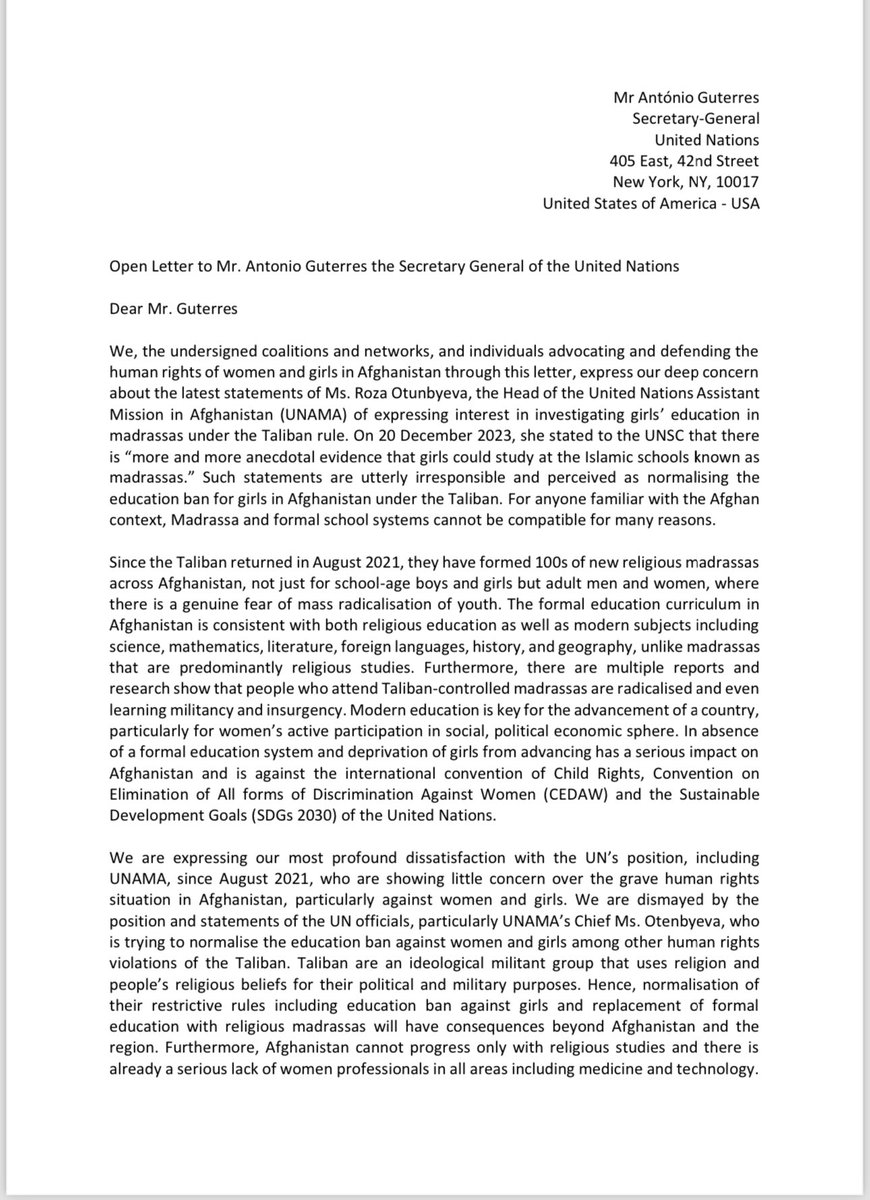
170 organisations, including ACPD, and individuals signed this open to @antonioguterres :
“The situation in Afghanistan is highly complex as a result of nearly half a century of armed conflict, meddling of other countries, including our neighbours, suffering from the worst form of environmental, humanitarian and human rights crisis and gender persecution, and being the only country in the world where girls are banned from education and women from work and governed by a group that is systematically persecuting women and girls because of their gender which amounts to Gender Apartheid, requires a strong UN presence and stronger UNSG representative with true commitment to the UN's core principles.”
@heatherbarr1@SR_Afghanistan@SE_AfghanWGH
Sikh and Hindu exodus from Afghanistan as community flees extremist persecution
آوارگی مدام سرداران افغانستان
صاحب خانههای آواره؛ روایت تلخ کوچ دستهجمعی سیکها و هندوها از افغانستان. قصه دردناک اقلیتی که همیشه مورد تبعیض قرار گرفته.
چرا سیکها و هندوهای افغانستان خاک شان را ترک کردند؟ پاسخ این سوالات را در این برنامه بشنوید 👇
https://t.co/j2UceV4b6K