Presented this work at #ICML2026@genbio_workshop !
We introduce an order-agnostic approach to RNA inverse design. The result is more diverse, higher-confidence designs with higher solve rates while requiring fewer samples than standard best-of-N methods.
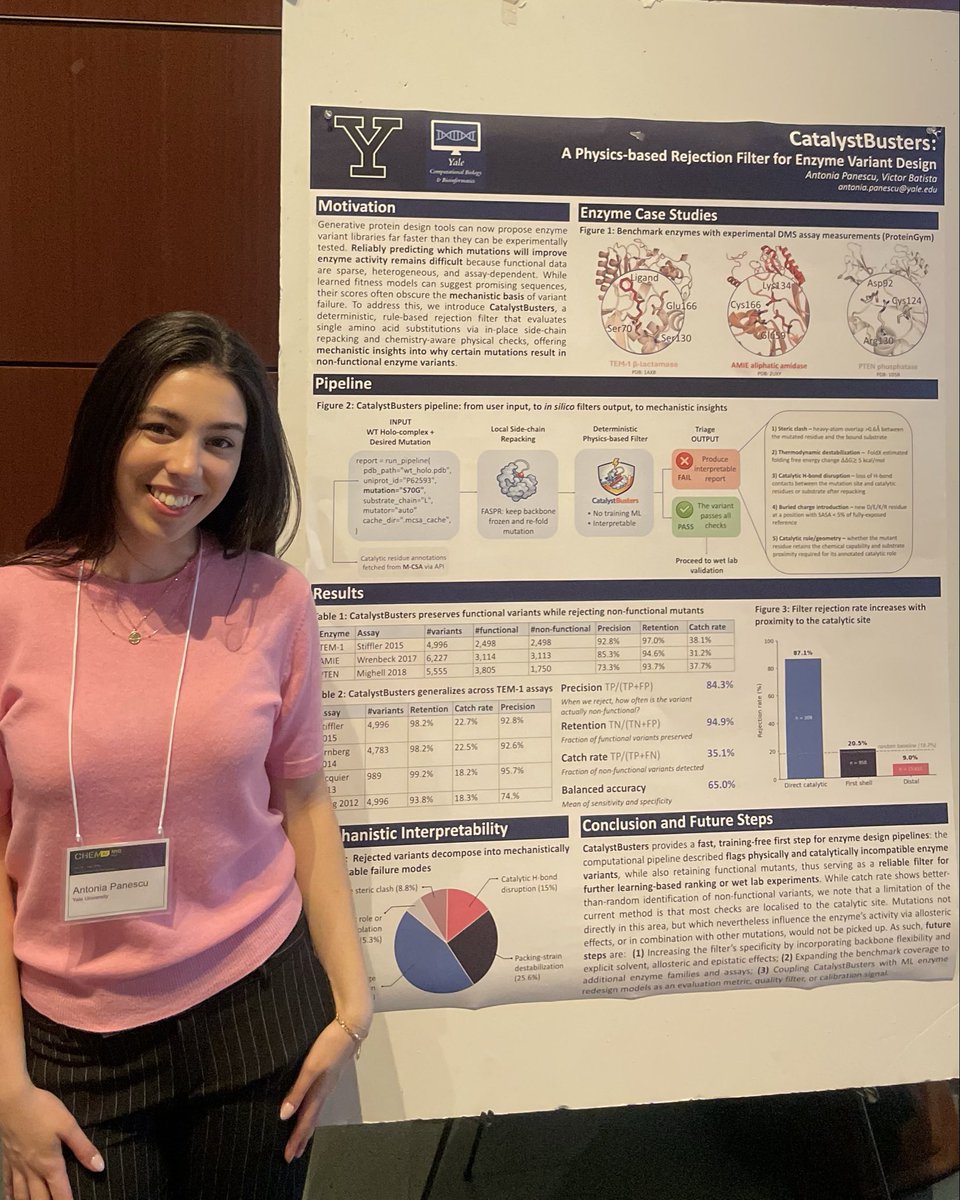
Had a great time attending ChemAI NYC 2026, presenting #CatalystBusters
If you’re looking for a physics-based, deterministic benchmark for your ML-generated enzyme sequences, consider using this!
Had a great time contributing to this collaborative effort across biomedical domains!
A key question we asked was: can AI agents tell when the available data is sufficient to support a reliable conclusion? An important step toward trustworthy AI-driven scientific discovery 🤖🧬
1/ 🤖Can agents solve problems in science? Most agent benchmarks test math/coding or reduce research to Q&A. Neither captures real research: multi-step workflows, messy data, tool use, knowing when a task is even feasible. So we built SciAgentArena: 200 tasks, 6 domains.
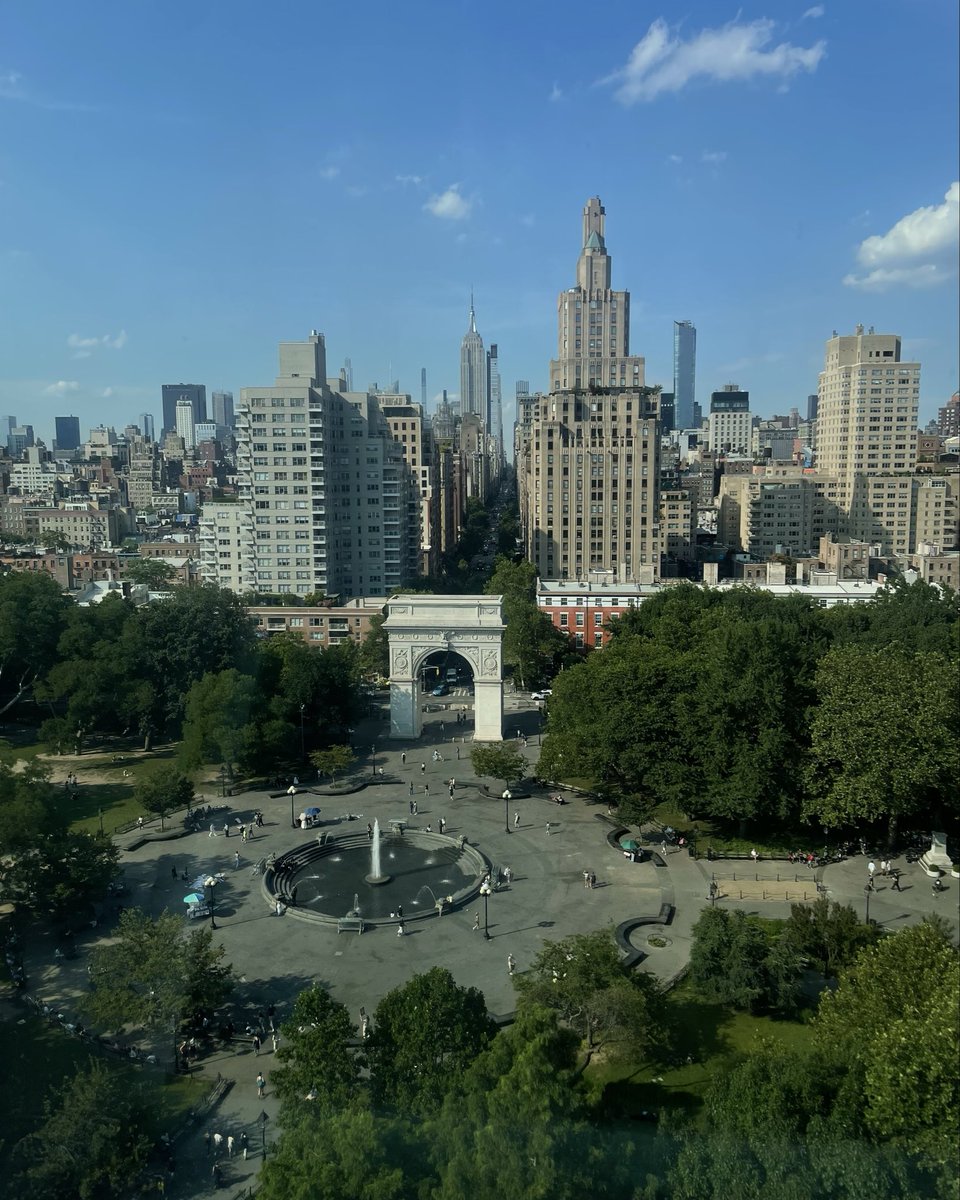
A Lab with a View
Excited to spend my summer at the @BerkeleyLab in California, extending our previous work on Zatom-1!
Check out the paper here: https://t.co/QH6T1HYHYh
This summer, I’ll also be at ChemAI NYC 2026 presenting CatalystBusters, a physics-based filter for triaging enzyme variants before synthesis, and at @icmlconf in Seoul, South Korea, where I will share some recent methodological work for RNA design.
Introducing Zatom-1, the first end-to-end, fully open-source foundation model for 3D chemistry! This was a great collaborative effort with many brilliant scientists. I'm grateful to have played a small part.
Paper: https://t.co/QXRCwnCFN8
Code: https://t.co/OC4JLhwsiR