Decision Making has 3 interlinked aspects:
•Power processes: how individuals influence decision-making (persuasion, negotiation and bargaining)
•Power outcomes: who finally takes decisions & extent to which spouses agree
•Final outcomes: e.g. expenditure & division of labor
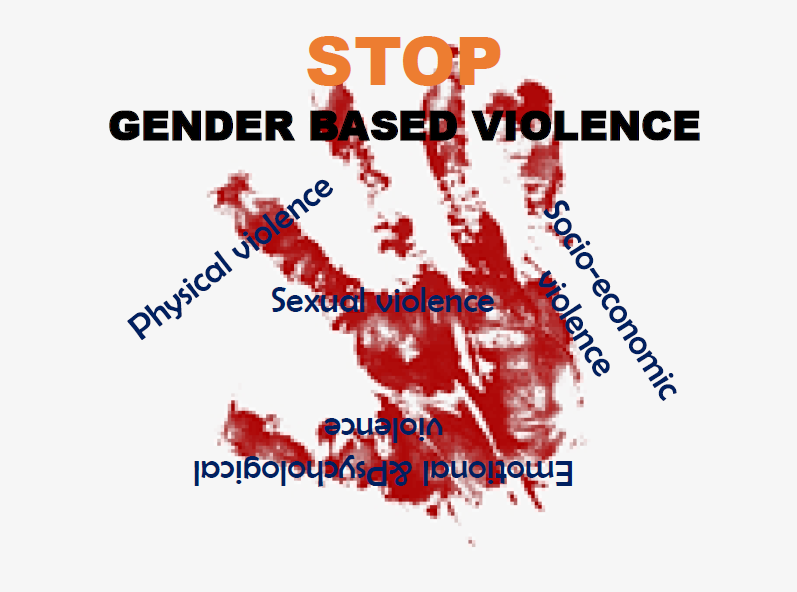
GBV can take many forms e.g intimate partner violence, sexual violence, child marriage, female genital mutilation and so-called ‘honour crimes’.
The consequences of gender-based violence are devastating and can have lifelong repercussions for survivors. It can lead to death
Gender-based violence is preventable and UNHCR is committed to promoting gender equality and human rights and to protecting refugees and other persons of concern from GBV.
GBV is a serious violation of human rights and a life-threatening health and protection issue. It's estimated that 1/3 women experience sexual or physical violence in their lifetime. During displacement in a crisis, the threat of GBV significantly increases for women & girls
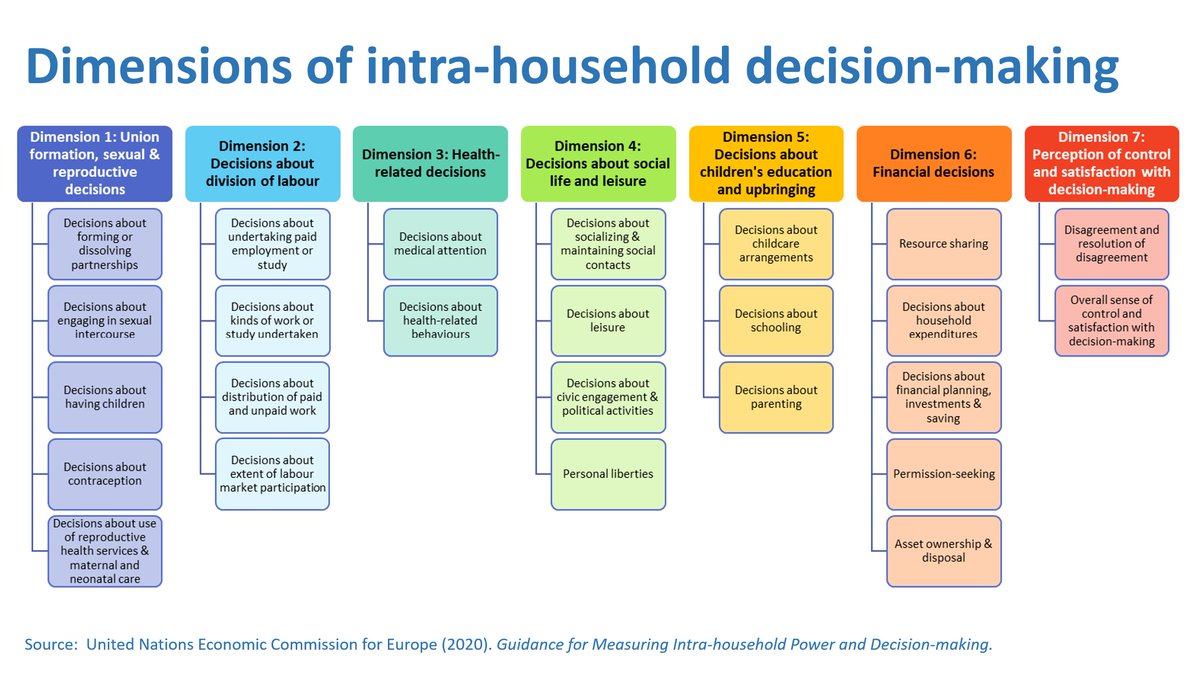
Overview of Measuring Intra-Household Bargaining Power & Decision-Making
-Importance & relevance
-Relevance to the SDGs
-What is ‘decision-making’
-Identifying ‘power’
-Dimensions & components of intra-household decision-making
-Current practices/experiences
@UAPS_UEPA
Integrating Gender Into Economic Interventions:
"UN Women is a global champion for gender equality and women empowerment... has programmes that allow them to mainstream gender within all areas" - Margaret M’bale
@EugeneMuchai@UAPS_UEPA#AfricaGenderStatistics
Shared responsibility should not be understood as limited only to responsibility for the performance of domestic tasks, but may include all rights and duties in which power is exercised and decisions are made.
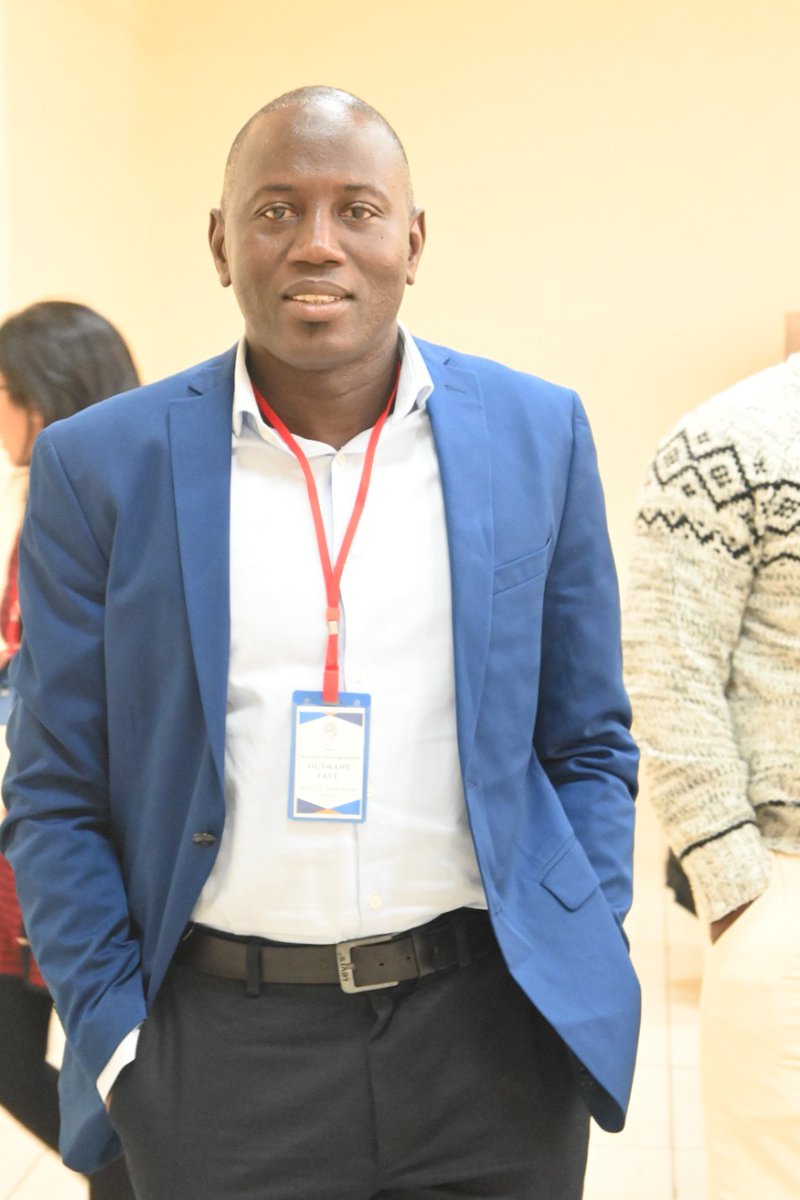
Dr. Ousmane Faye: Intra-Household Bargaining Power and Decision-Making
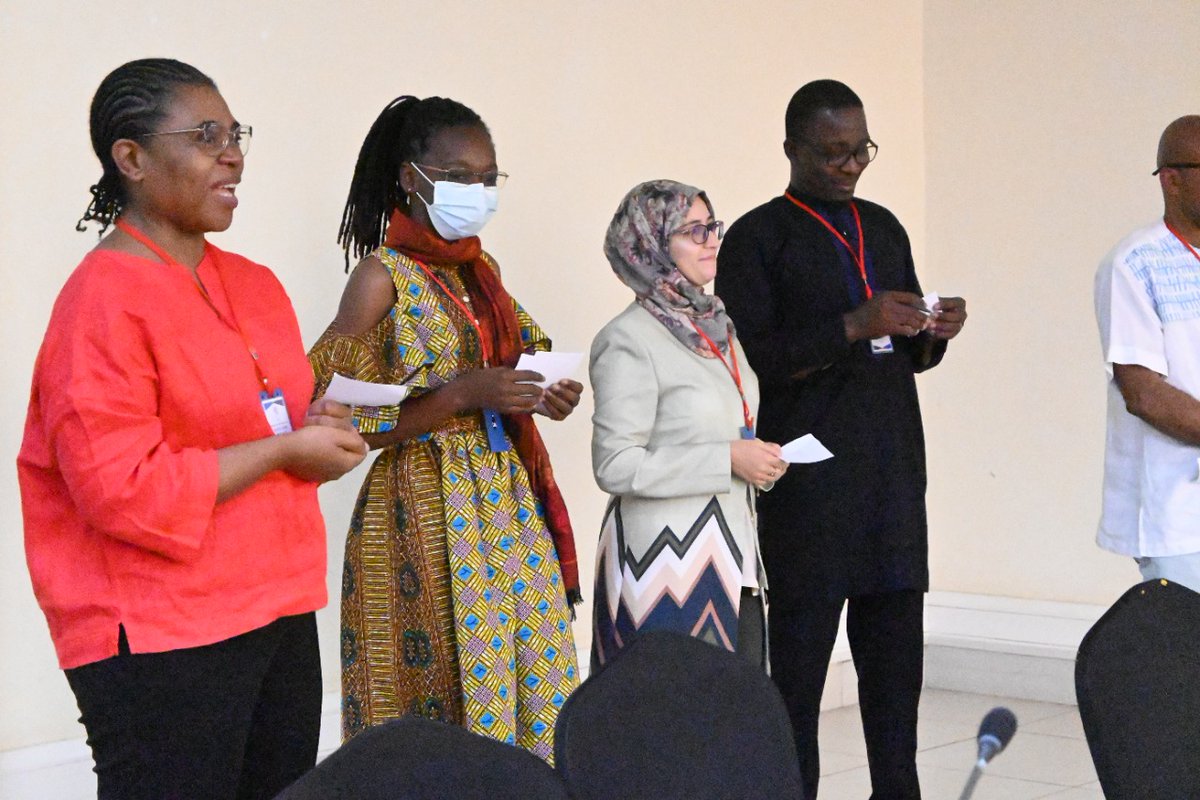
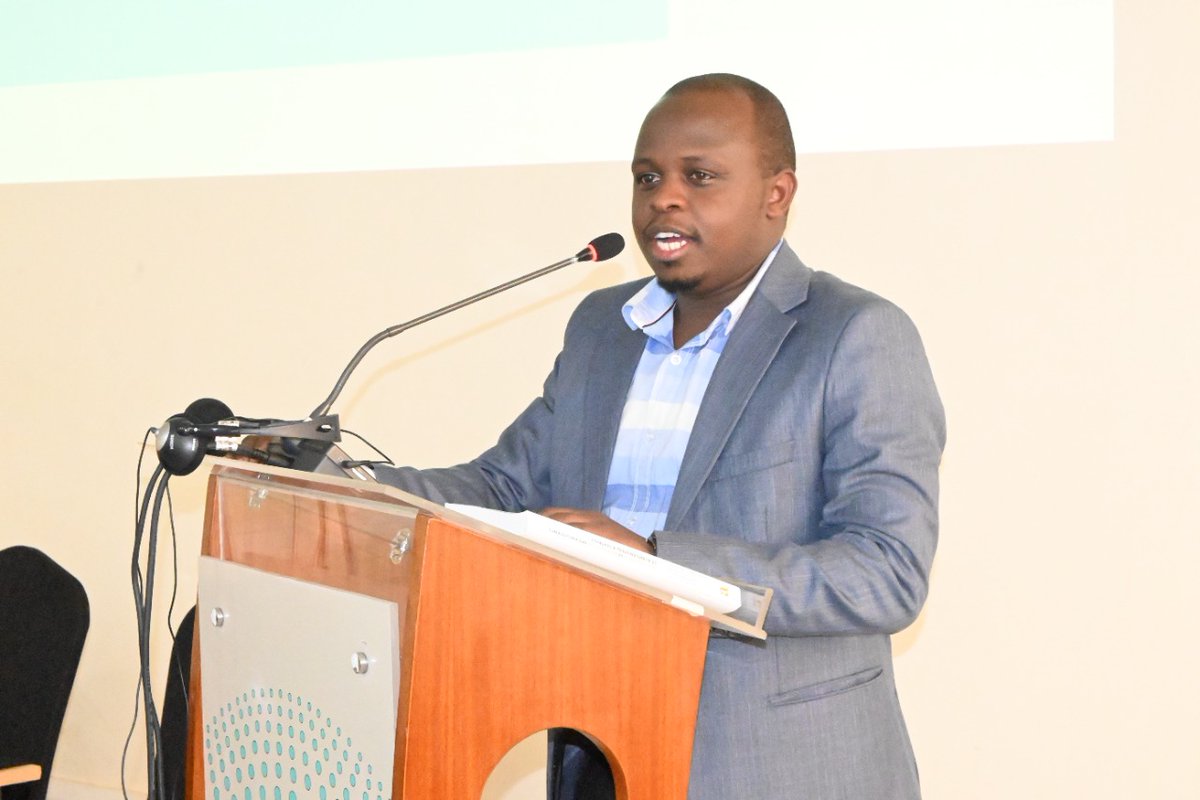
Dr. Anthony Chikutsa presents a summary of Day 2 discussions.
1. Measuring gender identity in Africa
2. Gender markers in times of pandemics
3. Measuring time use and valuing unpaid work
4. Panel: Gender statistics in support of women's economic empowerment
@UAPS_UEPA#Gender
Gender inequality in the distribution of power within households puts women at an economic disadvantage, not only in immediate access to resources, but also in their ability to pursue opportunities outside the home -Dr. Faye Ousmane, Gender Statistics Workshop
@UAPS_UEPA
Dr. Faye Ousmane will start the first session of Day presenting on: Measuring Intra-Household Bargaining Power and Decision-Making.
The Gender Statistics Workshop ends today, Day 3 after a panel discussion and adoption of the next steps.
#AGender_Stats#AfricaGenderStatistics
Key obstacles to women's activity in cross-border trade
1. Lack of access to credit
2. Lack of safety conditions for women traders
3. High transport costs
4. Poor transportation infrastructure
5. Poor infrastructure at the border
6. High Customs duties and fees
#AGender_Stats
Of the $450 billion in potential gains, about $300 billion would come from trade facilitation measures to remove bureaucratic impediments & simplify customs procedures.
Implementing the AfCFT would allow for the substantive reforms needed to stimulate long-term growth in Africa
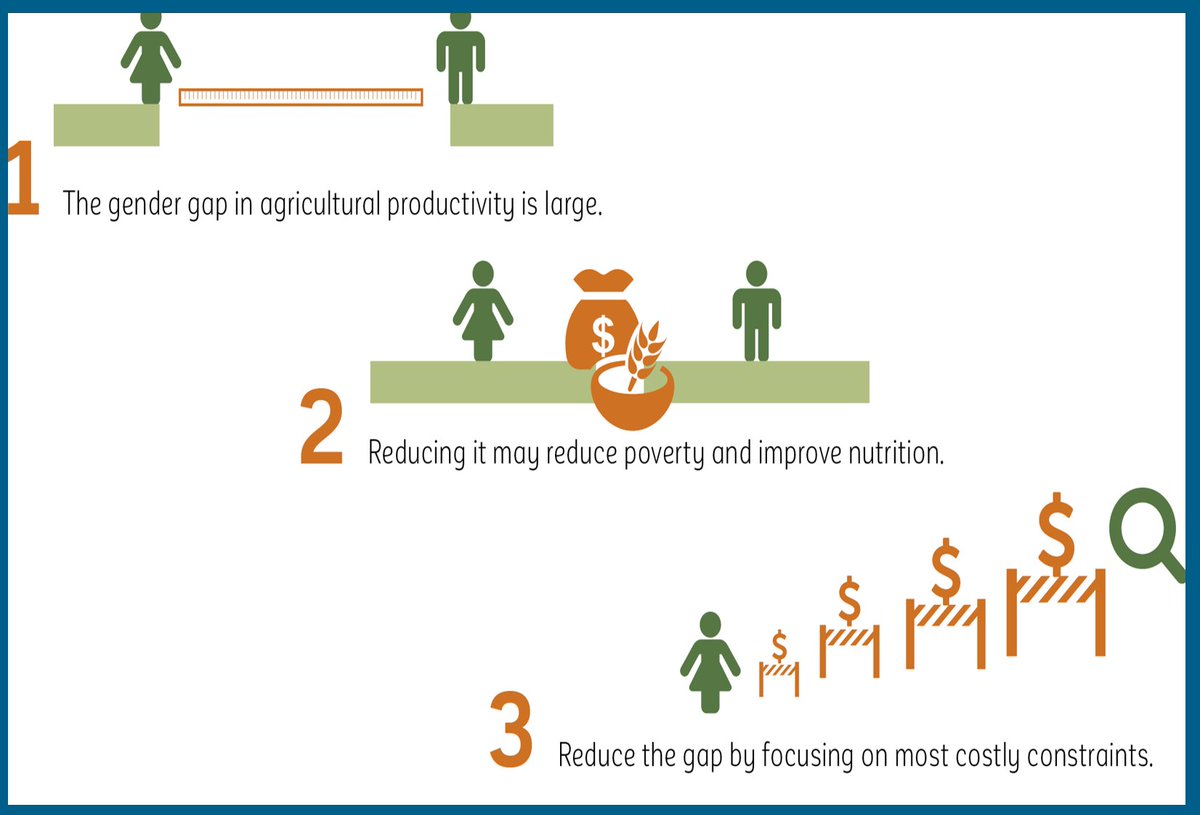
Panel Discussion: The cost of the gender gap in agricultural productivity in six eastern and southern African countries by A. Haroon Akram - Lodhi from Trent University, Peterborough, Canada and UN Women Gender and Economics Advisor: https://t.co/HuG4g1Wjky
5. Conduct National Validation of the policy
6. Hold sensitization forums with legislatures
7. Submit to Cabinet for Approval
8. Publish and disseminate the policy
9. Develop National unpaid care and domestic work policy implementation action plan
#AfricaGenderStatistics
Steps in the development of the National unpaid care and domestic work policy:
1.Conduct Quarterly Technical working groups meetings
2.Develop National unpaid care and domestic work policy
3.Hold consultative forums with county stakeholders
4.Conduct Technical review forum
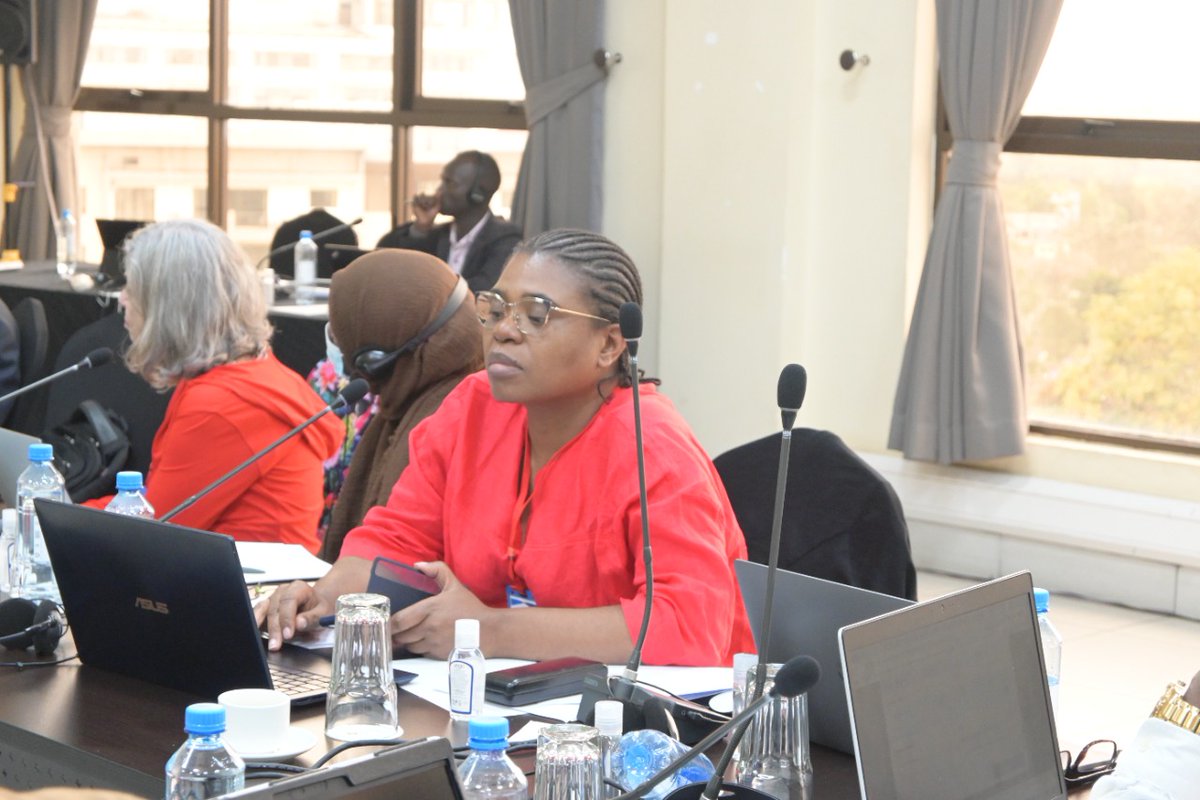
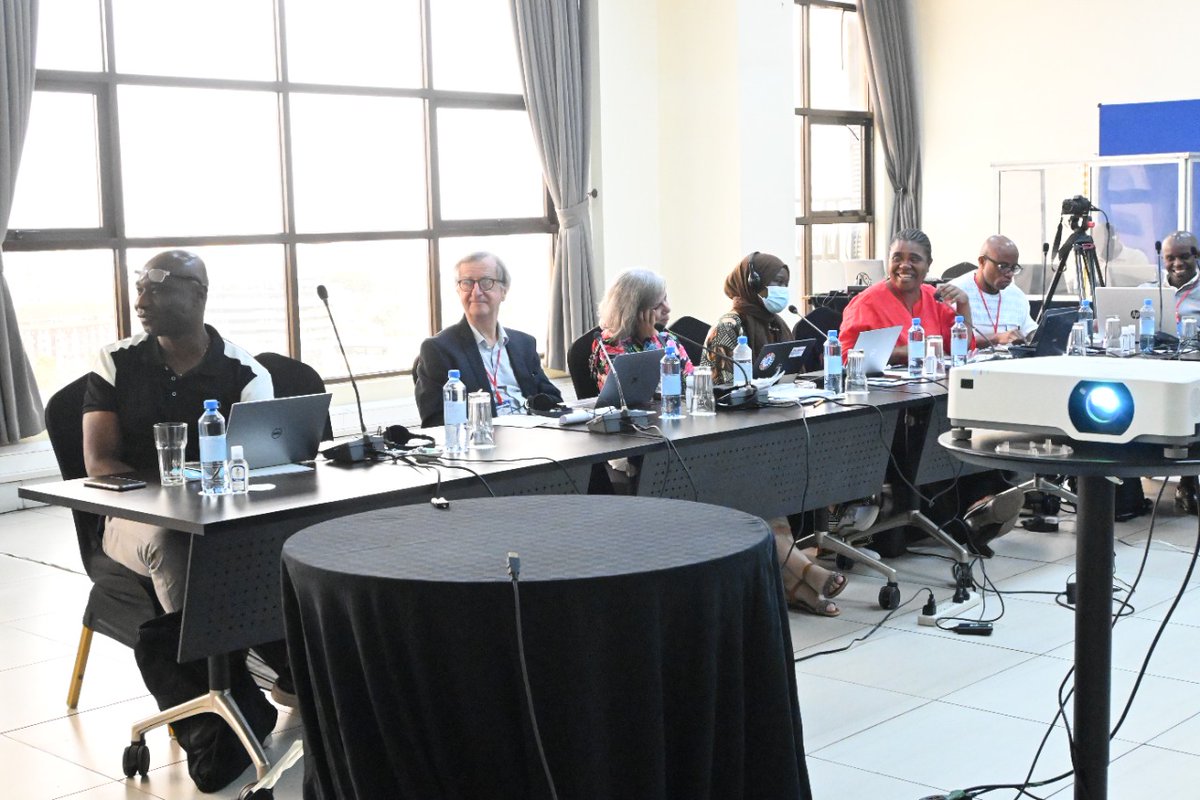
Ongoing Gender Statistics Workshop with Prof. Jaques Charmes, Isabella Shmidt @unwomenafrica, Dr.
@CIzugbara of @ICRW, Michele Seroussi @unwomenafrica, Solly Molayi - Chief Director Statistics South Africa, @carolinemutwiri -KNBS, Dr Ousmane Faye, Prof. P_Enyengue &others #SDGs
There is a need to continuously engage with relevant stakeholders to identify key contextualised gender indicators to support in closing the data gender gaps.
#AfricaGenderStatistics#SDGs#data#gendergap