Today our article is out in @PLOSONE demonstrating why it is important include *negative* user-to-user interactions in #polarization research on social media, i.e. to include negative ties in network analyses of debates! with @pettertornberg@J_Uitermark https://t.co/zMj6bPbBJN
do you know anyone with contacts at *the German embassy in India* (pref. Mumbai)? My partner just got violently discriminated at the German consulate, being denied access to his visa appointment because he “paid 3 euro cents (22 rupees) too much” @GermanyinMumbai@GermanyinNL
We are grateful to AISSR and ASCoR for providing an opportunity to young researchers in computational social and communication sciences to gather together in a beautiful town of Callantsoog and spend time exchanging ideas and experience across disciplinary boundaries!
IAS Review edition 2 is out! Nine selected papers on challenging interdisciplinary research topics, recently published by members of our community are available here: https://t.co/eLlGiy0inQ Read more about the individual papers and authors below👇
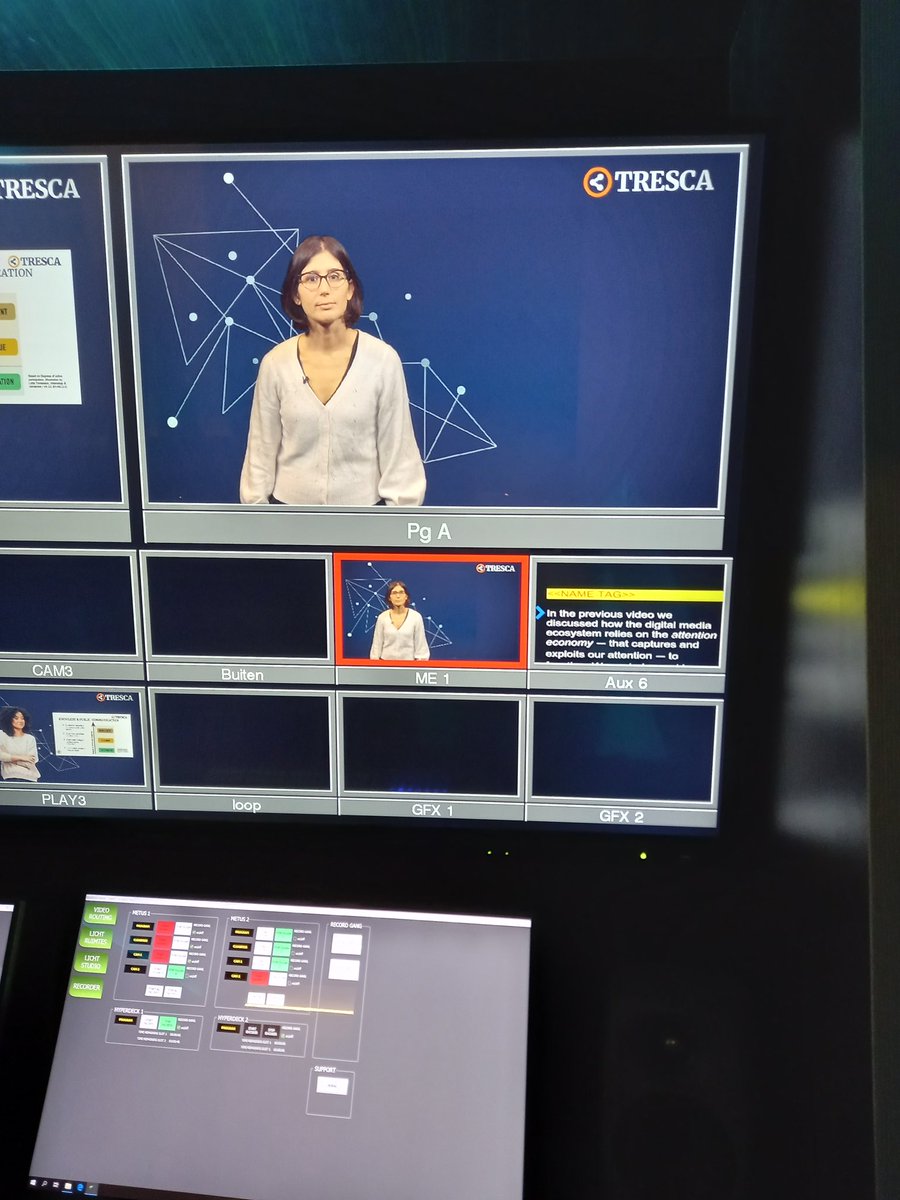
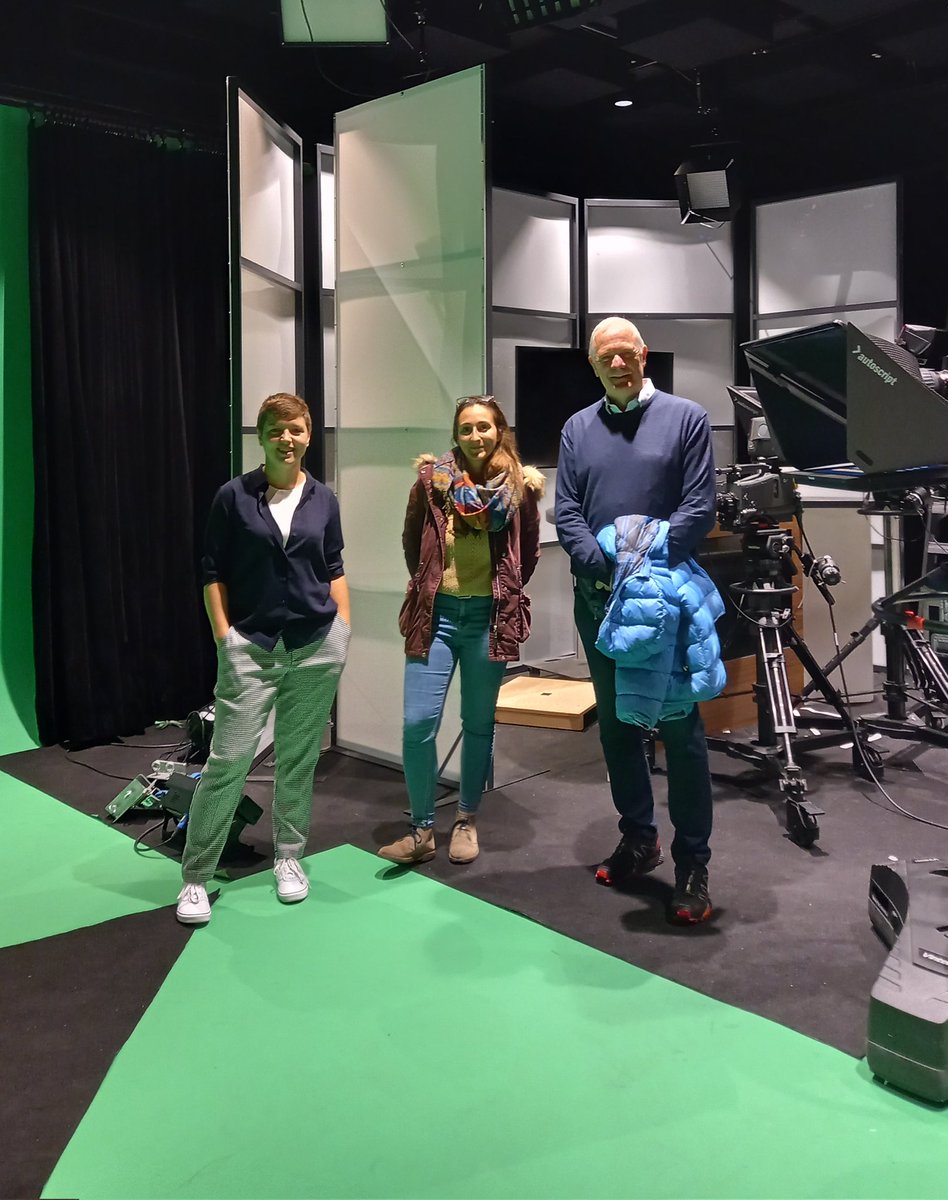
🎬 It's getting real! Today we recorded 3 modules of our @TrustSocialSci course on "Communicating trustworthy information in times of information overload" #MOOC#scicomm#misinformation. The course will be freely available to anyone on @coursera in Feb 2022. Stay tuned!
Looking for a PhD position at the interface of complex systems and AI? Interested in dynamics of cooperation and fairness? We are hiring a PhD candidate to join us at SIAS group (@CAIL_Amsterdam@UvA_Science@UvA_Amsterdam) Apply until Nov 12, or share🙂https://t.co/0guCziyGt4
🚨Not-just-any-job 🚨 Full professor position: Professor of Communication in the Digital Society. In a pretty wonderful city and department ⬇️ @UvA_ASCoR@FMG_UvA
Today our article is out in @PLOSONE demonstrating why it is important include *negative* user-to-user interactions in #polarization research on social media, i.e. to include negative ties in network analyses of debates! with @pettertornberg@J_Uitermark https://t.co/zMj6bPbBJN
This gives substantially different findings than a RT analysis: the signed network finds substantially different communities and can distinguish popular individuals from infamous ones. By that, we can identify users with important roles, such as..
Conflict is central to #polarisation, right?...why were we studying social media polarisation only through positive interaction, i.e. networks with positive ties?! #Networks2021
A 12-min presentation
https://t.co/Hzt8eRgK34
I am speaking at Networks 2021 at 14:00 CET today on *why we need to start considering negative ties when studying online polarized debates*. Please checkout the details of my talk at: https://t.co/9ZHzavMUZn
Membership open! For members and allies! We have been received an amazing support and we truly appreciate it! Join us and let's keep growing and supporting each other :)
Please RT 🙏🏼
This eve 20:00 Julia Ebner @julie_renbe presents on online extremism, followed by a panel discussion at @Odycceus_EU conference, highly recommended (open stream via youtube)
https://t.co/kflGLnB8Cq
https://t.co/Go6lG3Gsar
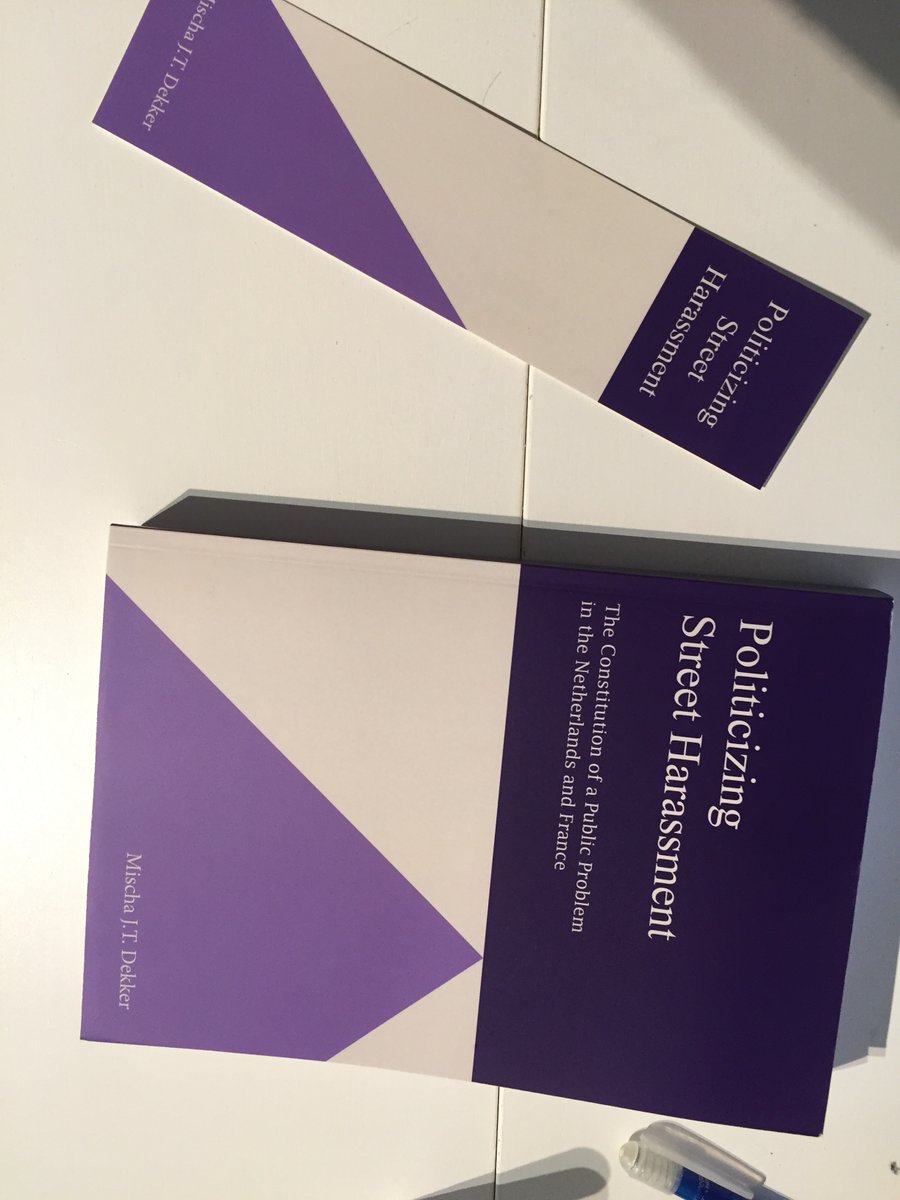
Mischa Dekker’s super strong dissertation defense on street harassment discussing many important tensions for researchers, institutions and citizens in contemporary society
I am very happy to announce that on 12 May 2021 at 14.00 (CEST), I will defend my PhD dissertation "Politicizing Street Harassment".
Please contact me ([email protected]) if you would like to attend, and I'll make sure you receive the link!