Click on the photos below for details and send in your applications to [email protected] 👇
P.S - we're just formally starting up so this internship doesn't include a stipend but it does include a lot of learning and a letter to prove it 😁
#InternshipAlert
Some scientists questioned the extremely low figure, saying it could be attributed to the study using a particularly narrow definition of “intact habitats” - but it's quite clear that more areas of #biodiversity need to be legally protected.
Source: @the_hindu
#DidYouKnow - A study indicates that very little of today's world resembles Planet Earth from 500 years ago. Only 3% of land surfaces might be ecologically intact (those lands are still home to their range of native species and are untouched by humans).
Read below to know more!
For this study, scientists conducted an extensive survey of forest cover and species losses. Most of the habitats that showed the same species abundance as in the year 1500 A.D. were in regions considered less hospitable for humans.
On the occasion of #WorldSeaTurtleDay, let's learn about one of the largest sea turtles in the world and one of the five sea turtles to visit India - the #LeatherbackTurtle!
Click here to view the full post:
https://t.co/bbGZbPjTMU
Photo credits: Adhith Swaminathan
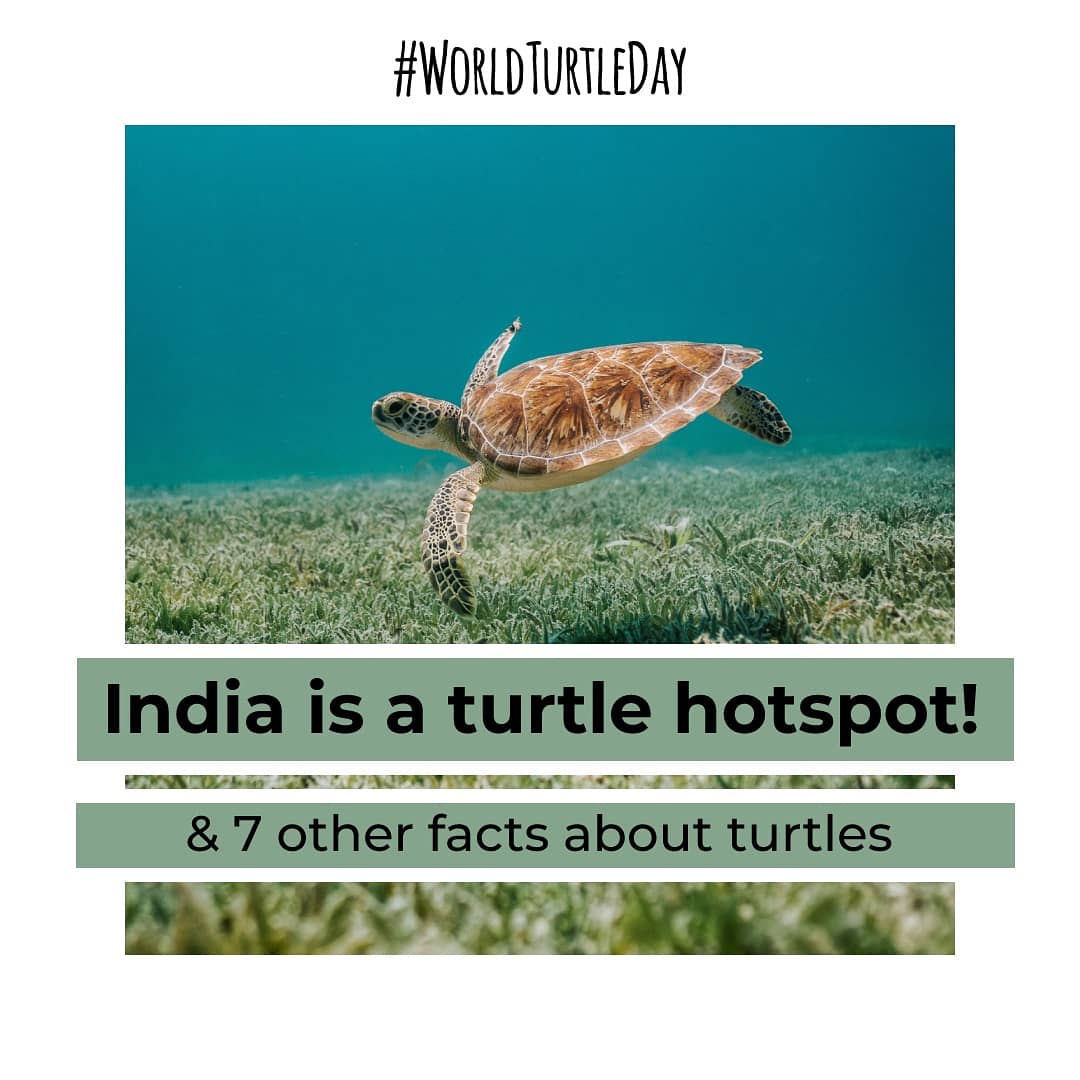
Today's #WorldTurtleDay and we've collated 10 turt-ally interesting facts about turtles with the help of the folks at Sea Turtles of India and Freshwater Turtles and Tortoises of India!
Click on this link https://t.co/yD5WCSgtuR to learn a little more about them 🐢
Without these currents, we'd have far more extreme temperatures around Earth's regions (it'd be super hot at the equator and incredibly cold toward the poles), and Earth would be a lot less habitable. It's incredible to think how dependant life on Earth is on our oceans :)
In other regions, it's the ocean currents that largely drive weather patterns. These currents (created by wind, Earth's rotation and tides) act like conveyor belts: they transport warm water from the equator to the poles, and cold water from the poles to the tropics.
Such #measures may take some time to bear results and solutions to overfishing are not simple. However, formulating measures in consultation with fishers and increasing support towards local, low-impact and small-scale fisheries are some of the steps in the right direction.
#Overfishing happens when the rate of fishing exceeds the rate at which #fish reproduce. Over the years, the increase in global demand for fish has caused many instances of overfishing around the world leading to complete collapses of thriving fisheries.
Authorities enforced strict measures to recover the population, for example, stipulating the minimum size of oil sardines that can be fished, giving juvenile fish the chance to breed and increase the population.
"While it’s crucial to regulate and potentially phase out bottom trawling completely, equitable measures of doing this need to be thought of so that the thousands of livelihoods that currently depend on it are not suddenly left in a lurch." Read the thread to know more!
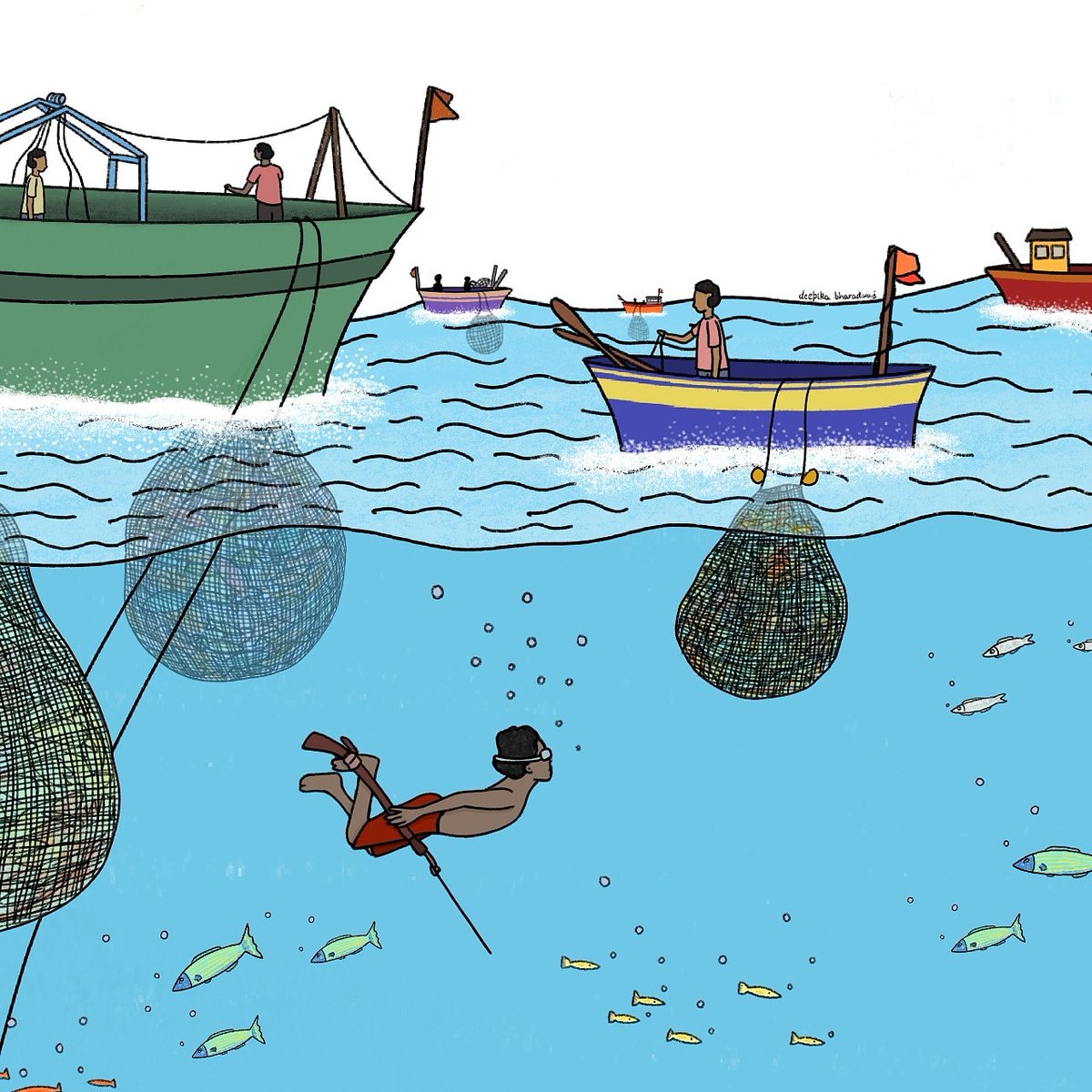
#BottomTrawlers operating in #India are fishing largely for prawns, a high-value export product. The practice uses a very fine net that sweeps across the ocean floor, catching not just prawns that live on the bottom of the sea but also all the other forms of marine life. Read on.
Large-scale fisheries are generally more intensive, high on capital investment and cater to national as well as export markets. Some examples of large-scale fishing practices include bottom trawling for prawns, purse seine fishing for sardines and long-lining for tuna.
It’s important to note that scale is a relative thing and what might be considered as a large-scale fishing vessel in India may be very small in comparison to industrial-scale fishing vessels that operate in the vast open ocean.