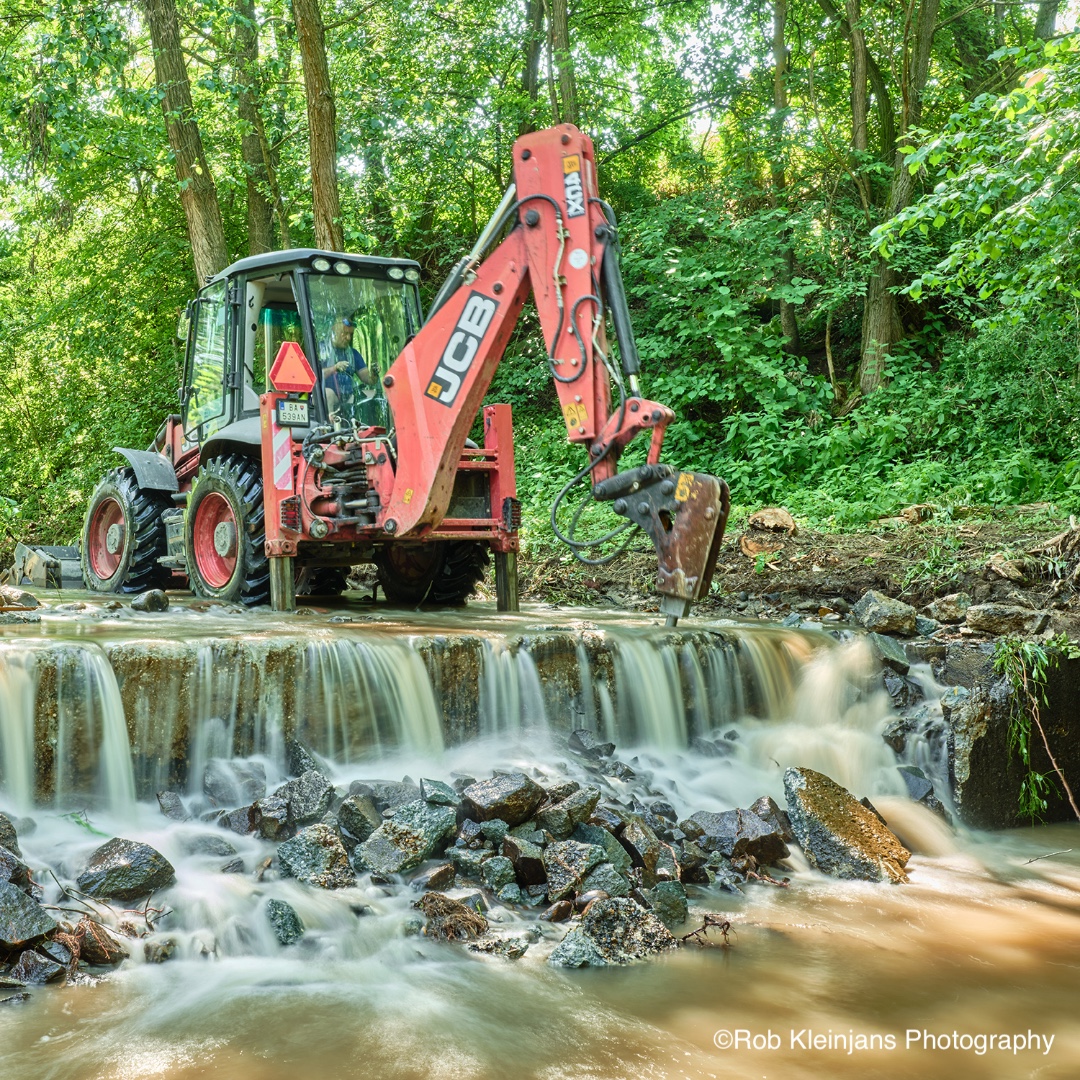
In the last week, elvers have begun to return to our Norfolk rivers. Over the last 30 years, eel numbers have declined by 95% in part because of manmade barriers. Fish passes or the removal of weirs can help with the migration along the river.
Thank you to everyone who has contributed so far and supported us by mapping #riverbarriers , check out our website for further details https://t.co/uHJbAqIF9g we'll shortly be adding additional data received from partners in #luxembourg and #easterneurope 🐟🐟🐟
🗣️ Call for help! 🗣️
Has anybody got access to excellent photo(s) of people viewing a freshwater aquarium?
There must be lots available but we can't find suitable ones online.
Can the power of Twitter help us find one?
#SciComm#photographers
On #WorldWaterDay_2023 visit our website to find out more about the work we undertook to map river fragmentation across #Europe https://t.co/Z36fUe5EEb
Starting a #seaweed farm is a fulfilling experience, but the licensing procedure can be time-consuming ⏳
#EU4Algae is developing a licensing toolkit to guide future farmers through the process ⚙️
Sign up here to access it 👇
https://t.co/BBQiDe2naV
#algae#BlueFarmingEU
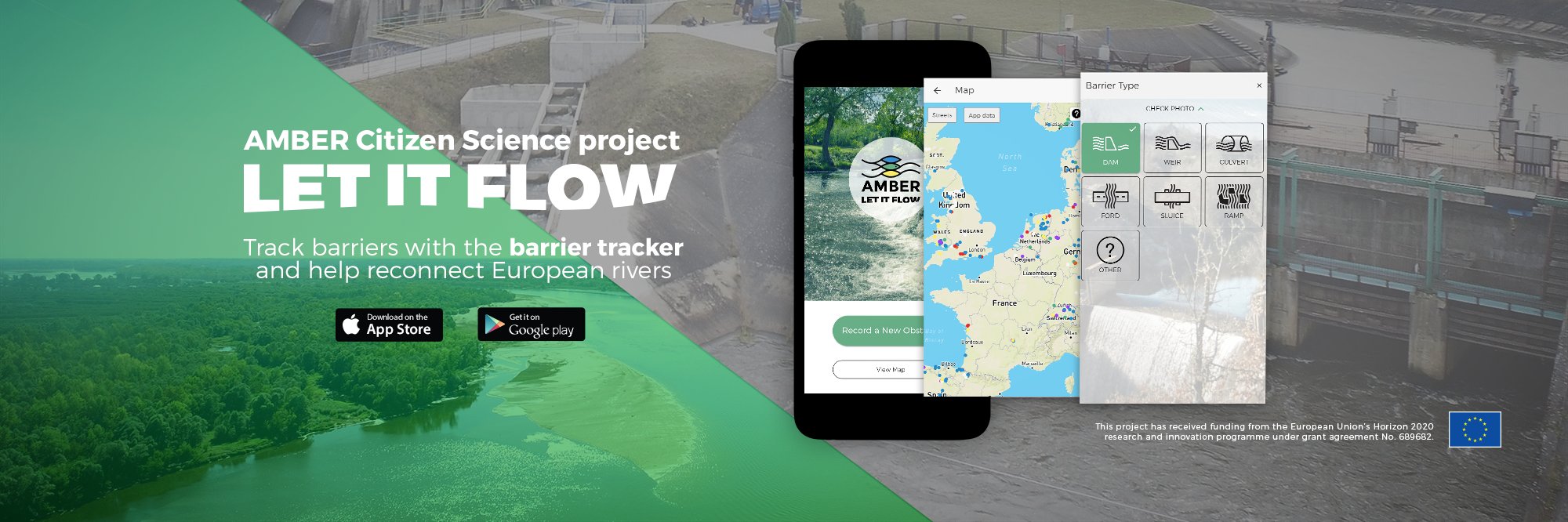
📣 Barrier Tracker report is out now! 4 years after its launch, the app now unites >2800 people who have registered more than 10,000 barriers in 40 countries!
👀 Know more at: https://t.co/2BG2Xyajw5
#breakingnews#damremoval#barriertracker#AMBER
Great to see/hear our @AMBERtools project partner #NielsJepsen presenting 'pressures affecting Grayling populations in Europe' at todays Freshwater fishes in the context of the EU Biodiversity Strategy event in #Brussels
Glass eels used to be working-class Londoners cheap lunch. Today, with a cost of €800 per kilogram, only the wealthy can afford to eat them. Great article by @nancyaverett@hakaimagazine showcasing @AMBERtools research @SwanseaUni#letitflow https://t.co/IqPJzaSBS1