THE GLYPHOSATE TIMELINE
1950: First synthesised. Its early career was as a chelator, a descaling agent that gripped metals tightly enough to strip scale out of pipes and boilers.
1970: A Monsanto chemist notices it kills plants. It goes on sale from 1974 as Roundup.
Late 1970s: IBT and Craven, the labs running Monsanto's safety testing, are caught falsifying data. Three IBT executives are convicted. Nobody re-checks every approval that leaned on their results.
1985: The EPA classifies glyphosate a Class C "possible human carcinogen," on the back of kidney tumours in mice.
1991: The EPA quietly downgrades it to "evidence of non-carcinogenicity," just as Monsanto readies its Roundup Ready crops.
1996: Those crops launch. Glyphosate use climbs more than fifteenfold.
2015: The WHO's cancer agency rules it "probably carcinogenic to humans."
2017: The Monsanto Papers surface in court, internal emails showing the firm ghostwriting its own "independent" safety reviews. California lists it as a carcinogen the same year.
2018: Bayer buys Monsanto for $63bn and inherits the lawsuits. The first Roundup cancer trial returns a guilty verdict within weeks.
2019: A single jury awards two cancer patients $2 billion.
2022: A CDC study finds glyphosate in roughly 80% of American urine samples.
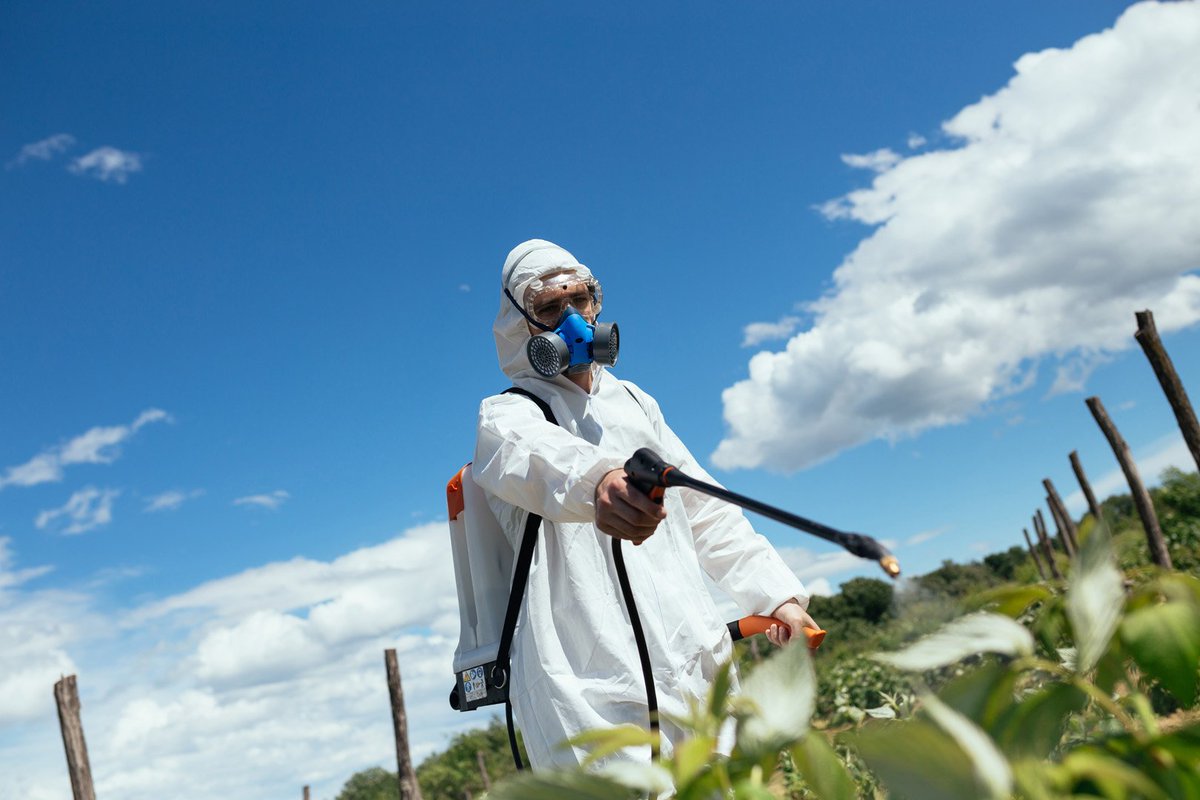
Today: Still the most sprayed weedkiller in history, across hundreds of millions of acres, turning up in rain, rivers and people.
And we are, apparently, still "gathering evidence."
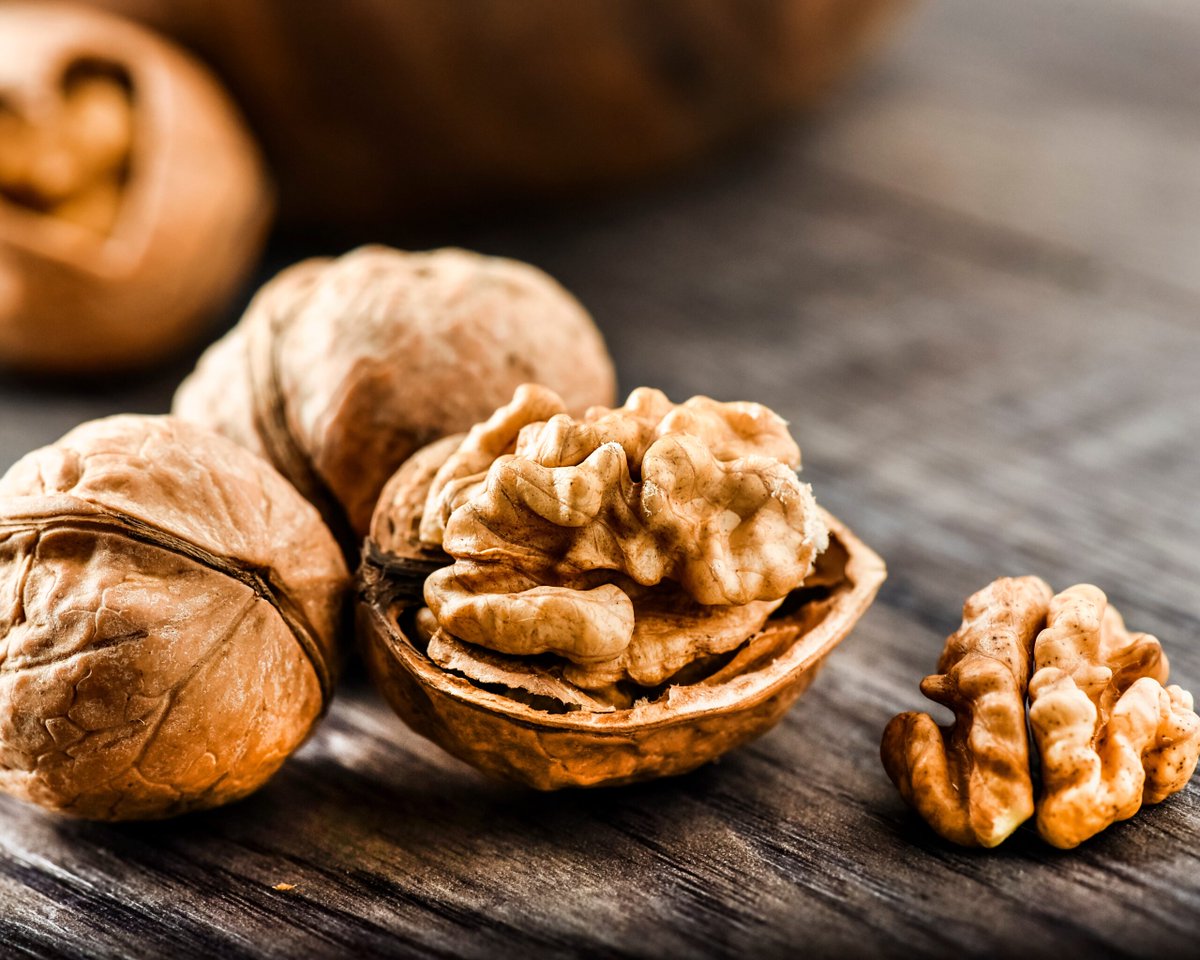
Walnuts are 65% fat, and most of it is fragile polyunsaturated oil, the omega-6 kind that oxidises on contact with air, heat or time. Which is why walnuts go rancid faster than almost any nut on the shelf. That half-used bag in your cupboard oxidised weeks ago.
And it gets worse than stale. Walnuts are one of the tree nuts most prone to mould, and that mould can throw off aflatoxin, one of the most potent carcinogens known. The bag brings the usual plant armoury too: phytic acid that blocks mineral absorption, tannins that hinder protein, oxalates that feed kidney stones.
"But walnuts have omega-3!" They have ALA, the plant form, and your body converts barely a few percent of it into the DHA your brain actually runs on. You would need to eat them by the bucket to match a single fillet of fish, taking on a vast load of oxidising omega-6 to get there.
The brain-shaped-nut-for-your-brain line is folklore dressed as science, built on a coincidence of shape.
The halo of virtue is borrowed as well. Nearly all of America's walnuts come from drought-stricken California, drinking down irrigation water by the orchard.
Eat fish for the DHA your brain can use without the conversion tax. Walnuts are calories with a publicist.
To grow cotton in a desert, the Soviet Union drained the fourth-largest lake on earth. Then the children near its old shore began being born poisoned.
The Aral Sea sat between Kazakhstan and Uzbekistan, an inland sea full of fish and ringed by ports. From the 1960s, Soviet planners diverted the two rivers that fed it to irrigate cotton, a crop with no business in a desert.
The sea fell fast. Within thirty years it had lost over ninety per cent of its water and broken into salty remnants. Salinity climbed past the ocean's, and the fish died off, species by species.
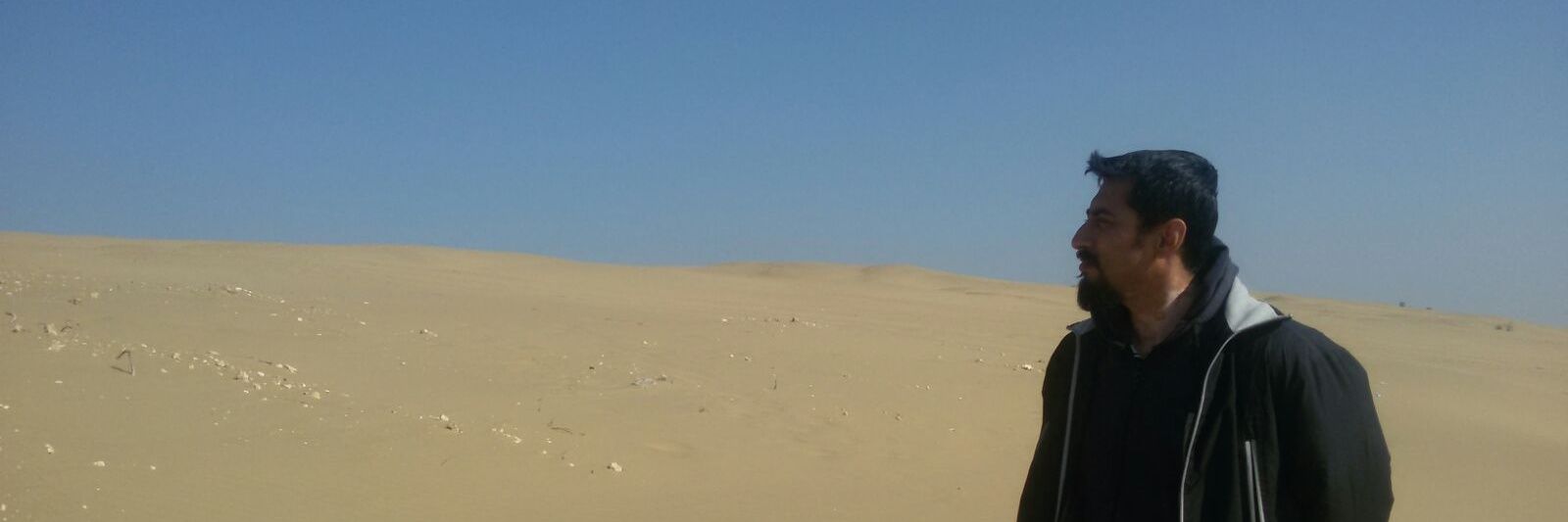
Moynaq, once home to tens of thousands of fishermen, now sits a hundred miles from water, its harbour a field of rusting trawlers.
Then the seabed turned on the people. Cotton is the most chemically drenched crop on earth, and decades of pesticide and defoliant had settled on the sea floor. The wind lifts that dry crust, salt laced with DDT, into the lungs of everyone downwind.
Around the old shore, throat cancer runs at twenty-five times the global rate. Tuberculosis, anaemia and kidney disease are everywhere. Infant mortality is among the worst on the planet, birth defects keep climbing, and mothers are warned not to breastfeed, because the poison comes through in their milk. People call it a Chernobyl you can walk into. All of it, to grow a plant for cloth.
Now hold that against the fibre we are taught to feel guilty about. Wool grows on a sheep on a Welsh hillside in the rain, cropping grass off land too steep to ever plough. It asks for no irrigation, only weather. The sheep grows the fleece back every year, and when the jumper wears through it rots back into the soil.
Cotton, the plant, drank a sea dry and salted a region's children. Wool, the animal, takes only grass and rain and hands the ground something back. Next time you are told the ethical wardrobe is plants and never animals, point east, to the boats lying in the dust where a sea used to be.