@AttoGladys A wide pulse pressure of 94mmHg plus the Corrigan’s sign suggest Severe Aortic Regurgitation also known as Aortic Insufficiency
Mbale Regional Referral Hospital got 2 adult cardiologists and he could benefit from their review
Not all Heroes Have Guns, some heroes have just just a clinical coat, stethoscope,skill to save lives and determination.
Doctors are the real definition of full time soldiers
So @MinofHealthUG interns are not slaves,pay them!
#revisetheentiremedicalpolicy
Uganda’s Unpaid Medical Interns: A Crisis at the Heart of Public Healthcare
Uganda’s public health system is facing a deepening moral, legal, and policy crisis following the government’s refusal to pay medical interns. At the center of this dispute are young doctors who, after years of intense and costly training, are expected to shoulder the backbone of hospital care, without pay. The decision has far-reaching consequences for healthcare delivery, medical education, and the future of the profession in Uganda
Medical interns in Uganda are not observers or trainees in a casual sense. They are frontline healthcare providers. In many public hospitals, interns cover critical staffing gaps, run wards, attend to emergencies, clerk patients, prescribe under supervision, and provide round-the-clock care.
In practice, interns do most of the regular medical work that keeps hospitals functional, especially in regional referral hospitals where shortages of senior doctors are chronic. Demotivating interns through non-payment directly undermines patient care, increases preventable deaths, and overburdens the few fully employed doctors who remain. Refusing to pay interns while continuing to rely on their labor amounts to institutionalized exploitation.
Before internship, a Ugandan medical doctor spends at least five years at university, followed by internship as a mandatory requirement for full registration. Medical education is among the most demanding and expensive courses in the country. By the time students reach internship, many come from families already financially exhausted. Internship pay is therefore not a luxury, it is basic subsistence, covering rent, food, transport, among others.
Denying interns pay after such prolonged investment effectively turns medical training into a pathway of debt, distress, and despair. The situation poses a sharp dilemma, especially for government-sponsored medical students.
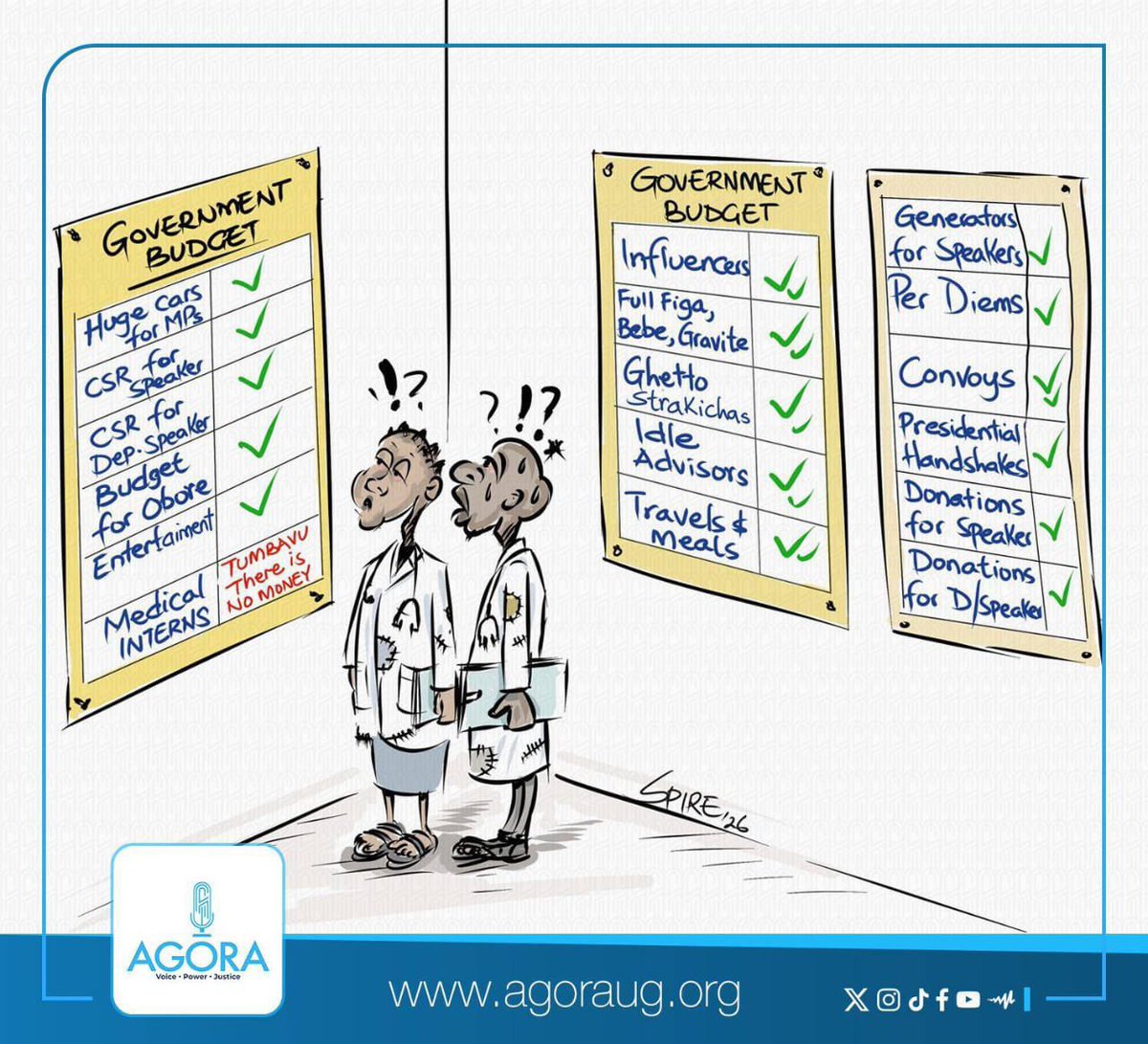
On one hand, the state argues fiscal constraints and frames internship as “training.” On the other hand, it compels graduates to serve, posts them to hospitals, assigns shifts, and disciplines them as workers. This contradiction raises fundamental questions. If internship is compulsory national service, why is it unpaid? Why should interns offer an unpaid service in government hospitals? What’s government’s commitment to universal healthcare?
Uganda’s approach stands in stark contrast to practices across much of Africa. In Kenya, Medical interns are salaried government employees, with formal contracts and monthly pay. In South Africa, Interns receive structured remuneration and are fully integrated into the public service payroll. In Rwanda, Internship is funded as part of national health workforce planning, with clear state responsibility. In Ghana, House officers (interns) are paid and recognized as essential health workers.
In these countries, governments acknowledge a basic truth: you cannot sustain a health system on unpaid labor.
Uganda’s refusal to pay interns risks isolating the country, accelerating brain drain, and making medicine unattractive to talented students, especially those from poor backgrounds.
The unpaid internship policy has consequences beyond medical interns themselves. Patients suffer from demoralized staff and service disruptions
Rural and public hospitals face collapse as interns withdraw labor. Medical students reconsider their career choices or plan to leave the country. Public trust in health governance erodes.
Uganda cannot claim commitment to universal healthcare while refusing to pay the very doctors who keep hospitals running. Internship is not charity work; it is essential labor performed after years of specialized training. Government decision undermines its health system, exploits young professionals, and jeopardizes the future of medical education in Uganda.
Paying medical interns is not merely a budgetary decision; it is a test of justice, foresight, and national priorities.
📌About the Medical Internship Debate.
The whole confusion starts at Calling that activity internship.
What medics go through during that period is more than what the phrase internship can describe, "it's a Profession Service to the Country" and if you care about the future of the health system of this country, such a service is worth appreciation.
We need to appreciate that this activity itself is risky, costly and has a deeper impact on the psychological, professional and community life of future medics, if we make such activity stressful, what are we trying to achieve as a country? Are we trying to create a pool of Medics who won't care, that's dangerous! Perhaps it's high time we renamed it, to remove the confusion.
Something like Mandatory Post University Medical Service Scheme (MUMS) with a main objective Of; Gaining skills through service.
You will realize that many of us have gone through the hands of what people call Medical interns, they held our life at that one particular moment, and if it was not them maybe we wouldn't be alive.
Medical interns deserve appreciation for the service they give to the people of our country and the cost of undertaking a medical internship should be shared between the Medic and the government (a win-win situation is sustainable).
Thank you @GovUganda@GCICUganda@StateHouseUg@KagutaMuseveni
1. MODERN DAY SLAVERY 3,000 MEDICAL DOCTORS (NEWLY GRADUATED)
2. HOW SECURING UGANDA'S YOUTHFUL FUTURE HAS FORGOTTEN 3,000 YOUTHFUL NEW DOCTORS
3. ONLY 36 BILLION NEEDED 4RM 80 TRILLION!
4. SCRAP DONATIONS BUDGET!
Uganda’s new medical internship policy is sparking heated debate between the Ministry of Health and medical professionals.
@MugenyiHenry_#NBSLiveAt9#NBSUpdates
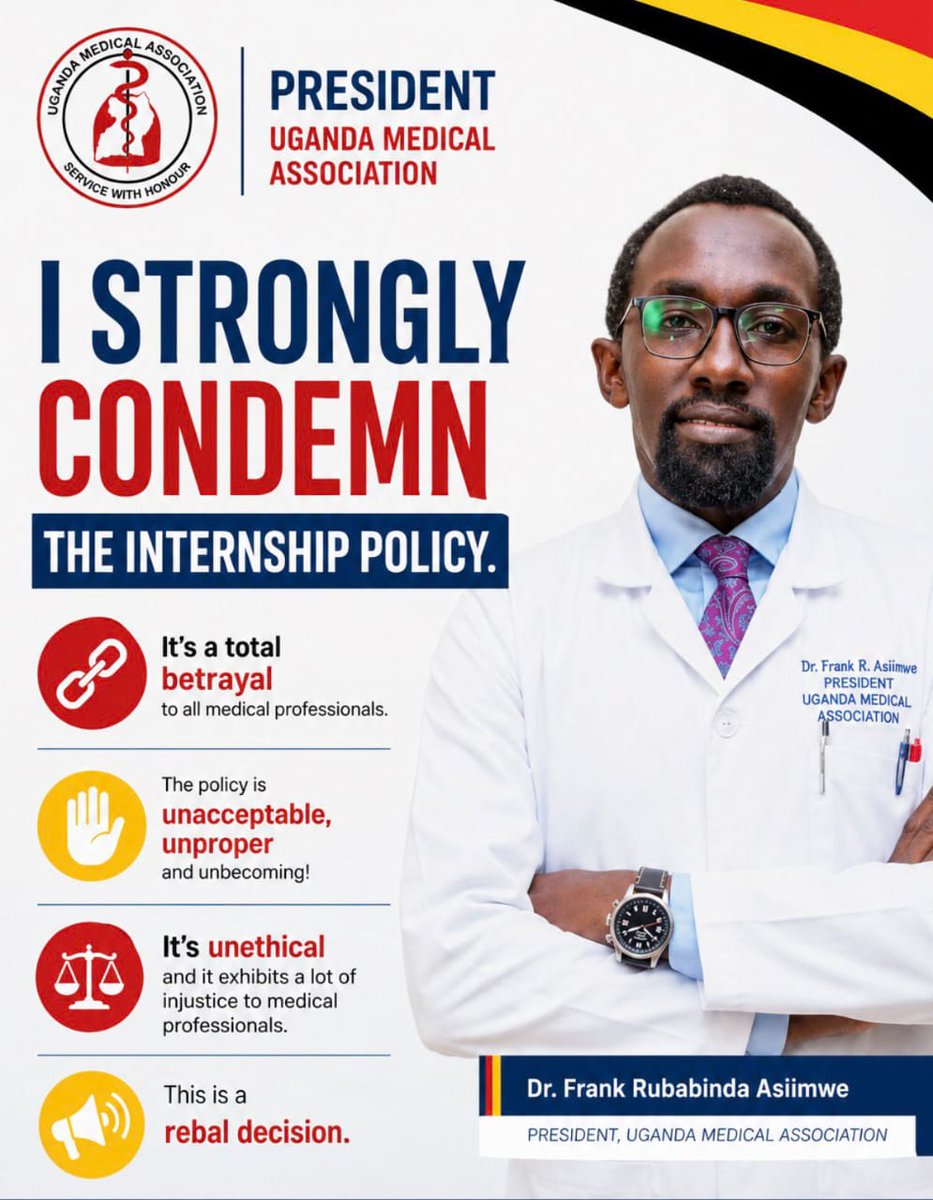
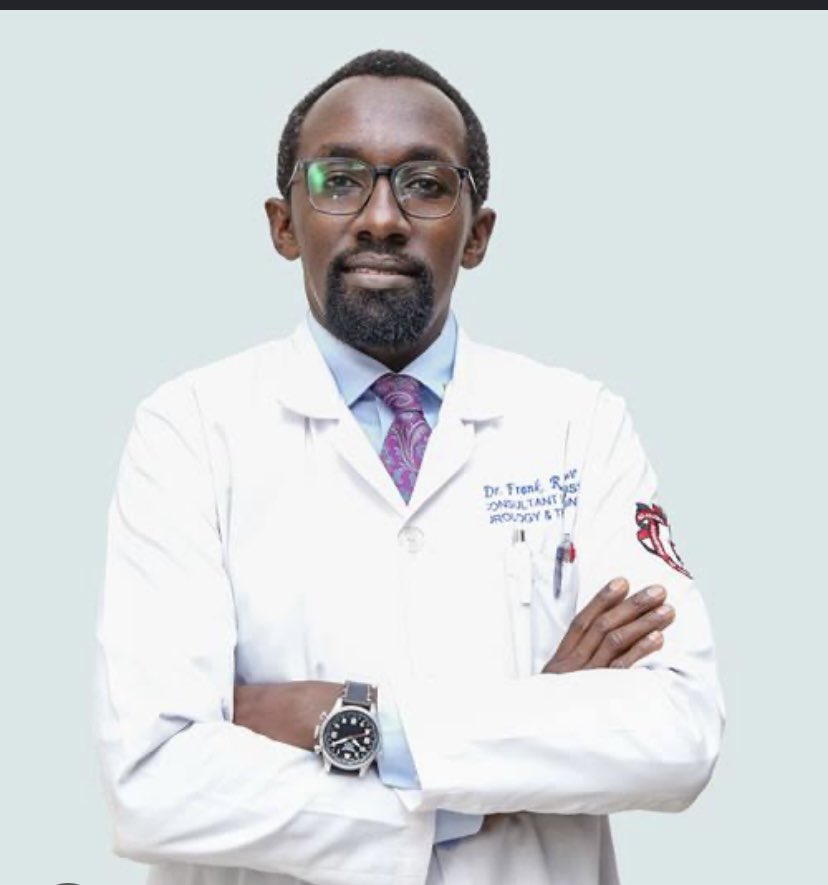
Dr. Frank Asiimwe: The people at the Ministry of Health are just afraid to confront their colleagues at the Ministry of Finance who are misappropriating funds.
#NBSMorningBreeze#NBSUpdates
Medical interns are not students. They are qualified doctors in supervised apprenticeship, carrying nearly 70% of clinical work in referral hospitals.
Paying them is not charity. It is justice.
Pay interns. Protect training. Protect patients.
U.M.A NEC
MESSAGE TO ALL UGANDANS!
Dear Ugandans ,
I come to you today with a heavy heart but clear eyes. Something big is happening in our health sector that will touch every home in Uganda ;whether you stay in Kampala, upcountry village, or anywhere.
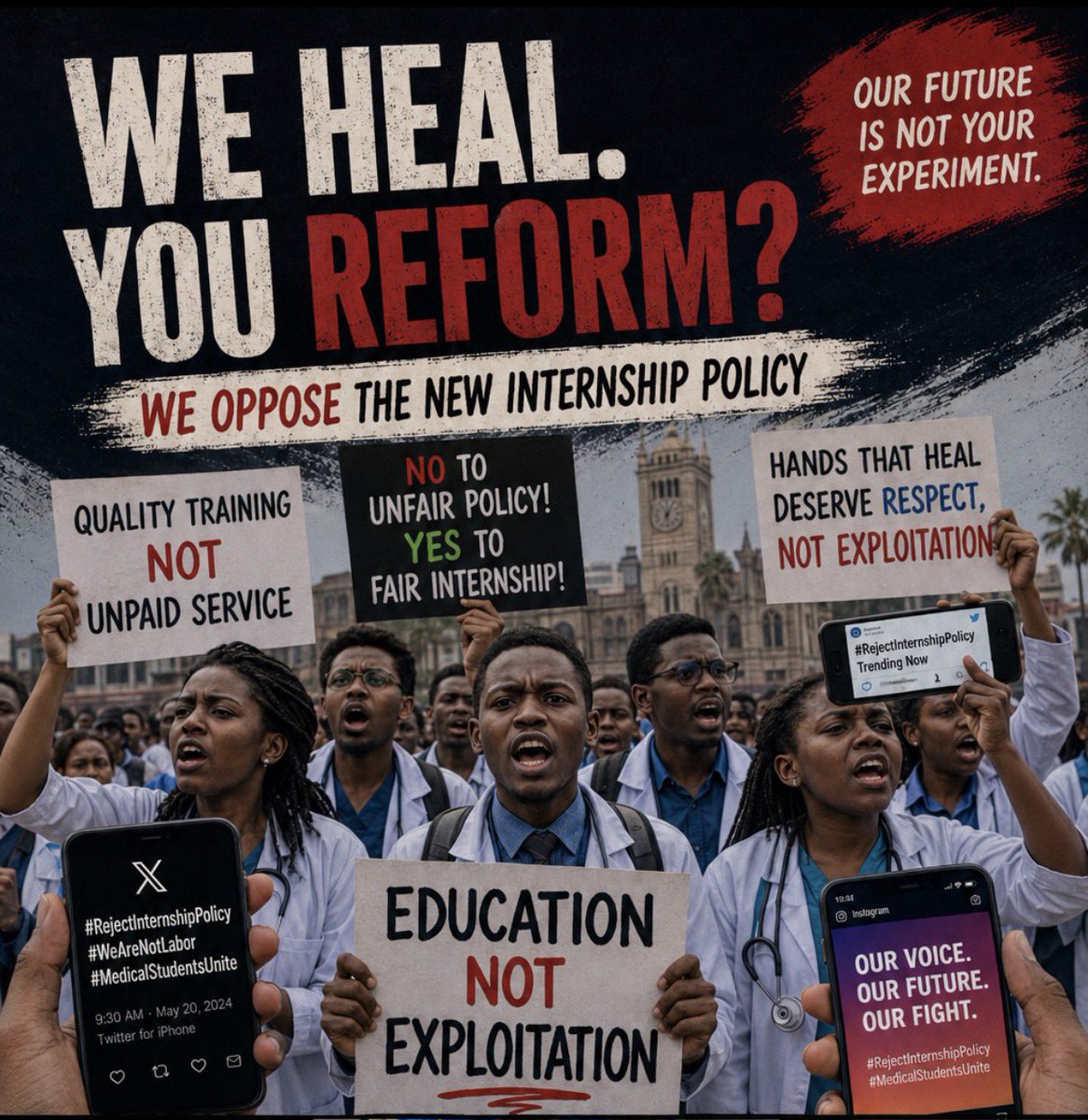
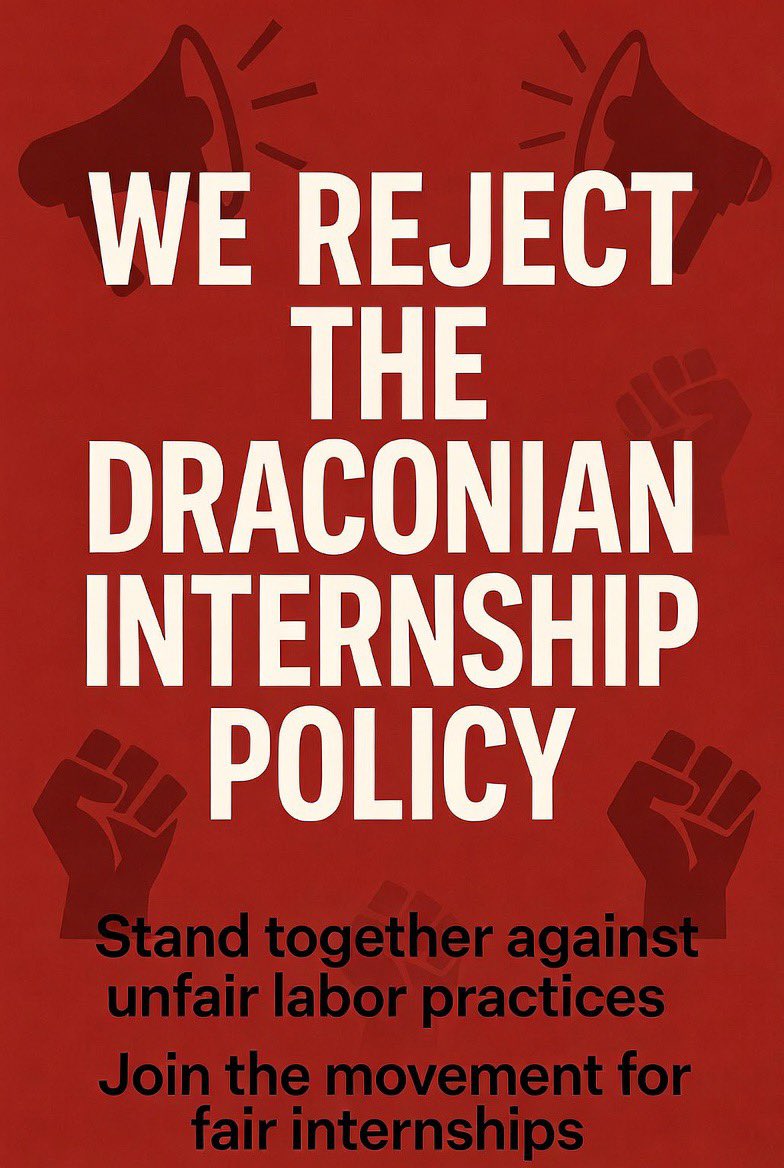
Our health professionals and students are refusing a new internship policy, and we need you, the general public, to understand why and then stand with them.
This is not just their fight. It is ours as Ugandans for better hospitals and safer treatment when we or our loved ones fall sick.
What is this new policy really about?
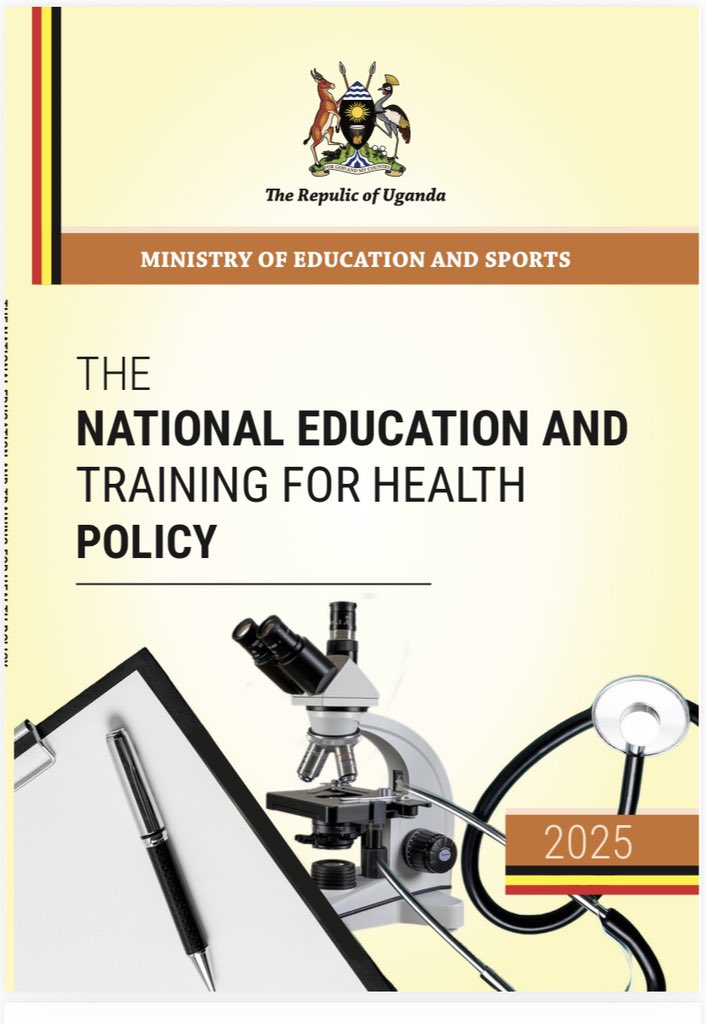
The Ministry of Health wants to change how doctors, nurses, pharmacists, and other health workers train.
From July 2026, students will not graduate with their degree after five years of university. They must first do one full year of supervised internship in hospital before getting the paper. It becomes a six-year course.
Key problems that worry the professionals;
- Medical Interns will not be paid their monthly allowance.
- Hospitals already have few supervisors and too many patients. Adding more stressed interns without enough support can lead to mistakes.
- No proper consultation with doctors’ associations, nurses, or universities before pushing this policy.
- It delays young people from starting real jobs and families, Private students may even pay extra for placement.
These are the critical areas that should catch your attention. This policy touches the quality of care you receive tomorrow.
Why you?
The public, should care and give active participation in rejecting this policy.
Imagine this; You or your mother, father, child, or sibling falls seriously sick at night. Who treats you first in almosr all government hospitals? it's the intern doctor or nurse.
They are the ones on duty 24/7, putting drips, stitching wounds, delivering babies, and managing emergencies. If these young professionals are overworked, unpaid, angry, tired, and demotivated because of bad policy;
- They may miss small things that become big problems.
- Some may leave Uganda for Kenya or other countries where they are respected and paid.
- Fewer young people will want to join medicine and nursing courses.
Result?
Our hospitals become weaker. Waiting times become longer. Treatment becomes poorer. You and your family suffer directly.
If we don’t support the health professionals now and push government to fix this policy (pay them well, improve supervision, expand training places, consult properly), then one day you will go to hospital and find an angry, exhausted intern who has lost hope. THAT IS WHEN SMALL SICKNESS BECOMES DEATH.
That pain will be on all of us.
Fellow Ugandans, join the fight today so that tomorrow our hospitals serve us better. Your voice on radio, WhatsApp groups, market, church, and mosque matters. Show concern. Demand better for those who take care of us when we are weak.
To our X influencers, YouTubers, musicians, and all public figures
Please help push this message. You have big followings.
Remember;
- Your mother can get malaria or pressure tomorrow.
- Your father can have accident.
- Your sister can deliver a baby.
- You yourself can fall sick anytime.
When that day comes, do you want to meet a happy, well-supported intern who gives full attention? Or an angry one who feels exploited?
Use your platforms to speak truth. Tag the right people. Share facts. Let government hear that the whole country is watching.
Your one post can save lives in future. This is not POLITICS. This is about life and death in our hospitals.
Let us stand together as Ugandans. Support our health workers. Demand a policy that is fair, well-planned, and good for patients.
Together we can make our health system strong.
#RejectBadInternshipPolicy
#SupportOurDoctorsAndNurses
#BetterHealthForAll
Thank you for reading till the end. Now share this message so others know.
God bless Uganda.God bless our Health!