BREAKING: The most useless agency in
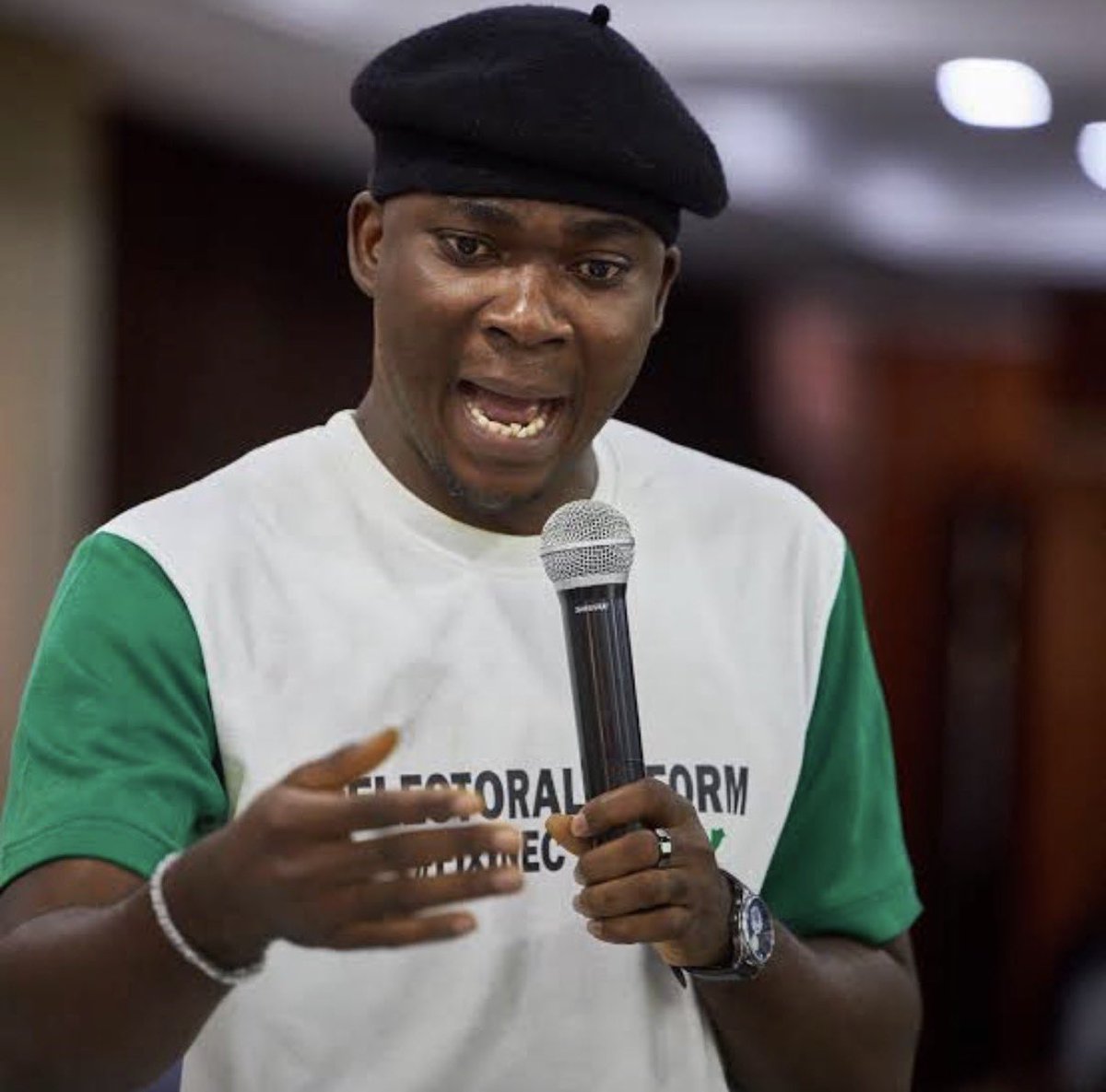
Nigeria @officialEFCC has kidnapped @Peter4Nigeria and @MamaPee__
They were invited and honoured the invitation but are missing since afternoon!
This afternoon, the EFCC invited Peter Akah (Randy Peter) and Mama Pee to their Abuja office for interrogation.
This is night (11:44pm) and they’ve been unreachable.
Our people on ground don’t have a clear picture on what is going on. .
EFCC what is going on.
This is an SOS call to the authorities. What is going on please.
@instablog9ja To those who say they are taking risks. These risks is why you are praying, fasting and doing anything possible to go to their country.
A good country is not built by cowards but people willing to sacrifice everything including their own lives so other can live better.
Accountable Borrowing: The South Africa Example.
I have consistently maintained that borrowing, in itself, is not a bad thing. Every nation borrows. The critical issue is not the act of borrowing, but what the borrowed funds are used for and whether citizens can clearly see and measure the impact of such borrowing in their daily lives.
There is a lot to learn in the open and transparent manner in which South Africa handled its recently secured a $1 billion loan from the New Development Bank, with a clearly defined purpose. Publicly announcing the targeted purpose of the loan for all to know and monitor, upgrading water supply systems, modernising sanitation infrastructure, improving electricity distribution, and strengthening waste management services across eight major metropolitan cities, including Johannesburg, Cape Town, and Durban.
This is indeed what accountable borrowing should look like; the purpose is clear, the projects are identifiable, and the expected benefits to citizens are measurable. Such investments directly improve living conditions, enhance productivity, and stimulate economic growth.
In Nigeria, however, the opposite is the case: public debt has risen dramatically under the current administration, and its deployment is shrouded in secrecy from the people who will indeed pay back the loan. Today, our total public debt has increased from about ₦87 trillion in 2023 to nearly ₦200 trillion.
Yet, despite this unprecedented accumulation of debt, Nigerians are often left without a clear and detailed account of how these borrowings are being deployed to improve critical sectors such as education, healthcare, power, security, and infrastructure.
Borrowing must never become an end in itself. Every loan obtained in the name of the Nigerian people must be tied to specific, productive investments capable of generating economic value, creating jobs, reducing poverty, and improving the welfare of citizens.
Good governance demands transparency and accountability. The government must be able to clearly explain what was borrowed, where it was invested, and what measurable outcomes have been achieved. The ordinary Nigerian should be able to see and feel the benefits of every debt incurred on their behalf.
At a time when millions of Nigerians are struggling with rising costs of living, unemployment, insecurity, and declining purchasing power, fiscal discipline and prudent management of public resources are no longer optional; they are imperative.
Every borrowing decision should answer one simple question: How does this improve the life of the ordinary Nigerian? If that question cannot be convincingly answered, then we risk merely transferring today's burdens to future generations.
A New Nigeria is POssible. - PO
BRICS bank approves $1 billion lifeline for South Africa’s struggling cities | Business Insider Africa https://t.co/VN0C0Xo8zp
Tinubu is the president in charge of insecurity but Peter Obi is the one they are angry at for not answering insecurity questions. 😅🤣😀
Crazy things are happening..
@Iyoaiye_ Your candidate couldn’t answer when he was asked at Chatham House, one of the person that answered security questions for him is currently facing security threats charges. 😂 oga rest.
🟢 INTENEGINS opens green after a brutal week.
After falling 16.17% on the WoW view and suffering two consecutive limit-down sessions, INTENEGINS is up 3.47% this morning to ₦5.96.
Early buyers are attempting a rebound, but participation remains thin. The key question now: can INTENEGINS hold this gain into the close, or will last week's selling pressure re-emerge as the session progresses?