Asia Pacific Infant and Young Child Nutrition Association (APIYCNA) aims to improve the nutritional well-being of infants and young children throughout APAC.
💬 We all share the responsibility for maximising the impact of @FAOWHOCodex by increasing the visibility and use of our standards, and I can think of no better example of a Codex observer organisation taking a lead in fulfilling this shared responsibility.
🙏 A big thank you to @FAOWHOCodex Chair @SteveWearne for introducing our webinar today to launch the ISDI guidance document on new Codex Standard for Follow-up Formula and Product for Young Children.
Download it here: https://t.co/KWA9k0kWC5
#CodexStandards
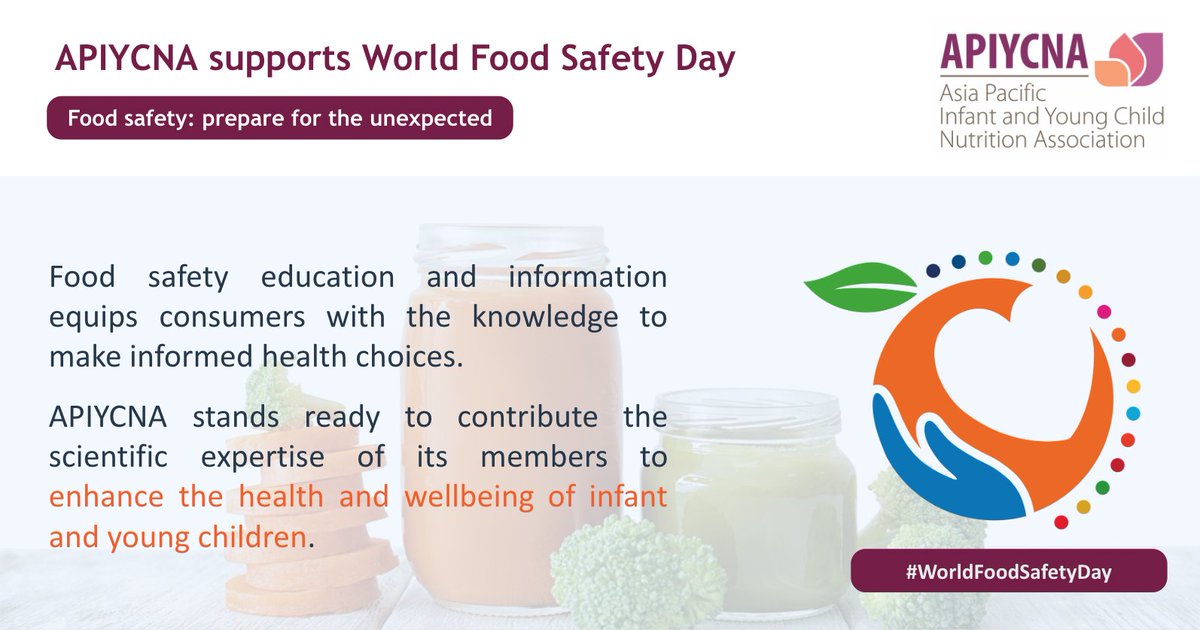
🌍🍽️ Happy #WorldFoodSafetyDay! Today, we celebrate the importance of ensuring safe and nutritious food for all.
🔒 APIYCNA’s members are dedicated to the highest standards of food safety for infants and young children.
#FoodSafety#Nutrition#APIYCNA#InfantNutrition
📋 Clear and reliable information about ingredients and nutrition is essential.
✅ For infants and young children, APIYCNA’s members ensure strict standards for confidence in every choice. https://t.co/UO5vU4bcnT
🍽️👶 Fortified complementary foods are essential for increasing nutrient intake in infants and young children.
✅ Our members ensure these foods provide vital nutrients for healthy growth and development.
#Nutrition#ChildHealth#APIYCNA#WorldFoodSafetyDay
🔬🏅 APIYCNA members take pride in producing #Safe and #Nutritious food through continuous product improvement and scientific innovation.
✅ We enforce strict #FoodSafety standards to support the health and well-being of infants and young children. #Nutrition#WorldFoodSafetyDay
🌱🌍 APIYCNA members are dedicated to sustainability
✅ We use renewable resources, efficient operations, waste management, and eco-friendly packaging. We also form partnerships for sustainable food production and promote best practices.
#Sustainability#WorldFoodSafetyDay
🌏🤝 APIYCNA members ensure safe and nutritious foods for infants and young children in the APAC region.
✅ We support national governments in regulating food safety across the food chain, complying with Codex standards, and often exceeding them.
#Nutrition#WorldFoodSafetyDay
👩🔬🔬 At APIYCNA, we believe food safety starts with science!
✅ We are committed to supporting @FAOWHOCodex in setting science-based food standards to ensure #FoodSafety for infants and young children.
🗓️🔜 #WorldFoodSafetyDay#Nutrition#APIYCNA
📝 | #FoodSafety policies, standards and practices are guided by the work of:
🔸microbiologists
🔸toxicologists
🔸chemists
🔸epidemiologists
🔸biologists
🔸geneticists
🔸people working in many other scientific disciplines
👉 Food safety is everyone's business❗️
Let's talk about hot topics between #ESPGHAN24 sessions! ☕
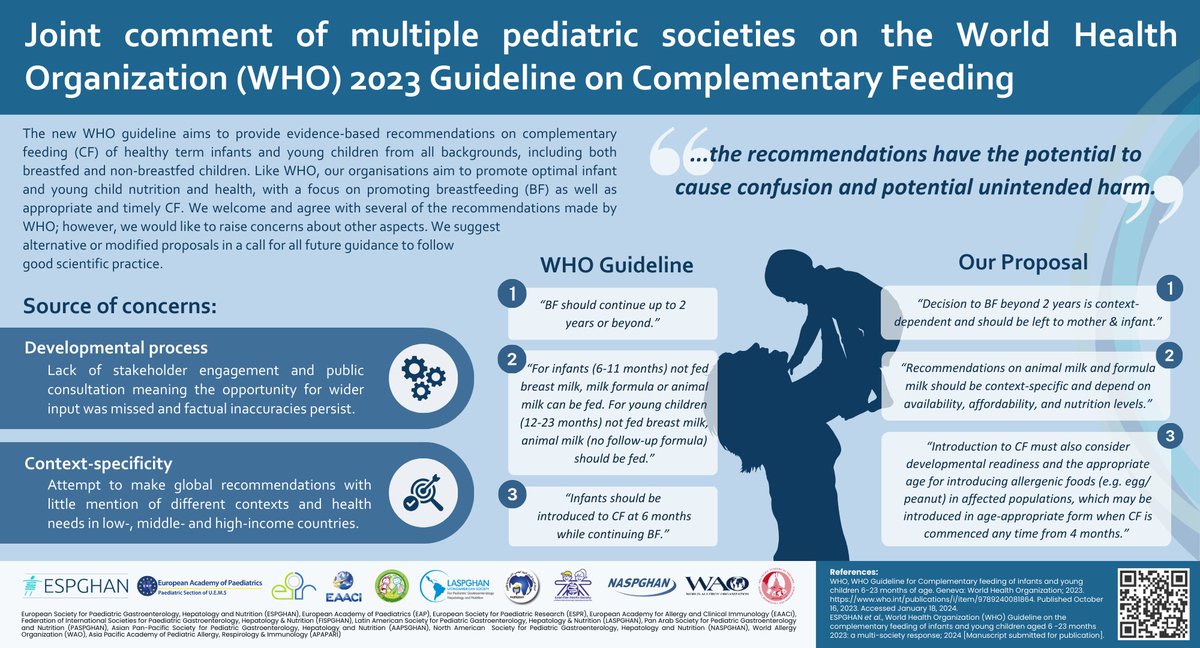
Multiple international paediatric societies joined in a commentary on the 2023 WHO Guideline on Complementary Feeding, calling for context-specific guidance.
Get inspired! View the paper 🔽
https://t.co/7qPdfzUfMQ
🚨 Eleven leading pediatric societies from around the globe have voiced significant concerns regarding the 2023 WHO guideline on complementary feeding. They caution that it "could potentially cause unintended harm in infants and young children." https://t.co/yOtngMS9Tm
ISDI supports all efforts to improve health outcomes for young children. Establishing healthy complementary feeding practices are critical to this, but we have concerns about the new @WHO guidance on #ComplementaryFeeding.
Read more: https://t.co/5WfsHkwwu5
#InfantNutrition
📣 The recent ASEAN Declaration on Food Security and Nutrition includes a pledge to "strengthen social welfare and safety net programmes, including emergency food assistance and infant and school feeding programmes.” 👉🏼 https://t.co/9hNdSDMPOL
#foodsecurity#nutrition
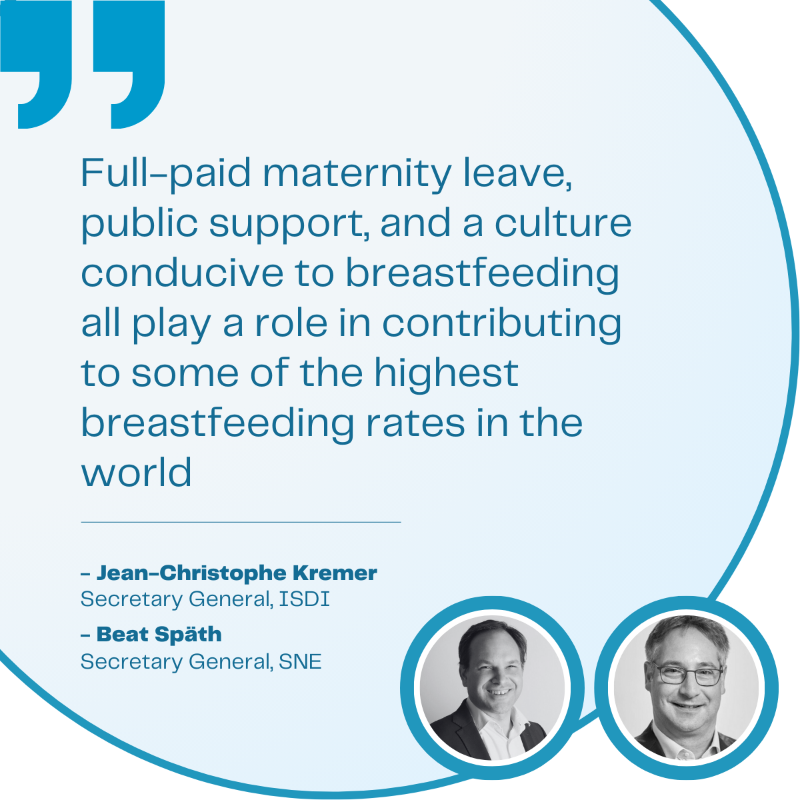
.@TheLancet just published ours and @SNE_EU's joint response letter to their Breastfeeding Series 2023.
Our response counters the Lancet's narrow portrayal of issues surrounding #breastfeeding rates and calls for a holistic approach.
Read more👇
Different factors shape attitudes and behaviours related to infant feeding 👇
📌 formal and informal work environments
📌 health systems' support
📌 maternity protection and preference
📌 societal norms and values
More on infant feeding choices here:
We fully support transparent interaction with providers of nutritional products, #healthcare professionals and scientists in compliance with professional and ethical standards.
Find out how we safeguard interactions with HCPs 👇
https://t.co/itv6KHgAAf
Considering the upcoming Global #Congress on Implementation of the International Code of #Marketing of Breast-milk Substitutes, we reiterate our desire to contribute to a balanced, evidence-based dialogue about access to optimum #nutrition for infants.
Our full statement here 👇