از آنجایی که دسترسی به اینترنت در ایران به آرامی در حال بازیابی است، به کاربران یادآوری میکنیم که در صورت مواجهه با هرگونه تهدید امنیتی دیجیتال، با ما تماس بگیرند. آرتیکل ۱۹ آماده کمک به شماست.
از طریق کانالهای زیر با ما در تماس باشید:
WhatsApp: +44 7340 001385
Signal: +447340001385
Telegram: @ARTICLE19Helpline +447340001385
Email: [email protected]
Transnational repression is a growing threat, affecting people across borders through surveillance, intimidation, and harassment. Knowing available support resources is critical for those at risk.
If you or someone you know needs support, reach out to ARTICLE 19:
WhatsApp: +44 7340 001385
Signal: +447340001385
Telegram: @ARTICLE19Helpline +447340001385
Email: [email protected]
A Greek national has been charged under Britain’s National Security Act with assisting a foreign intelligence service, believed to be Iran’s, over the targeting of a journalist at London-based Iran International, British police said.
https://t.co/hLhOVHAwLb
Iran has now openly confirmed what many in the digital rights community have warned for years: internet restriction and filtering infrastructure has been imported from China.
As authorities expand censorship, surveillance, and “Pro Internet” systems that reserve open access for a privileged few, ordinary people are pushed further into isolation and digital inequality.
ARTICLE 19’s latest Tightening the Net report examines how China’s technology, governance models, and infrastructure are shaping Iran’s system of digital repression.
Read the report: https://t.co/FGXzVIsAKT
#Iran #InternetShutdown #DigitalRights #FreedomOfExpression
رئیس پیشین سازمان صدا و سیما:
تجهیزات محدودسازی اینترنت از چین وارد شده است
محمد سرافراز رئیس اسبق صداوسیما و عضو فعلی شورای عالی فضای مجازی، در گفتوگو با روزنامه اینترنتی «فراز» رسما تایید کرده که ابزارها و سختافزارهای لازم برای محدودسازی اینترنت، از کشور چین وارد ایران شده است.
به گفته سرافراز، گروهی در داخل کشور به شدت شیفته مدل اینترنت چین شدهاند. در این مدل، دسترسی عموم مردم به دنیای آزاد اینترنت قطع میشود و شبکه جهانی فقط مثل یک امتیاز خاص، در اختیار گروهی محدود و گزینششده قرار میگیرد.
او در توضیح فیلترینگ شدید در چین میگوید:
«حکومت چین برای اینکه فقط روایت خودش به گوش مردم برسد، سیستمی به نام "نیکان" راهاندازی کرده است. این سیستم تمام اخبار جهان را فیلتر و پالایش میکند و تحویل حزب کمونیست میدهد. مردم چین عملا به سرویسهای محبوبی مثل گوگل دسترسی ندارند و از طریق یک شبکه کاملا کنترلشده به نام "چاینا تلکام" خدمات میگیرند. البته تفاوت چین با ما این است که آنها حداقل موتور جستوجوی بومی بسیار قدرتمندی جایگزین گوگل کردهاند.»
بخش دیگر صحبتهای سرافراز به درآمدزایی از فیلترینگ اختصاص دارد. او میگوید که عدهای ذینفع، از این محدودیتها یک بیزینس بزرگ راه انداختهاند؛ آنها تجهیزات چینی را وارد کردهاند تا اینترنت باکیفیت و باز را با قیمتهای نجومی و تحت عنوان «اینترنت پرو» به مردم بفروشند:
«وضعیت فعلی ما مثل این است که در یک سرزمین پر از آب و منابع طبیعی زندگی کنید، اما عدهای بیایند دور آب را حصار بکشند و شما را مجبور کنند برای رفع تشنگی، پولهای کلانی بابت خرید یک بطری آب بپردازید!»
🔸همچنین وقتی این سوال مطرح شد که چه کسانی پشت این ماجرا و طرحهای محدودکننده هستند، او انگشت اشاره را به سمت اپراتورهای تلفن همراه نشانه رفت:
«اپراتورهایی که به سیستمهای حاکمیتی متصل هستند و خودشان در شوراهای عالی تصمیمگیری میکنند.» در واقع، همان کسانی که برای اینترنت تصمیم میگیرند، خودشان هم از این بازار پرمنفعت سود میبرند!
There are conflicting reports on internet access, with some experts saying connectivity is currently as low as 39%. Many people in Iran – including those with businesses online – report slow speeds and continued inability to access social media sites.
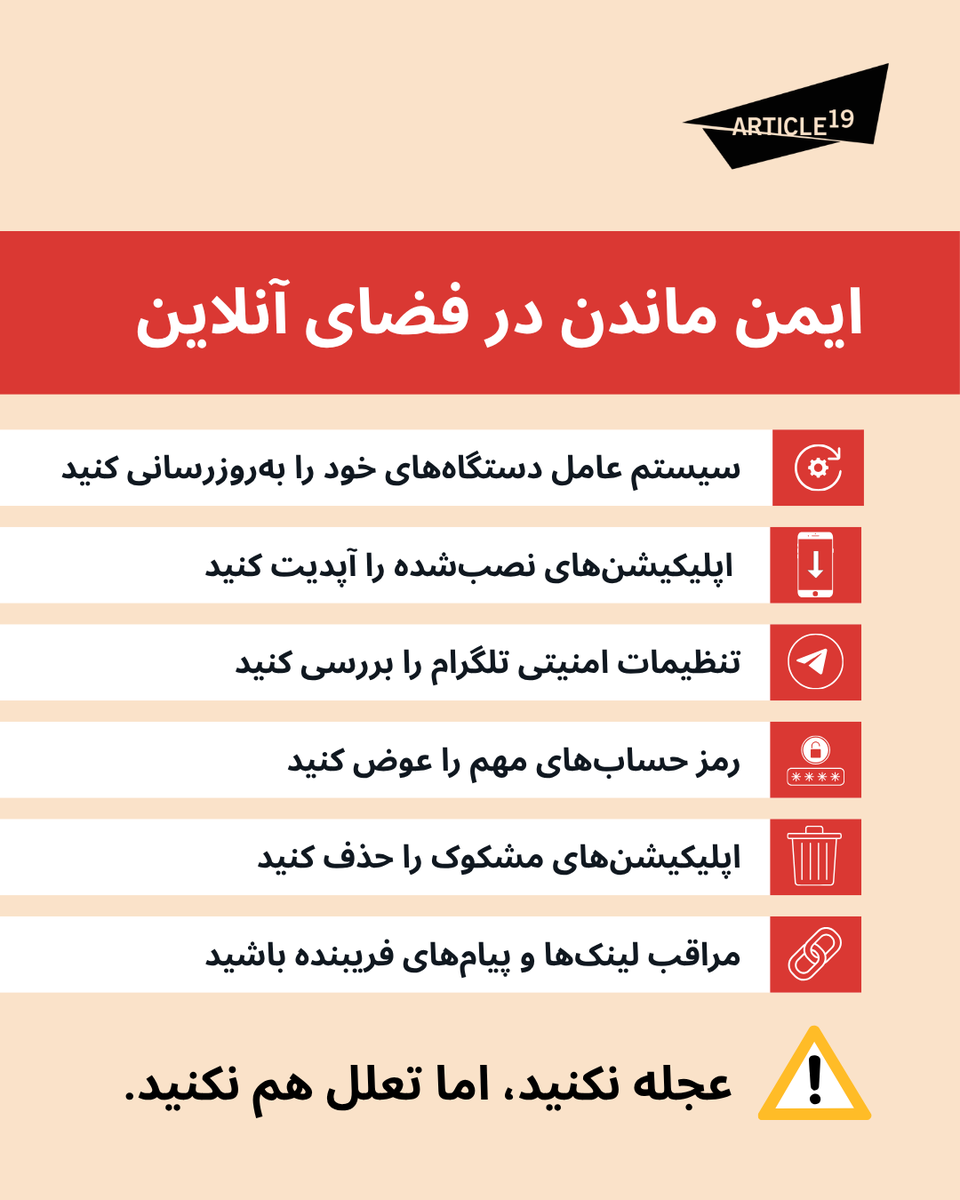
بعد از حدود 89 روز قطعی یا اختلال شدید در دسترسی به اینترنت جهانی، حالا که اتصال اینترنت بینالملل در #ایران بهتدریج در حال بازگشت است، کاربران باید چند اقدام مهم امنیتی و فنی را در اولویت قرار دهند.
مقامات ایرانی باید دسترسی کامل، آزاد و بدون محدودیت به اینترنت را برقرار کنند و از شناسایی، تهدید، تعقیب و برخورد با افرادی که برای دسترسی به اینترنت آزاد تلاش میکنند، خودداری کنند.
جامعه بینالمللی، دولتها و بخش خصوصی نیز باید از حق آزادی بیان، دسترسی به اطلاعات و ارتباط امن مردم ایران حمایت کنند.
Iranian authorities must restore full, unrestricted access to the internet and stop targeting people trying to get online.
The international community, governments and the private sector must support rights to free expression and access to information.
https://t.co/iCFS5Cp18r
۸۰ روز قطع ارتباط با جهان.
ما از دولتها، نهادهای بینالمللی و شرکتهای فناوری میخواهیم که مقامات جمهوری اسلامی را در قبال نقض حق دسترسی به اطلاعات و آزادی بیان پاسخگو کنند.
سکوت، به تداوم قطع اینترنت کمک میکند.
توجه جهانی و فشار جمعی اهمیت دارد.
قطع اینترنت، خشونت را پنهان میکند، جریان اطلاعات را میبندد و مردم را در تاریکی نگه میدارد، در حالی که بازداشتها، اعدامها و انواع سوءاستفاده پشت درهای بسته ادامه دارد. این، ابزاری برای سرکوب و نقض حقوق بشر است.
به قطع اینترنت پایان دهید.
در کنار مردم #ایران بایستید.
Many Iranians have been forced onto distrusted domestic apps after authorities cut global internet access, disrupting education and business while exposing users to slow speeds, censorship and surveillance fears.
https://t.co/xWpUrjYen5
REMINDER: Starting Friday, May 8th, Instagram DM's will no longer be end-to-end encrypted.
Instagram hasn't explained why they're dropping end-to-end encryption, which raises some pretty obvious questions about what they plan to do with your private messages.
ARTICLE 19’s @michaelcaster on the cancellation of RightsCon, rising transnational repression, and the impact China’s influence has on all our rights.
Plus: what does this mean for civil society hoping to attend other conferences scheduled this year?
https://t.co/x7YJ1pZPIi
Iran's ongoing internet shutdown has been going for more than 66 days.
It's been 117+ days since the Jan 8 blackout first cut off broad internet access — meaning Iranians have had widespread connectivity for just ~6.4% of 2026. #DigitalBlackOutIran
در روز جهانی آزادی مطبوعات، به ما یادآوری میشود که دسترسی به اطلاعات و آزادی بیان فقط امتیاز نیستند - آنها حقوق اساسی هستند.
ما باید همچنان از مقامات ایرانی بخواهیم که دسترسی را برقرار کنند، از آزادی بیان محافظت کنند و به قطعی اینترنت پایان دهند.
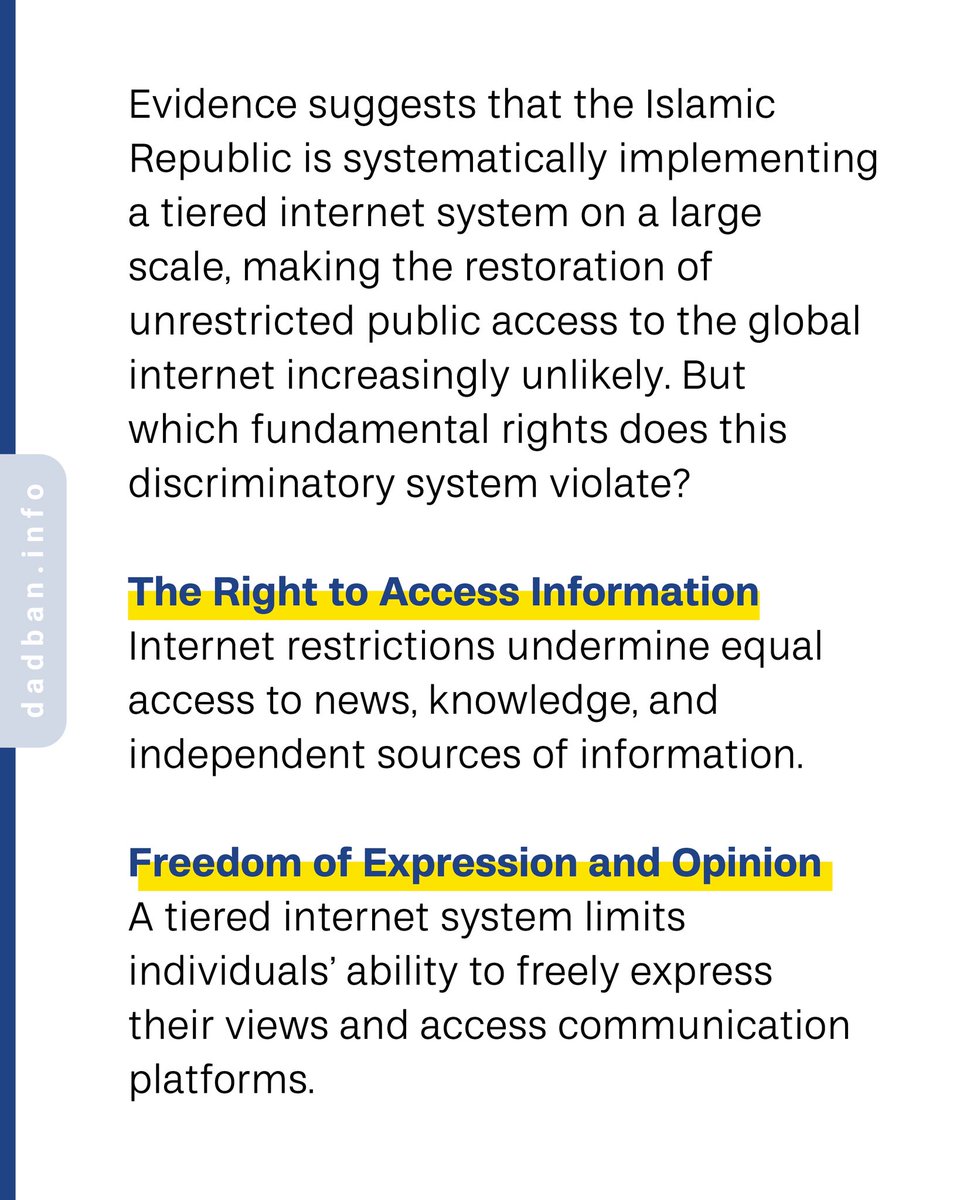
Which Fundamental Rights Are Violated by Tiered Internet Access?
Evidence suggests that the Islamic Republic is systematically implementing a tiered internet system on a large scale, making the restoration of unrestricted public access to the global internet increasingly unlikely. But which fundamental rights does this discriminatory system violate?
The Right to Access Information: Internet restrictions undermine equal access to news, knowledge, and independent sources of information.
Freedom of Expression and Opinion: A tiered internet system limits individuals’ ability to freely express their views and access communication platforms.
The Right to Equality and Non-Discrimination: Granting broader internet access to selected groups creates structural discrimination among citizens.
The Right to Participate in Social and Economic Life: Restricting access to a free and open internet disrupts equal access to education, employment, commerce, and online services.
The Right to Privacy and Secure Communications: Forcing users onto restricted and heavily controlled networks increases surveillance and state interference in private communications.
#Internet #Dadban #iran
The international community must not stand idly by while the Iranian authorities continue to escalate the arbitrary execution of political dissidents and protesters to instill fear.
RightsCon is a unique venue for sharing ideas and building collaborative global relationships. We are deeply saddened by its cancellation this year, but look forward to future opportunities to convene with partners, CSOs, and others working to uphold freedom of expression.
ARTICLE 19 condemns the Zambian authorities’ cancellation of RightsCon 2026, raising serious concerns for free expression and freedom of assembly.
Zambia must demonstrate its commitments and uphold the rights of civil society, journalists & partners.
https://t.co/iW8G6fkRGN
کانفیگ؛ تنها راه دسترسی به اینترنت آزاد در ایران
در ایران تحت جمهوری اسلامی، اینترنت آزاد یک امتیاز است، نه یک حق. این روزها برای میلیونها نفر، تنها راه عبور از دیوار فیلترینگ استفاده از «کانفیگ» است. اما آیا همه کانفیگها امن هستند؟
🔹کانفیگ چیست؟
کانفیگ در واقع یک فایل تنظیمات است که به نرمافزارهایی مثل V2Ray میگوید چطور به یک سرور خارجی متصل شود و از آن به عنوان واسط برای دسترسی به اینترنت جهانی استفاده کند. این فایل معمولا شامل آدرس سرور، پورت اتصال، پروتکل ارتباطی و کلید رمزنگاری است. کانفیگهای مبتنی بر پروتکلهایی مثل VLESS، VMess، یا Trojan ترافیک را طوری رمزنگاری و پنهان میکنند که شبیه ترافیک عادی HTTPS به نظر برسد، تکنیکی که به آن Traffic Obfuscation میگویند.
🔹آیا کانفیگها قابل هک هستند؟
یک «کانفیگ» در واقع ترافیک اینترنت شما را از طریق یک سرور واسط عبور میدهد. در این حالت، صاحب سرور میتواند اطلاعاتی مانند مقصد اتصال، زمان و مدت استفاده را مشاهده کند. با این حال، ریسک اصلی معمولا در محتوای دادهها نیست، بلکه در فراداده (metadata) است.
اپراتور سرور میتواند الگوی رفتاری شما را تحلیل کند؛ از جمله زمانهای اتصال، مدت فعالیت، حجم دادههای ردوبدلشده و سرویسهایی که به آنها متصل میشوید. حتی اگر محتوای ارتباطات رمزنگاریشده باشد، همین اطلاعات جانبی – مثلا اتصال منظم به یک سرویس خاص در زمان مشخص – میتواند معنادار باشد.
در مقابل، به دلیل استفاده از رمزنگاری در پروتکلهای مدرن، معمولا امکان مشاهده محتوای دقیق سایتهای HTTPS یا پیامهای پیامرسانهای دارای رمزنگاری سرتاسری برای صاحب سرور وجود ندارد.
🔹آسیبپذیریهای اصلی کانفیگها
1️⃣سرور مخرب: اگر سرور توسط یک فرد یا گروه ناشناس اداره شود، میتواند متادیتای کامل کاربر را ثبت کند: سایتهایی که بازدید میکنید، زمان و مدت اتصال و حجم دادههای رد و بدلشده.
2️⃣ حمله مرد میانی (Man-in-the-Middle): در این نوع حمله، مهاجم بین کاربر و سرور قرار میگیرد و ترافیک را رهگیری میکند. اگر کانفیگ از گواهی SSL معتبر استفاده نکند، این حمله به راحتی ممکن است.
3️⃣کانفیگ آلوده: برخی کانفیگها میتوانند تنظیماتی داشته باشند که DNS کاربر را به سرورهای مخرب هدایت کنند. در این صورت یعنی حتی سایتهایی که مستقیم باز میکنید هم از مسیر اشتباه رد میشوند.
4️⃣لو رفتن IP: بعضی پروتکلها در صورت پیکربندی نادرست سرور، IP واقعی کاربر را فاش میکنند، به این مشکل DNS Leak یا WebRTC Leak میگویند.
ادامه مطلب:
https://t.co/7ogiuEI54G
I echo UN Human Rights High Commissioner Volker Türk's statement on Iran and join him in calling on the Iranian authorities to halt executions, release those arbitrarily detained, and restore internet access immediately. https://t.co/WFhQG9H4uq The use of national security charges to silence dissent, coerced confessions as the basis for executions, and the targeting of ethnic and religious minorities are patterns I have documented throughout my mandate — and they are continuing despite the ceasefire, as fragile as it is. At least 21 executions have been announced by the State since the conflict began, but the ongoing shutdown gives me serious concern that further executions may be taking place without our knowledge. I am concerned for Narges Mohammadi, whose health is reportedly deteriorating in detention, and for Nasrin Sotoudeh, whose whereabouts remain unknown. Authorities have also reportedly seized the assets of hundreds of citizens — including 400 Iranians living abroad — labelling them 'traitors to the homeland’.The 61-day internet shutdown, the longest ever recorded, has caused severe economic losses, disrupted education and healthcare, and left people unable to access safety information during active hostilities — allowing the State to monopolise the narrative and making it impossible to grasp the full human rights situation inside the country.