The future is calling. Let’s build it together.
Save the date for #ASCE2027: The Infrastructure and Engineering Experience + learn more at https://t.co/LcYC53nH2J.
Last chance!
November 20 is the deadline to apply to attend the @ASCETweets Legislative Fly-In. This is your chance to help advocate for the profession by meeting with members of Congress in DC!
ASCE Members, apply here: https://t.co/vQFhhPixR6
“Sometimes it can leave you feeling almost as if you’re behind, when in fact, you’re exactly where you’re supposed to be.”
For many professionals, nontraditional paths to civil engineering come with unique challenges, but also valuable perspectives and strengths. Explore how alternate routes can lead to rewarding careers and even the highest levels of leadership, including the #ASCE presidency: https://t.co/7A6E4FfEFB.
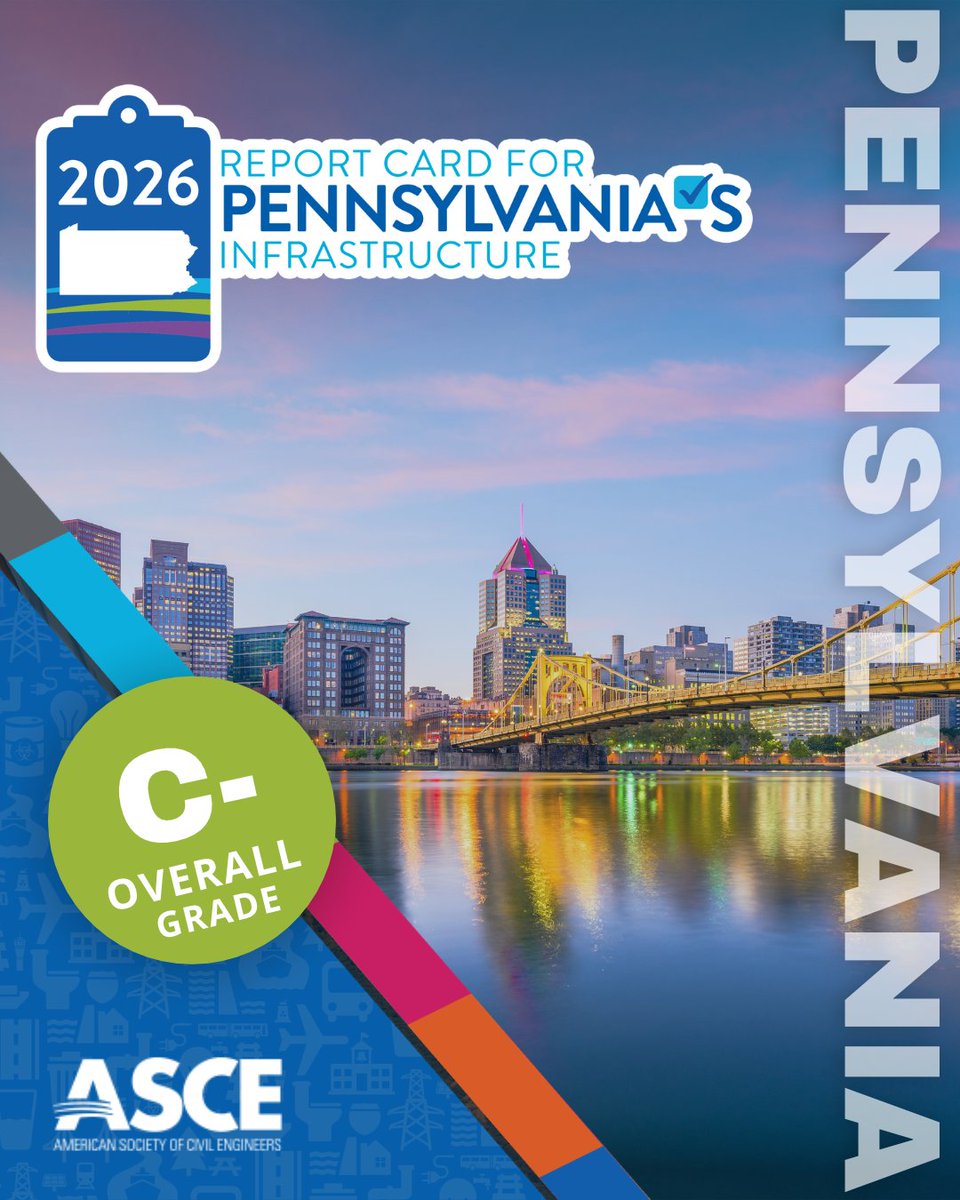
Yesterday, @ASCETweets PA State Council unveiled the 2026 Report Card for Pennsylvania's Infrastructure, giving a grade of "C-" across 17 categories. PA has some of the nation's oldest systems, but airports, energy, and rail systems have all improved in recent years.
Two divergent trends have emerged in the approach to project scheduling.
Learn why improved communication leads to more reliable and useful scheduling of the project plan, as opposed to the traditional approach: https://t.co/GLGz4G2bTV.
You may know #ASCE 2027 President-elect Rossana D’Antonio from her 24-year tenure with Los Angeles County Public Works or her extensive volunteer experience in the engineering profession... But do you know her go-to pizza topping?
Get to know the Society’s future president on the #ASCESource: https://t.co/AtxJbgH3uS.
What if we measured the success of a project not only by the problems it solves, but also by the problems it prevents?
In her latest #ASCESource column, @MIT grad student Ashley Forkey makes the case for proactive infrastructure: https://t.co/L5uYo0ZdhO.
Ever thought "man, I'd love to go to DC and do some advocacy for civil engineering?" Whatever your answer, this is something every engineer should do! Make it happen! Apply by FRIDAY to join the 2027 @ASCETweets Legislative Fly-In! Info and application at https://t.co/GKndLsuQhR
Can video-based analytics help buildings better understand occupant activity?
Researchers created a real-time Activity Intensity Score framework that uses body movement and kinematic data to estimate physical exertion without intrusive monitoring—learn more: https://t.co/HlIs9o6wx6. @ASCEPublishin
When it opened #OTD in 1869, the 120-mile-long Suez Canal was the longest man-made sea level canal in the world.
The modern canal remains one of the world's most heavily used shipping routes and continues to play a critical role in international trade. Learn more about one of the most significant waterways ever created: https://t.co/1A3w9UEiFl. #VisitASCELandmarks
Spoke at the release of @ASCETweets 2026 NY Infrastructure Report Card. As a civil engineer I know we must maintain, improve the systems our communities rely on. The state budget invests in roads, bridges, clean water, but more work remains. Read it here: https://t.co/to7g3W7t86
Individual civil engineers can take different design solutions, with each satisfying the professional standard of care.
Here’s why investigations into project errors should not rush to conclusions: https://t.co/Xh7CLA0umA.
Don’t let this one fly by!
Early bird savings for #ASCE2027 end Nov. 16 at 11:59 p.m. ET.
Join us March 1-5 in Philadelphia for big ideas, technical deep dives, and next-level networking—register today for your best rate: https://t.co/raPIjItuQu.
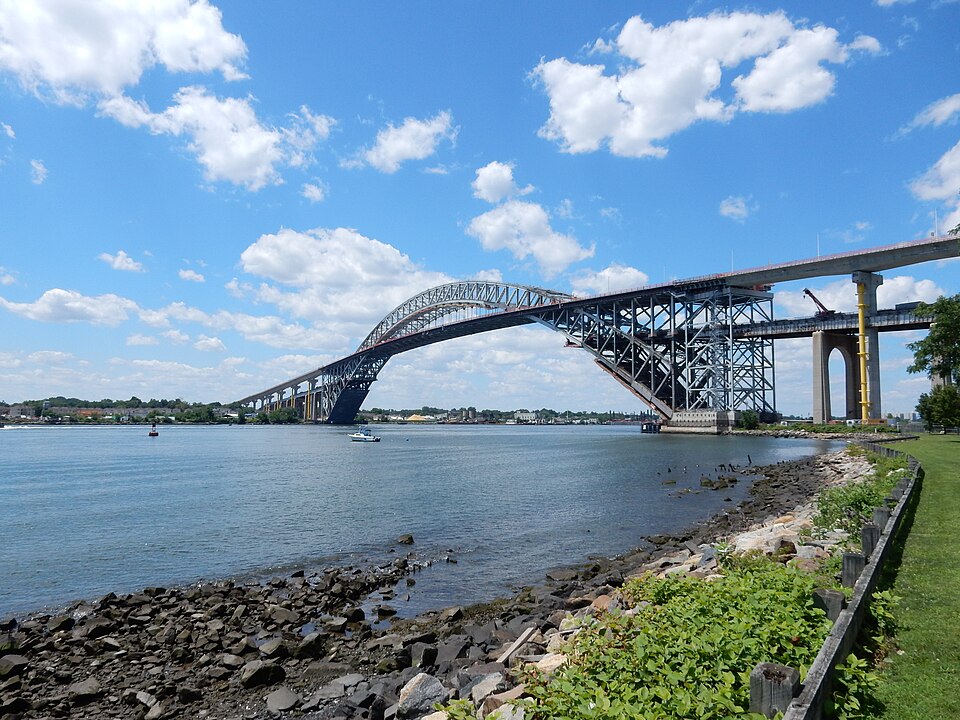
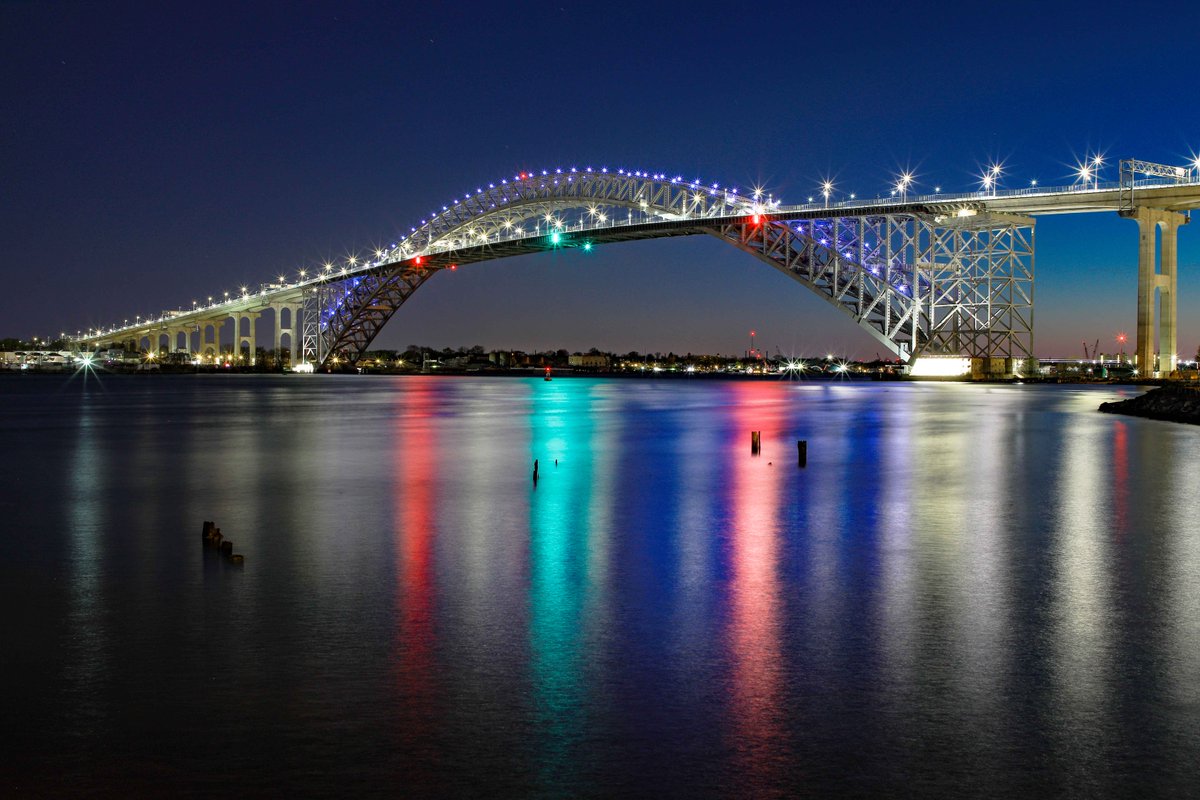
When the Bayonne Bridge opened #OnThisDay in 1931, its 1,675-foot span became the world's longest steel-arch bridge, a title it held until 1970.
The bridge pushed engineering forward with the first use of manganese steel in major structural elements, advances in structural analysis, and an innovative falsework system built on solid rock below the water. Engineers also conducted compression tests on the largest manganese steel columns ever produced to help make the record-breaking span possible. Widely recognized as an engineering work of great artistic accomplishment, @aisc once named it the most beautiful steel-arch bridge.
Designated as an ASCE Historic Civil Engineering Landmark in 1985, the Bayonne Bridge continues to evolve. A first-of-its-kind project later raised the roadway by constructing a new deck above the existing one while keeping both road and marine traffic moving, earning ASCE's 2020 Outstanding Civil Engineering Achievement Award.
What does it take for a bridge to be considered a work of art nearly a century after it was built? Explore the engineering, design decisions, and enduring lessons behind the Bayonne Bridge—available free on the #ASCELibrary now through Oct. 22: https://t.co/2pPZlWGP7n.
Don’t let this one fly by!
Early bird savings for #ASCE2027 end Nov. 16 at 11:59 p.m. ET.
Join us March 1-5 in Philadelphia for big ideas, technical deep dives, and next-level networking—register today for your best rate: https://t.co/raPIjItuQu.
Today marks the centennial of one of America's most famous and fabled highways, Route 66.
Established #OTD in 1926, Route 66 followed a diagonal alignment from Chicago to Santa Monica, California, a distance of more than 2,400 miles that crossed six additional states along the way – Missouri, Kansas, Oklahoma, Texas, New Mexico, and Arizona. What began as a mostly unpaved route linking together a series of existing state, county, and local roads with mainly gravel or graded dirt surfaces, became by 1938 an all-weather transportation corridor paved from end to end in concrete or asphalt.
Though it was decommissioned as an active U.S. highway in 1985, changes to the route over its useful life represent a time capsule of urban and rural highway development. Learn more about the rise, fall, and enduring legacy of a transportation icon on its 100th anniversary on the #ASCESource: https://t.co/KDPSOauEjc. #VisitASCELandmarks
Rising data center demand, driven by the growth of cryptocurrencies and artificial intelligence, has begun to strain power and water supplies worldwide.
As engineers explore solutions, the need for community collaboration becomes even clearer: https://t.co/8RMqt36AFS.
What’s the balance between affordability and resilience in agricultural building design?
Researchers applied drone-gathered virtual data to assess damage to Florida poultry houses after 2023’s Hurricane Idalia to understand the gap between designing for functionality and cost-effectiveness and designing for extreme wind events. Explore their findings: https://t.co/7bZ3W8H462. @ASCEPublishing
Big ideas, new perspectives, and meaningful connections await you at #ASCE2027.
Early bird pricing ends in ONE WEEK, so be sure to register before Nov. 16 at 11:59 PM PT to lock in your best rate! Secure your spot today: https://t.co/raPIjItuQu.
From protected intersections to road diets, engineers and planners are incorporating pedestrian-friendly design into complex transportation projects to expand mobility and improve safety.
Explore four infrastructure projects that are making streets safer and more accessible for pedestrians and cyclists: https://t.co/GkHoPex22c.