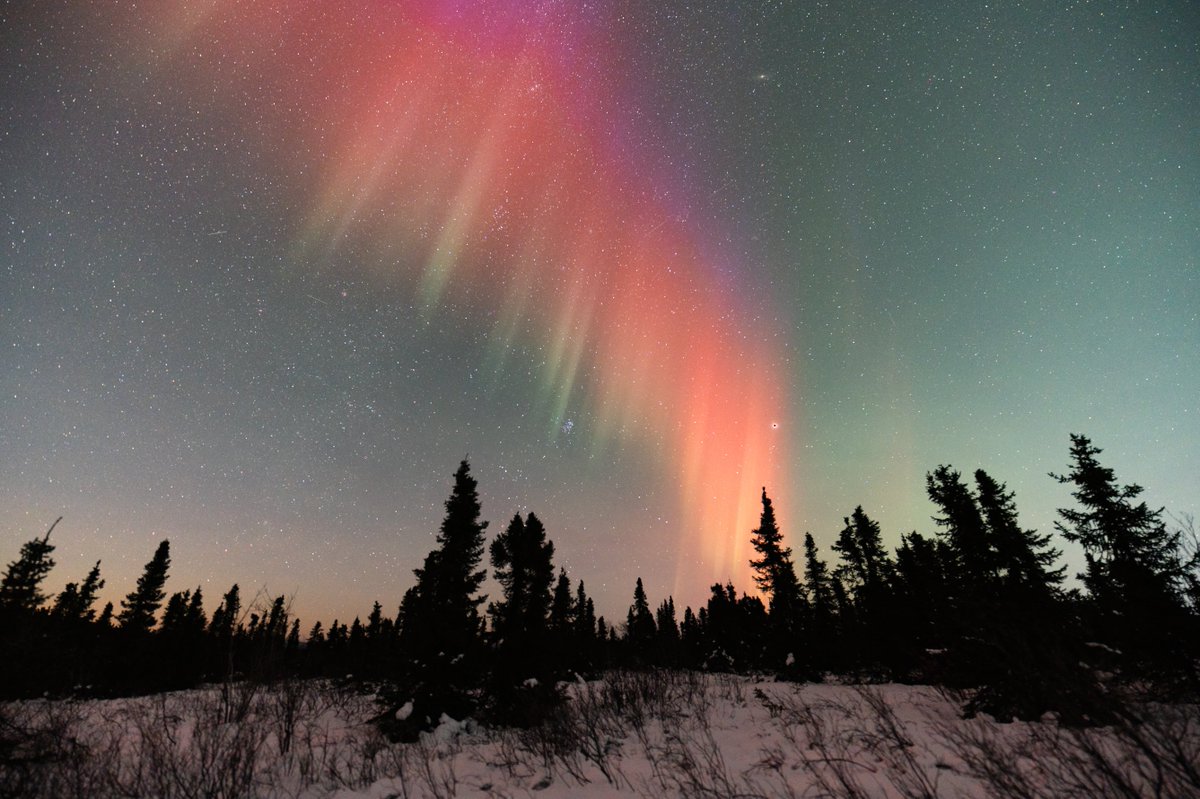
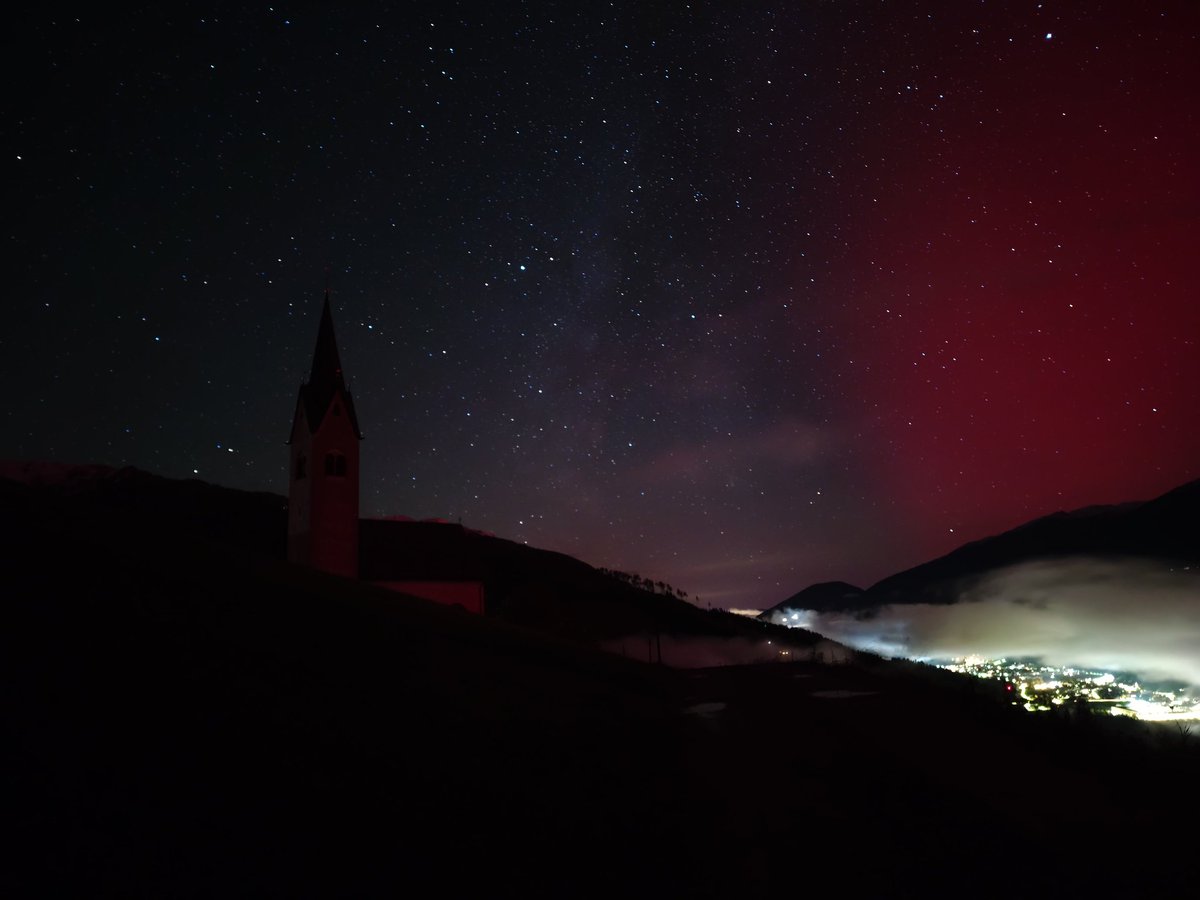
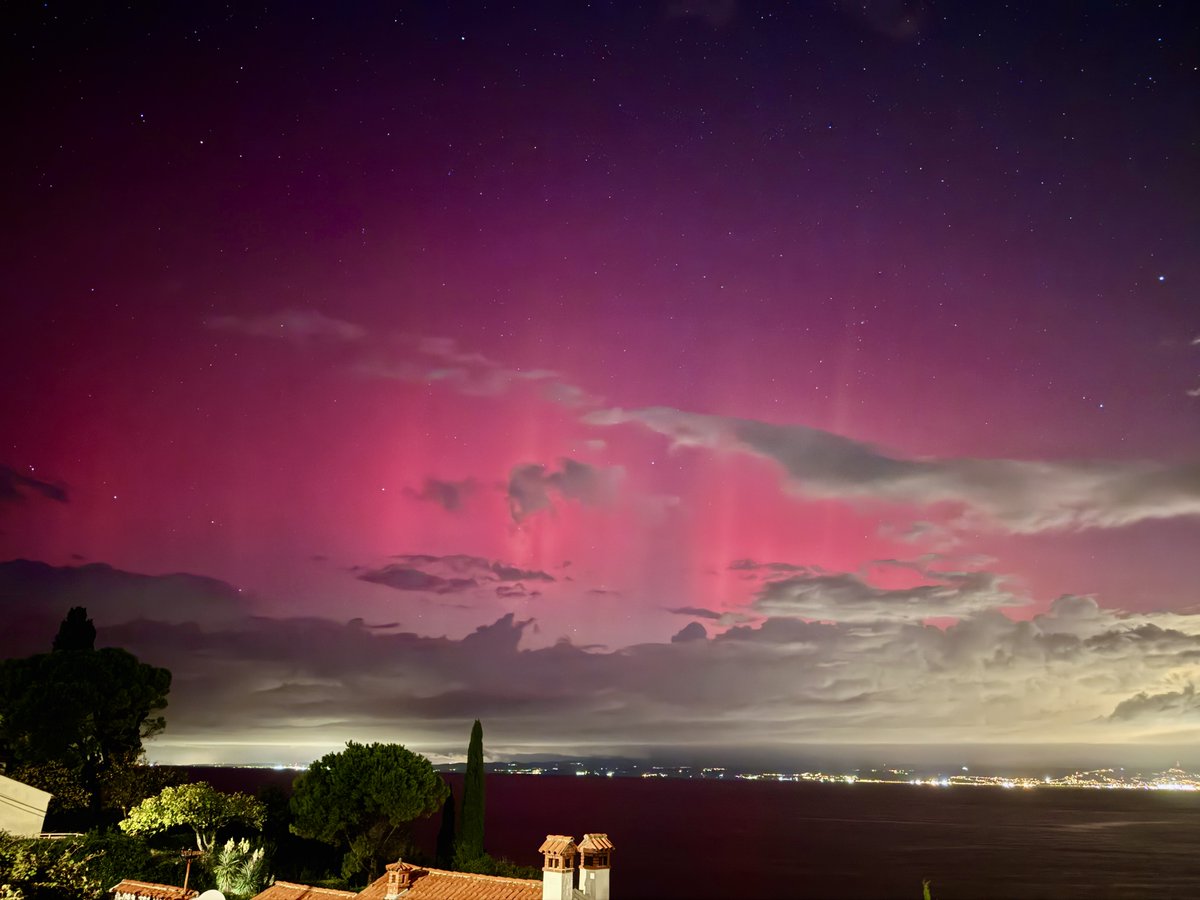
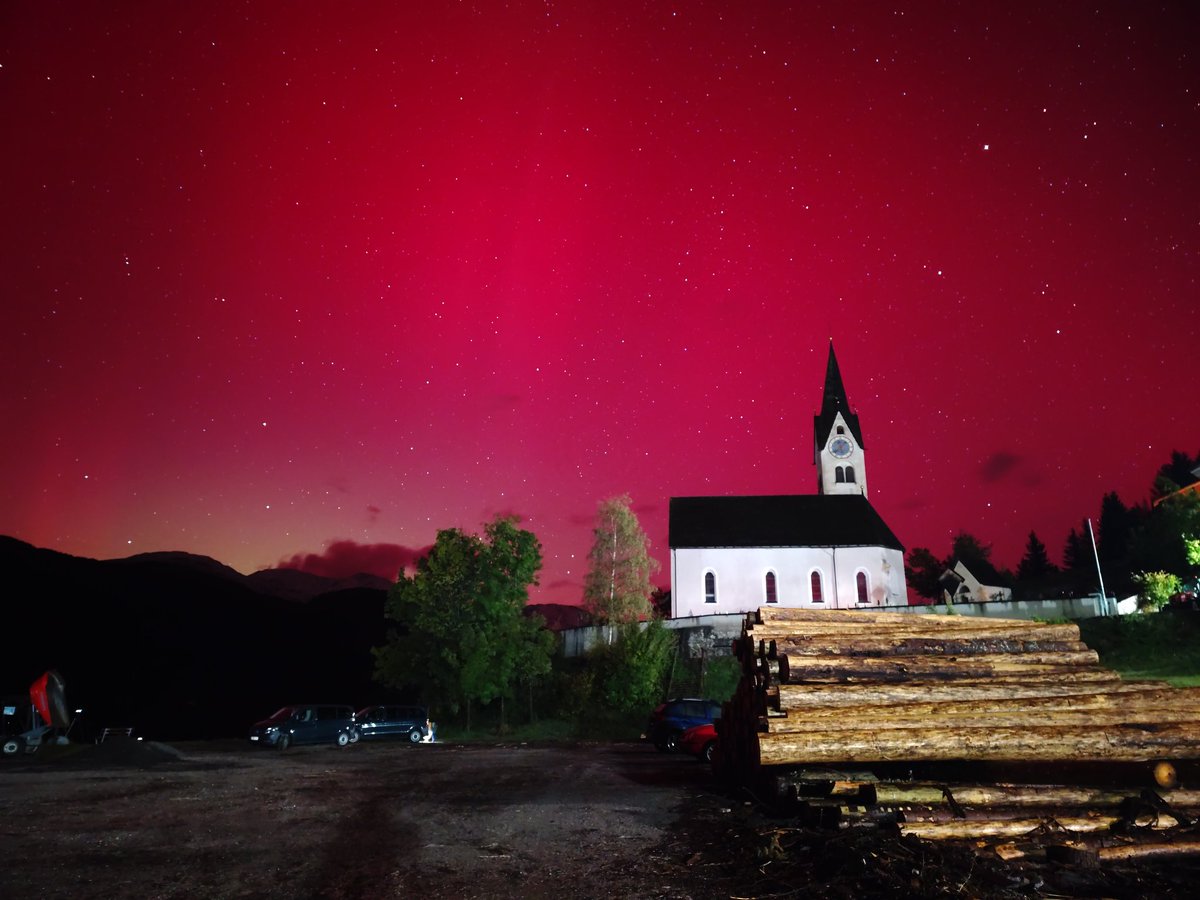
How do auroras form, and what causes the colors we see? A 🧵...
This is one of the most common questions I get on social media, and one I have received countless times over the past month, so let's dive in together!
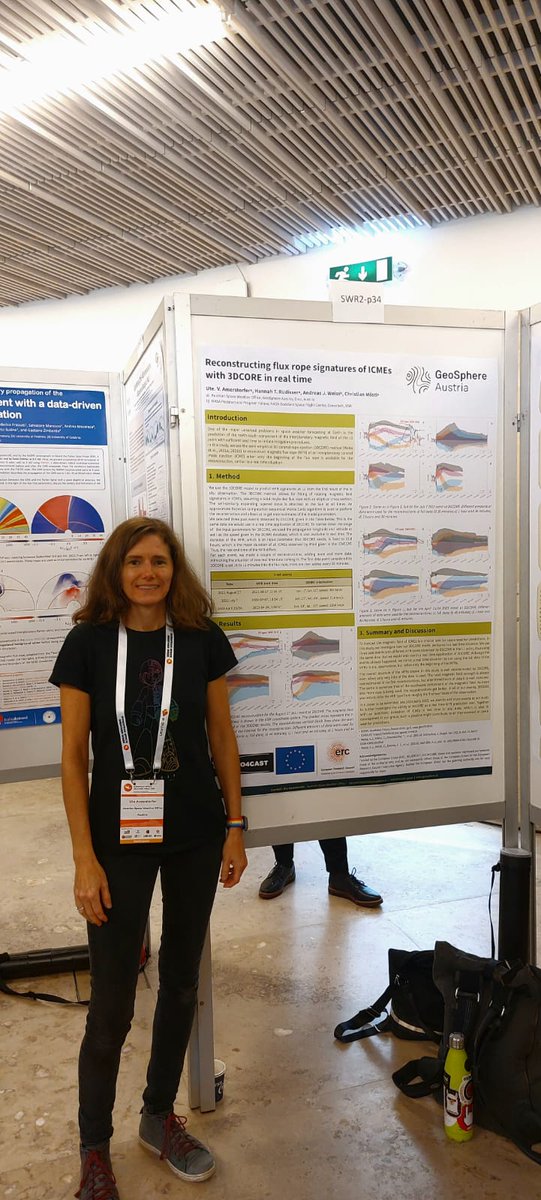
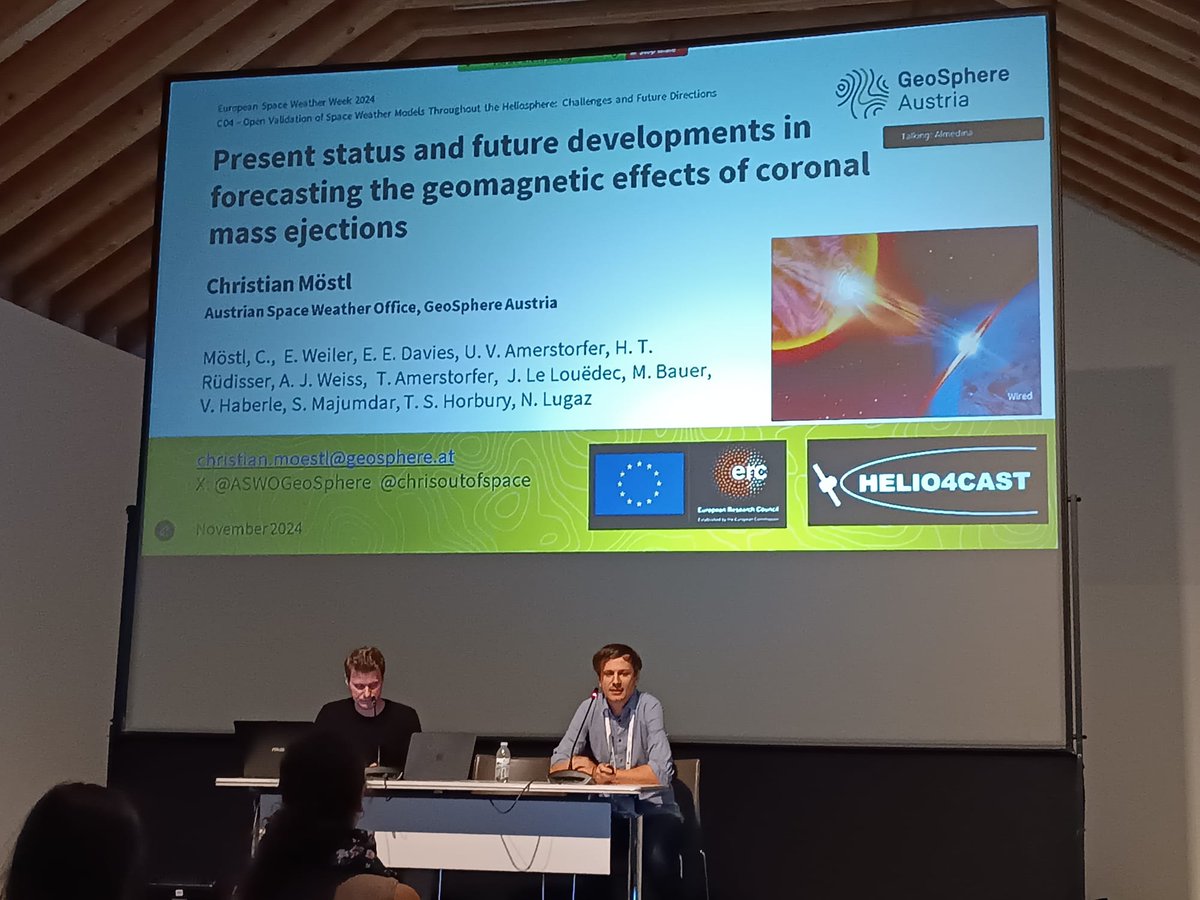
Wrapping up the #ESWW2024, @chrisoutofspace with a talk on predicting the geomagnetic effects of solar storms, and Ute Amerstorfer presenting a poster on predicting solar storm magnetic fields as they pass over the Earth.
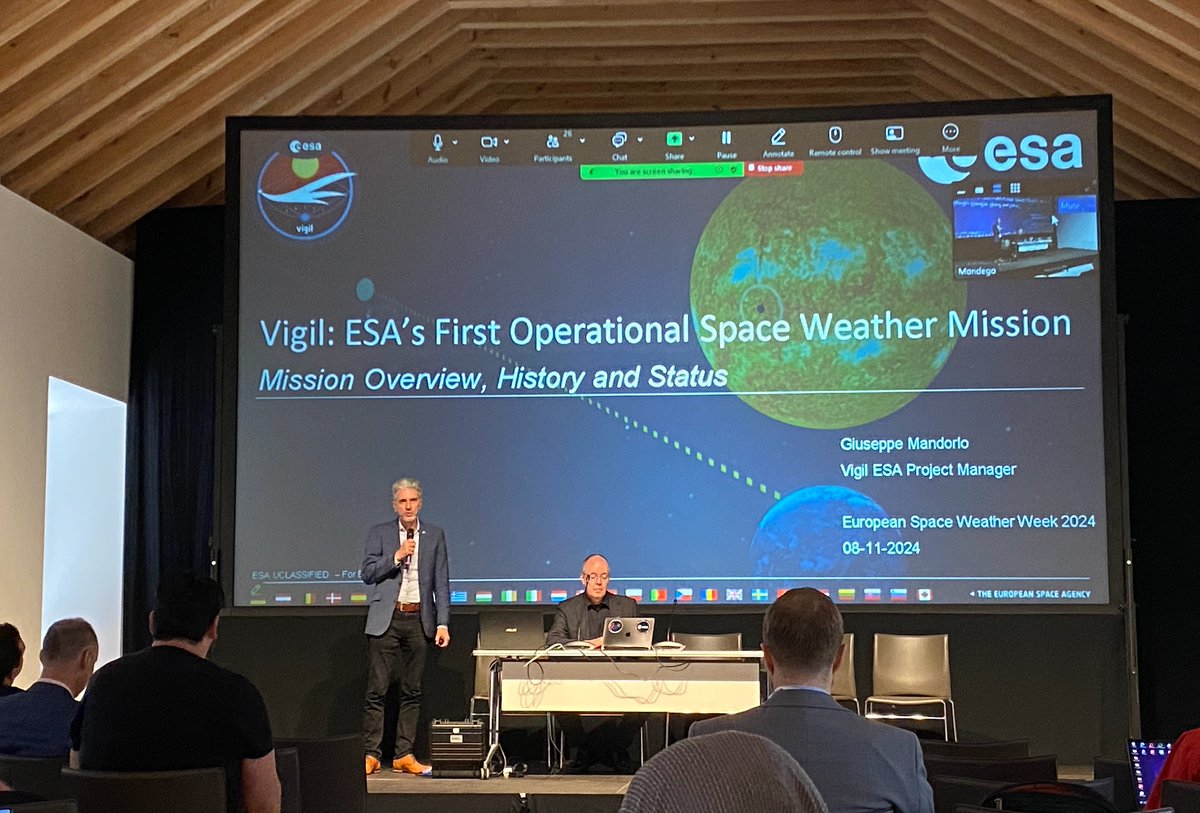
PLUS a first #ESWW workshop about @ESA_Vigil !
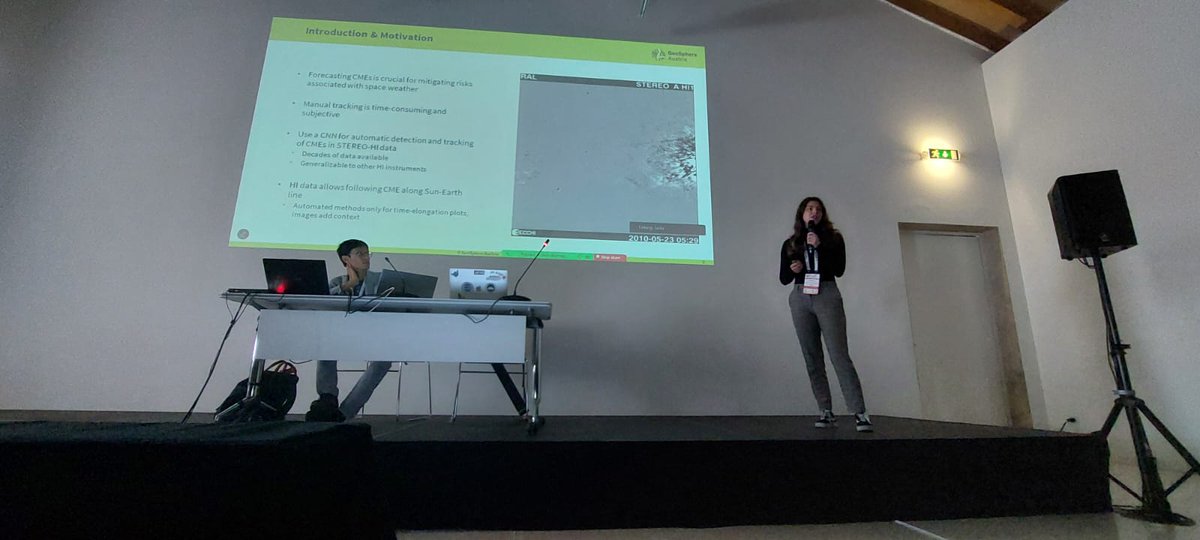
Maike Bauer @MaikeBauer2 talked today on automatically identifying coronal mass ejections in heliospheric imager data with a convolutional neural network - very helpful for future cataloging and forecasting! #ESWW2024
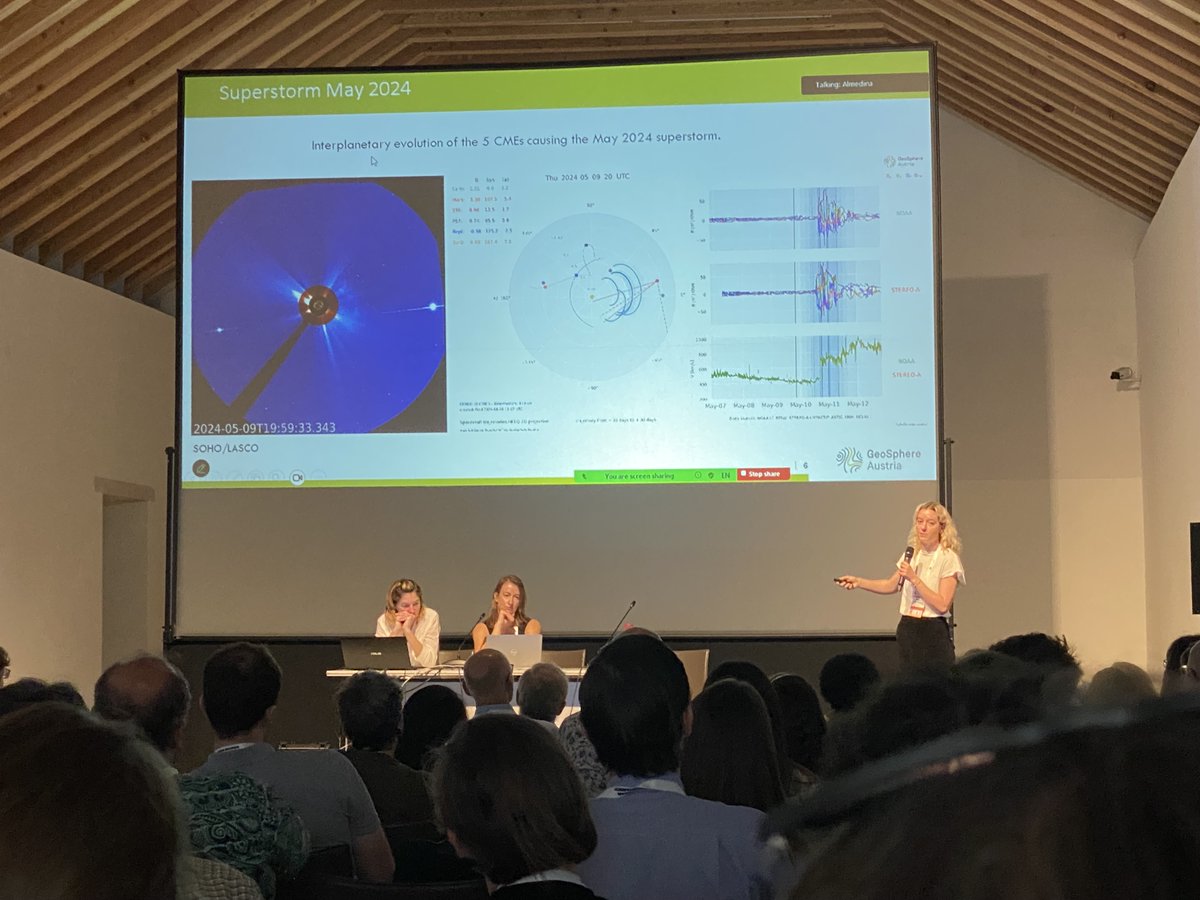
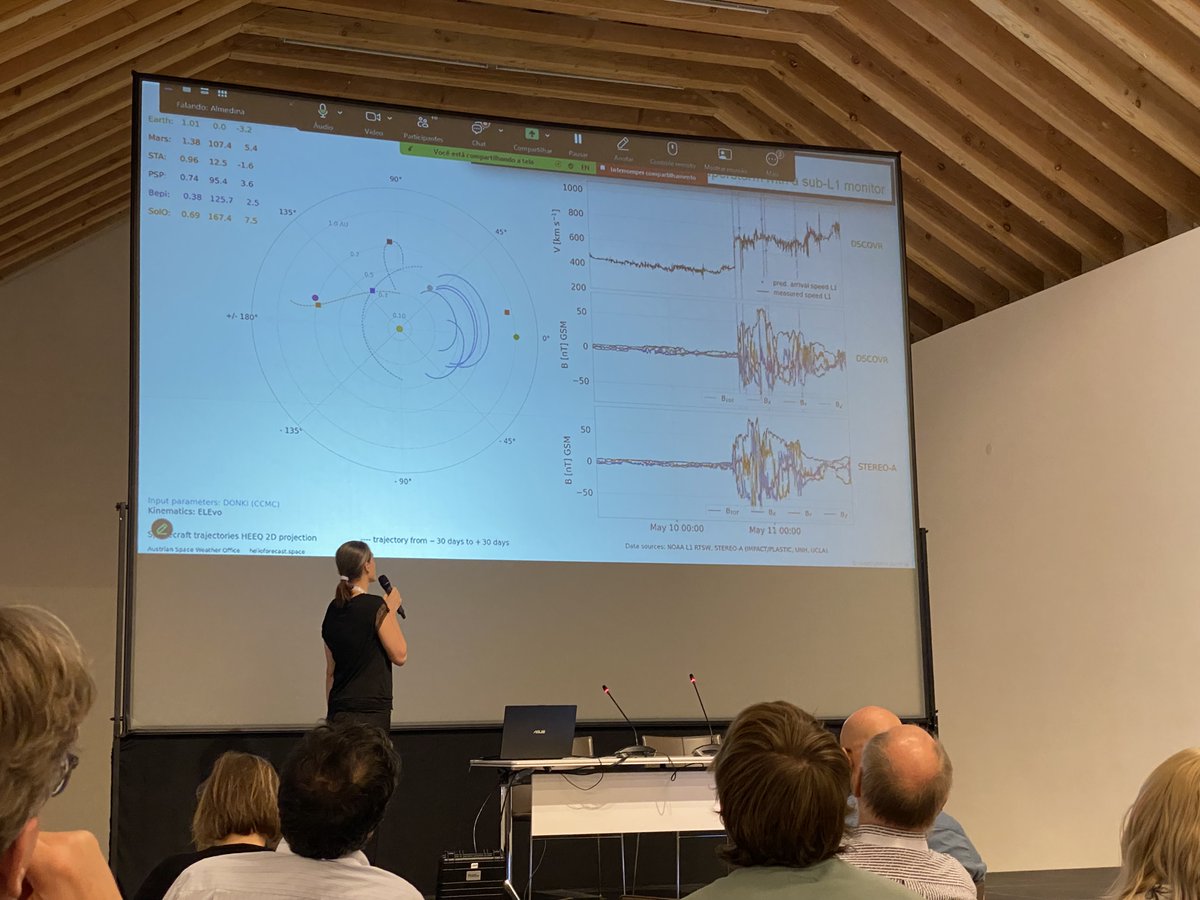
Today our Eva Weiler @Weiler_Eva talked about the first observations of a super-geomagnetic storm with a solar wind monitor on 10 May 2024, using the @NASASun STEREO-A mission data to demonstrate a prolonged warning time. #ESWW2024
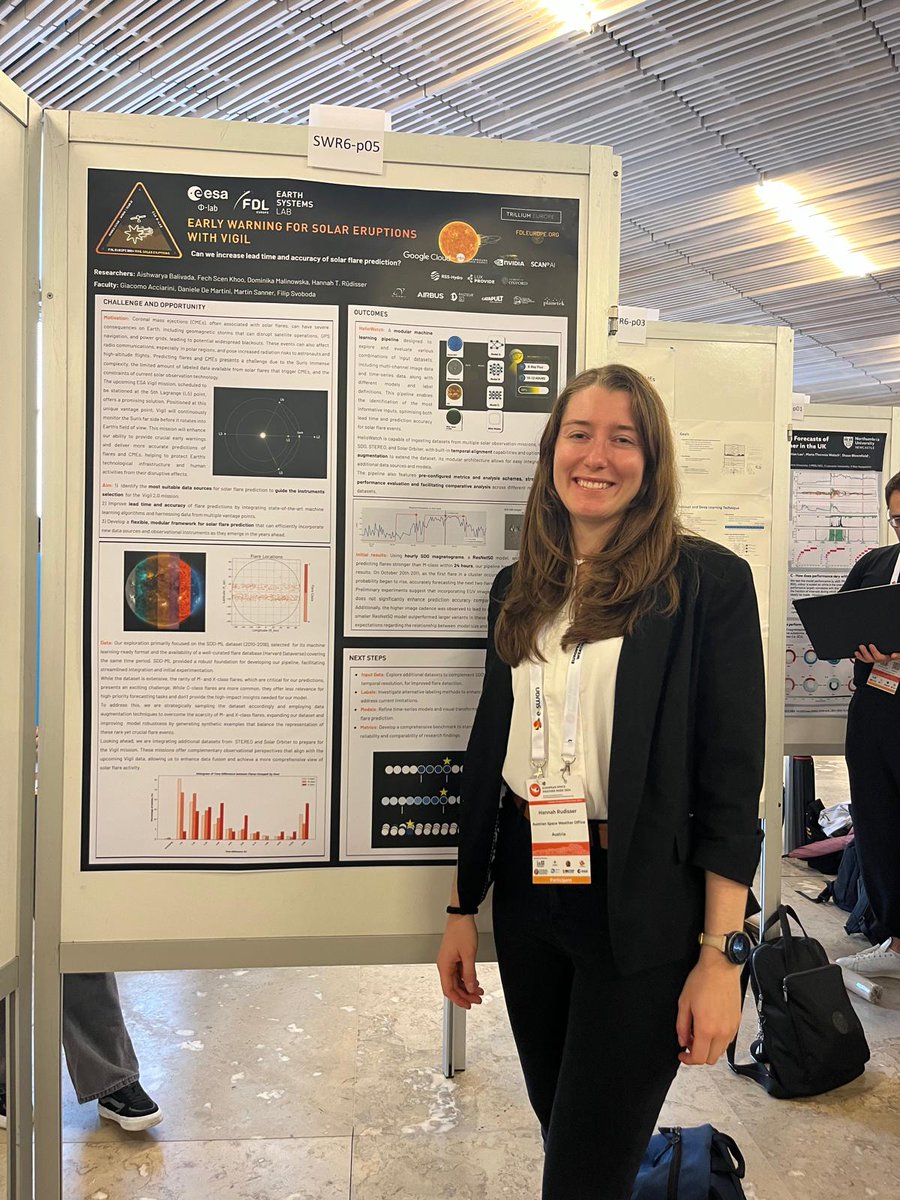
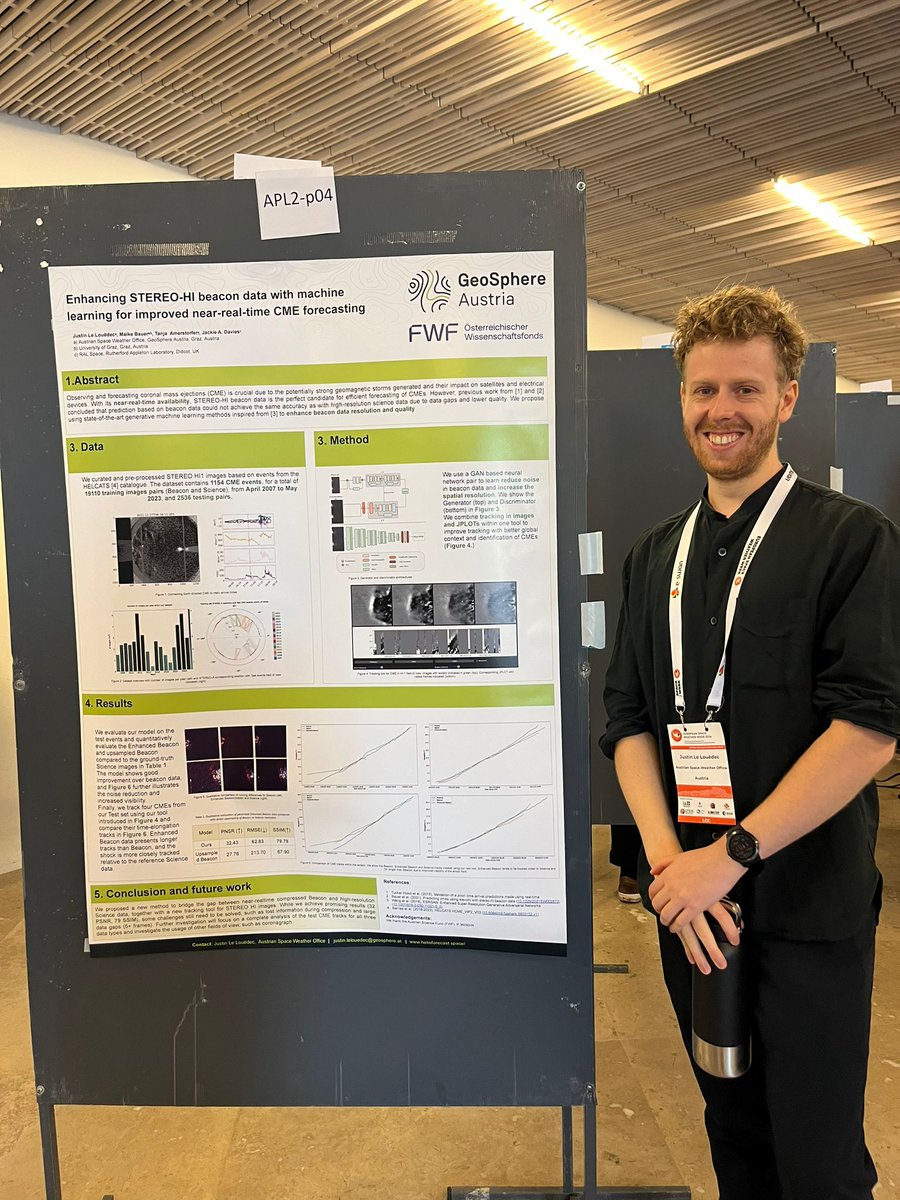
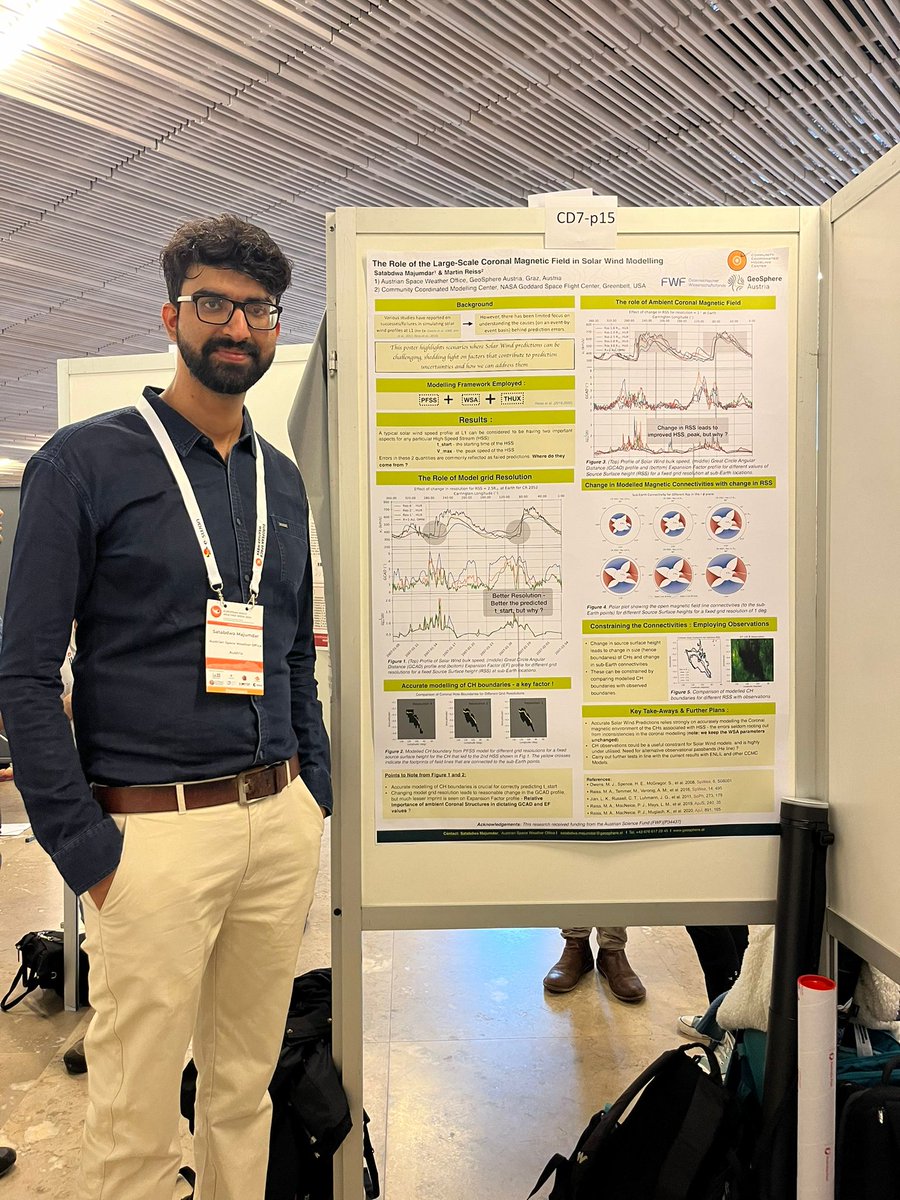
#ESWW2024 posters are up from @satabdwa on solar wind modeling, @hannahruedisser x2⃣for her AI/FDL project and automatic detection of in situ observed solar storms, and @LeLouedecJustin for enhancing real time imaging data with AI.
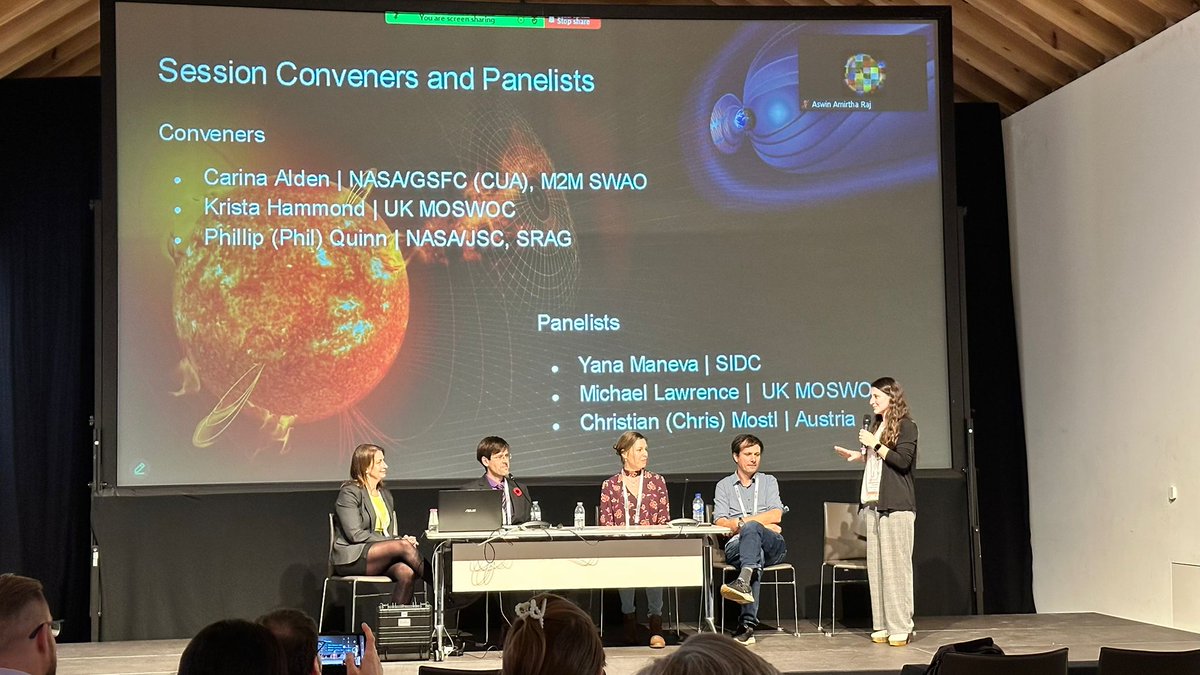
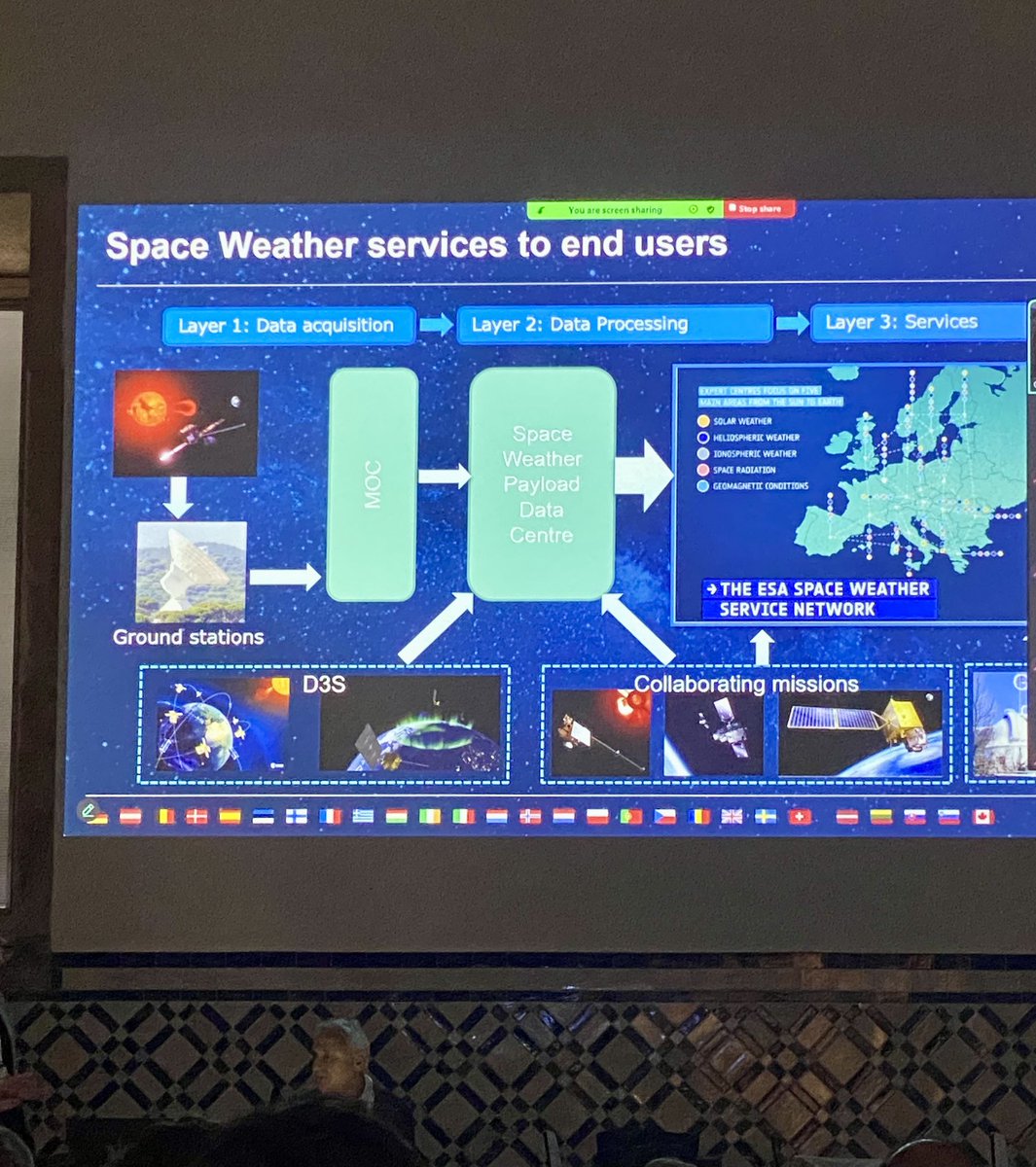
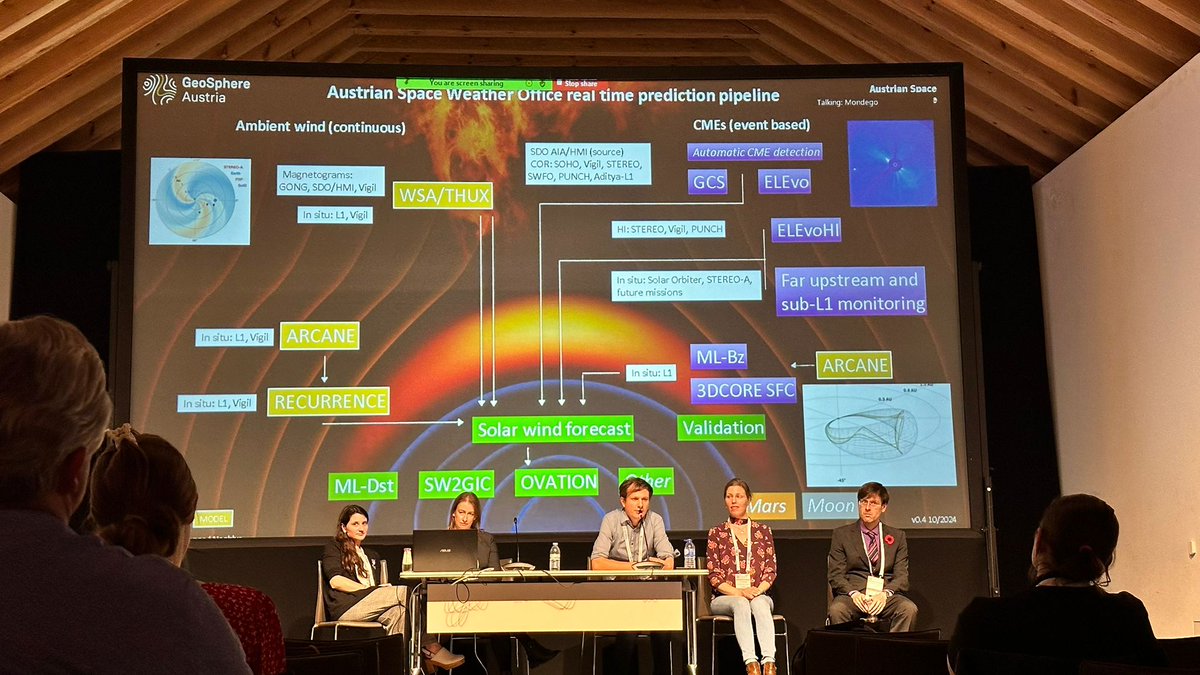
Was invited yesterday (for the first time💪) to be on a panel discussing the transition from research to operations and back (R2O2R) in #spaceweather at the #ESWW2024 with @MetOfficeSpace and SIDC Belgium, thanks @SpaceWxRina@KristaMitchy for hosting this nice discussion!
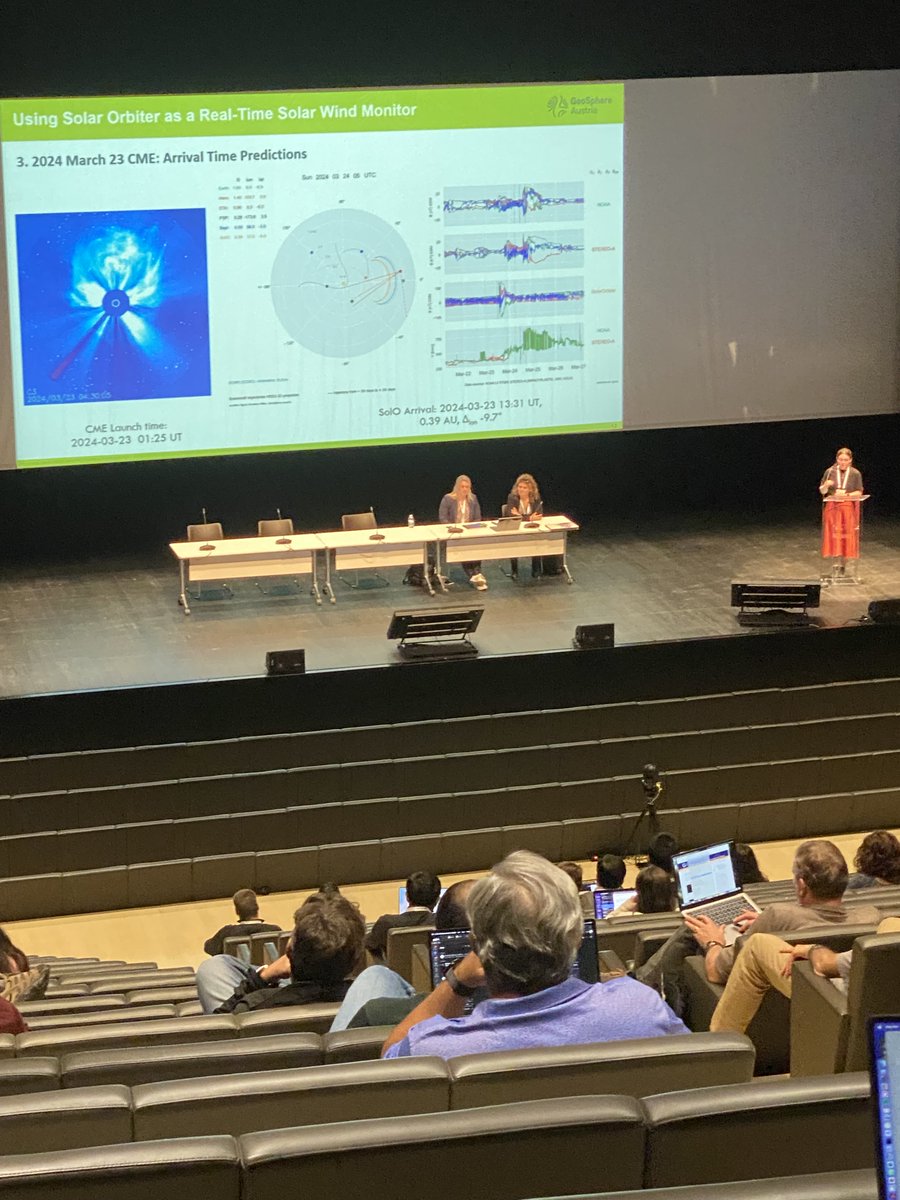
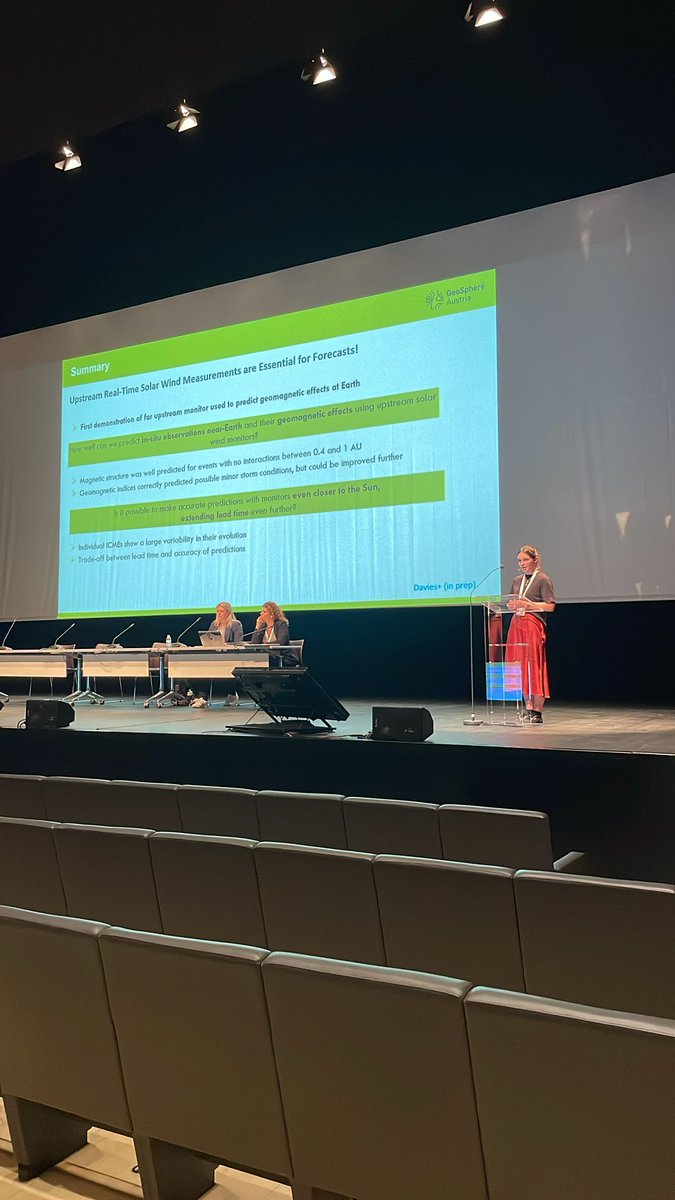
Emma Davies @SpaceDavies talks about of predicting coronal mass ejection geo-effectiveness using @ESASolarOrbiter as a far upstream monitor in real-time, in the big auditorium! #ESWW2024
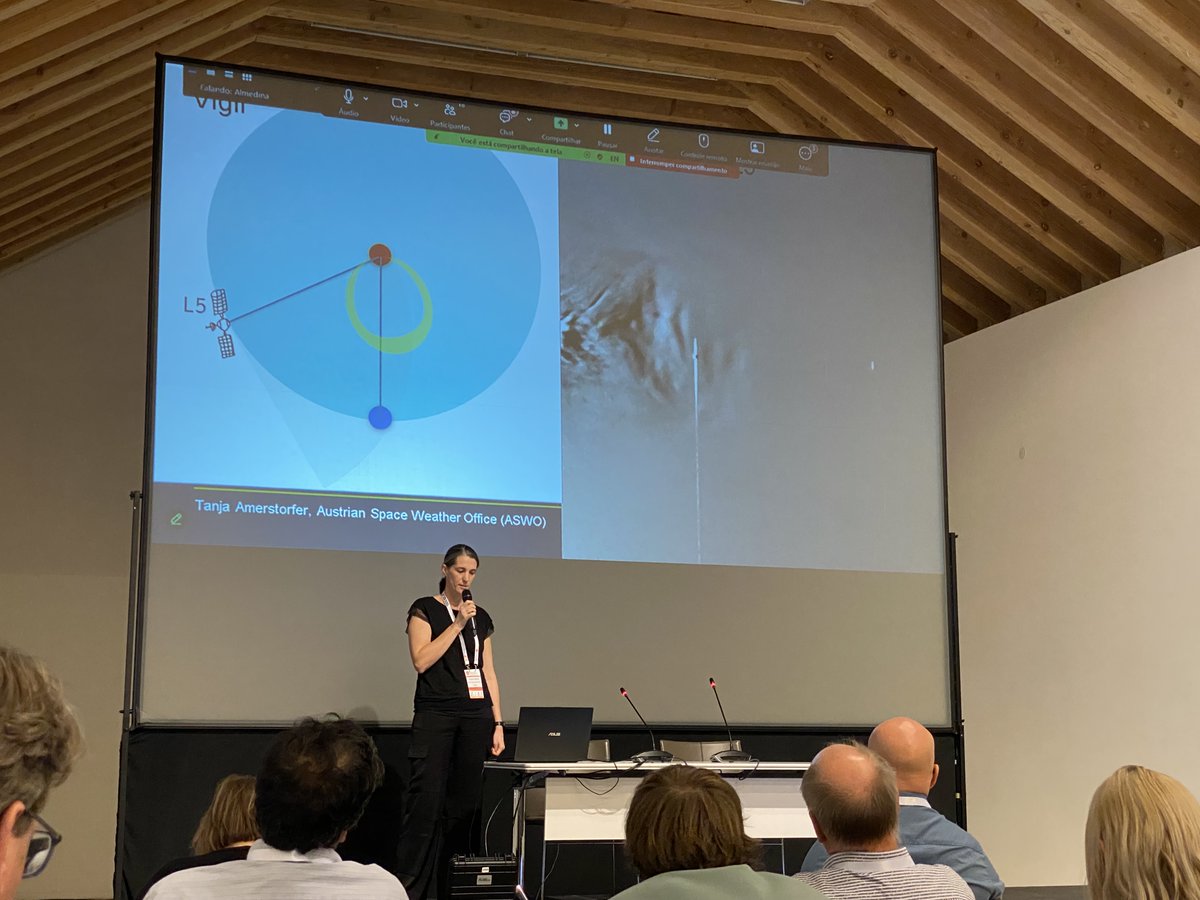
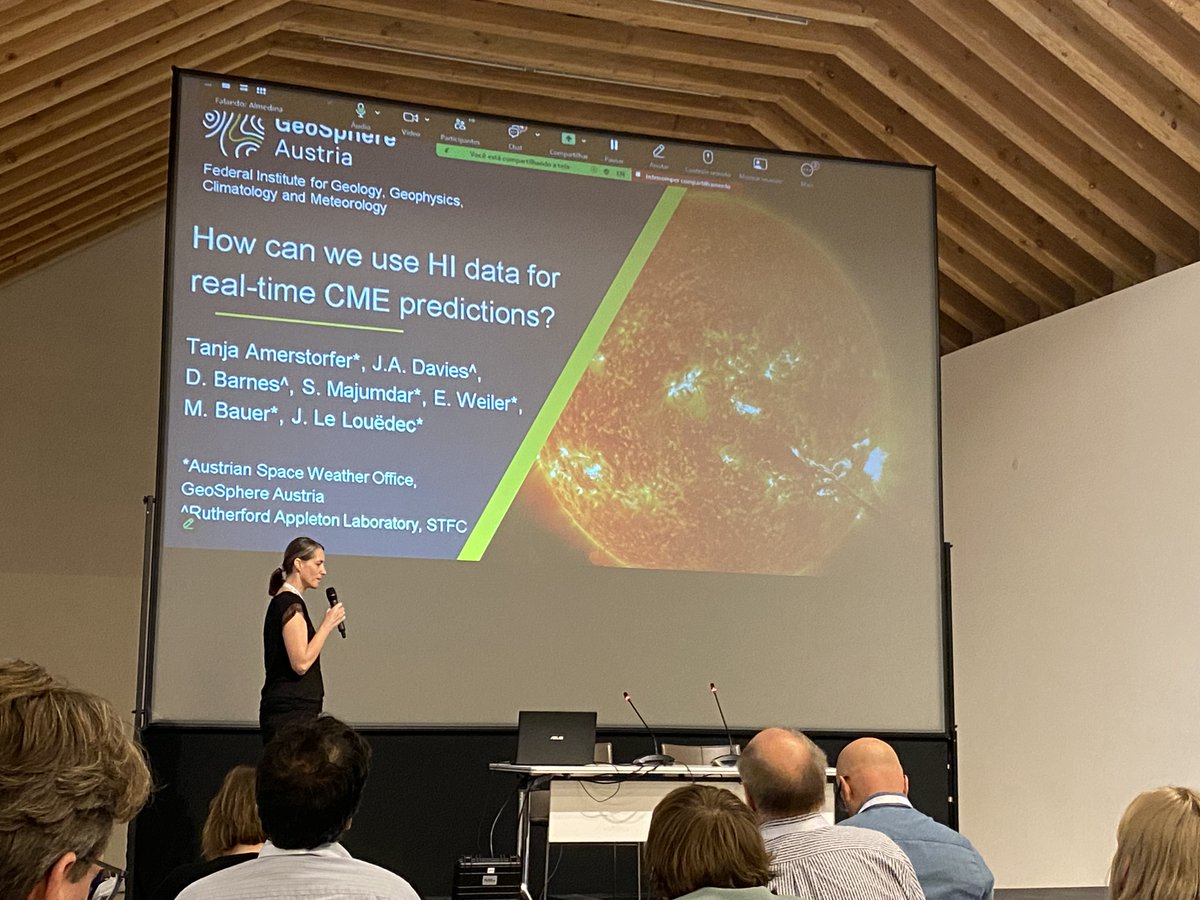
The Austrian Space Weather Office contributions at the European Space Weather Week in Coimbra/Portugal #ESWW2024 were kicked off by Tanja Amerstorfer @AmerstorferTa with a🔥talk on the usage of heliospheric imagers for real time solar storm prediction.
Our division's ECS team is organizing a campfire event for early career researchers with the theme "How to convene a scientific session". For more details and registration link check here 👇🏼
https://t.co/lxi69pRcrz
🌞Exciting News! ✨The first images from @NOAA's Compact Coronagraph (#CCOR1) onboard the #GOES19 🛰️ are in!
This powerful telescope will help us monitor solar eruptions that drive #SpaceWeather, potentially impacting technology and power grids on Earth.
More: https://t.co/UVlB6gkAp3
The Newell coupling, which can be thought of as a measure of how well the solar wind transfers energy to the magnetosphere, peaked at Oct 11 00:00 UT around 16 times the average value, which is similar to the May 2024 storm.
At a minimum of -335 nT Dst on 2024 Oct 11 01:00 UT this storm is now the the 2nd strongest of solar cycle 25. We are still in the magnetic obstacle of what is surely the Oct 9 eruption (the X1.8 flare), and after 8 hours now inside it we expect it to pass Earth in a few hours.