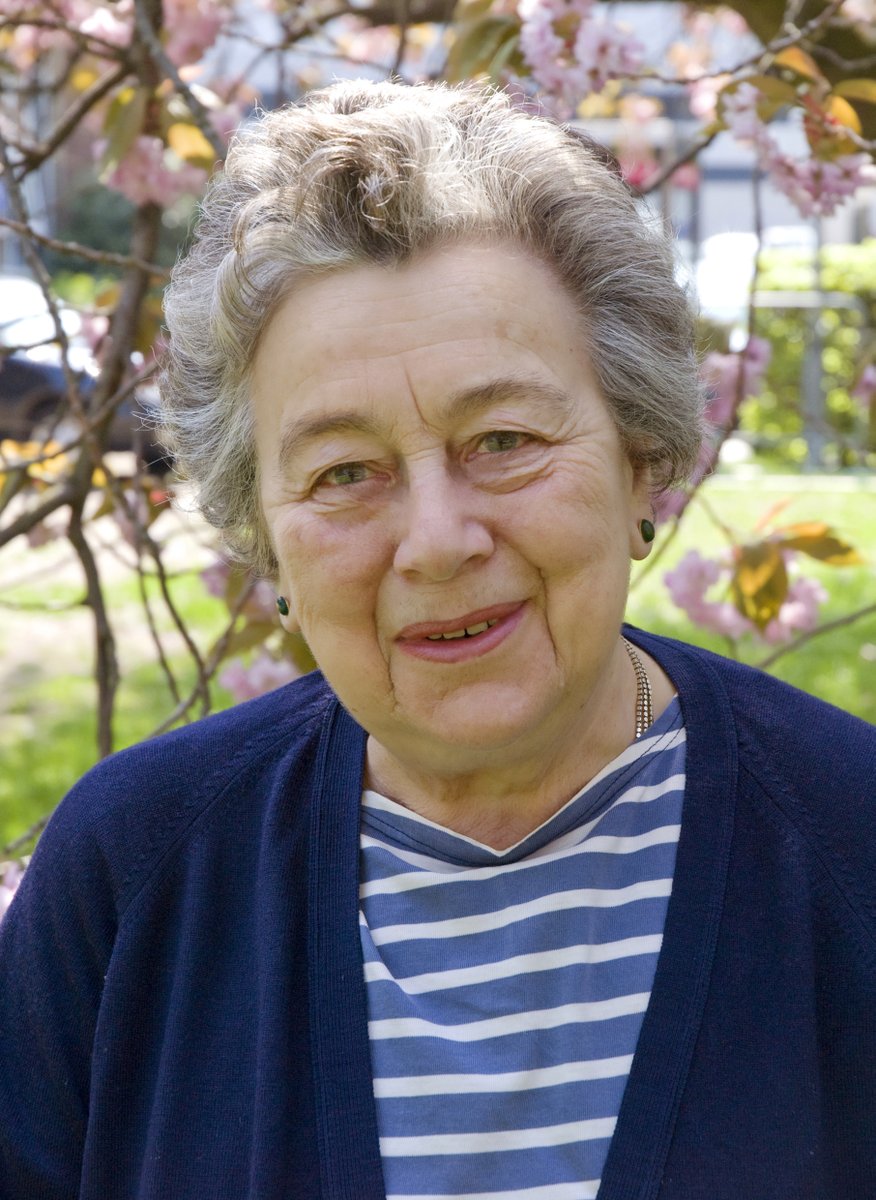
It is with profound sadness that we share of the passing of Professor Dame Rosemary Cramp—founder, visionary, & longstanding contributor to The Corpus of Anglo-Saxon Stone Sculpture. Prof. Cramp’s legacy will live on through the countless students, academics... (1/2)
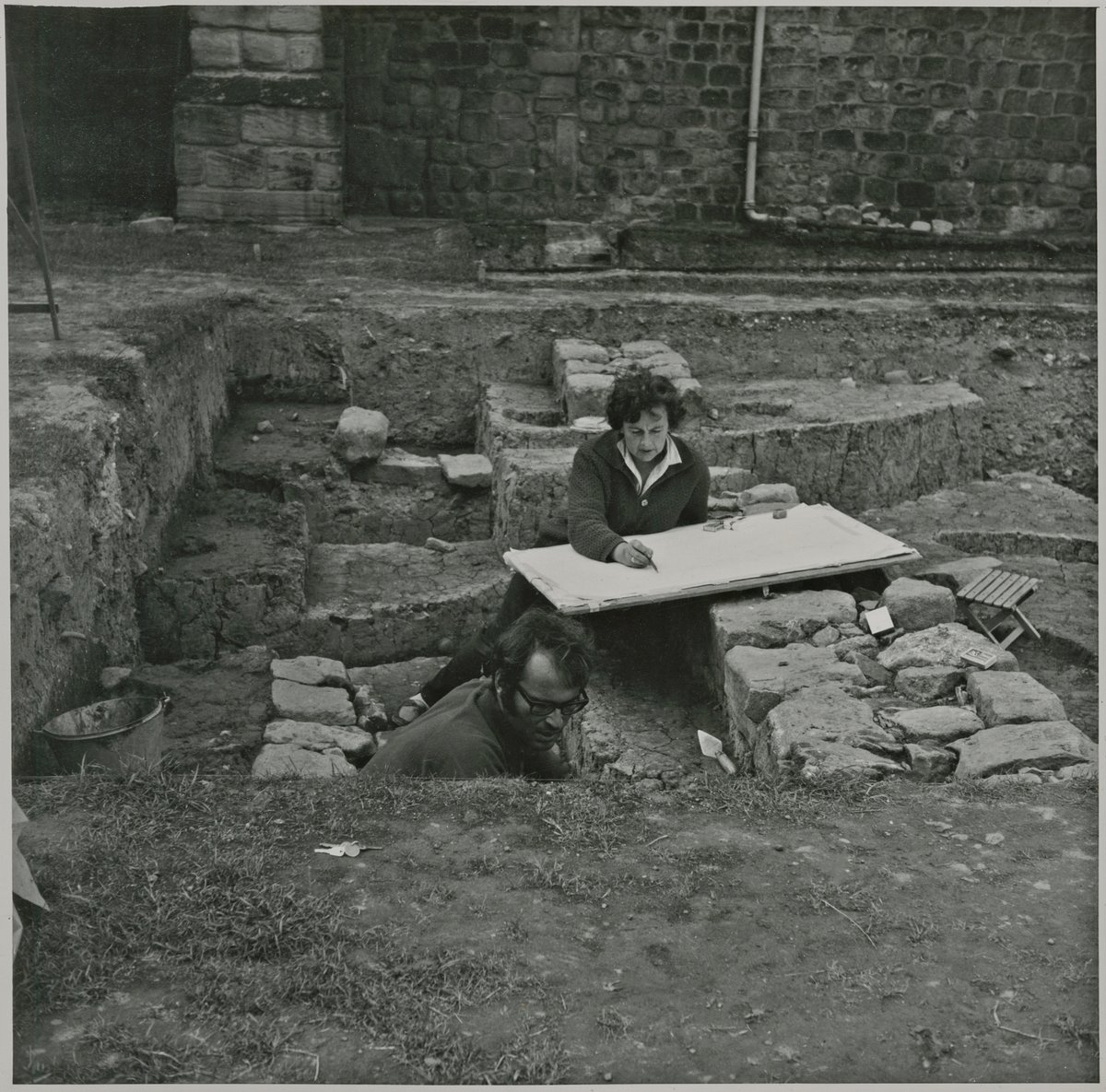
It is with great sadness that we learnt of the death of Professor Dame Rosemary Cramp. Rosemary was hugely influential in archaeology and academia as the first female Professor at Durham, and was instrumental in the founding of the archaeology department. https://t.co/dctULaej0l
@FHawksworth @AsCorpus You have to type in the whole thing: ascorpus
.bsky.social or search ASCorpus on Bluesky itself (the link just takes you to X internally)
And Lowther has some pretty fantastic early medieval sculpture to boot (https://t.co/dElln1yVhh)
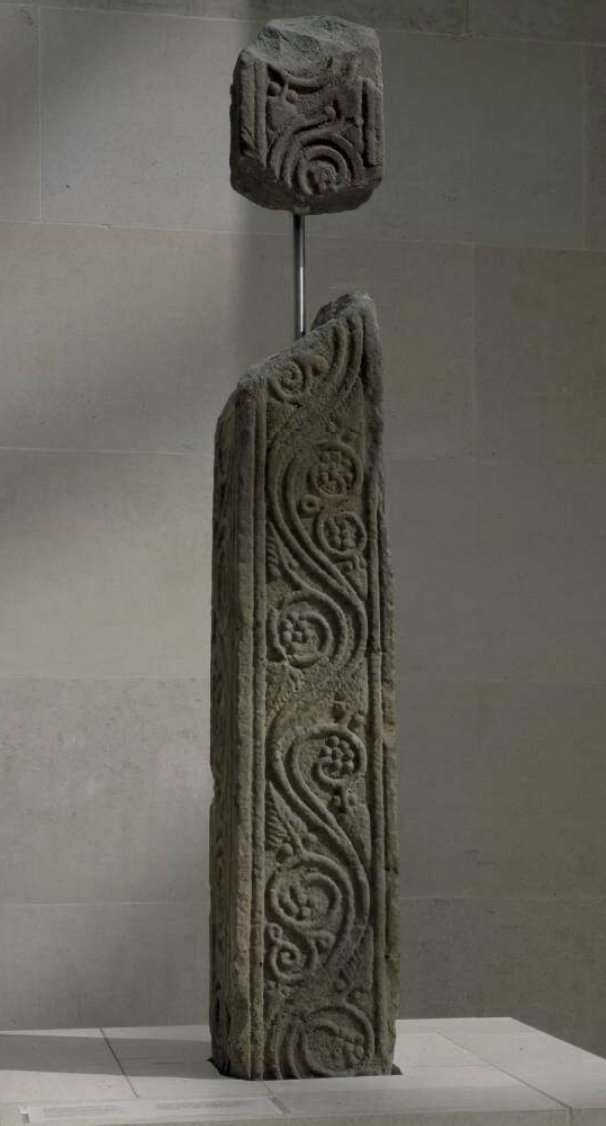
Can't make it to Lowther? The Great Court @britishmuseum has one of the Lowther pieces: a show-stopping vinescroll cross-shaft! 🌱
The new museum exhibition is open, Glorious Gospels! 🙌
Get up close to the Durham Gospels, see multi-language translations of Bibles and focus on unique details of embroidered and Mother of Pearl covers
Find out more here➡️ https://t.co/vcvInGYkFp
Good morning, sculpture nerds! Starting the day off with a little quiz. 🔔 How many Brompton sculptures are catalogued in The Corpus of Anglo-Saxon Stone Sculpture, Vol 6 (North Yorkshire)? No cheating. Take a guess! 😉
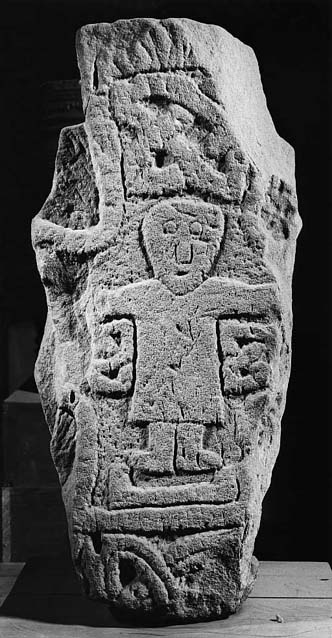
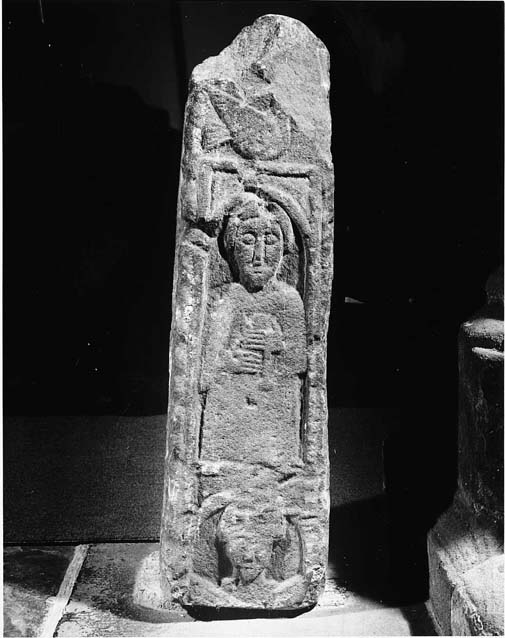
This standing, clothed Christ bears resemblance to some Irish examples (where a crucified Christ is also located in the cross-head). Locally, there's a similar Crucifixion at Ellerburn in Ryedale (see that very worn cross-head below). Other examples at Kirkdale and Sinnington.
Here's Brompton 14, a cross-head fragment today held in @durhamcathedral's Open Treasure. Both lateral arms are broken off. A Crucifixion inhabits one of the broad faces. Christ stands, feet turned out, wearing a long garment.
Here's Brompton 14, a cross-head fragment today held in @durhamcathedral's Open Treasure. Both lateral arms are broken off. A Crucifixion inhabits one of the broad faces. Christ stands, feet turned out, wearing a long garment.
Good morning, sculpture nerds! Starting the day off with a little quiz. 🔔 How many Brompton sculptures are catalogued in The Corpus of Anglo-Saxon Stone Sculpture, Vol 6 (North Yorkshire)? No cheating. Take a guess! 😉
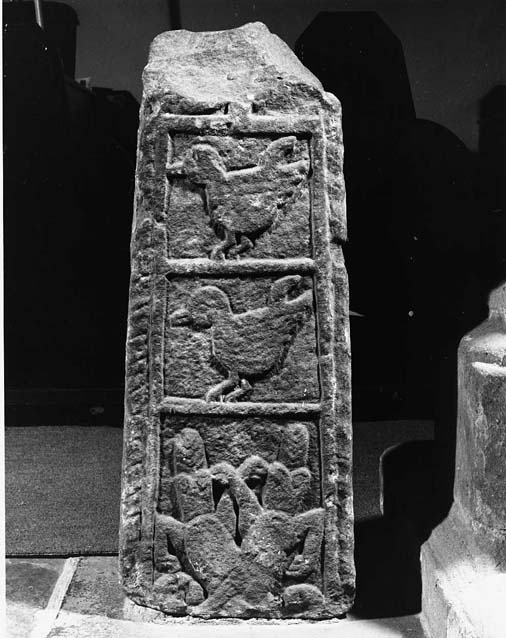
Though they look a bit like chickens(!)🐔, the birds are likely peacocks 🦚 or doves 🕊️, symbols of immortality and eternity. What are your favourite representations of birds on #earlymedieval sculpture?
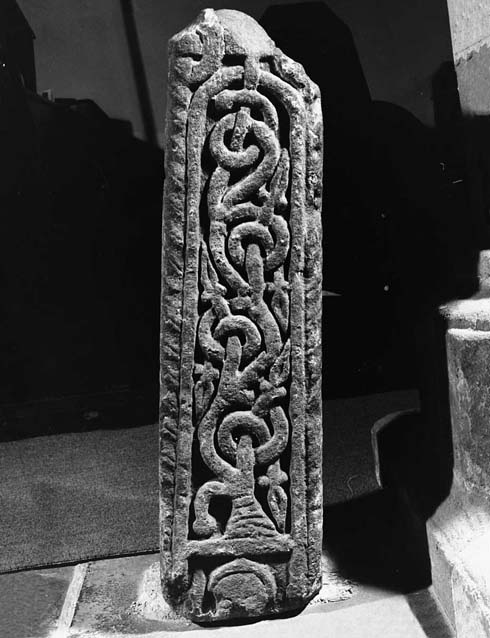
In her entry on this Brompton cross-shaft, Cramp writes about the juxtaposed iconography of birds 🐦⬛ ('the good', cf. St John, the risen Christ) and reptilian beasts 🐍 ('the bad', cf. symbols of evil/hell). https://t.co/k0jFch3KVM
Richard Bailey (1978) argued that many of the panels show evidence of gridding ✍️, indicating the use of templates. The birds, for example, are near identical to ones seen on sculptures at Kirklevington & Sockburn.
We’re delighted to share some amazing work at Brompton by current @ArcDurham PhD student Roger Lang. Explore Roger’s Brompton collection online (https://t.co/474NpoOedP) or click here to read more about his project in general (https://t.co/OjPBIetqVy). @Archaeogardener
Good morning! As this account (and its author) yawns, stretches, and emerges from hibernation we wave a hello 👋 and pose the following question:
Where have your rock n' road trips taken you so far this summer? What #earlymedieval sculptures have you seen along the way?!