#MondayTip
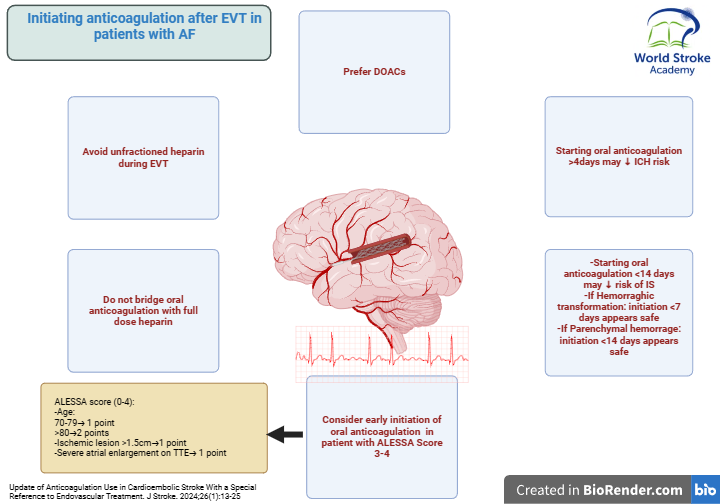
🧠In cardioembolic stroke we must look for the best moment to start anticoagulation combining the #lower risk of hemorrhagic #transformation and ischemic #recurrence ⚖️
👉Individualized strategy to start anticoagulation post EVT
(created from https://t.co/8h86RnC1Cd)
Need a practical guidance for the use of anticoagulation in the peri-EVT period? Check these suggestions from Apostolos Safouris @ASafouris and Georgios Tsivgoulis published in the Journal of Stroke https://t.co/iRR5dm9GPw
@drjkwan @caso_valeria@StrokeImperial https://t.co/MDpNk9M1hb
We have published some years ago a review with many images of treatment options based on EVT, CTP, MRI or MRP availability to help each center develop its protocol; I hope this might be of help to some!
Moments from the @ESOstroke Summer School at @univaq A vibrant community of young physicians interested in stroke care and research.
Thanks to all the experts for the contribution to event.
We've shared valuable knowledge and forged lasting bonds within our community.
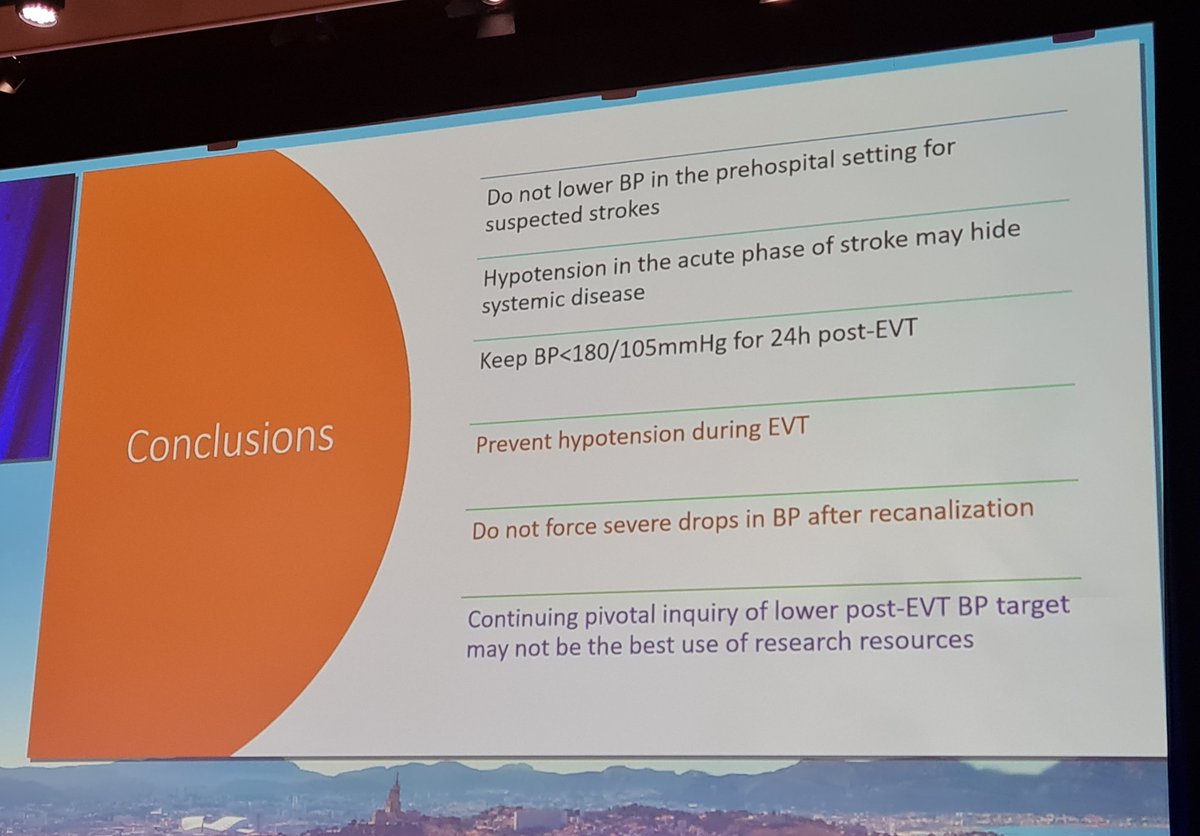
.@ASafouris tackles the issue of hypertension and blood-pressure control in #EVT for LVO #Stroke. Observational studies indicate worse outcomes with high BP, but randomised trials show minimal benefit/possible harm with intensive BP lowering, he says
#ESMINT2023@esmintsociety
Concluding messages from @ASafouris - @FishingNeurons asks whether 'we should just sit back and leave the blood pressure alone' in these patients. Safouris says the current evidence indicates 'maybe, we are being too aggressive'
#ESMINT2023@esmintsociety
“SVIN-Mission Thrombectomy Symposium, held on August 3, 2023, in Semarang Central Java Indonesia, spotlighted the challenges surrounding thrombectomy procedures in the country…” @svinsociety@SVINJournal@MThrombectomy
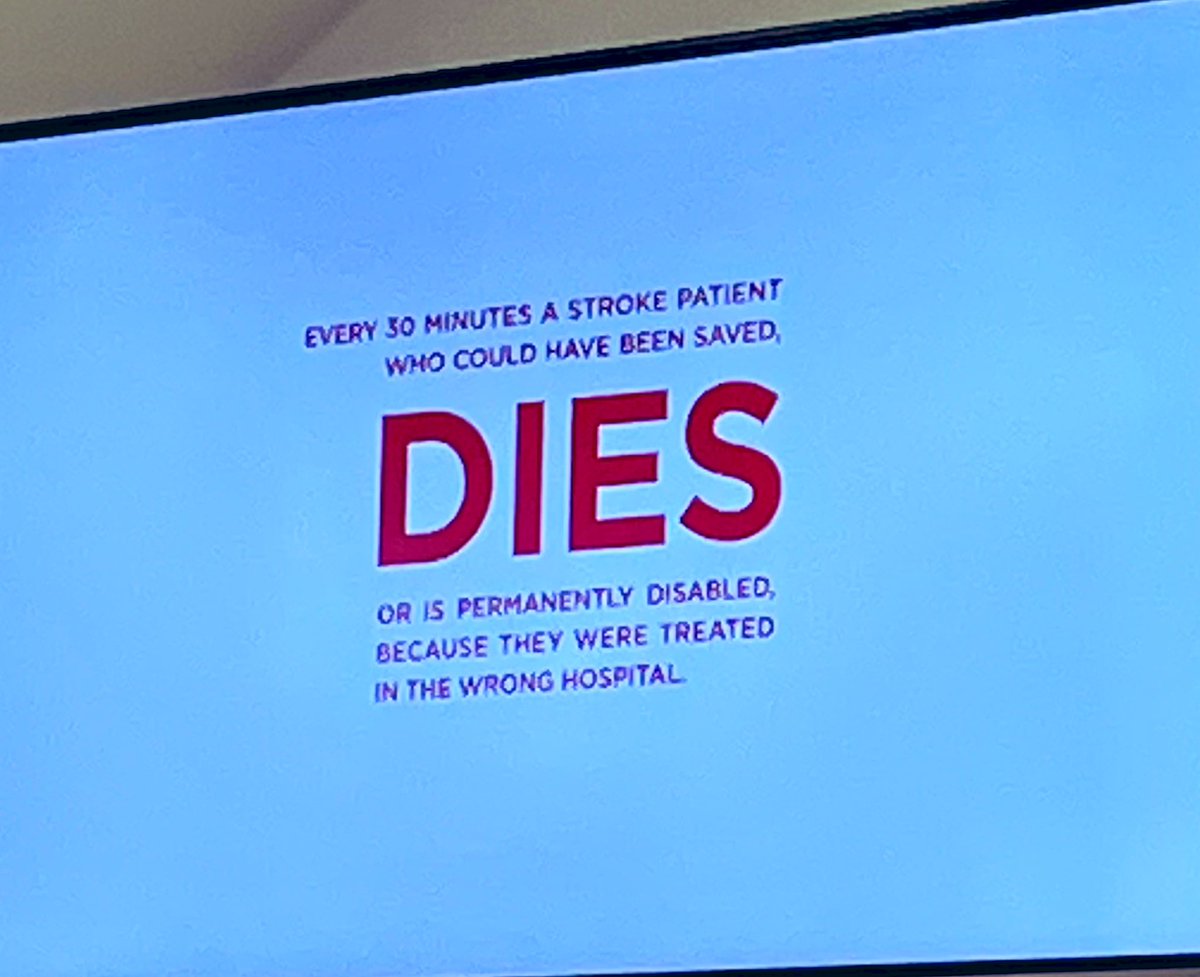
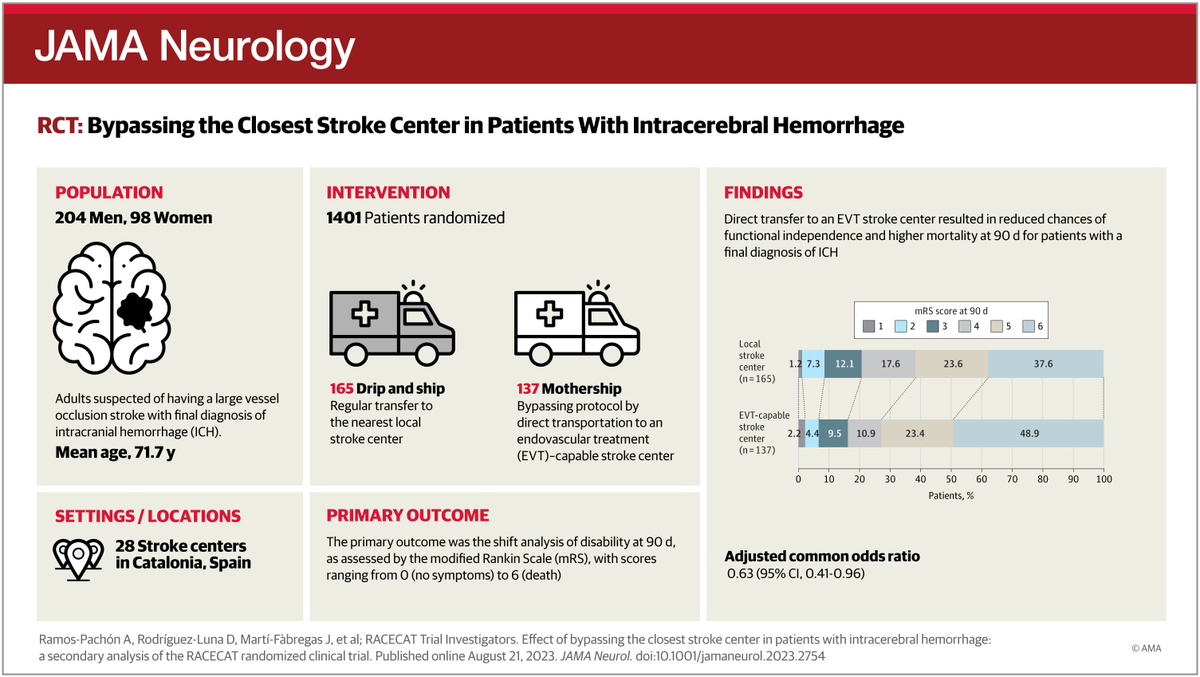
In the RACECAT trial, bypassing the nearest local stroke center resulted in worse functional outcome and higher mortality for patients with final diagnosis of ICH. https://t.co/y2difxnxNx
@NeuroHGTiP@SantPauIctus@Ictus_Girona@annaramospa @natperezossa @ysilva87732184
1/2 Talkin' about hot topics in #stroke...
Here a great work on EVT in low NIHSS patients by @ASafouris! Paving the way for an individualized therapy, but don't miss the clues!
#neurotwitter#NeuroX
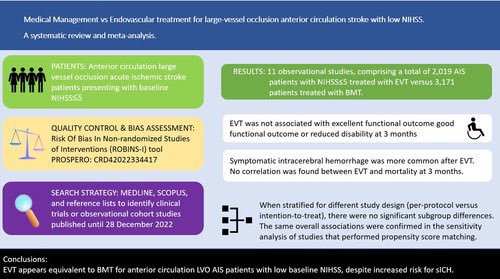
1/ #OriginalResearch: In this meta-analysis of 2,019 acute #stroke patients with NIHSS≤5 treated with EVT versus 3,171 patients treated with best medical treatment, EVT was equivalent to medical management, but with an increased risk for sICH.
Medical Management Versus Endovascular Treatment for Large-Vessel Occlusion Anterior Circulation Stroke With Low NIHSS | Stroke https://t.co/WrUn3TpkgI
Our latest in collaboration with @JimSiegler@NguyenThanhMD and co-authors.
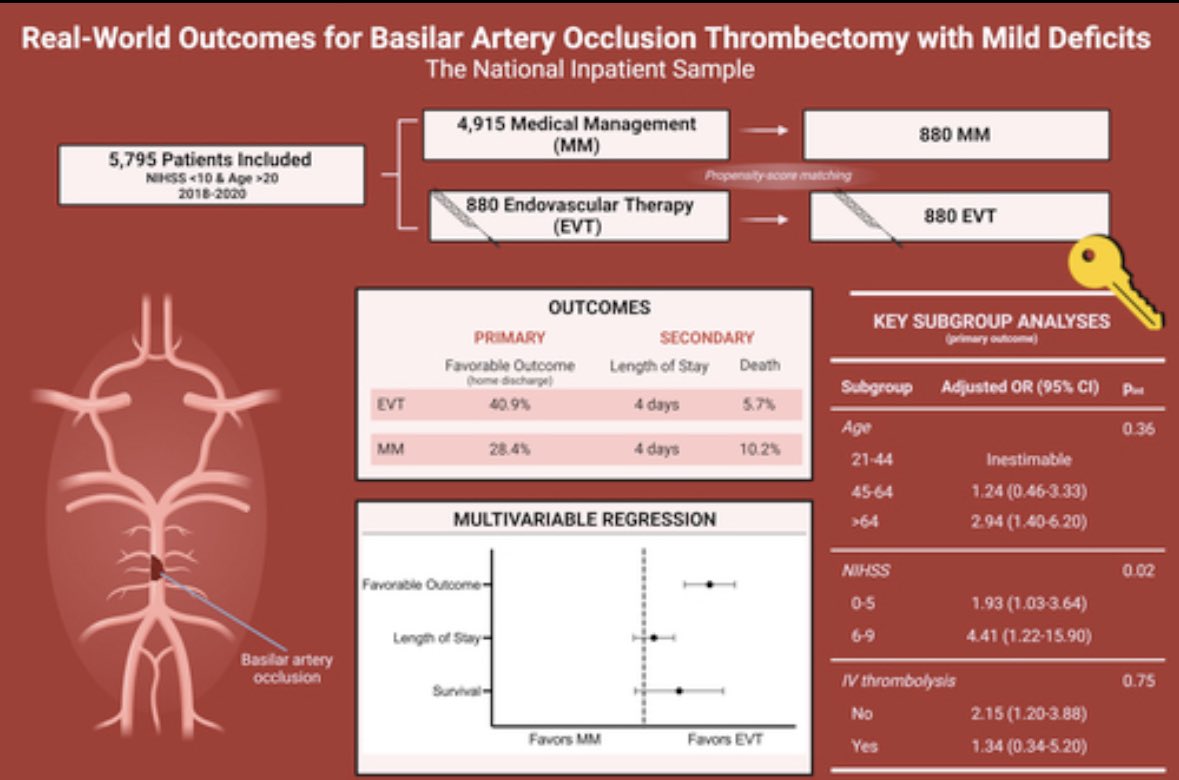
Acute basilar occlusions presenting with mild deficits based on NIHSS seem to do better with thrombectomy vs. medical treatment alone. https://t.co/gDETE5iVaQ @StrokeAHA_ASA
Sincere congratulations to Stefan Wolf, @vajkoczy and all investigators on publishing the EARLYDRAIN study, which is first positive SAH trial in a long time and presented today at the International Conference on subarachnoid hemorrhage in Durham 🥳👏👍#neurotwitter
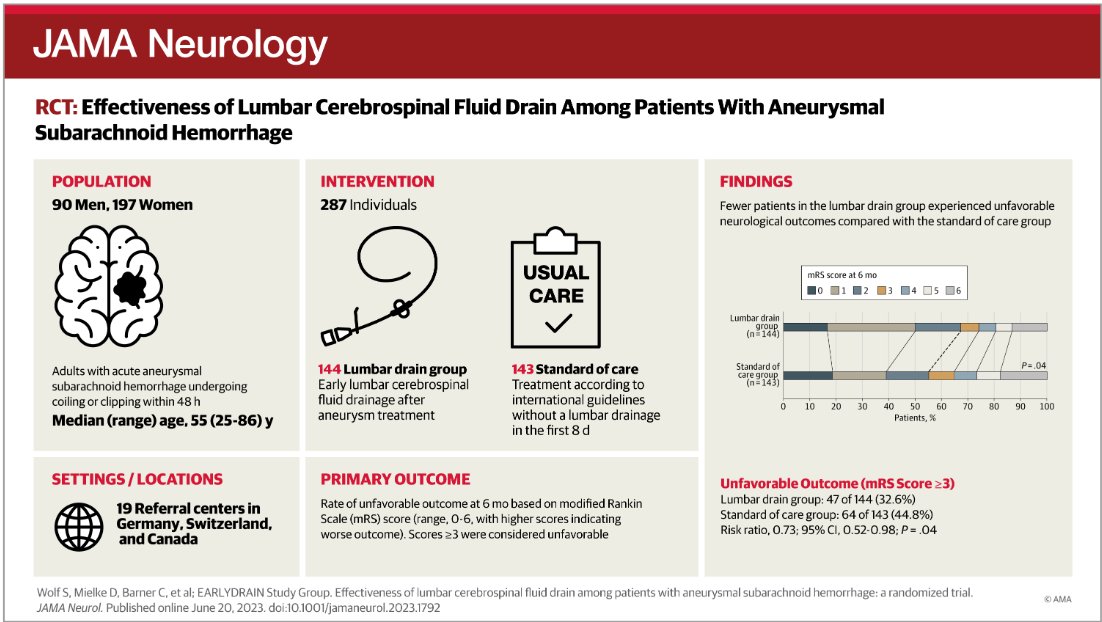
In this trial, among patients with aneurysmal subarachnoid hemorrhage, lumbar drainage improved clinical neurological outcomes at 6 months. https://t.co/SZjuQoGoku