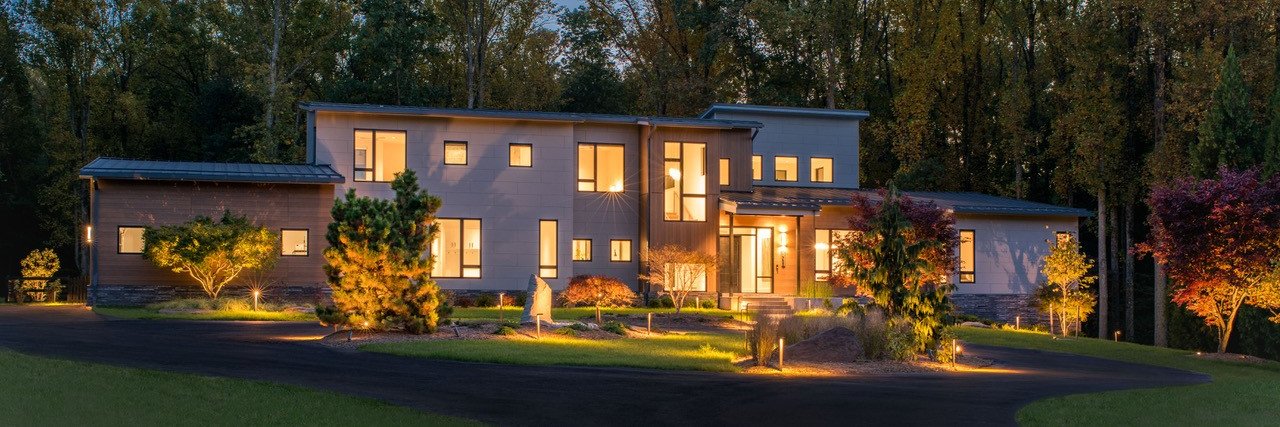
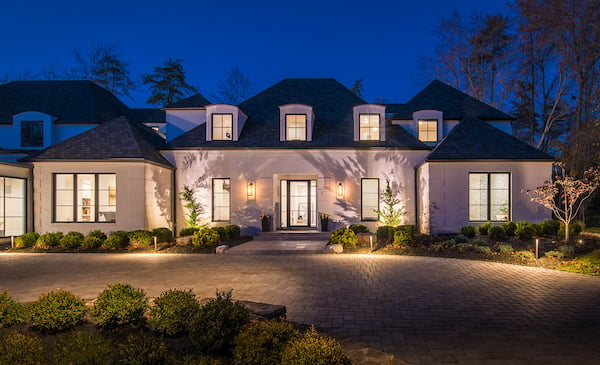
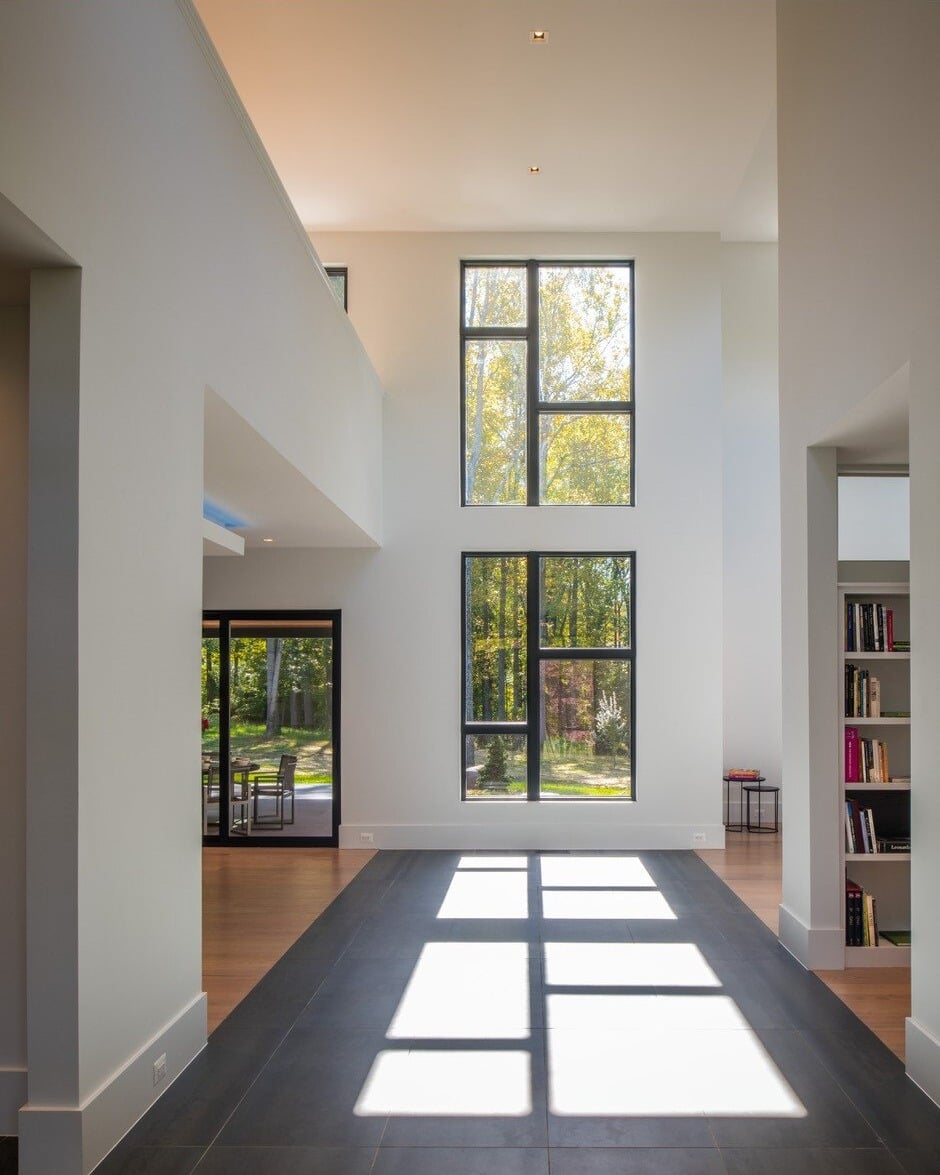
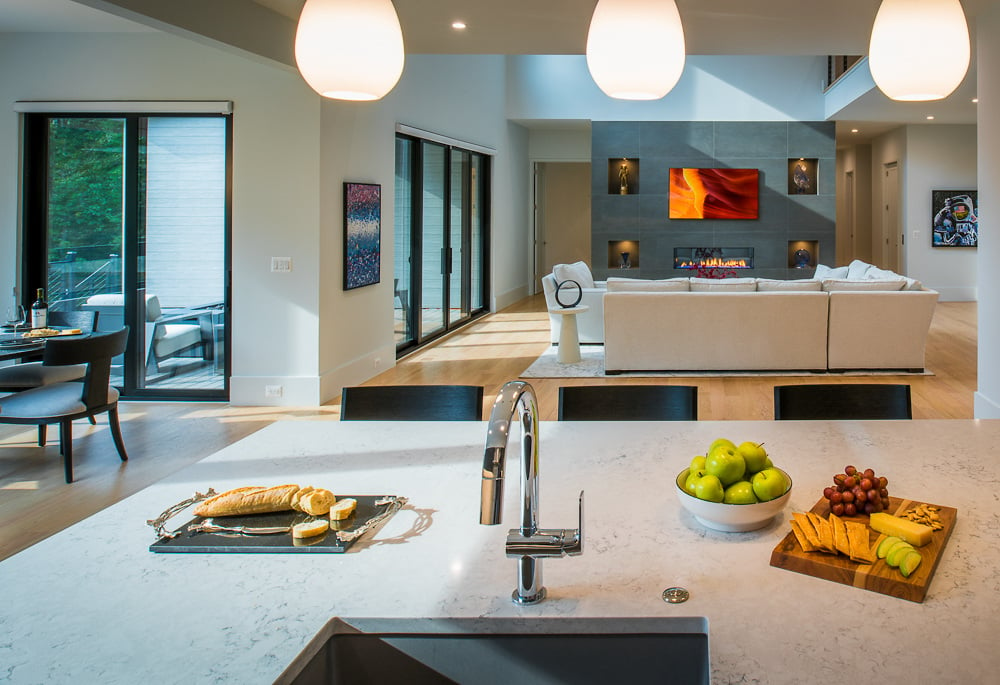
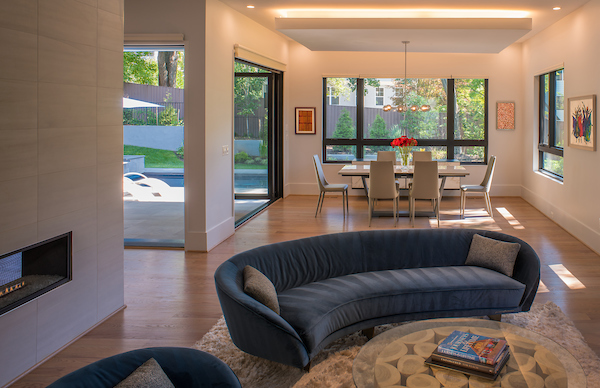
Orientation changes everything. How a home sits on its site determines light, views, and comfort throughout the day. When orientation is right, the home works with its environment instead of against it.
Design decisions compound over time. A single choice may seem small. Over years of living, those choices shape everyday experience. That is why architectural intention matters from the beginning.
Ease is one of the quiet luxuries of good design...Ease of movement. Ease of use. Ease of maintenance. When a home is designed with care, that ease shows up every day.
Every home tells a story through movement. How you enter. Where you pause. How spaces unfold.
Those moments are not accidental. They are shaped through deliberate architectural choices.
Design is not about trends, it is about appropriateness. A home should respond to its site, its climate, and the people who live inside it. When design is appropriate, it remains relevant long after trends pass.
What makes a home feel grounded?
Often it is not finishes or size. It is proportion. Light. The relationship between spaces. These are architectural decisions that quietly influence how a home feels over time.
Privacy and openness should coexist, even in modern homes. Great homes balance shared spaces with places to retreat. Too much openness can feel exposed. Too much separation can feel isolating. Design works best when both are considered together.
The best homes feel calm, even on busy days. That calm comes from clarity. Clear circulation. Clear purpose. Clear separation between active and quiet spaces. When design supports those distinctions, life feels more manageable.
Storage is an architectural decision. When storage is considered early, it disappears into the design. When it is added later, it competes with it. The most organized homes are planned that way from the beginning.
Homes are not static, and design should not be either. The way you live evolves over time. Work changes. Families change. Priorities change. Thoughtful residential design anticipates that evolution instead of resisting it.
A larger home does not automatically function better. What matters is how spaces connect, how movement flows, and how rooms relate to one another. A well-planned layout can make a smaller home feel expansive and calm.