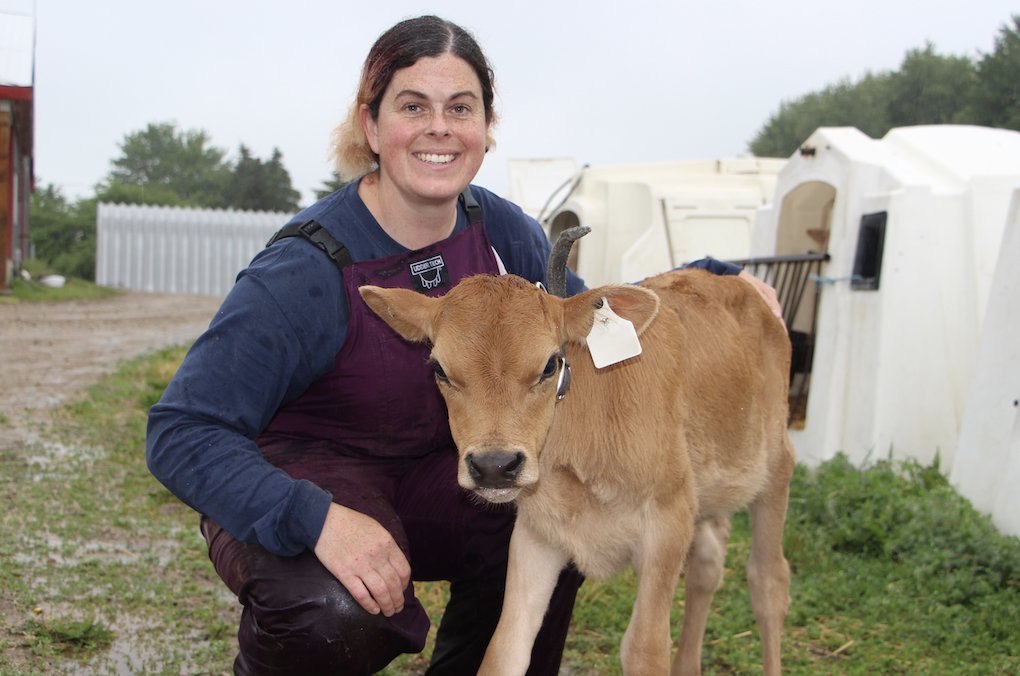
Great to meet with representatives from the American Veterinary Medical Association today in Washington. Veterinary medicine is a growing field and I’m happy to support legislation to expand access to it in parts of rural Ohio.
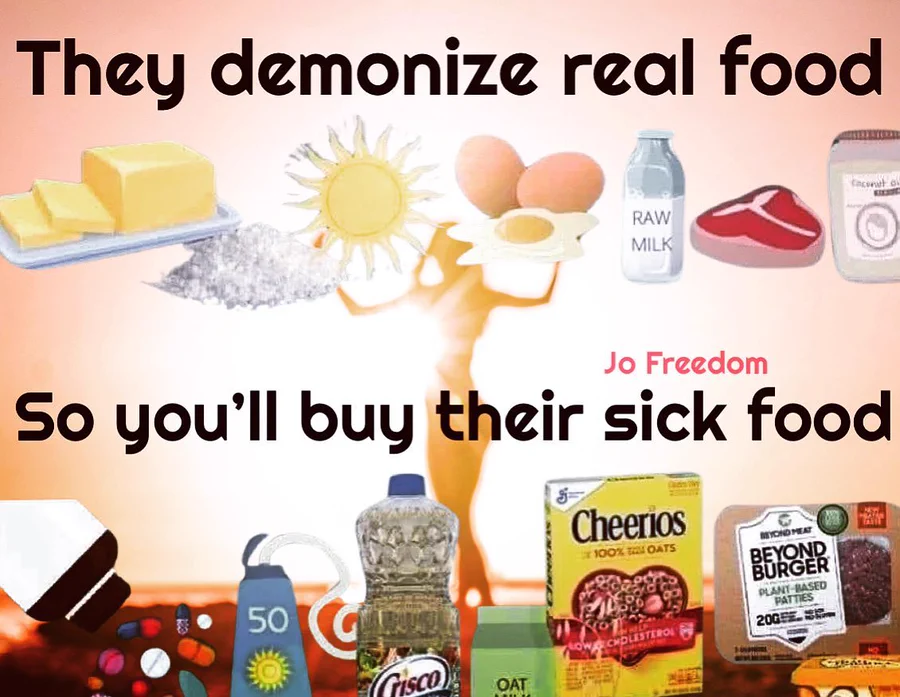
🚨 Ten Dietary Health Tricks Your Government Doesn’t Want You to Know
The food pyramid isn't healthy—eating the way the government wants you to will make you sick. Share and bookmark the following life hacks:
1. Red meat isn't bad—it's actually extremely healthy when the meat is game or beef from a permaculture environment. Unlike the Omega-6 to Omega-3 fatty acid ratio of 30:1 found in industrial soy-fed beef, permaculture or pasture-raised beef has an Omega-6 to Omega-3 ratio of about 3:1, which is highly beneficial. All studies claiming that high consumption of red meat can lead to colon cancer have focused on industrial meat, leading to this bias. This point further proves the adage, "You are what you eat."
2. Omega-3 isn't just one type—most dietary omega-3 comes in the form of ALA (found in olive oil, etc.), but what you need are EPA and DHA. Your body cannot synthesize sufficient amounts of EPA and DHA; thus, they need to come from your diet. High levels of these two fatty acids are primarily found in fatty, wild-caught seafood and are extremely important for brain function and anti-inflammatory purposes. Consume it at least twice a week or supplement accordingly.
3. Wheat is bad for you—the government's food pyramid is based on carbs in the form of bread, pasta, rice, and potatoes. Especially harmful is industrial bread, which contains a high level of gliadin, a protein that can lead to malfunctioning tight junctions in your gut. This, in turn, allows undigested particles to enter your bloodstream, leading to inflammatory processes. There is a good reason our ancestors made sourdough bread, which breaks down those proteins significantly. Take your time to do the same; sourdough bread is not only much better for your health but also tastes better.
4. Avoid vegetable oils—oils like canola oil, soy oil, and corn oil are a real health hazard. They do not only contain high amounts of trans fats but also have Omega-6 to Omega-3 fatty acid ratios that are considered detrimental, with corn oil having a ratio of about 52:1. This is far from the 1:1 to 2:1 ratio that is targeted and thought to be beneficial based on evolutionary dietary studies. Such an imbalance can cause inflammatory cytokine storms, leading to oxidative stress and potentially increased blood cortisol levels, which results in depression and severe illness.
5. Saturated fats are beneficial to your health—contrary to your government's claims. They are a 'clean-burning' fuel for Homo sapiens, the hunters, and are generally found in ancestral, nutrient-dense foods. They are highly resistant to damage and oxidation, unlike 'vegetable oils', which are toxic. The only issue may occur when you consume them alongside rapidly digestible carbs, processed grains, or sugars, which are to be avoided! Follow @FatEmperor for more information on this topic.
6. Feast on red and dark berries—despite what you may hear, these fruits, laden with flavonoids, are incredibly supportive of good health. Contrary to popular belief, the natural sugars in berries like blueberries and mulberries, combined with their fiber, do not have the same impact on your blood sugar as refined sugars and therefore are not a direct path to diabetes. These berries are also celebrated for their gut health benefits, fostering a robust intestinal microbiome. Avoiding gluten and β-casein while increasing your intake of these nutrient-rich berries might even have the potential to reverse diseases such as multiple sclerosis, as suggested by studies.
7. Whole milk is better than pasteurized milk—our intestinal microbiome, which has numerous connections to our health status, and our immune systems need proper nourishment. Multiple studies have shown that children who consume whole milk experience fewer allergies compared to those who consume pasteurized milk, and this finding is not unexpected. The 'disadvantages' of whole milk are, of course, grossly exaggerated by the industrial milk complex and the media.
8. Vitamin D is the most crucial vitamin—research shows that people with vitamin D blood serum levels above 60 ng/mL almost never get ill and significantly lower their risk of cancer and metabolic diseases. Due to Western lifestyles, reaching such levels typically requires supplementation. It's important to select a supplement that also contains Vitamin K2 and Magnesium; K2 helps prevent calcification, while Magnesium is essential for Vitamin D synthesis. Alarmingly, about 80% of Americans suffer from a deficiency in Magnesium and need to address this shortfall.
9. Borax isn't toxic—it's a misinformation campaign of the medical-industrial complex. Touted for its antifungal and antiviral properties, borax contains boron, essential for robust cell walls and hormone regulation. It aids in mineral metabolism, crucial for bone health, and is instrumental in converting vitamin D to its active form, promoting optimal calcium use. Despite the alarmist views, borax, when used appropriately, offers a spectrum of health benefits and is a potential ally against various ailments, from hormonal imbalances to osteoporosis, highlighting the need to reconsider its role in our daily health regimen.
10. Buy organic and fresh vegetables—due to soil depletion, conventional produce may be less nutritious. Vegetables can lose up to 77% of their vitamin C within a week, and most of this loss happens within the first day after harvest. Organic produce is often richer in nutrients; they’re more nutrient-dense in 61% of cases, especially in antioxidants. Agrotoxins like glyphosate in Roundup are linked to health risks, including cancer. Growing your own food is a health-conscious alternative, ensuring fresher, more nutritious produce, and reducing exposure to harmful chemicals.
And let me remind you that sugars, which are extremely harmful to your health, come in many forms, including fructose, glucose, sucrose, maltose, high-fructose corn syrup, dextrose, and maltodextrin. It's the diet high in unhealthy fats and carbohydrates—mainly sugars—that is contributing to and perpetuating our illnesses. What many people don't realize is the significant impact excessive sugar intake can have on the liver, such as increasing the risk of non-alcoholic fatty liver disease, causing inflammation, and impairing liver function.
Considering the toll that sugars take on the liver, it's clear our diets have drastically changed. From the nutritious meat, fish, berries, and fiber of our ancestors, we've shifted to highly processed carbs, refined oils, and sugar. This shift has transformed us from the equivalent of primitive hunters to overfed domesticated poodles compared to wolves.
Transitioning to a healthier lifestyle is a journey we embark on with each meal, every step we take, and through the mindful addition of essential nutrients to our regimen. It's fascinating how a simple act, like ensuring we have adequate levels of Vitamin D and Omega-3, can be a cornerstone of this transformative path. These nutrients are not mere extras—they're essentials for maintaining vitality and longevity.
If you're exploring where to begin, my personal journey led me to create @sunfluencer—offering highly bioavailable Vitamin D (+K2 +Magnesium) and Omega-3 supplements. While I've poured my heart into crafting these for like-minded health seekers, the most crucial step is to find a source that resonates with you, to begin with. Whether it's through my start-up or another avenue, what truly matters is that you're taking this step towards a healthier you. After all, every choice that contributes to your well-being is a step in the right direction, and that's something to be celebrated.
If these thoughts resonate with you and you're curious about more ways to enrich your health and anti-woke journey, I'm here to share what I've learned along the way. Follow or subscribe to me, and let's continue to grow healthier together.
Best,
Simon
Registration is now open for the veterinary profession's premier conference for leadership development, #AVMAVLC! With new opportunities to accompany the familiar slate of top-notch programming, this is an event you will not want to miss! https://t.co/1kD1dQGUU8
I just refused to review a paper because it had too few female authors - only 13% of 20+ authors.
Women are half the population, half the workforce, and make up more than 50% of degree-holding biologists. How long before we reach gender parity in publications?
#WomenInScience
"...statin therapy adversely affects the neuromuscular junction and intestinal barrier, which potentially induces systemic inflammation and physical disability in patients..."
I have a client with obesity and severe hypertension (BP >200/110). In a matter of 3 weeks on a very low carb, high protein diet, systolic BP is down by 50 points, weight dropped 13 lbs (yes, mostly water weight) and waist collapsed by 4 inches.
In a conventional setting she would have ended up on at least 3 BP meds, Ozempic and a statin and suffered the side effects.
ICYMI: The Rural Veterinary Workforce Act, formerly known as the VMLRP Enhancement Act, has been reintroduced in both the House and Senate. This legislation would help increase access to veterinary services in underserved rural communities. https://t.co/rFy7uEjGcy
@MSU_DAFVM@RobertK73095167 An icon in veterinary medicine and education. Also a wonderful mentor to me and a primary reason I am a cattle veterinarian 🐄🐮
Today was Dr. Kent Hoblet‘s last day to serve as dean of the College of Veterinary Medicine. Take a quick look back at just a few of his accomplishments over the past 17 years. Thank you, Dr. Hoblet!
WOW, Amazing -low carb meat based diet yields remission/dramatic improvement in 97% of Diabetics!!
Repost this!! Share with a diabetic!!
https://t.co/UBj8WKeA0t
Maggie is a Rancher in Canada and has been eating primarily meat for 65 years and is now a very functional and fit 82 year old!! Also pictured is my friend @anthony_chaffee who has also been a long term carnivore!!
Dairy veterinarians - Jesse Goff and I are offering a pre-conference seminar on Transition Management and Nutrition on September 20 at the #AABP meeting. Details at https://t.co/zC9b2anDGk
Register by August 10 at the latest.
Just took this survey from @whitneyknauer and @drsassenach on dairy calf housing. Will be great information if a bunch of dairy veterinarians (North American based) fill it out - doesn't take long! Please RT! 🐄
Leading up to #AVMA23, Dr. Kent McClure, Associate Executive Vice President and Chief Advocacy Officer, presented to the AVMA’s House of Delegates about the latest advocacy efforts on behalf of the profession and the importance of getting involved: https://t.co/MuGuRkvJ4h
OVC researchers, Dr. Charlotte Winder and MSc student Julia Saraceni, aim to improve dairy 🐄 calf care and management by exploring Ontario #dairy producers’ use of pain control for disbudding calves. Read the full story: https://t.co/4gTLQAYx2x