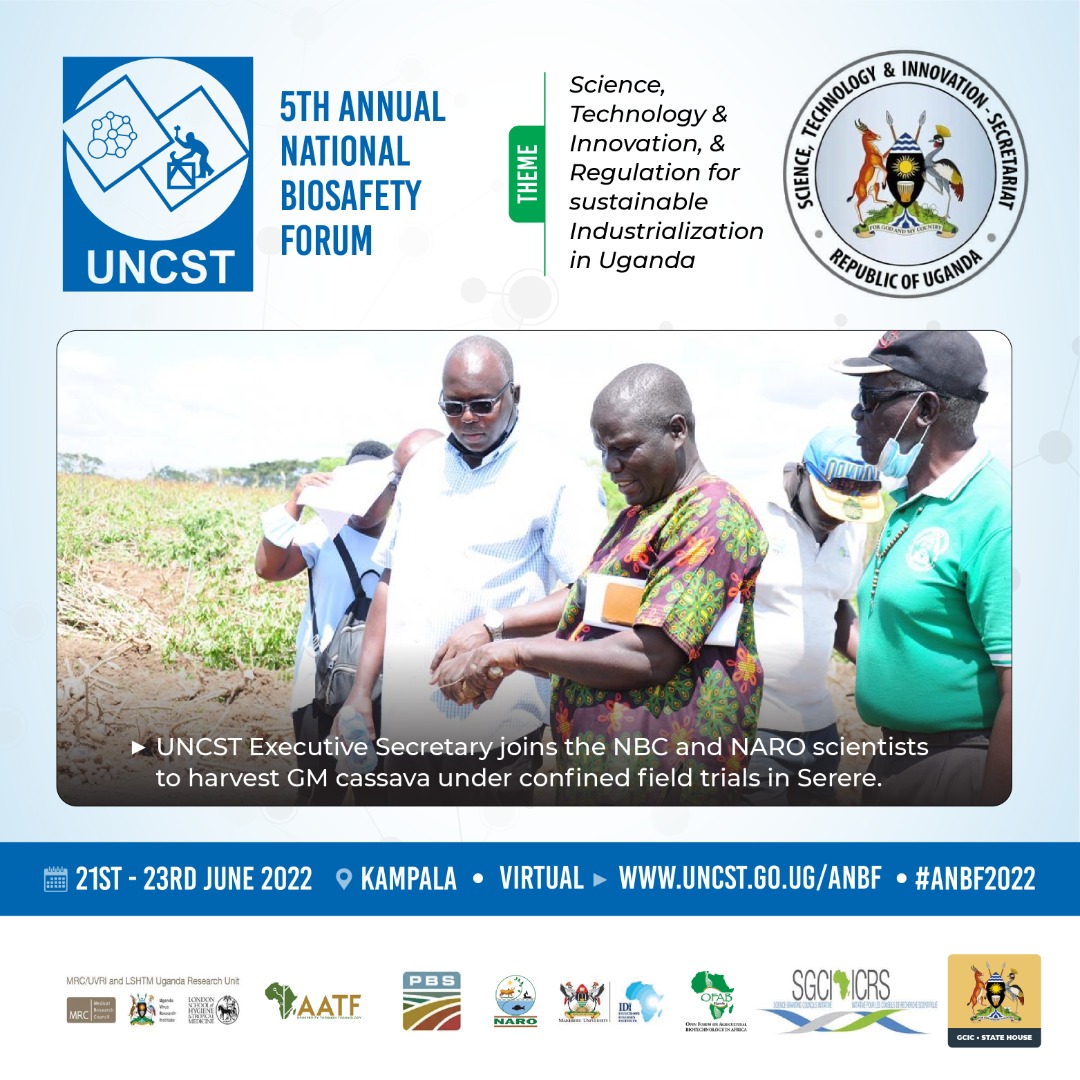
The Uganda National Council for Science and Technology (UNCST) has considered & approved more than seventeen (17) confined field experiments of genetically modified crop events following technical recommendations from the National Biosafety Committee (NBC).
#ANBF2022#UGInnovates
Genetic engineering may rid world of malaria-transmitting mosquitoes. In 2019, malaria caused an estimated 229 million clinical episodes, and 409,000 deaths - 94% of them in Africa.
https://t.co/4KPe95aFO2
GMO crops are great for the environment and provide an important tool for tackling climate change. This is due, in part, to the practice of no-till farming, which has reduced carbon emissions. Learn more in this infographic from @CropLifeIntl
Today is GOOD NEWS MONDAY. Agriculture scientists at Makerere University in partnership with NARO have developed soya beans that will save farmers the cost of weeding.
https://t.co/MdBflmZLru
It’s #CRISPR. Emmanuelle Charpentier and Jennifer Doudna ,who pioneered the revolutionary gene-editing technology, are the winners of this year’s #NobelPrize in Chemistry. #NobelPrize2020
https://t.co/I9uqEE41or
SCIFODE and UBBC meeting where Dr. Andrew Kigundu of Virus Resistant Cassava VIRCA Plus project will update us on progress of @CassavaPlus in Africa. Where GM cassava approval in Kenya underway. Zoom on 01/July/2020 11am.
Contact me for meeting details.
Politicians should remember that science is always ahead of politics, the day politics is ahead of science, that would be a dead day @scifode @narouganda @Parliament_Ug @nbstv @AabsUg
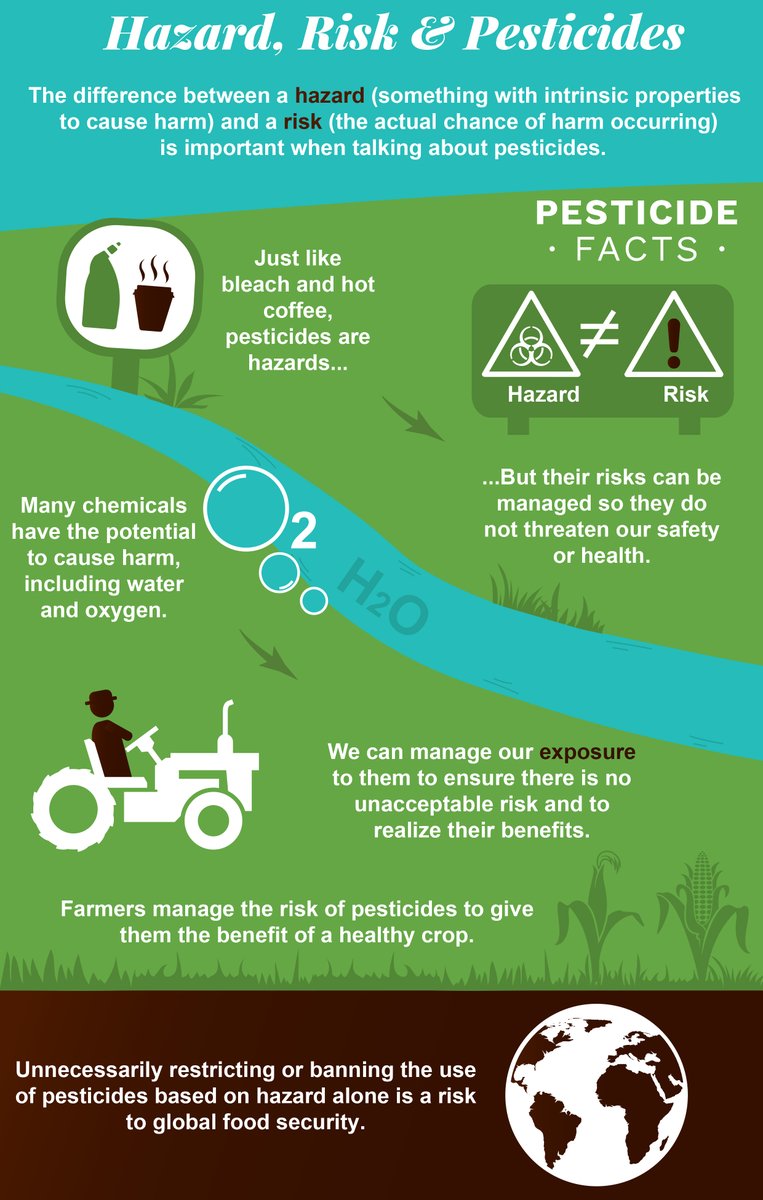
Just like bleach or hot coffee, #pesticides are hazards. But like all hazards, the risk can be managed to a level that doesn’t threaten our safety. Learn more in our infographic Hazard, Risk, & Pesticides. #PesticideFacts