@StefanoByer ⭐️ soon to be PGY3 IM resident @IntMedatIowa led this important work on outcomes of patients with ATTR cardiac amyloidosis and cardiac arrhythmias. @drpaari@UIowaCVFellows
Dr Byer is applying to cardiology 🫀 fellowship this year and any program would be extremely lucky to have him. 💯
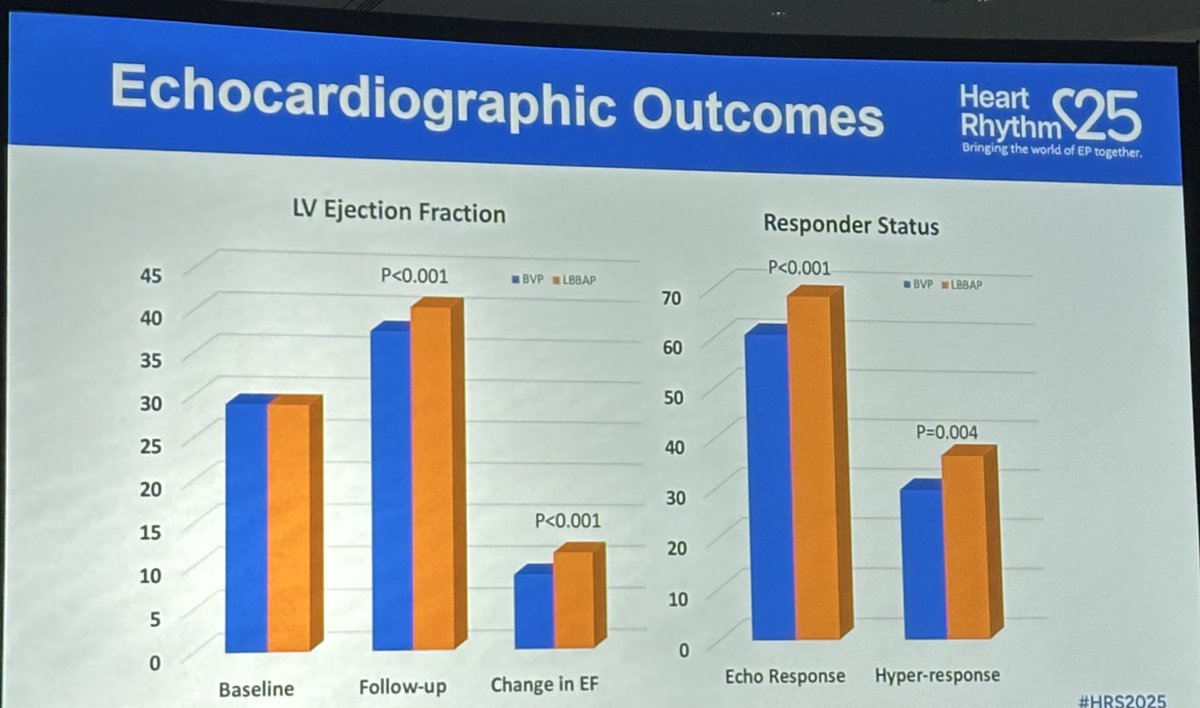
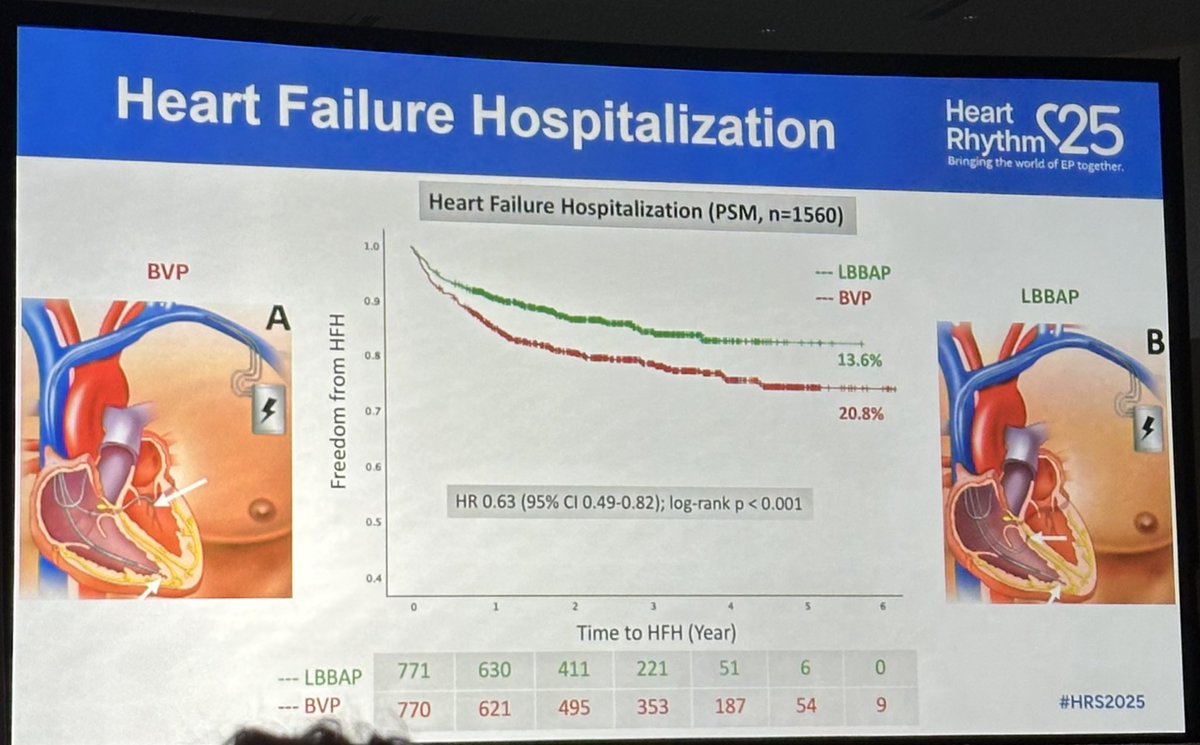
LBBAP compared to BiV pacing produced
1. ⬇️ composite endpoints: all-cause mortality and HFH
2. Greater ⬆️ in LVEF
3. ⬇️ arrhythmic risk
Great start but we need larger RCTs.
#LBCT#HRS2025
Our ⭐️ third-year fellow @AakashRSheth presenting a fantastic grand rounds today on the history of atrial fibrillation management, and how we got to where we are at today.
@AakashRSheth will be joining @PittCardiology next July for his EP fellowship & we are so proud of him!
Atrioventricular node artery may arise from the right, left, or both coronary arteries, w/ variable course in inferior pyramidal space. Understanding its anatomy & variations is vital during catheter ablation or surgery to prevent arterial injury. https://t.co/6aJhBiqk1r
#JACCCaseReports #epAblation #cvImaging @shivkumarmd
I am thrilled to announce that I will be continuing my training as an Electrophysiology Fellow at UPMC Presbyterian-Shadyside @PittCardiology@HviUpmc.
I am deeply grateful to my mentors and friends at @UPMCHHCVFellow for their guidance and support along the way!
Twitter used to be one of the most efficient ways to connect within the #MedTwitter#EPeeps community.
Restrictions on DM without being forced to be a verified/paid customer of Twitter (unfortunately called “X”now) is one of the many reasons to switch to @bluesky .
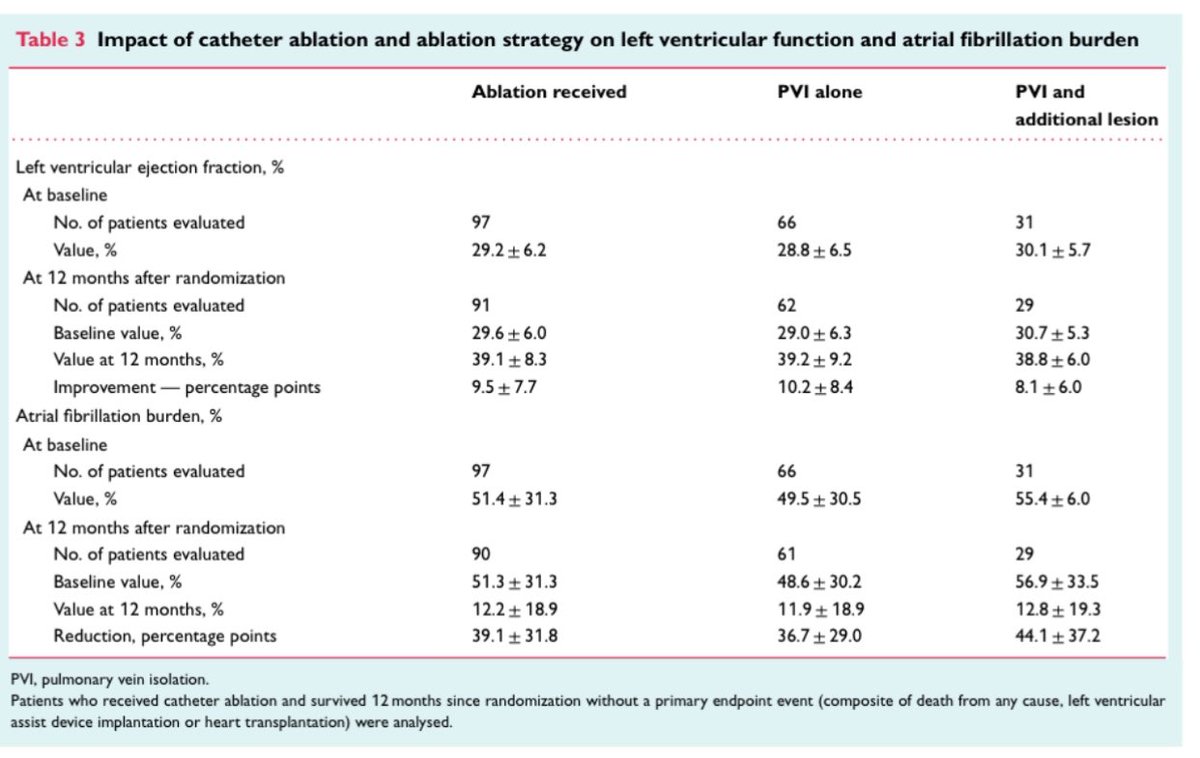
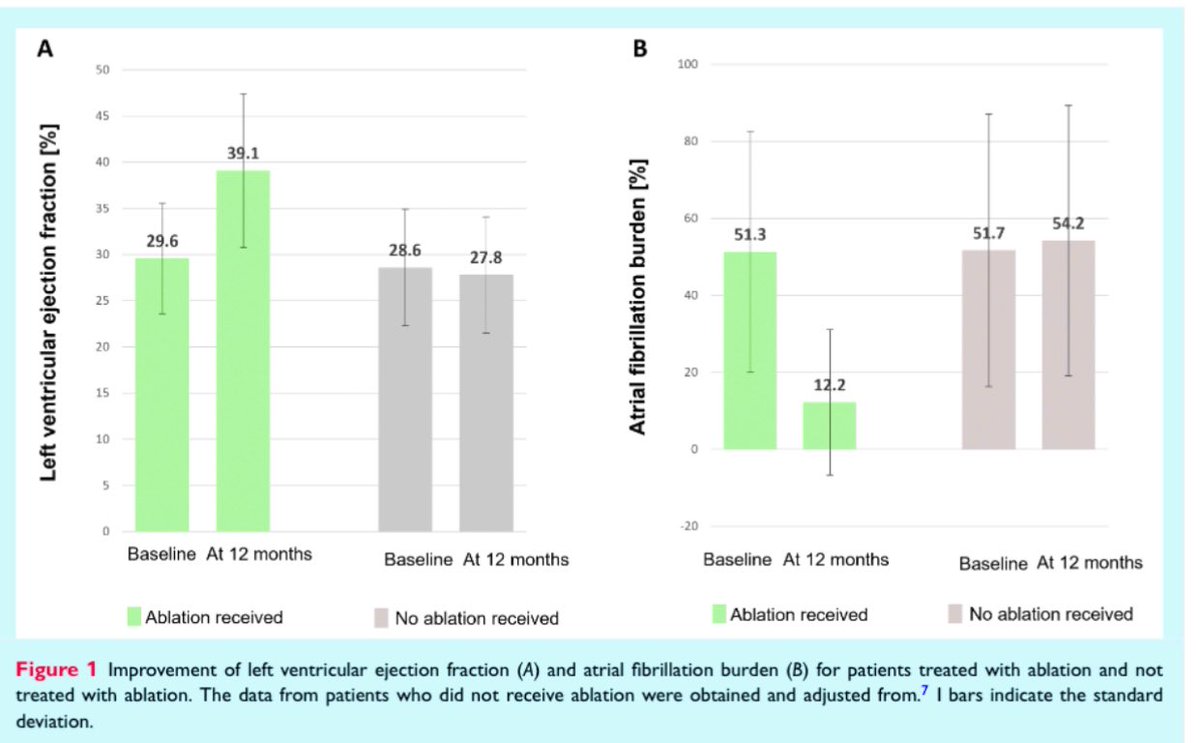
#AFib ablation in end-stage HF : Lessons from CASTLE-HTx
📍In end-stage HF pt with AF, catheter ablation reduced AF burden by 36.3 pts & improved LVEF from 29.2% to 39.1% at 12 months (p < 0.001)
📍Persistent AF also dropped significantly (34.8% vs baseline; p = 0.0001).
https://t.co/PvzdDJKnrW
@ESC_Journals #EJHF @EJHFEiC
#Ablation #HeartFailure
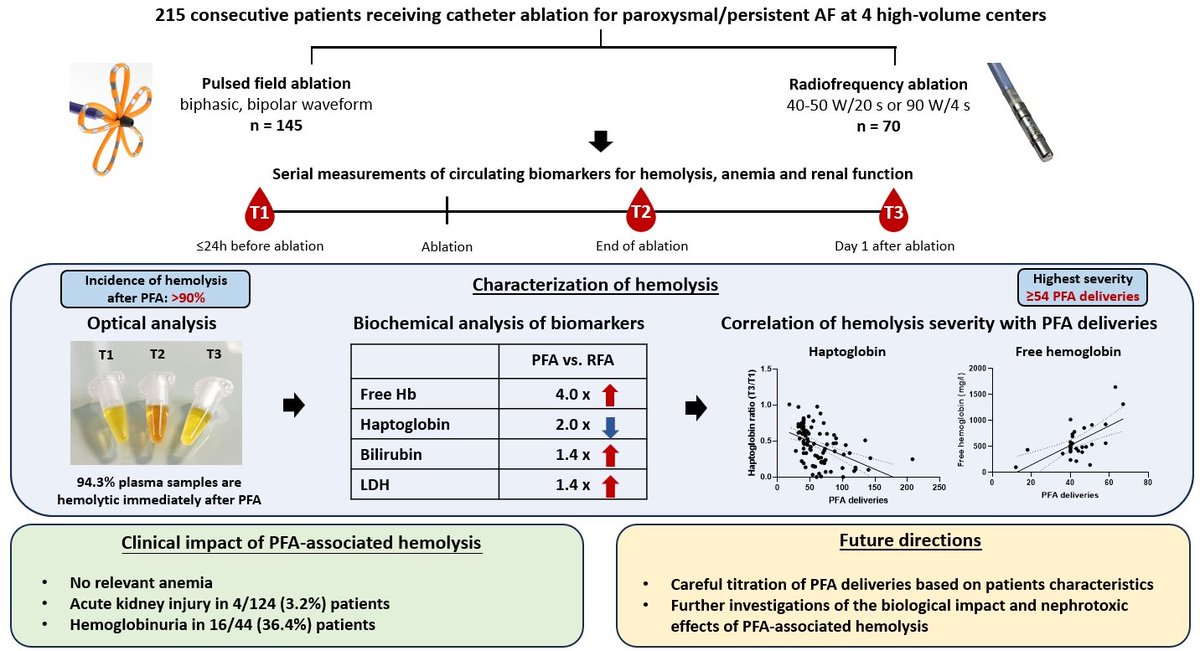
In this multicenter study, intravascular hemolysis affected 94.3% of patients after PFA, with the highest severity occurring above 54 PFA deliveries #AHAJournals#Epeeps@SergeBoveda@dogi84md @CaluoriGuido https://t.co/Cd2m6oQMJJ
Very important work. So many patients don’t get optimal imaging because of fear of adverse events with CIEDs. We need @HRSonline@Cardiology to advocate for changes to CIED and MRI labeling. MagnaSafe registry is over a decade old now with no changes in federal law!
Future superstar NET specialist and dear friend @UGrewalMD writes about the adverse events associated with Lutathera!! Should be an excellent read for all NET enthusiasts!
🔥Hot off the press-
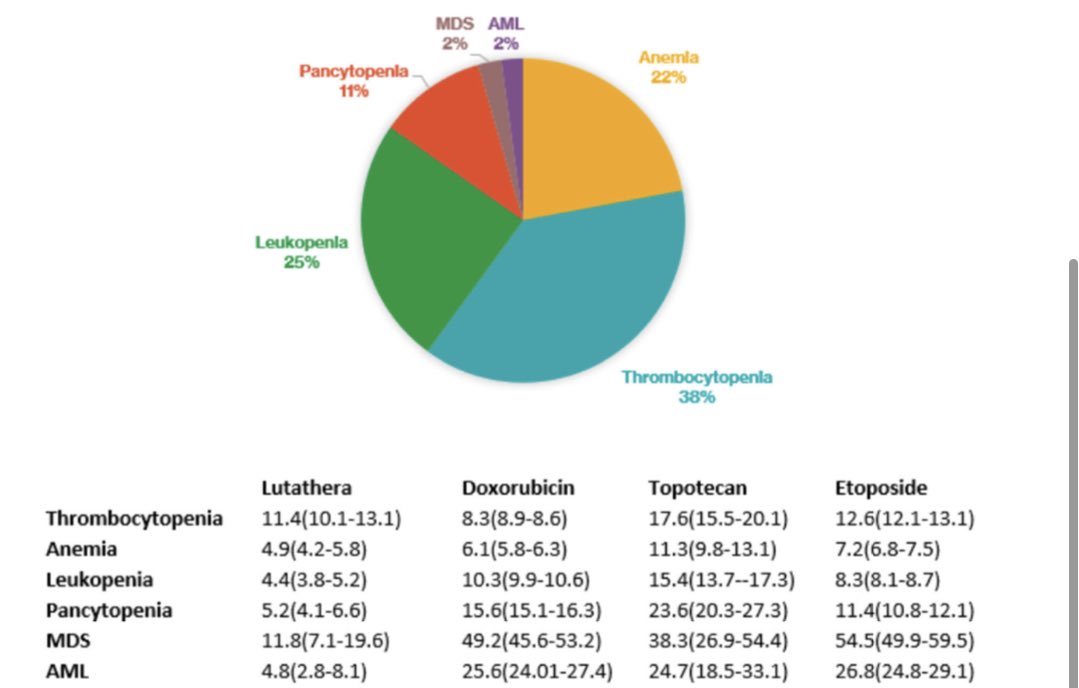
Happy to share our real world post-marketing pharmacovigilance analysis on hematological toxicities (focus on MDS/AML) with Lutathera (Lu177-DOTA-TATE) in 🇺🇸 .
👉🏽Post-marketing surveillance data from the @US_FDA (2018-2023)
👉🏽 3443 adverse events, 243 (7.1%) were hematologic
👉🏽 majority thrombocytopenia, leukopenia, anemia and pancytopenia
👉🏽 MDS & AML comprised 2% of the reported events each.
👉🏽For context we compare the reporting of hematological toxicities (esp MDS and AML) with topoisomerase inhibitors
👉🏽This is a helpful reference that may potentially inform discussions with patients planning to receive PRRT (now referred to as radioligand therapy or RLT).
Limitations- captures only 🇺🇸 data and the events reported to @US_FDA.
Thank you @thakre_anuj for your help with the project.
Link- https://t.co/0b8dJSTtEq
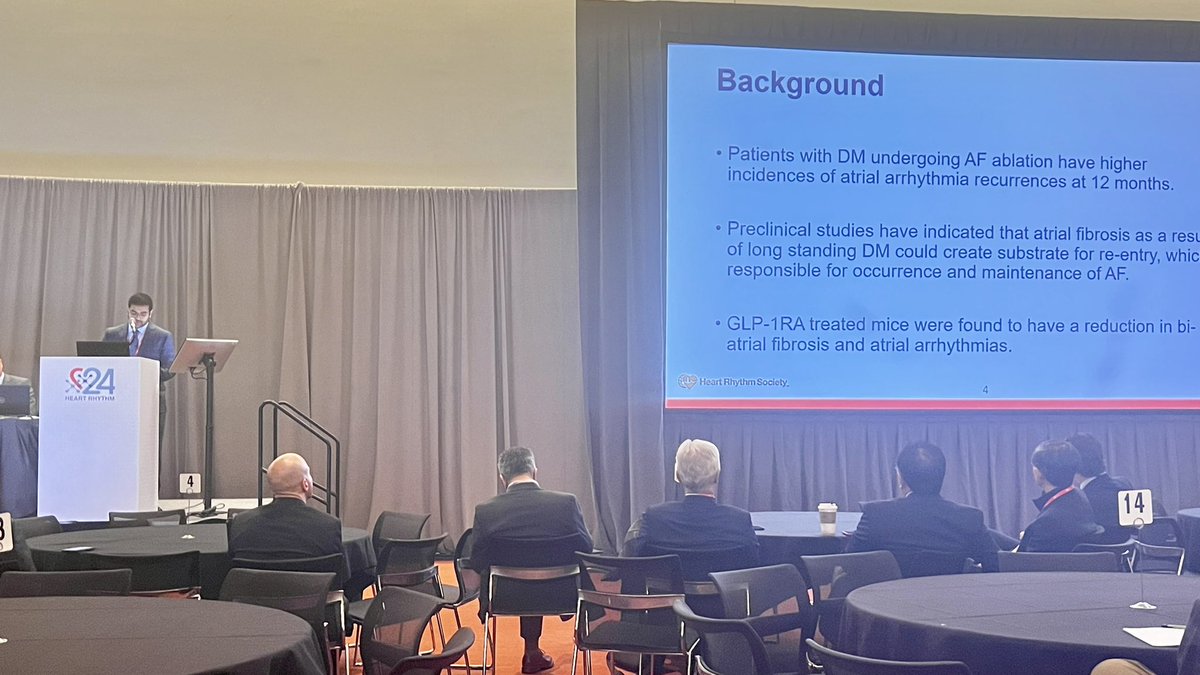
In patients with type 2 diabetes who underwent ablation for #afib, those taking a GLP-1 receptor agonist had lower risk for AF recurrence, mortality and other outcomes #HRS2024@HRSonline@AakashRSheth@HviUpmc#Cardiotwitter#EPeeps
Read more👇
https://t.co/GxvgpvtE6R