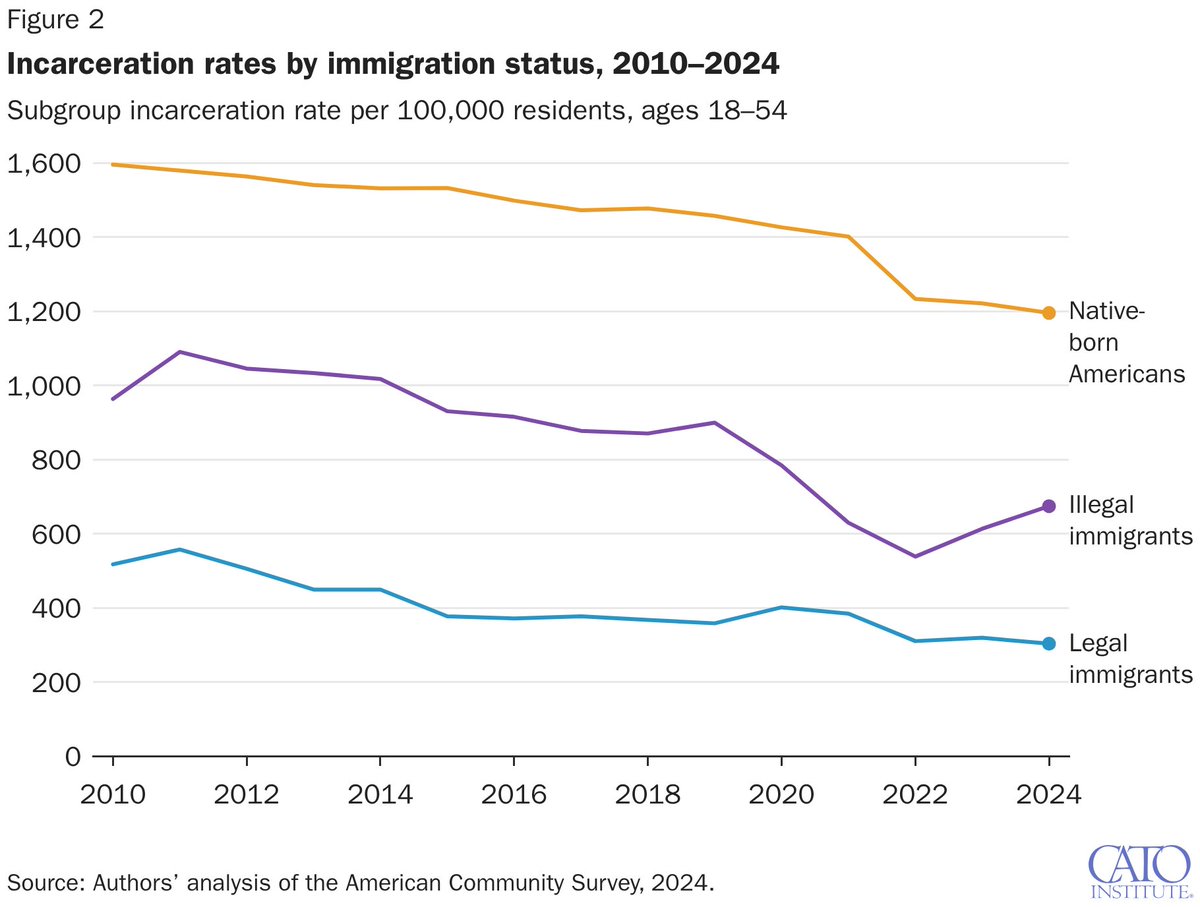
All immigrants, both legal and illegal, are less likely to be incarcerated than native-born Americans, the 2010-2024 data show.
Check out the new study by @AlexNowrasteh and Michelangelo Landgrove, “Illegal Immigrant Incarceration Rates, 2010–2024: The Demographics of American Imprisonment.”
https://t.co/vKx4peZBCY
@VincentGeloso@EconMattCurtis@MartinHSaavedra And since that is with actual wage data, you can use that data to test if my argument more human capital does predict higher earnings to justify the use of human capital for other providences
Associate Professor of Economics Dr. Aaron Honsowetz challenges Bethany students to think deeply about institutions, history, and how the world truly works.
Read More: https://t.co/NbJeOhPb5Y
@VincentGeloso Do you have any measurements of literacy, in other words can we create an estimate about investment in human capital to secure the occupation (which should correlate with expected income).
Immigrants have reduced government deficits by at least $14.5 trillion over the last 30 years, said @David_J_Bier, the Cato Institute Director of Immigration Studies, before the Senate Budget Committee.
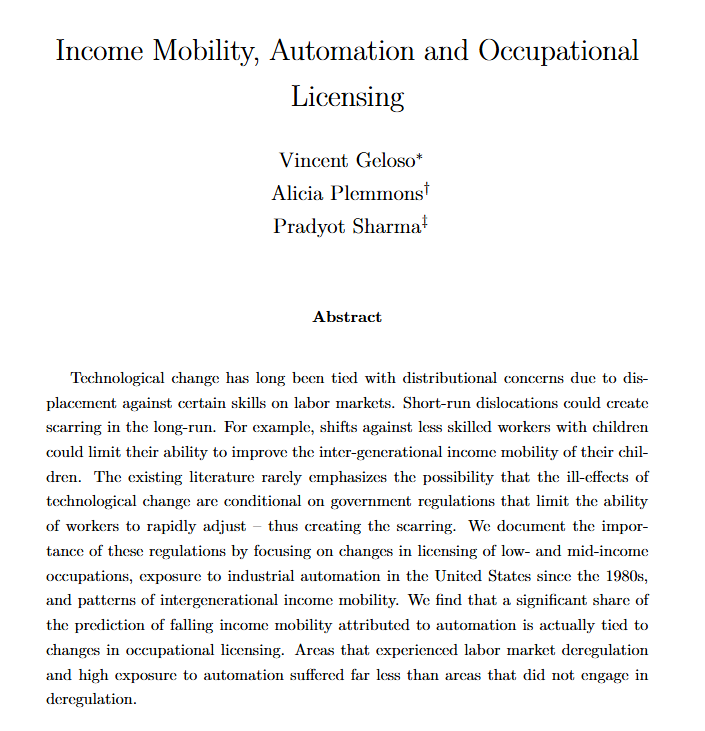
In a forthcoming paper in Southern Economic Journal with Pradyot Sharma @Pradyot30 and Alicia Plemmons @Alicia_Plemmons, I show that this depends alot on local labor market ridigities (as captured by regulations)
Rules > Discretion
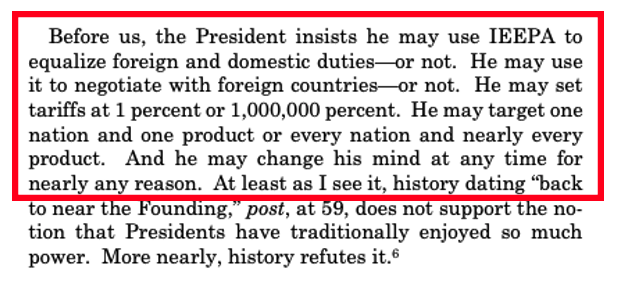
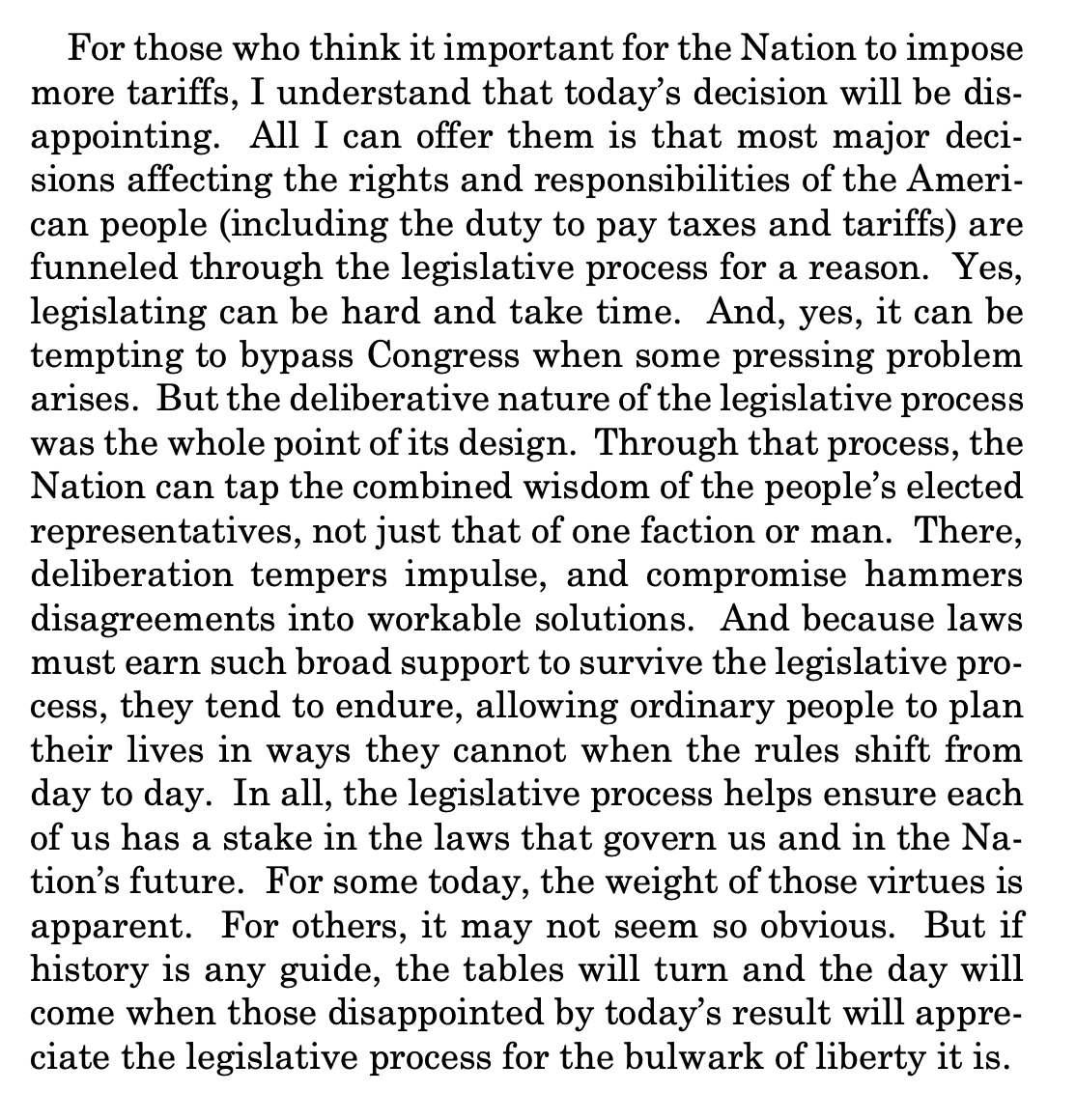
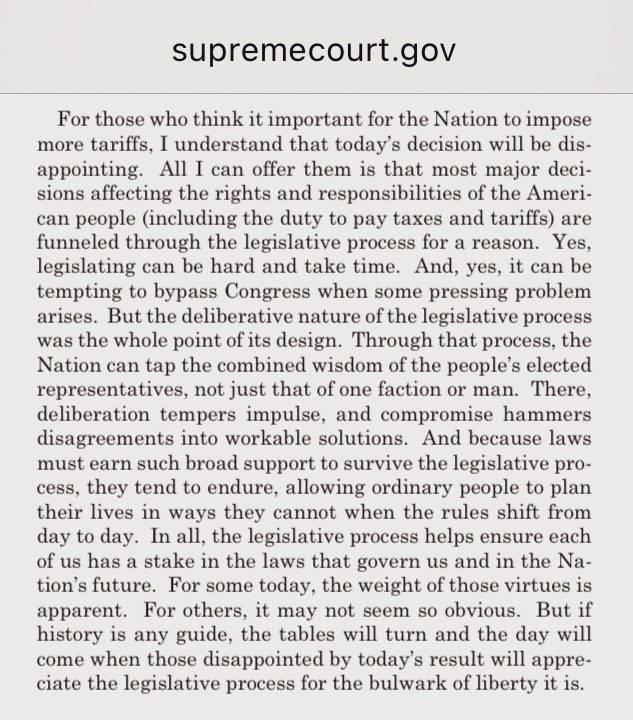
A perfect example from Gorsuch's concurrence in the SCOTUS IEEPA decision of why we are a nation of laws and how a nation of "rule by executive" can get way out of hand
#SCOTUS#Tariffs#IEEPA
1/5 Gorsuch's concurrence in today's IEEPA decision goes right into my veins. Starts by torching the proposition that the major questions doctrine a "magical innovation" (per Kagan), reaching back to 18th c English corporate law, American municipal corporations, and agency law.
For anyone putting loyalty to a person above loyalty to the Constitution, Justice Gorsuch’s remarks should be required reading. His words are a reminder that our highest duty is to the rule of law and the founding principles that define America.
A super timely listen, @D_A_Irwin delivers a fantastic lecture, "Do Trump's Tariffs Make Sense?" as part of our #HayekLecture series.
https://t.co/QiVtsbkAOG
@economicthought
Is Jerome Powell Trump-proofing the Federal Reserve? President Trump has been going after the Fed—he wants to dictate interest rates. But the Fed seems to be (quietly) striking back. 🎁 🔗 in bio #jeromepowell#federalreserve
Today, the Supreme Court reaffirmed authority that has rested with Congress for centuries. The American people already know that tariffs make building and buying here at home more expensive. And Kentuckians understand this painful reality better than most. But the use of IEEPA to circumvent Congress in the imposition of tariffs, already without precedent, isn’t just bad policy – it’s also illegal. My full statement: https://t.co/vLV8ZCXClR
Some have asked me to comment on the SCOTUS ruling striking down tariffs based on emergencies declared by the Executive. Why should I comment when Gorsuch has already nailed it right here? 💯
“The Supreme Court rightly ruled that the International Emergency Economic Powers Act does not give the president the power to ‘impose tariffs on imports from any country, of any product, at any rate, for any amount of time.’ It’s a major victory for the constitutional separation of powers, for the rule of law, for free trade, and for the millions of American consumers and businesses,’ says Cato’s @IlyaSomin.
Learn more from Cato scholars: https://t.co/cV3QIpqBIo