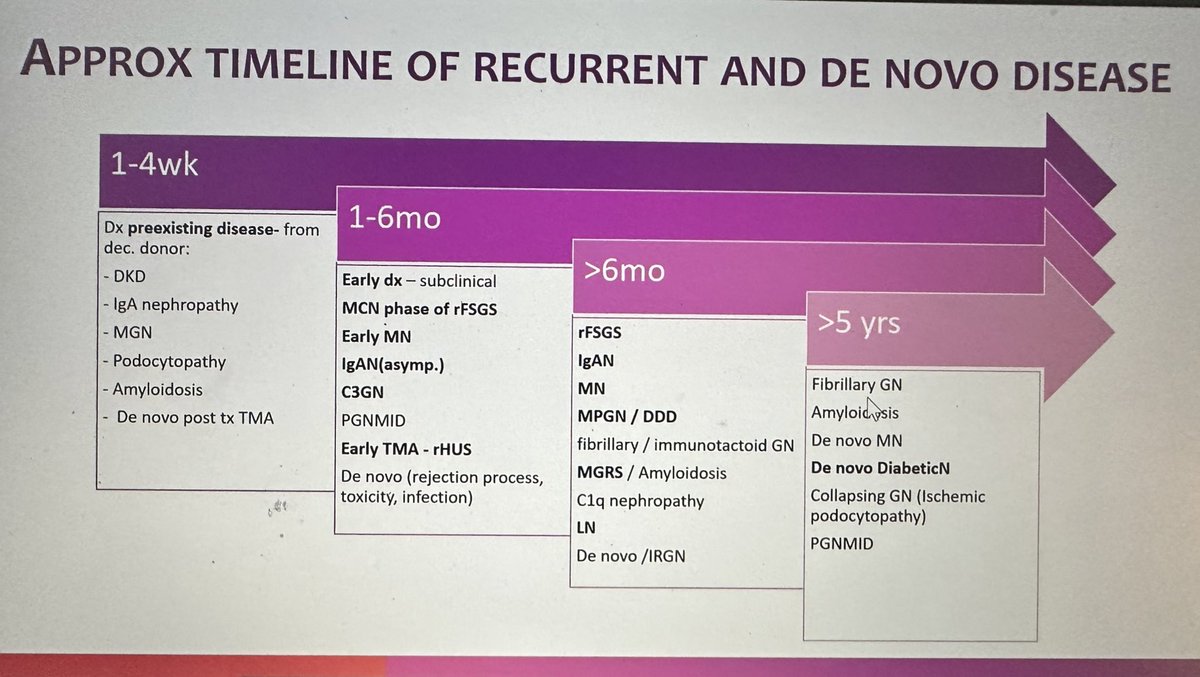
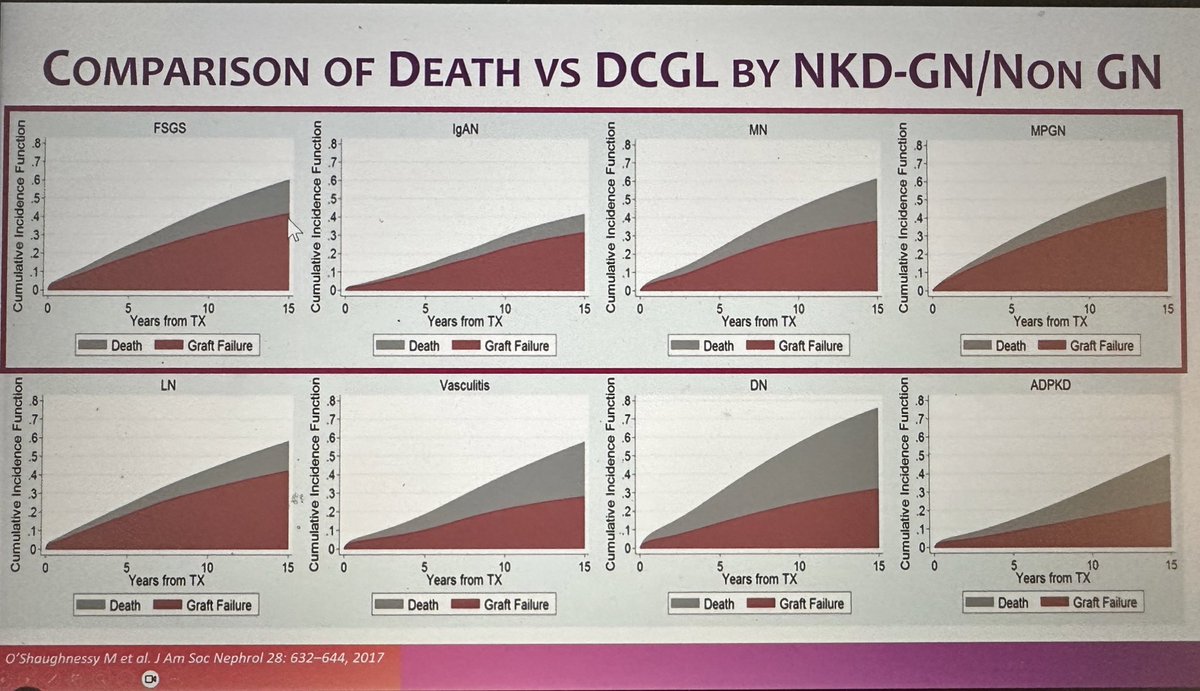
A special day at @GlomCon today with @BasuNephro expounding the complexities of recurrent GN post🫘Tx. Lots of concepts, data, takeaways & great slides!
Well done with the illustrative case on rec FSGS @nyiminhan 👍🏻
Quoting @nephrologista
‘A tour de force on current evidence’🎖️
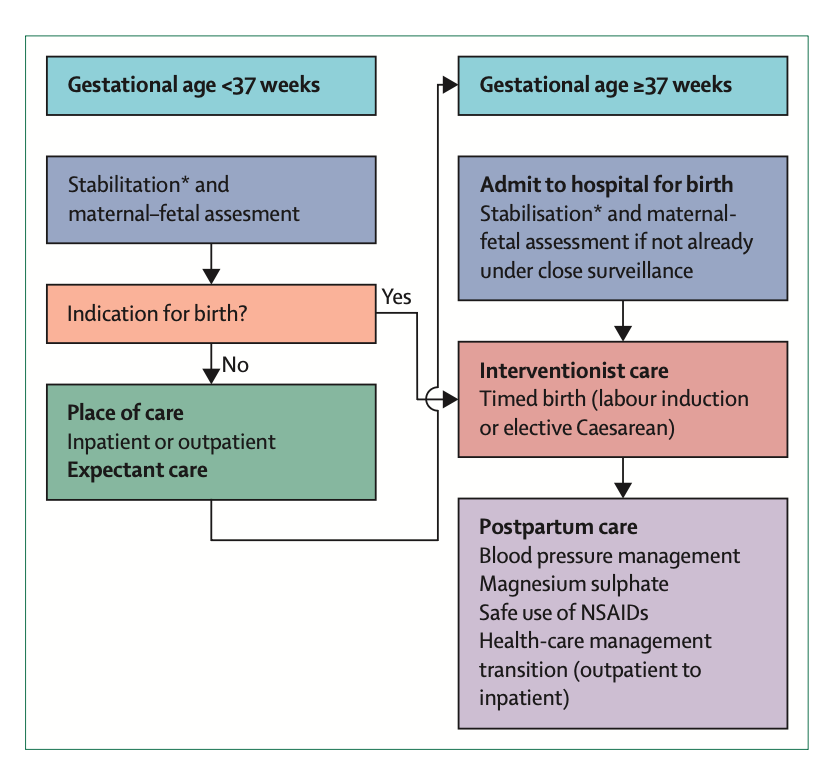
Preeclampsia, la última revisión en The Lancet (2026). Puntos importantes:
🔴 La proteinuria dejó de ser obligatoria para el diagnóstico. Preeclampsia = hipertensión después de las 20 SDG + disfunción de órgano blanco (neurológica, renal, hepática, hematológica) o uteroplacentaria.
🔴 Olviden la hipertensión permisiva: trata toda hipertensión del embarazo, meta <140/90 (diastólica 85), CHIPS y CHAP Trial. Labetalol, nifedipino o metildopa. IECA/ARA contraindicados por fetotoxicidad.
🔴Prevención con Aspirina 150 mg por la noche, antes de las 16 SDG, y se suspende a las 36. El calcio ya no se recomienda.
🔴 El único tratamiento sigue siendo el parto. El sulfato de magnesio no es profilaxis universal — es para preeclampsia con datos de gravedad y eclampsia.
🔴 En el puerperio, la presión arterial alcanza su pico los días 3 a 6 (monitorea en casa). Asociado a más: hipertensión, enfermedad renal crónica, diabetes, riesgo cardiovascular. Revisión médica anual recomendada.
Ya actualizamos las apps.
- Complement: also a part of innate immunity that creates havoc when upregulated & requires 2nd hit!
- Inaxaplin: doesnt stop APOL1 formation but blocks the oligomeric pore preventing ion flux & osmolysis of podocytes
5. Eg: Viral infections, pregnancy (2nd hit)--> upregulates variant APOL1 expression -->variant misfolds into oligomeric channels which localise to plasma membrane -->Ion flux and osmolysis --> cytoskeletal collapse -->FPE and N.S.
6. Similar to gain of fnc in complement genes!
Interesting facts on APOL1 protein
1. Part of innate immunity
2. It is the serum factor which lyses trypanosomes
3. Normally expressed in podocytes and trafficked through endosomes and lysosomes
4. Patients with high risk genetic variants (G1/G2) are susceptible to 2nd hit.......
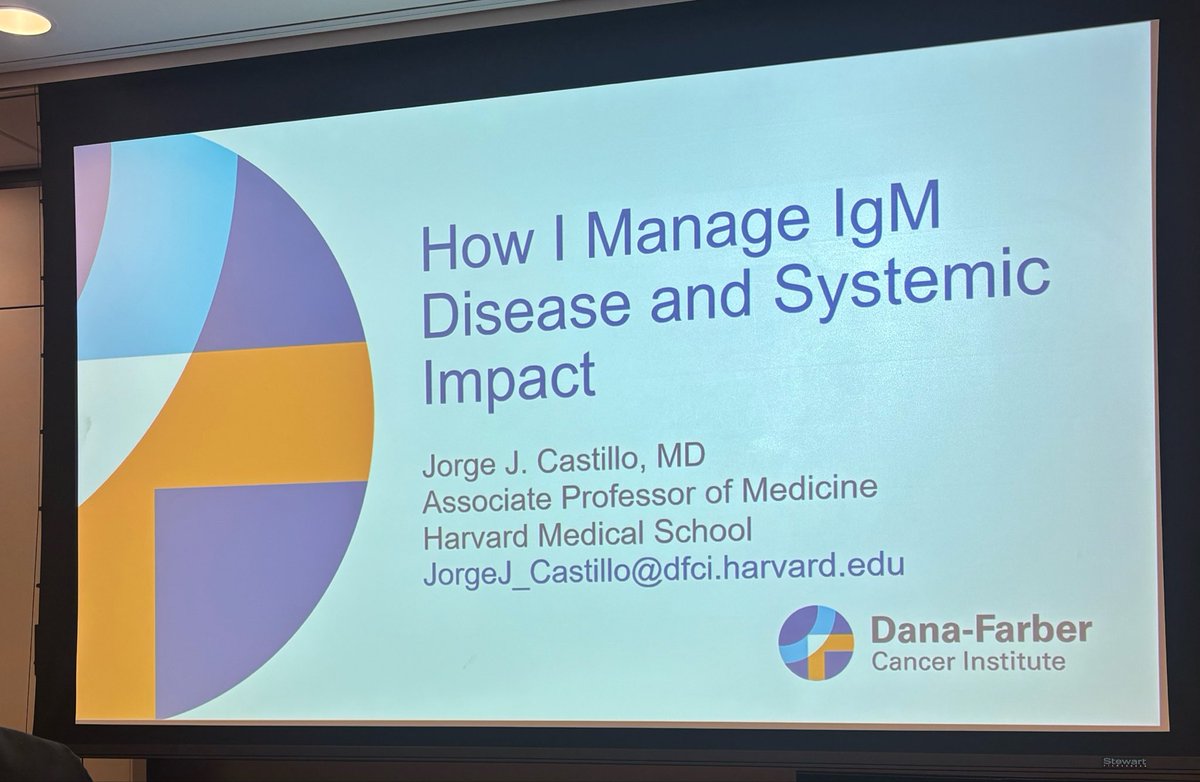
How I Manage IgM Disease and Systemic Impact
🎙️ Jorge J. Castillo, MD
Associate Professor of Medicine, Harvard Medical School @harvardmed
A practical look at IgM disorders, renal involvement, MGRS, amyloidosis& systemic complications.
@rc_oncneph@ShrutiGkidney@MGBKidneys
The proposed approach to PGNMID is therefore more nuanced: kidney biopsy defines the lesion, while SPEP/SIFE, sFLC, UPEP/UIFE and bone marrow evaluation look for an underlying clone.
The distinction between MGRS-PGNMID and non-MGRS-PGNMID matters.
💡 Pearl: Normal C3 does NOT exclude complement-mediated kidney injury.
Why?
⚖️ C3/C4 reflect production + consumption 📈 Acute-phase responses can mask a fall 🏠 Complement may activate locally in the kidney
So IgAN or AAV can still have normal serum C3.
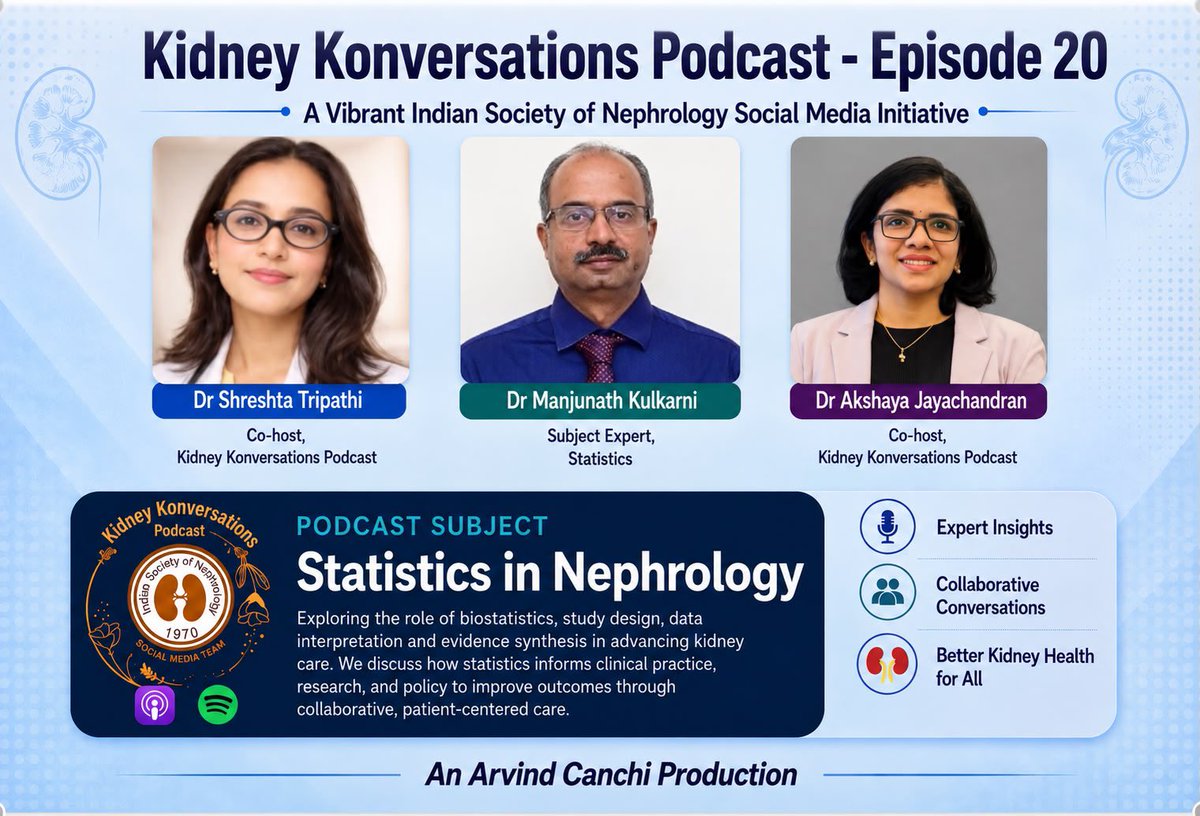
🔉The 20th episode of @isn_india Kidney Konversations is gonna be here!!
Any guesses on what we’re discussing this time?
Clue 1: The speaker is @drmjkulkarni !
Clue 2: The topic is something every nephrology resident has struggled with or rather ran away from !!
Clue 3: The attached picture actually has the topic mentioned 😅
Keep your fingers crossed for a highly FUN and interactive discussion which will have you hooked !!
Co-host : @ShreshtaT
Director + Producer : @arvindcanchi
Think Balzac, write Flaubert!
( P.S : I didn't know either of these French literary greats till 15 min back - read the blog to know more ����🏻)
A guide to how to write the discussion part of your article by @vjha126
#Medtwitter #Nephtwitter
@NephJC @KidneyKolumns
@isn_india
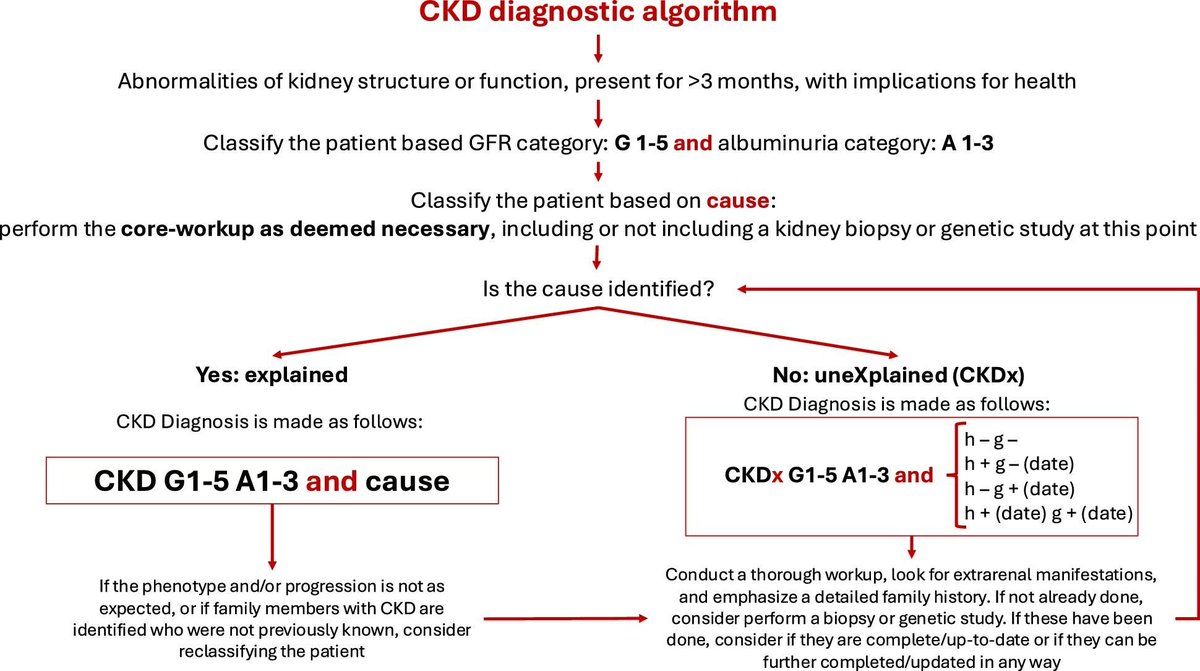
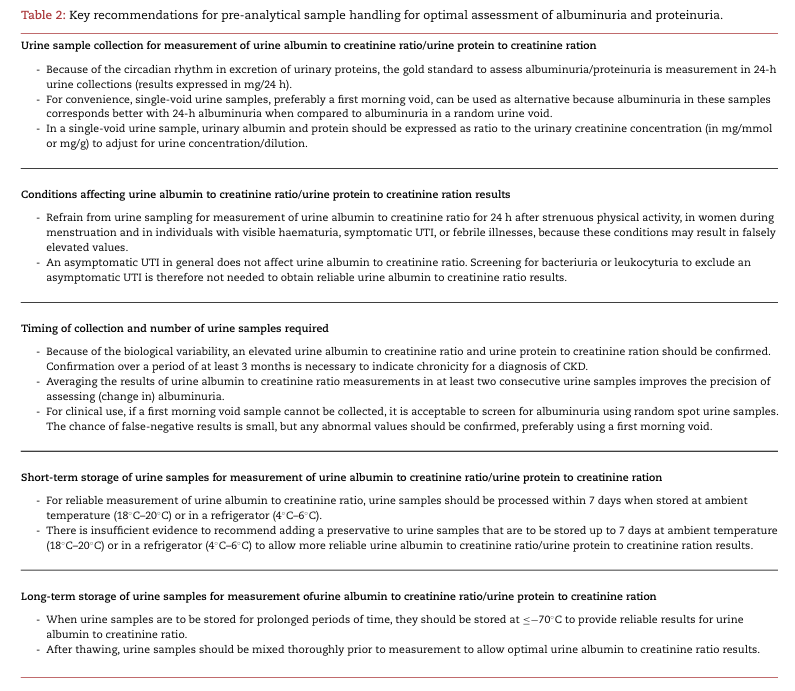
The newly published NDT Supplement brings together the latest evidence and perspectives from the NKF 2025 Albuminuria–Proteinuria Workshop @NDTsocial@NKF_NephPros
https://t.co/WwU6Q2GPnN