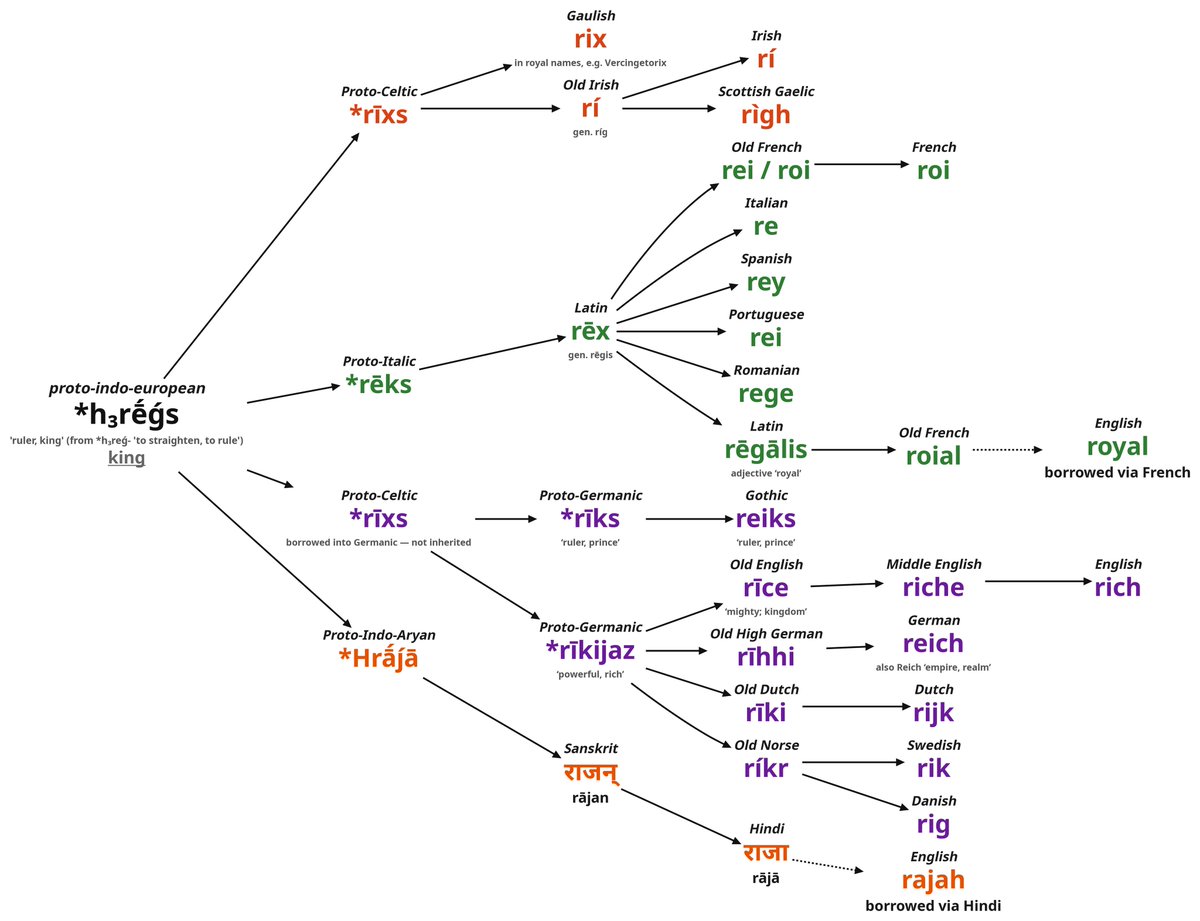
India has a “a” problem. We think adding “a” behind every Hindi word makes it sound more serious and important- moksha, bharata, dosha, itihasa, pustaka, sanskara, adhikara etc etc
With the axiomatic pre-supposition of the chain of being and reduction in harm, there is no good argument for the morality of meat eating. None.
Just because we collectively ignore it doesn't make it moral.
@kaeshour@Gypsy_heart8@omarali50 Also "more genocidal" ???
"āryanization" of the non-aryans helped create a synthesis that helped preserve and flourish the "non-āryan" aspects of the culture to this day.
Estimation of a literary work is ultimately subjective.
Many people regard Bankim Chandra Chatterjee's Bande Mātaram as a fine composition, yet the All-India Muslim League strongly objected to Bande Mātaram.
If SFI Marxist students disapprove of religion in general, why stop at removal of idols from the kaʿbah?
Why not sing of the complete destruction of the kaʿbah?
What is special about Mecca that it should be regarded as ʾarż-i k͟hudā?
The vocabulary and imagery used in the lines of the poem are explicitly Islamic and Quranic.
Moreover, what is the ultimate goal of singing paeans of Islamic iconoclasm and triumphalism in India, a country where the wounds of Islamic iconoclasm are still clearly visible?
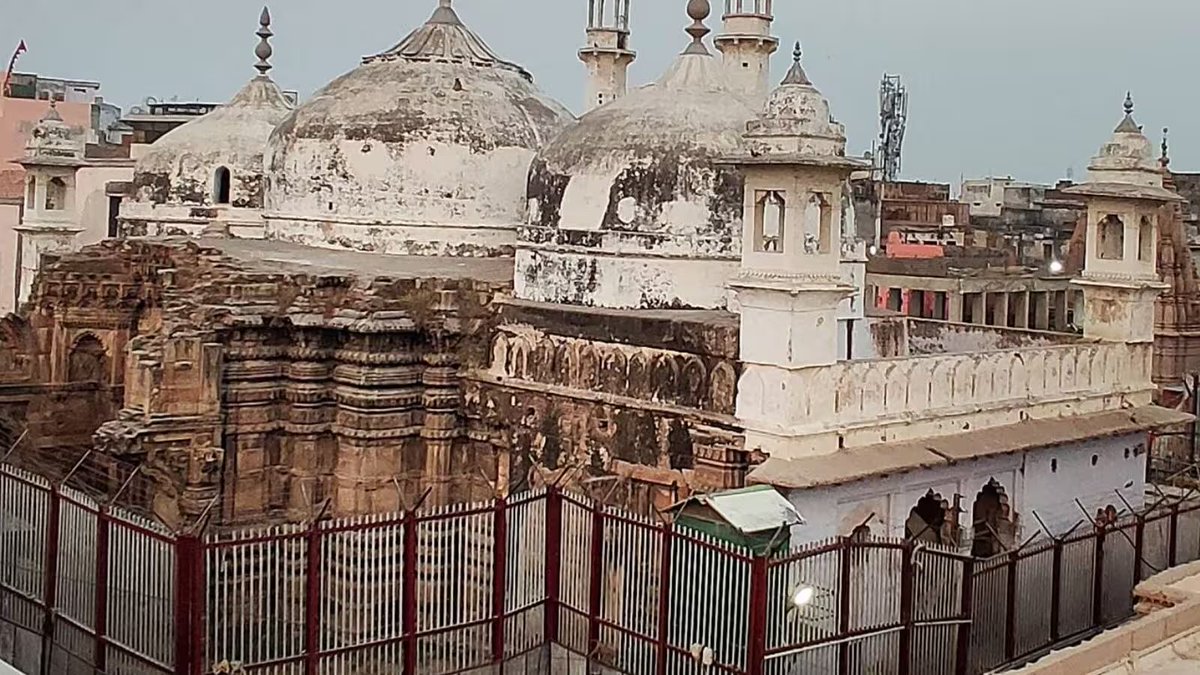
A country where cities like Vārāṇasī and Mathurā have been leveled and rebuilt multiple times.
A country where major cities like Gauḍa/Lakṣmaṇāvatī (Sena capital), Hampi (Vijayanagara capital), Warangal (Kākatīya capital), Dvārasamudra (Hoysaḷa capital, colloquially known as Halebīḍu, the "old camp"), etc. were largely abandoned after being sacked by Islamic sultanates.
I watched the movie and agree with this critique. It was enjoyable, and the visuals were epic, but I'm not really sure where Nolan was going with Odysseus, other than portraying him as a traumatized war veteran. There are elements of Odysseus' famed hubris and cleverness sprinkled throughout, but they're not really fleshed out. Odysseus mostly comes off as bumbling and foolish.
If Achilles is modelled from Piyama-radu then even he isn't "ahhiyawa" .
Also fun fact: The worship of the Goddess Potnia appears to be prominant in Mycenean mainland. In classical Greece the concept was adjectivized to refer goddesses/women.
We know the word as Patnī.
Richmond Lattimore's translations of "The Iliad" and "The Odyssey" are recommended in part due to the very fine introductions and textual analysis that accompany the translations
Some insights on "The Iliad" from Lattimore's essay -
1. On the Trojan War and its historical setting : The Trojan War, if it ever happened, likely predates the Dorian invasion. It belongs to the Mycenean era (late Bronze age circa 1300-1200 BCE) when the Greeks were still foreign to Asia Minor and were firmly Europeans.
While Troy is hellenized in Homeric epic, the historical Troy is likely not a Greek colony, but an enemy state that is attacked by the Greeks.
However Homer himself is an Asiatic Greek from Asia Minor, who likely is a descendant of Ionian colonists who reached Asia after the Dorian invasion of the Peleponesse and parts of Attica.
Not surprisingly he hellenizes Troy and its rulers in his epic.
2. On the scope of Iliad : The story of Troy is barely captured in "The Iliad", which deals with the battles in the 10th year of the seige of Troy. Much of that story is illuminated by later works, and parts of it are pre-supposed by Homer while other parts may have been later creations unknown to him
E.g. The elopement of Helen by Paris is barely mentioned in "The Iliad". By reading Homer, you can barely say Helen or her conquest by Paris is the cause of the seige of Troy.
Troy does not "fall" in the Iliad. the Epic ends inconclusively with the death of Hector. The defeat of Troy happens much later but is not narrated in "The Iliad"
3. On the legend of Achilles : Achilles does not die in "The Iliad". The epic begins with his tiff with the king Agamemnon and ends with the death of Hector - the Trojan antagonist.
The vulnerability of Achilles in his heel is not mentioned by Homer at all. Appears to be a later legend.
4. On the Trojan Horse : The story of Trojan wooden horse is not mentioned in Iliad at all, but alluded to in later legend, as well as in "The Odyssey"
5. On Homer's timelines : Homer's date is often estimated at 850 BCE or thereabouts. But the basis for that seems pretty ancient as Herodotus himself mentions in his Histories that Homer lived 400 years before him.
6. On the lingual / ethnic character of Troy : (this is not from Lattimore) Homer hellenizes the Trojans and portrays them as culturally greek. Understandable given that he was an Asiatic Greek living somewhere in Turkey, But historically, the Trojan war was likely waged against an Asiatic enemy territory who were not Greek at all.
The historical Hector / Paris etc may not have been greek at all, but as per scholars closely related to Hittites - the Anatolian branch of the Indo-European family (i.e. descendants of the pre-PIE branch that branched off before the Yamnayan explosion)
Even the given name "Paris" has an etymology that is identified with Luwian / Hittite roots by linguists
namo̱ namo
gaṅgāyamunayormadhye ye̍ vasa̱nti̱te me
prasannātmānaściraṁ jīvitaṁ va̍rdhaya̱nti̱
namo gaṅgāyamunayormuni̍bhyaśca̱ namo̱ namo gaṅgāyamunayormuni̍bhyaśca̱ namaḥ .
Ganguland has always been the heart.
Once some Pak nationalists pick up a bit of indology, they might argue -
"You know what. pANini's understanding of vedic accent is radically different from mainland Indians who wrote the prAtishAkhyas. He defines udAtta as an high pitch sound unlike Hindoos who treat udAtta as neutral. This is proof of an incipient Pakistani exceptionalism going back 2500+ years!!"
उच्चैर् उदात्त can become the Pakistani motto akin to India's सत्यमेव जयते