Served as Ambassador to Nepal. CG Houston (USA), AHC Canada, Clr India, Lebanon & Kuwait. Alumni of NDU 🇵🇰, NESA, NATO, CSA, FSA, NSPP, ANU & Carleton Uni.
4 Aug 2026!
Today, we gathered at Maitighar Mandala, Kathmandu, to pay homage to our mountain heroes lost in the recent Broad Peak avalanche.
Families, friends, colleagues, fellow mountaineers, and members of the mountain community came together to honor the climbers’ lives and the legacy they left behind.
Thank you to everyone who joined us in remembrance and prayer. 🙏
Farewell, climbers. May your spirits soar mountain high.
📷 @rabinson01
From mountaineer Lhakpa Sherpa's post on Facebook:
"The mountains in the Himalayas have become more unstable compared to a couple decades ago. They used to be very frozen and were quite solid. Now they melt a lot more, loosening the rock."
His mother banished him from the house at age 11.
He had struck a servant.
She told him he could not return until he found the man and personally begged his forgiveness.
He did.
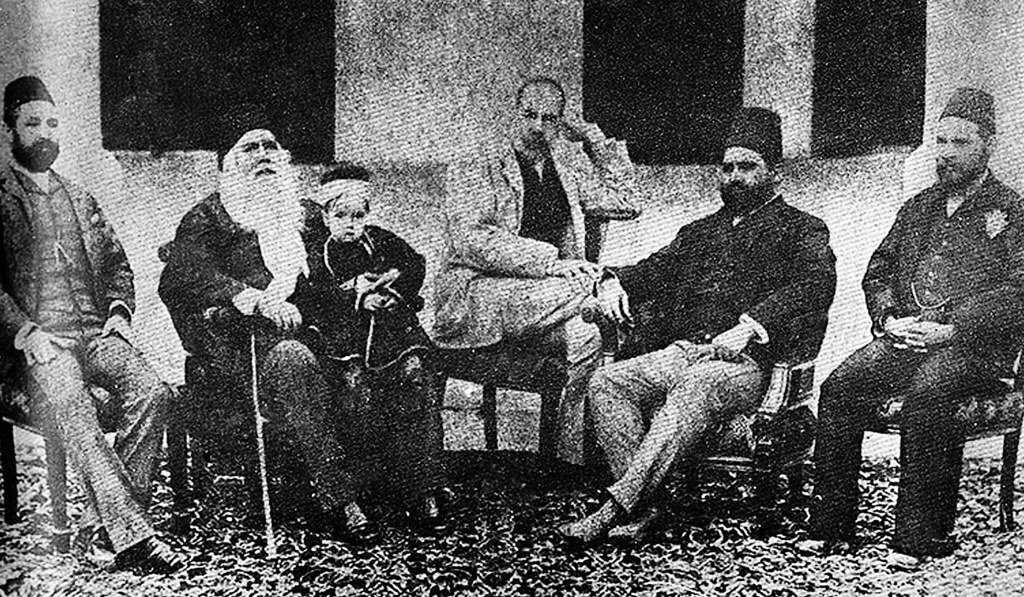
That was the first lesson of Sir Syed Ahmed Khan.
Shahjahanabad. Old Delhi. October 17, 1817.
Syed lineage. Mughal aristocracy. Mother Aziz-un-Nisa Begum. The greatest influence of his life, who taught him more than any tutor. Grandfather a Prime Minister. Father a mystic.
He told the British Empire it was wrong.
In 1858. One year after they had crushed the largest uprising in Indian history.
At the moment of maximum British power and maximum Muslim vulnerability.
Sir Syed Ahmed Khan published a book.
Asbab-e-Baghawat-e-Hind. The Causes of the Indian Revolt.
He said: you caused this. Through ignorance. Through exclusion. No Indians in your councils. No understanding of our customs. You made this rebellion inevitable.
The British read it. And did not destroy him.
Because everything he wrote was true and he wrote it without hatred.
His father died in 1838. The Mughal pension died with him.
He took a clerkship with the East India Company. Relatives were horrified.
He rose anyway. To Sub-Judge. Then to Chief Sub-Judge.
1847. Asar-us-Sanadid. The definitive record of Delhi's monuments and scholars. Translated into French.
1857. He was in Bijnor when the Uprising began.
He saved British lives at personal risk.
His own family in Delhi was ransacked, killed, displaced.
His mother survived only because he carried her out of Delhi himself.
She died of the trauma.
His wife Parsa Begum died four years later.
He never remarried.
He went to Britain in 1869. Oxford. Cambridge. Factories. Printing houses.
He came home with one idea.
Give Muslims what Oxford gave the British.
1875. Muhammadan Anglo-Oriental College. Aligarh.
Modern science. Islamic ethics. One institution.
Conservative Ulema called him an apostate.
He kept writing.
The college became Aligarh Muslim University in 1920.
The leaders who created Pakistan studied there.
The intellectual case for Pakistan was first made by this man.
1888. Knighted. KCSI.
He died in 1898 with modest personal assets.
He spent everything on the college.
He is buried inside its mosque.
He started by telling an empire it was wrong.
He ended by building the university that changed South Asian history.
Sir Syed Ahmed Khan.
Pakistan Zindabad. 🇵🇰
Deeply saddened by the tragedy on Broad Peak. My heartfelt sympathies to the families of all ten climbers lost and missing in this avalanche including Nepalese, Pakistani, Omani, American and Chinese bound together by the mountains and spirit that connect our nations. Commend GB Admin, Pakistan Army and Alpine Club of Pakistan for braving harsh weather to recover three and pray they soon find the remaining mountaineers, including Sohail Sakhi and Nirmal Purja. The mountains have long united our nations, especially in shared courage and sacrifice.
Press Release by Govt of #GilgitBaltistan on #BroadPeak Rescue Mission.
On 29th June 2026, a 10-member international mountaineering expedition entered #Skardu District to attempt Broad Peak (8,047 meters) in District Shigar, Gilgit-Baltistan.
The expedition was organized through #Karakoram Expeditions, Imagine Climb Pakistan, and Blue Sky Trek & Tours Company.
The expedition comprised the following members:
Ms. Sarah Mallory Geis (USA) – Passport No. 599471051
Mr. Pur Bahadur Gurung (Nepal) – Passport No. PA1615826
Mr. Nirmal Purja (United Kingdom) – Passport No. 128247796
Mr. Nawang Thindhu Sherpa (Nepal) – Passport No. 11369295
Mr. Gyalu Sherpa (Nepal) – Passport No. PA2420930
Mr. Nima Sherpa (Nepal) – Passport No. PA1853010
Ms. Nadhira Ahmed Abdullah Al Harthy (Oman) – Passport No. VV0447400
Mr. Wang Zhong (China) – Passport No. EP4960542
Mr. Kili Pemba (Nepal) – Passport No. BA0209737
Mr. Suhail Shahzad (Pakistan)
On 30th July 2026, the climbing team was last contacted at 9:00 a.m. by the handling tour operator. However, subsequent contact could not be established. At 8:00 p.m., it was reported that an avalanche occurred while the team was ascending from Camp-II to Camp-III at an approximate altitude of 6,600 meters.
The official rescue mission commenced following a formal request from the tour operators at 8:30 a.m. on 31st July 2026. Pakistan Army Aviation helicopters deployed a three-member civilian rescue team led by renowned mountaineer Mr. Sirbaz Khan to Broad Peak Base Camp. The team also included Mr. Waqar and Mr. Shehzad.
The rescue team began its ascent on foot from Base Camp towards Camp-II and recovered the following three bodies/remains:
Ms. Nadhira Ahmed Abdullah Al Harthy – Oman
Ms. Sarah Mallory – USA (remains of body)
Mr. Pur Bahadur Gurung – Nepal
The three recovered bodies have been shifted to CMH by Pakistan Army Aviation helicopters, and legal formalities for identification are underway. Due to inclement weather, the search and rescue operation for the day has been suspended and will resume the following day, with additional Sherpas from other expeditions joining the effort. The rescue team remains stationed at the base camp and has reported spotting several more bodies through drone footage.
The rescue operation is being conducted under extremely challenging terrain and high-altitude weather conditions by the #Pakistan Army in coordination with local high-altitude climbers and rescuers. The Government of Gilgit-Baltistan extends its heartfelt condolences to the families of the climbers and remains committed to supporting the ongoing search and rescue mission, as well as the transportation of the recovered bodies to their respective countries.
PRO
Commissioner Baltistan
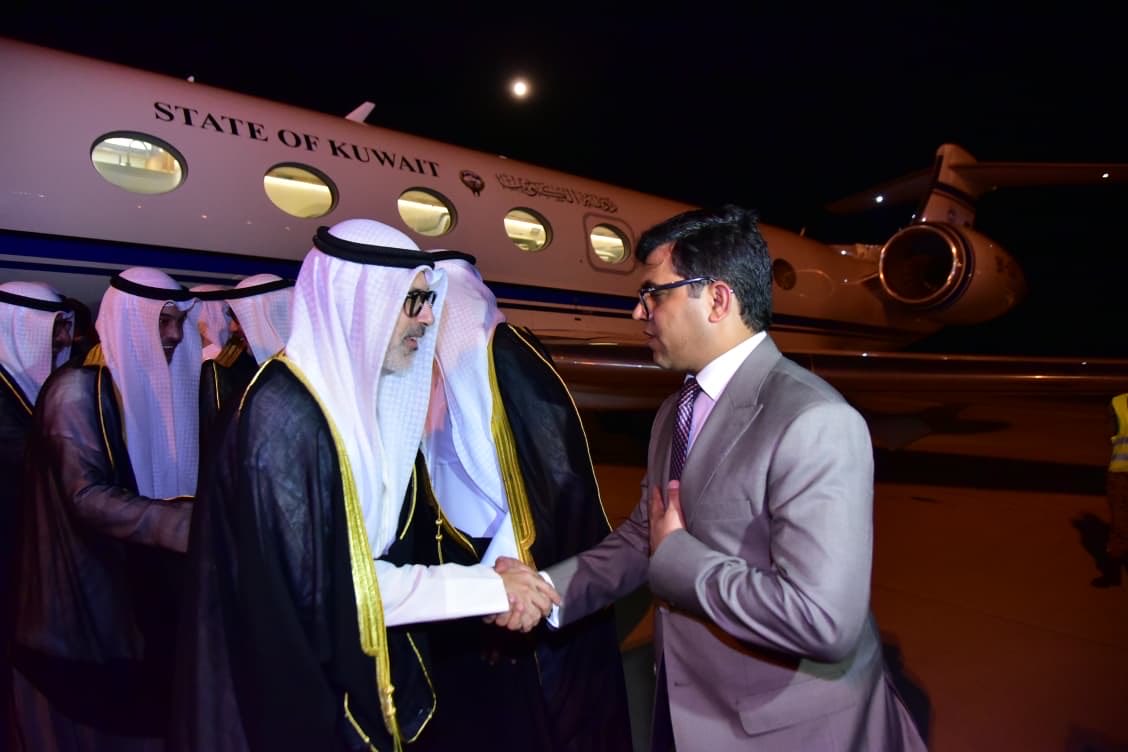
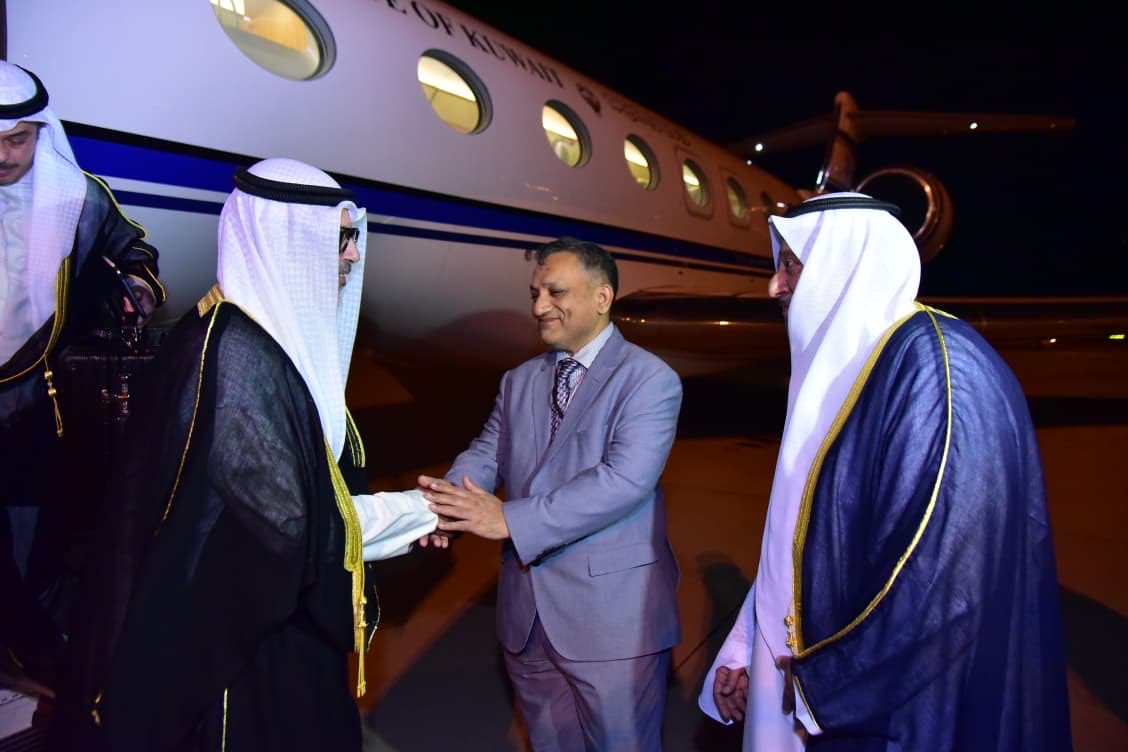
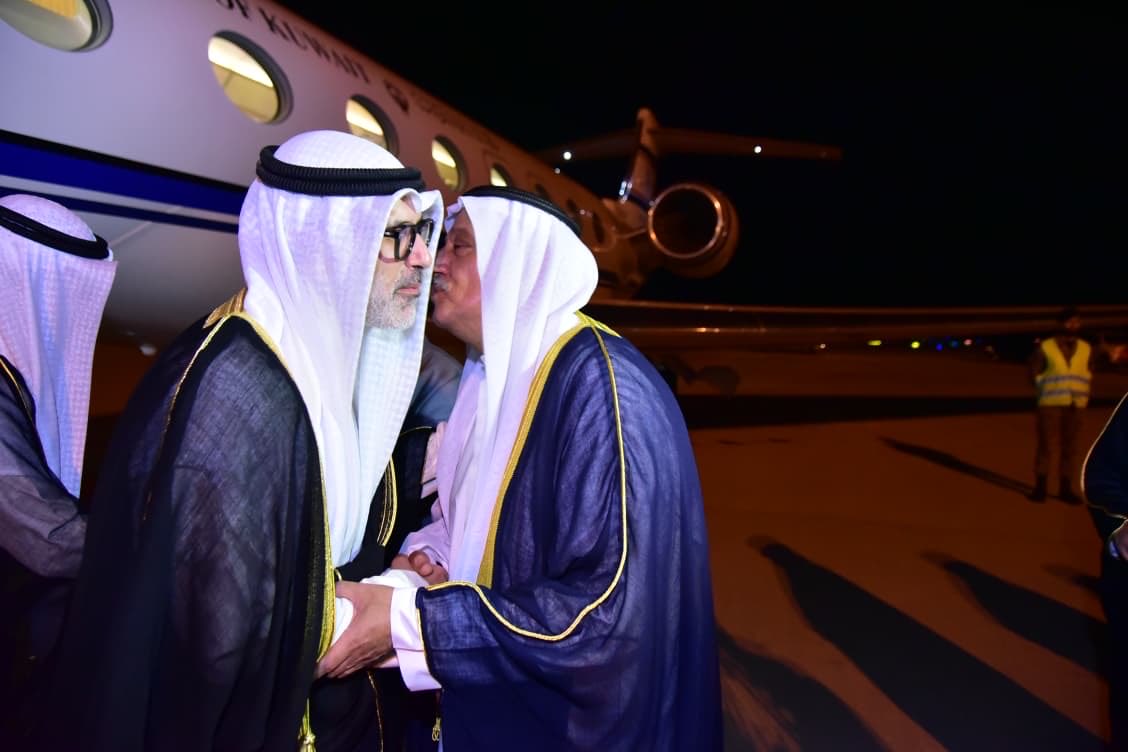
H.E. Sheikh Jarrah Jaber Al-Ahmad Al-Sabah, Minister of Foreign Affairs of the State of Kuwait, arrived in Islamabad today on an official visit at the invitation of Deputy Prime Minister and Foreign Minister Senator Mohammad Ishaq Dar @MIshaqDar50.
Upon arrival at Islamabad International Airport, the dignitary was received by Mr. Zahid Hussain, Additional Secretary (Middle East), Ministry of Foreign Affairs.
During the visit, the two sides will hold talks covering the full spectrum of bilateral relations and exchange views on regional and international issues of mutual interest. The visit reflects the longstanding brotherly relations between Pakistan and Kuwait, anchored in shared history, mutual trust and close cooperation.
She sits on the floor. Dressed in her signature ajrak. Her wild, dark curls framing a face that moves between intense focus and pure ecstasy.
She strikes the harmonium. Her voice breaks out like thunder.
And for the next two hours, thousands of people forget where they are.
Abida Parveen.
Born February 20, 1954 Larkana, Sindh, Pakistan.
She was born into a world of Sufi shrines and classical music. Trained by her father, Ustad Ghulam Haider,
A daughter choosen to carry forward father's musical lineage at a time when women were rarely permitted to sing Sufi devotional music in public spaces.
She was trained in the rigorous patiyala gharana style. But her true classroom was the shrines of Shah Abdul Latif Bhittai, Lal Shahbaz Qalandar, and Sachal Sarmast.
Her breakthrough came in the 1970s on Radio Pakistan. When she sang, it wasn't just music. It was a spiritual rupture.
In a world where Sufi music was traditionally dominated by male Qawwals, she stepped onto the stage alone and conquered it.
She sang of divine love. Of annihilation of the ego. Of the beauty of union with the Creator.
When the political landscape of Pakistan grew rigid in the 1980s under Zia-ul-Haq, her voice remained a sanctuary of tolerance, love, and pluralism. She refused to let the spiritual heart of the country be silenced.
She took Sufi music to the global stage. Performed at Carnegie Hall, the Royal Albert Hall, and festivals across Europe, Asia, and the Americas. Western media crowned her the "Queen of Sufi Music."
In 2010, while performing in Lahore, she suffered a severe heart attack on stage. Emergency surgery saved her life. Most musicians would have retired.
She rested, recovered, and returned to the stage with even greater intensity.
Pride of Performance, 1984. Sitara-e-Imtiaz, 2005. Nishan-e-Imtiaz, 2021.
She is not just a singer. She is an institution. A living shrine.
A woman who took the ancient poetry of mystics and made the whole world listen.
Abida Parveen.
Pakistan Zindabad. 🇵🇰
In the 1920s the living room of a family in Hyderabad Deccan hosted weekly gatherings of poets.
Iqbal. Faiz. Firaq. Majaz. Makhdoom.
A little girl sat in that room and listened.
Her name was Zehra Nigah.
Born May 14, 1935 in Hyderabad, India into a family that breathed literature. Her father a civil servant who wrote poetry. Her maternal grandfather who offered five rupees to any child who memorised Iqbal's Jawab-e-Shikwa correctly. Her sister Fatima Surayya Bajia who became one of Pakistan's greatest playwrights. Her brother Anwar Maqsood who became one of its greatest satirists. Her other sister Zubaida Tariq who became Pakistan's most beloved cooking expert.
One of the most literary family Pakistan ever produced.
And the most overlooked.
In 1947 they left Hyderabad. Left the living room where Faiz had sat. Left the city that had shaped every word she would ever write. Came to Karachi with nothing but their education and each other.
She was twelve years old.
She had been memorising poetry since she was ten.
At 14 she was composing her own.
At 15 she stood on a mushaira stage and recited.
This was almost unheard of. Mushairas in the 1950s were male spaces. Women were not expected to have the skill. Not expected to have the nerve. Not expected to take the microphone and hold an audience.
She held them.
For 70 years.
She wrote about love and separation and the compromises of being a woman in a world that was not built for women's voices. She wrote with grace not anger. With precision not performance. Her poetry was called progressive feminine rather than feminist. A distinction she embodied.
Her popularity at mushairas at times overshadowed even the eminent male poets sharing the stage with her.
Shaam Ka Pehla Tara. Waraq. Firaq. Gul-e-Chandni. Four collections of poetry. Television scripts including the celebrated serial inspired by Umrao Jaan Ada.
Pride of Performance Award 2006. Allama Iqbal Award. Kamal-e-Fun 2023 lifetime achievement from the Pakistan Academy of Letters.
She is 90 years old. Still immaculately dressed in cotton sarees. Still performing at mushairas. Still writing.
The little girl who listened to Faiz in her living room in Hyderabad.
Became the woman who outlasted every barrier that tried to keep her off that stage.
Zehra Nigah. Zehra Apa.
Pakistan Zindabad. 🇵🇰
I congratulate Spain on its well-deserved victory in the FIFA World Cup 2026. The Spanish national team displayed exceptional skill, unity, discipline, and teamwork throughout the tournament.
I extend my heartiest felicitations to President Donald Trump and the people of the United States, on the exceptional arrangements and successful hosting of this historic tournament. I also express my appreciation to the governments and peoples of Mexico and Canada for their excellent partnership in hosting the FIFA World Cup with such distinction.
I commend FIFA President Gianni Infantino and the entire FIFA team for their efforts in organizing this mega event, which will undoubtedly strengthen football’s stature as a truly global sport.
Once again, the FIFA World Cup has reminded us that sport is a universal language - one that transcends borders and inspires humanity. May this spirit of friendship and unity continue to guide us long after the final whistle.
@realDonaldTrump@MarkJCarney@Claudiashein@sanchezcastejon@FIFAWorldCup
Group photo of the 31 Founding Member States after the signing ceremony in Shanghai, China of the Agreement on the Establishment of The World Artificial Intelligence Cooperation Organisation.
When Ada Jafri walked into Urdu poetry in 1945 it was a world run entirely by men.
She stayed for 70 years.
And left it forever changed.
Ada Jafri. Born Aziz Jahan. August 22, 1924 in Badayun, British India. Father died when she was three. Raised by her mother in a society that told women to be invisible.
She started writing at 12. Under a pen name because publishing under a woman's name was considered bold.
She studied under two of the greatest Urdu poets of her era. Akhtar Sheerani and Jafar Ali Khan Asar Lakhnavi corrected her ghazals. She learned. She grew. She surpassed.
First ghazal published 1945. First collection Main Saaz Dhoondti Rahee published 1950. By that year she was already being called the First Lady of Urdu Poetry.
She moved to Karachi in 1947. Chose Pakistan. Built her life and her literary legacy here.
For the next 65 years she wrote in every form Urdu poetry offered. Ghazal. Nazm. Haiku. Five collections. An autobiography. Forty research papers. A voice that critics said carried the eternal colours of Ghalib, Iqbal and Jigar.
Ustad Amanat Ali Khan sang her ghazal Honton pe kabhi un ke and gave it to the whole world.
Outstanding Female Poet of the Century 1955. Adamjee Award 1967. Tamgha-e-Imtiaz 1981. Pride of Performance 2002. First female Kamal-e-Funn Award 2003.
She died March 12, 2015. At 90. Still celebrated. Still beloved.
She entered a world that had no space for her.
She built the space herself.
Ada Jafri.
Pakistan Zindabad. 🇵🇰
My voice: The Ministry of Education has announced 14 fully funded engineering and pharmacy seats for Nepali students under the Pakistan Technical Assistance Programme, with selection based on the IOE merit list. #ministryofeducationnepal@EduMinistryPK@PakinNepal@abrarhashmi88
بھارت نے پاکستان کے خلاف ایک ایٹمی جنگ کی تیاری شروع کر دی ہے بھارت نے اپنی سب میرینز پر 12 ایٹمی ہٹھیار نصب کر دئیے ہیں لیکن بھارت کسی غلط فہمی میں نہ رہے بھارت کی کسی بھی جارحیت کا پہلے سے زیادہ بھرپور انداز میں جواب دیا جائے گا
13 جولائی یوم شہداء کشمیر:
ڈوگرہ راج کی غلامی کے اندھیروں میں ڈوبی سر زمین کشمیر پہ 13 جولائی 1931 کو طلوع ہونے والا سورج اپنی شعاعوں کیساتھ، تحریک آزادی کشمیر کی لہو رنگ کرن بھی ساتھ لایا۔ 21 جون کو توہینِ قرآن کے واقعے کیخلاف سرینگر میں تاریخی احتجاجی مظاہرہ ہوا جس میں عبدلقدیر نامی نوجوان نے کشمیریوں کو غلامی کی زنجیریں توڑنے کی دعوت ان الفاظ میں دی:
”مسلمانو۔ اب وقت آ گیا ہے کہ اینٹ کا جواب پتھر سے دیا جائے، یادداشتوں اور گزارشوں سے ظلم و ستم میں کوئی فرق نہیں آئے گا اور نہ ہی توہین قرآن کا مسئلہ حل ہو گا ۔تم اپنے پاؤں پر کھڑے ہو جاؤ اور ظلم کے خلاف ڈٹ جاؤ ۔" راج محل کی طرف اشارہ کرتے ہوئے کہا " اس محل کی اینٹ سے اینٹ بجا دو۔“
جلسے کے بعد عبدلقدیر نامی نوجوان کو بغاوت کے مقدمے میں گرفتار کر لیا گیا، ڈوگرہ راج کے مظالم سے تنگ کشمیری فیصلہ کر چکے تھے کہ اب وہ بے بسی کی تصویر بننے کے بجائے طوق غلامی اتار پھینکیں گے، لہذا 13 جولائی 1931 کو جذبہ آزادی سے سرشار کشمیری عبدلقدیر کے مقدمہ بغاوت کی کارروائی سننے کے لیے سینٹرل جیل سرینگر کے احاطے میں جمع ہو گئے، جوں ہی سیشن جج پنڈت کرشن لال کچلو جیل کے دروازے پر پہنچا تو بہت سے لوگ اس کی گاڑی کیساتھ جیل میں داخل ہو گئے، جج کی ہدایت اور عبدلقدیر کے وکیل مولوی عبداللہ کے کہنے پر لوگ جیل کے احاطے سے نکل صدر دروازے کے باہر جمع ہو گئے اور عدالتی کارروائی کا انتظار کرنے لگے ۔استغاثہ کا بیان ختم ہو چکا، اب ملزم کا بیان ہونا تھا،اسی دوران ایک مسلمان نے جیل سے کافی فاصلے پر ایک دیوار پہ چڑھ کر ظہر کی اذان دینا شروع کر دی ۔ ڈسٹرکٹ مجسٹریٹ مسٹر ترلوک چند نے آتے ہی ڈیوڑھی کے اوپر کھڑکی سے ہی تحریری حکم لکھ کر نیچے پھینک دیا ، جس پہ پولیس نے شدید فائرنگ کر دی، اذان دینے والا پہلا فرد شہید ہوتا تو اس کی جگہ دوسرا بندہ اذان شروع کر دیتا ۔ 17 افراد موقع پر شہید ہو گئے اور 5 افراد بعد میں جامع مسجد میں شہید ہوئے ۔مظلومین نے ایک شہید کے کرتے کا پرچم بنایا، شہداء کے جنازے اٹھا کر شہر کی طرف روانہ ہو گئے ۔درگاہ نقشبندی کے احاطے میں شہدا کو دفن کیا گیا ۔شہر کو فوج کے حوالے کر دیا گیا، اس کے باوجود 19 دن تک ہڑتال رہی ۔چوہدری غلام عباس، شیخ عبداللہ، سردار گوہر رحمان، مستری یعقوب علی، مولوی عبدالرحیم اور خواجہ غلام نبی گلکار سمیت سرکردہ رہنماؤں کو گرفتار کر لیا گیا
13 جولائی 1931 اذان دیتے ہوئے ان 22 شہدا کے نام درجذیل ہیں ۔( ایک دو نام کسی اور حوالے میں مختلف ہیں۔)
1: غلام محمد حلوائی عمر 25 سال،جامع مسجد۔
2: عبدالخالق شورہ 33 سال وازہ پورہ
3: غلام نبی کلوال 27 سال،پاندان
4: غلام صوفی محمد20 سال،دھری بل
5: غلام قادر بٹ 22 سال، محلہ بہان دین
6: محمد رمضان 19 سال، خانیار
7: محمد عثمان 20 سال،کلاشپورہ
8: غلام محمد نقشبندی 22 سال،کانی کدل
9: غلام رسول درزی 23 سال، احمدا کدل
10: امیر جو 27 سال، گوجوارہ
11: عبدالاحد 23 سال،گاؤ کدل
12: غلام احمد قال باف 32 سال، فتح کدل
13: امیر جومکائی 35 سال نوا کدل
14: شعبان جومکائی 60 سال، نوا کدل
15: سبحان خان 22 سال، نواب بازار
16: عبدلخالق 30 سال،واتل کدل
17: محمد اکبر33 سال،ذال دگر
18: عبدالقادر 26 سال، بہاؤالدین
19: غلام رسول ڈورا 27 سال گوٹا پورہ
20: احمد راتھر 30 سال، نوشادرہ
21: احمد ڈار 30 سال نوشادرہ
22: ولی رانی 50 سال بٹہ پورہ ۔۔۔۔
13 جولائی کے ان 22 شہداء کے عزم وہمت، اور جرآت و اسقلال کی گواہی اس وقت کے ریاستی وزیراعظم مسٹر ویکفیلڈ نے شہیدوں کا معائنہ کرنے کے بعد یوں دی،
" ان جوانوں کی بہادری پر مجھے حیرت ہوئی ہے ۔گولیاں سب نے سینوں پر کھائی ہیں ۔پشت پر کسی آدمی نے بھی گولی نہیں کھائی ۔"
پنڈت پریم ناتھ بزاز اپنی تصنیف inside kashmir میں لکھتے ہیں ۔(ترجمہ)
" 13. جولائی کا واقعہ سیاسی اور تاریخی اعتبار سے تاریخ کشمیر کا عظیم ترین سانحہ ہے۔تنگ نظر اور فرقہ پرست ہندؤؤں نے اس کی اہمیت کو کم کرنے کی کوشش کی ہے، مگر اس مظاہرے کا پس منظر ثابت کرتا ہے کہ اس عوامی شورش کی تہہ میں جو جذبہ کام کر رہا تھا، وہ آزادی کی تڑپ اور ڈوگرہ سامراج کے خلاف نفرت تھی ۔لہذا ہجوم نے جیل پر شورش کی ۔اسے ہندؤؤں پر حملہ ہر گز قرار نہیں دیا جا سکتا ۔مظاہرین اگرچہ سارے کے سارے مسلمان تھے، مگر اس کی روح سراسر غیر فرقہ وارانہ تھی ۔یہ مظاہرہ ظالم کیخلاف مظلوم کا اعلان جنگ تھا اور زیر اسبتداد کا جابرو غاصب کے خلاف نعرہ بغاوت تھا ۔"
1/2
Secretary General of SAARC, H.E. Md. Golam Sarwar, called on Deputy Prime Minister/Foreign Minister Senator Mohammad Ishaq Dar @MIshaqDar50 at the Ministry of Foreign Affairs in Islamabad today.
DPM/FM commended the Secretary General’s efforts to promote regional cooperation and reaffirmed Pakistan’s steadfast commitment to the SAARC process. He underscored the need for a revitalized SAARC, guided by the principles of its Charter, to advance regional connectivity, sustainable development, and the collective well-being of the peoples of South Asia. He highlighted the region’s immense demographic and economic potential.
The Secretary General expressed appreciation for Pakistan’s consistent support for SAARC and its institutions. He thanked DPM/FM for Pakistan’s constructive role in promoting regional and global peace.
DPM/FM wished the Secretary General success towards the conclusion of his tenure and conveyed his best wishes for his future endeavors.
After over three years proudly representing Pakistan as Ambassador to Nepal, it’s time to pack up.
During my tenure, I worked to strengthen the enduring friendship between our two nations - engaging all three tiers of government, institutions, MPs, academia, business leaders, media, youth, women’s groups, fellow diplomats, and civil society to build closer cooperation. Our collaborations in education, culture, tourism, climate action, art and sports flourished.
My heartfelt thanks to Nepal’s leadership, friends, and interlocutors and to every Nepali who opened their homes, offices, farms, and studios to us with such warmth and hospitality. I also thank my wife, Samiya, and the amazing team at @PakinNepal for their wholehearted support.
I wish Nepal the very best ahead, and look forward to this journey of cooperation continuing with my successor.
Enjoy a short video capturing this tenure. @ForeignOfficePk@MofaNepal@PkPublicDiplo
Feri Bhetaula Khuda Hafiz! 🇵🇰🇳🇵
Full Address | Prof. Ahsan Iqbal at Rice University, Houston
During his visit to Rice University, Federal Minister Prof. Ahsan Iqbal engaged with Pakistani students and shared the Government's vision for building a knowledge-driven, innovation-led and globally competitive Pakistan.
In his address, the Minister highlighted Pakistan's economic turnaround, the long-term transformation agenda under Uraan Pakistan, the revival of the Pakistan–U.S. Knowledge Corridor, and the critical role of youth in winning the Maarka-e-Maeeshat.
He emphasized that Pakistan's future lies in investing in education, science, technology, research and innovation, calling upon overseas Pakistanis to become partners in the country's journey towards sustainable economic prosperity.
Watch the Minister's complete address here!
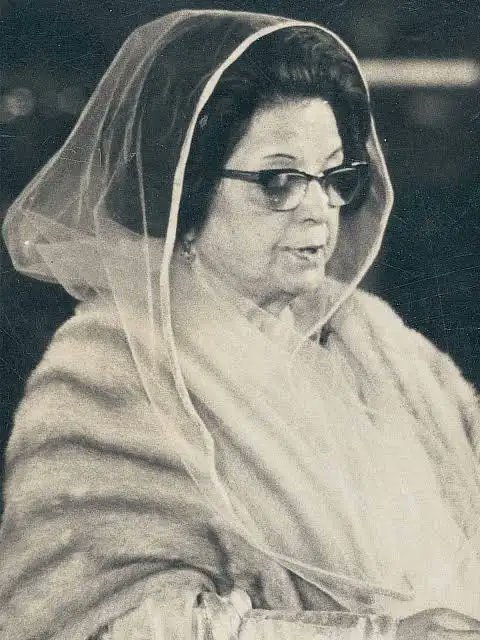
She was not born Muslim.
She was not born Pakistani.
She chose both. And gave everything to both.
Begum Ra'ana Liaquat Ali Khan. Born Irene Ruth Margaret Pant. 1905. Almora, India. Raised in a Christian Brahmin family. Educated at the University of Lucknow. Double MSc in Economics. Professor of Economics in Delhi.
In 1932 she converted to Islam and married Liaquat Ali Khan. Her family was uncomfortable. She was resolute.
She became Economic Adviser to Jinnah's Pakistan Movement Committee. Mobilised her own students to boycott the Simon Commission. Travelled to London in 1937 to bring Jinnah back to India. Historians say that mission changed the course of the movement.
1942. Jinnah told her to train Pakistan's women.
She organised the first Muslim women's volunteer medical corps in Delhi.
1947. Pakistan was born. Ra'ana drove trucks to refugee camps and distributed food with her own hands. Florence Nightingale of the camps. Founder of the Women's National Guard. Brigadier. Founder of the Women's Naval Reserve. Founder of All Pakistan Women's Association.
1951. Her husband was shot dead on a public stage in Rawalpindi.
She never stopped.
First Muslim woman delegate to the United Nations 1952. First Pakistani female ambassador 1954. First female Governor of a Pakistani province 1973. Fought Zia's discriminatory laws against women in her seventies.
UN Human Rights Award 1978.
Died 1990. Beside her husband. Near the Quaid.
She chose Pakistan before Pakistan existed.
Pakistan chose to call her its mother.
Mader-e-Pakistan.
Begum Ra'ana Liaquat Ali Khan.
Pakistan Zindabad. 🇵🇰
Highly grateful to @ICIMODDG Pema Gytmsho and entire team for this very warm farewell. It was a highly enriching and valuable experience working together on ecology of HKH broadly and Pakistan in particular. With scientific research, diplomacy and collab within and beyond the region, @icimod is making the lives of the communities better. @ForeignOfficePk@ClimateChangePK