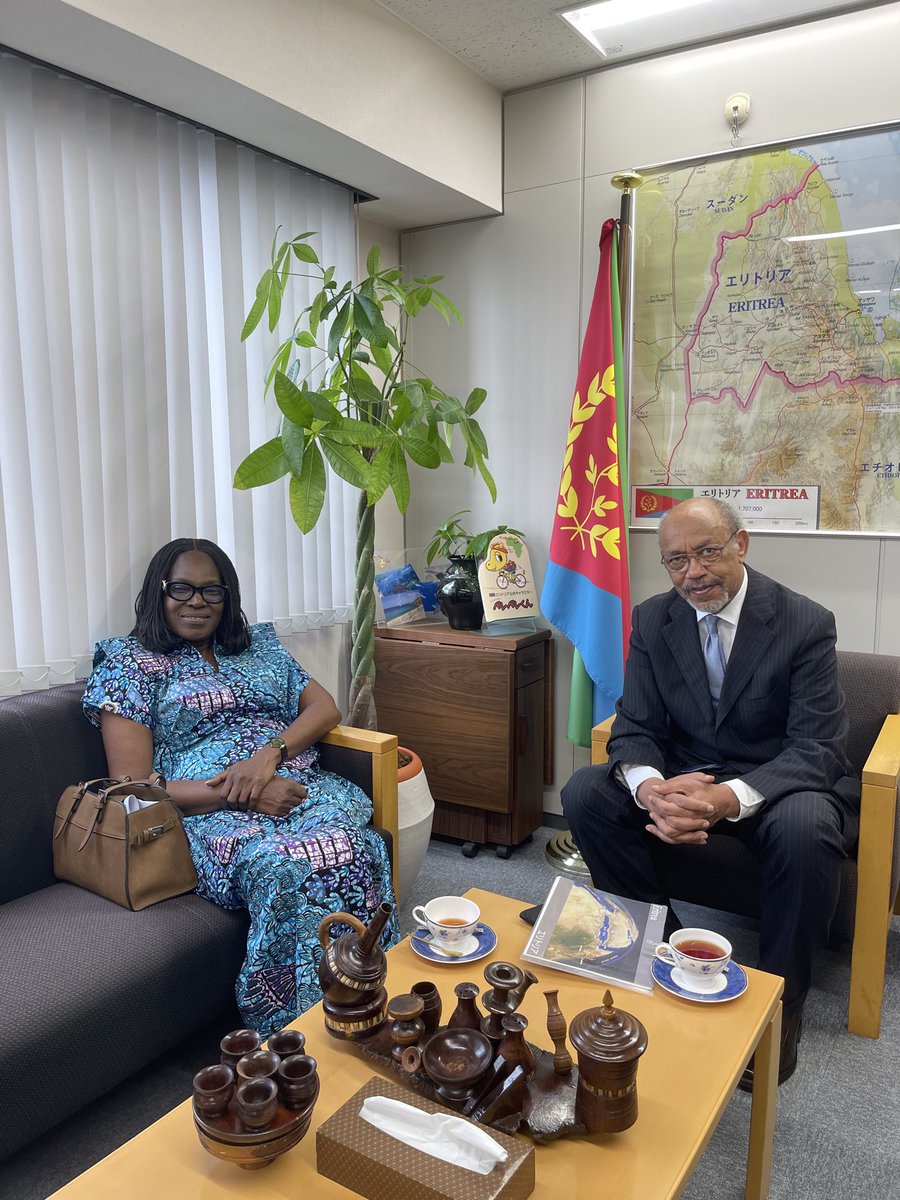
Ambassador of the Federal Republic of #Nigeria to Japan H.E. Mrs Olumulu Oluwayimika Ayotunwa paid a courtesy vist to our Embassy today. It was an opportunity for me to welcome Her Excellency to Tokyo and to exchange experience, ideas and opinions on our mutual common continued efforts to enhance and develop our relations with Japan. エリトリア #Eritrea
The Eritrean community in Kenya hosted a warm dinner reception in Nairobi for the Eritrean national team ahead of Saturday’s AFCON qualifier against Kenya at Nyayo Stadium.
Community members, and supporters gathered to celebrate the ‘Red Sea Camels’ return to competitive international football and to wish them well as they take on the Harambee Stars on 26 September.
Community members expressed pride in the young squad and pledged full backing from the stands. The evening underscored the strong bond between the diaspora and the team as Eritrea prepares for a historic group-stage campaign.
📷 Mabel Girmay
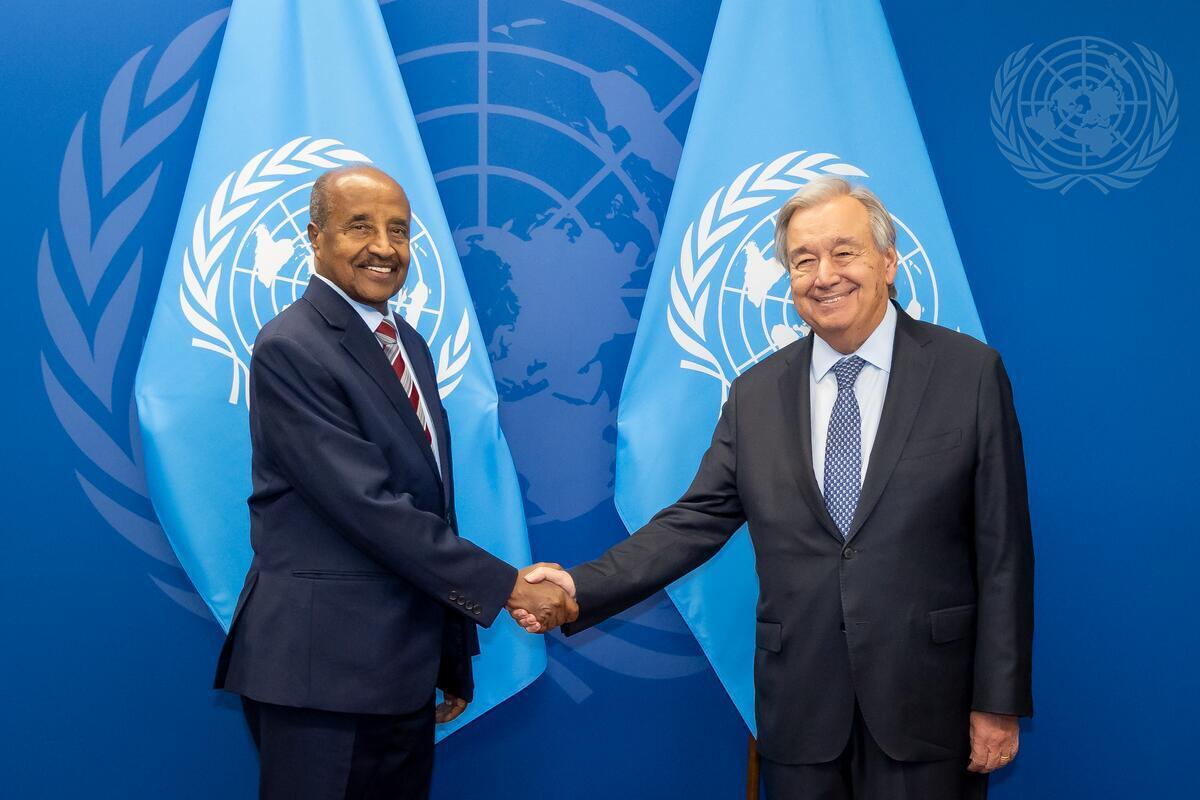
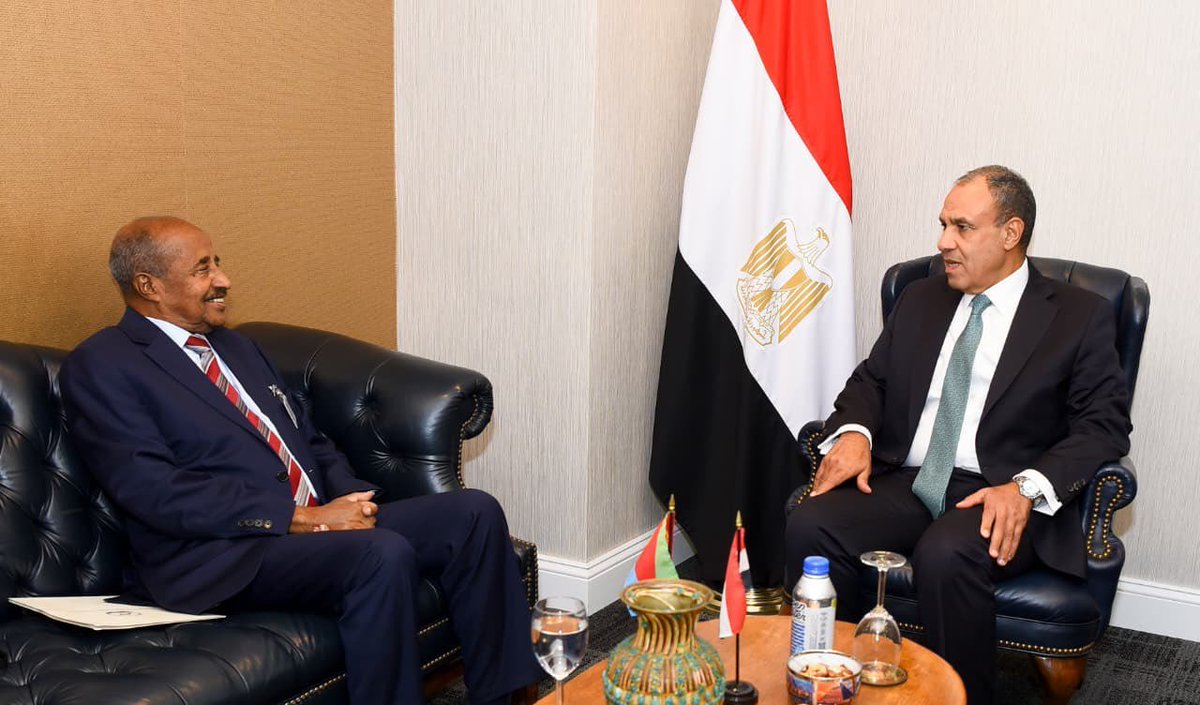
NEW YORK — Egyptian Foreign Minister Dr. Badr Abdelatty met with his Eritrean counterpart, H.E. Osman Saleh, on the sidelines of the 81st session of the United Nations General Assembly (UNGA 81).
Following the meeting, Dr. Abdelatty said it was a pleasure to meet with #Eritrea’s Foreign Minister, noting that they discussed bilateral relations and a number of regional issues of mutual interest.
#Eritrea's delegation, led by Foreign Minister Osman Saleh, is participating in the 81st UN General Assembly Debate. The delegation will conduct, throughout the Session, a series of crucial bilateral and high-level meetings reflecting Eritrea's steadfast commitment to the principles of the UN Charter & international law, inclusive and equitable multilateralism, and a just world order.
In this vein, FM Osman Saleh met yesterday UN Secretary-General Antonio Guterres for extensive discussions on vital regional and global matters. The Foreign Minister conveyed Eritrea's appreciation for the SG's services to the Organization and for his constructive engagement with Eritrea.
FM Osman further underlined the enduring importance of the UN Charter and the foundational pillars that it espouses - i.e. sovereign equality, territorial integrity, political independence, non-interference and the peaceful settlement of disputes.
FM Osman elucidated Eritrea's position on the Sudan that is anchored on support to a united, sovereign and stable Sudan; and a Sudanese-owned, inclusive political process supported by regional and international mechanisms.
On the wider region and especially in regard to the security of the Red Sea and Bab-al Mandab, FM Osman stressed Eritrea's support for safe maritime navigation and international cooperation, while respecting the sovereignty and legitimate interests of the littoral States. FM Osman also dwelt on provocative acts of Ethiopia's Prosperity Party towards its neighbours in flagrant breach of the foundational principles of the UN Charter and international law.
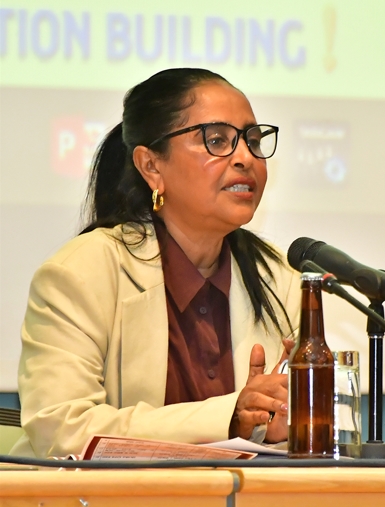
As it will be recalled, Eritrea was elected as one of the Vice-Presidents of the 81st Session of the UN General Assembly. In this respect, Ambassador Sophia Tesfamariam presided over the evening plenary debate, during the opening day of UNGA81, on behalf of Eritrea and in her capacity as VPGA.
As there are similarities between #Eritrea and #Ethiopia, there are also deep cultural differences. One revealing example is the way military history and military achievements are portrayed.
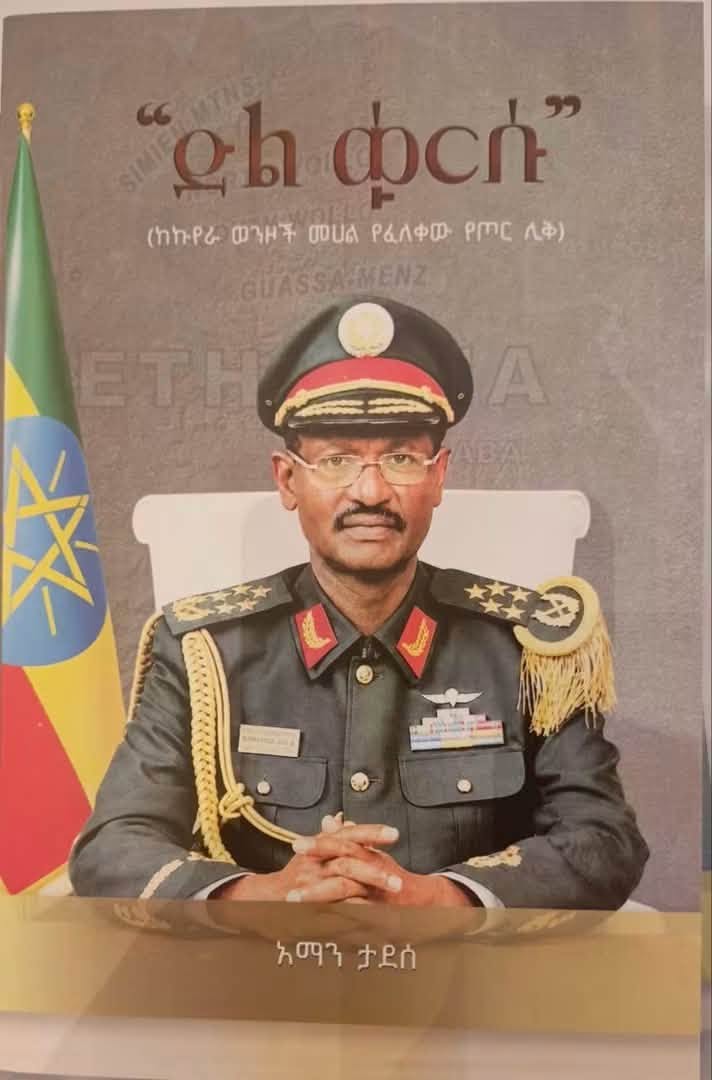
A few days ago, Ethiopia’s Chief of the Military, Field Marshal Berhanu Jula, a former POW, published a biography whose title literally translates as “Victory for His Breakfast”—suggesting that he is so accustomed to victory that he has it for breakfast every day. The tagline describes him as a “Military Genius.”
Eritrea, on the other hand, has military generals and commanders who led battles against one of the largest armies Africa had ever seen, an army backed by bottomless Soviet arsenal, as well as intelligence and financial support from several Western countries.
Yet you will never find an #Eritrean general or military leader publishing a book with anything resembling “Victory for His Breakfast.” Eritrean culture does not lend itself to this kind of vulgar display of personal self-promotion.
If you asked them why, their answer would be something along these lines:
History is important and must be handled with care. When we write about particular battles, military operations and campaigns, we must do everything possible to reflect what actually happened. Most importantly, we should never make it appear that a victory was the work of one person—or even a handful of people.
However important the role of military leaders may be, no battle can be won without the participation, sacrifice and contribution of every individual who took part in it.
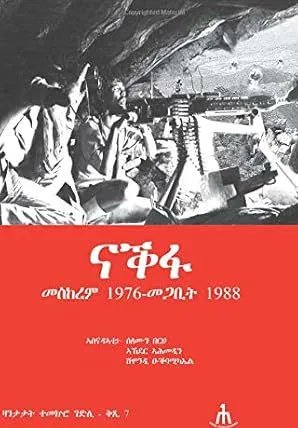
That is why Eritrea has published books documenting particular aspects of its struggle and military campaigns, such as Nakfa, written collectively with the involvement of editors, contributors and historians.
In Eritrea, history is treated with care and collective responsibility, while in #Ethiopia it is 3000 years of “Victory for Breakfast.”
Eritrea’s First Finish at the World Championships
SPAIN ― Kesete Habtesion, a Japan-based athlete registered with the Japan Skyrunning Association (JSA), became the first athlete to represent #Eritrea at the Skyrunning World Championships.
In fact, over the past month, Kesete had been unable to train as planned due to an injury.
Even so ...
He stood on the world stage, ran all the way to the finish, and crossed the finish line.
This was a major challenge that cannot be measured by results alone.
It was a memorable finish that will be etched into the history of skyrunning in Eritrea. 🇪🇷⛰️
After the race, we asked Kesete how he is feeling: 👇
(Source: 日本スカイランニング協会 // Japan Skyrunning Association)RT @JAPANinERITREA
#Skyrunning #SkyRunningWorldChampionships #Eritrea #エリトリア
Eritrean Information Minister speaks of a new chapter of cooperation with Washington.
He told Asharq Al-Awsat. #Eritrea has always been consistent and transparent, based on building bilateral and multilateral relations of equal and mutually beneficial.”
https://t.co/uqa8LK29mj
ዕዙዝ ዝኽሪ፡ ንሓድሸ ወፍሪ ህንጸት ሃገር!
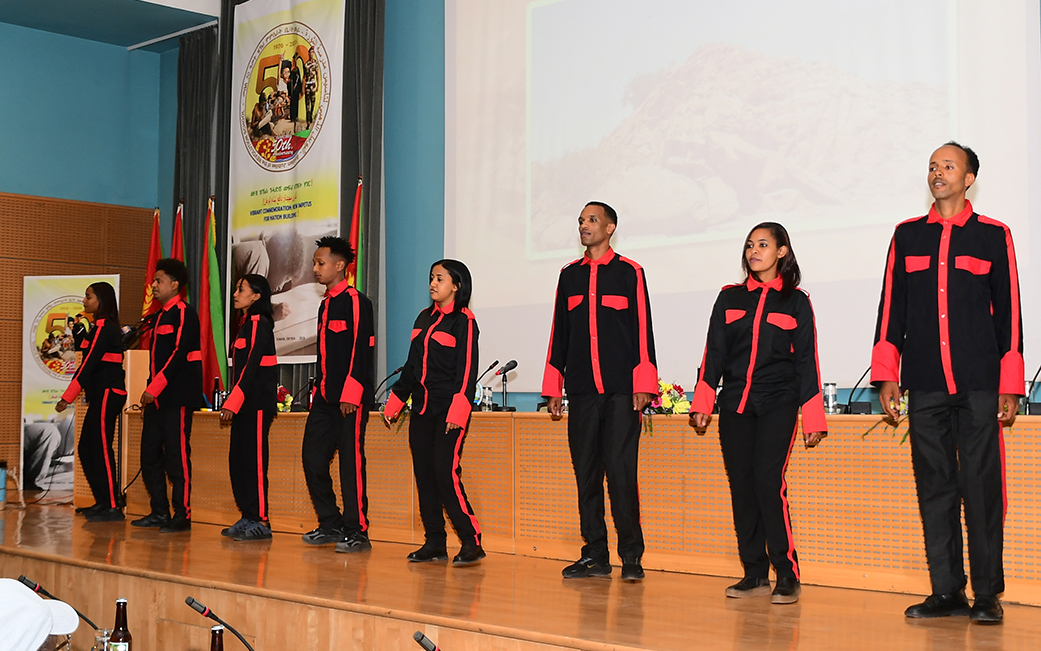
VIBRANT COMMEMORATION: NEW IMPETUS FOR NATION BUILDING!
ذكرى مجيدة دافع لبناء الوطن !
1976 -2026
President Isaias Afwerki — Golden Jubilee Keynote
At the 50th anniversary of Bet-Temsiherti Sewra, President Isaias Afwerki reflects on the Revolutionary School’s place in Eritrea’s history — where education, discipline, sacrifice, and national consciousness were cultivated alongside the struggle for independence.
From the Sahel in 1976 to the Eritrea of today, the school stands as a testament to the belief that building people is the foundation of building a nation.
#Eritrea #BetTemsihertiSewra #RevolutionarySchool #GoldenJubilee #EritreanHistory
𝐄𝐭𝐡𝐢𝐨𝐩𝐢𝐚'𝐬 𝐀𝐫𝐦𝐞𝐝 𝐎𝐩𝐩𝐨𝐬𝐢𝐭𝐢𝐨𝐧 𝐆𝐫𝐨𝐮𝐩𝐬 𝐔𝐧𝐢𝐭𝐞 𝐢𝐧 𝐂𝐡𝐚𝐥𝐥𝐞𝐧𝐠𝐞 𝐭𝐨 𝐀𝐛𝐢𝐲 𝐀𝐡𝐦𝐞𝐝
ETHIOPIA ― Seven armed and political groups opposing PM Abiy Ahmed's government in different parts of Ethiopia have announced a new military alliance aimed at removing him from power and preventing the country from descending further into chaos.
The coalition, called "Ethiopian Peoples' Forces Alliance for Survival" or the "Alliance for Survival (AFS)" in short, brings together the Fano militia in Amhara, the Oromo Liberation Army (OLA), and the Tigray forces alongside the Ogaden National Liberation Front (ONLF), Afar Revolutionary Democratic Unity Front (Uguugumo), Benishangul People's Liberation Movement, and the Gumuz People's Democratic Movement.
Soon after coming to power in 2018, Abiy's government has closed avenues for peaceful political struggle and contributed to the expansion of armed conflicts across the country. The Tigray war was followed by active conflicts in Amhara and Oromia regions.
Initially, most of these armed movements have agreed to abandon armed struggle and pursue politics peacefully inside Ethiopia. However, the failure to fully implement the "Asmara Agreement" was led to the return of Oromo and Ogaden based movements to armed resistance.
Abiy's military victory in Tigray, achieved with support from Amhara and Eritrean forces, appears to have reinforced his government's reliance on military solutions. Its subsequent decision to disarm Amhara forces was expected to take weeks but has instead developed into a prolonged conflict, further deepening Ethiopia's political and security crisis.
Beyond Ethiopia's internal conflicts, Abiy's regional ambitions, including his push for access to a Red Sea port and Ethiopia's involvement in wider regional tensions, have added another layer of complexity.
The latest alliance reflects the cumulative result of these political and military miscalculations. Groups that previously fought the government separately have now identified a common threat and concluded that cooperation is necessary to prevent further deterioration.
The alliance, however, faces serious internal challenges. Fano remains divided among competing factions, while historical mistrust between Amhara, Oromo and Tigrayan forces could make sustained cooperation difficult. Tigray itself is also less politically and militarily cohesive than it was a couple of years ago, with internal divisions and defections weakening its forces.
Despite these differences, the groups appear to have reached a pragmatic conclusion: continued fragmentation could allow the country's political, economic and security crises to deepen, while coordinated action offers them a greater opportunity to challenge the government.
𝐄𝐫𝐢𝐭𝐫𝐞𝐚𝐧 𝐈𝐧𝐟𝐨𝐫𝐦𝐚𝐭𝐢𝐨𝐧 𝐌𝐢𝐧𝐢𝐬𝐭𝐞𝐫 𝐒𝐩𝐞𝐚𝐤𝐬 𝐨𝐟 𝐚 𝐍𝐞𝐰 𝐂𝐡𝐚𝐩𝐭𝐞𝐫 𝐨𝐟 𝐂𝐨𝐨𝐩𝐞𝐫𝐚𝐭𝐢𝐨𝐧 𝐰𝐢𝐭𝐡 𝐖𝐚𝐬𝐡𝐢𝐧𝐠𝐭𝐨𝐧 *
ERITREA ― Minister of Information Yemane Gebremeskel welcomed the United States’ decision to lift sanctions on his country, describing the move as reflecting “a record of constructive political goodwill” and saying it could pave the way for a new chapter in bilateral cooperation, particularly in investment and trade.
In comments to 𝐴𝑠ℎ𝑎𝑟𝑞 𝐴𝑙-𝐴𝑤𝑠𝑎𝑡, the minister said the lifting of the sanctions, which had caused significant economic damage to his country, sends an important message to the international community.
A few days ago, the United States ended sanctions imposed on Eritrea under a program linked to the crisis in Ethiopia, citing Eritrea’s military role in the war that erupted in Ethiopia’s Tigray region and ended with a peace agreement in 2022. Washington said the termination of the emergency reflected changed circumstances underlying the measures.
The US Treasury Department announced that the national emergency concerning the situation in Ethiopia, established under an executive order issued in September 2021, had ended. As a result, entities and individuals designated under that order were removed from the US sanctions list. These included the People’s Front for Democracy and Justice, Eritrea’s ruling party; the Eritrean Defense Forces; Red Sea Trading Corporation; and several Eritrean officials.
“𝐑𝐞𝐬𝐭𝐨𝐫𝐢𝐧𝐠 𝐋𝐨𝐬𝐭 𝐎𝐩𝐩𝐨𝐫𝐭𝐮𝐧𝐢𝐭𝐢𝐞𝐬”
In his comments to 𝐴𝑠ℎ𝑎𝑟𝑞 𝐴𝑙-𝐴𝑤𝑠𝑎𝑡, the minister stressed that the sanctions being lifted “were not justified by any standards in the first place and caused significant economic damage.”
He added: “Their removal sends an important message to the international community by eliminating a political bias that was not conducive to investment and broader engagement.”
He said the specific scope of cooperation in the coming period would be determined through appropriate channels and platforms, with a focus on investment and trade.
Regarding the role of 𝐌𝐚𝐬𝐬𝐚𝐝 𝐁𝐨𝐮𝐥𝐨𝐬, the US president’s senior adviser for Arab and African affairs, he said Boulos met with Eritrean Foreign Minister Osman Saleh on the sidelines of his recent visit to Cairo.
He explained that the previous meetings had been “preliminary discussions aimed at laying the groundwork for broader talks at appropriate levels on comprehensive bilateral cooperation, with a focus on investment and trade,” expressing hope that the lifting of sanctions would accelerate these contacts.
Regarding the immediate implications of lifting the sanctions, he said the move opens “prospects for restoring lost opportunities and moving forward rapidly.” He noted that Eritrea has advantages in multiple sectors and is open to investment in areas of mutual benefit, supported by “a developed legal and administrative infrastructure.”
He emphasized that “Eritrea’s international partnerships have always been based on sustainable ties that enhance mutual and equitable benefits, while avoiding imbalanced advantages or structural dependency. These principles have become norms governing bilateral and multilateral cooperation.”
𝐑𝐞𝐥𝐚𝐭𝐢𝐨𝐧𝐬 𝐰𝐢𝐭𝐡 𝐄𝐠𝐲𝐩𝐭
Regarding relations with Egypt, he said: “Cooperation with Egypt has developed rapidly over the past decade, not only because of history and geography, but also because the two countries are located in a vital strategic region, particularly along the Red Sea maritime route, and share similar views on mechanisms for cooperation among coastal states to enhance the security of this waterway.”
He added: “Eritrea, Egypt, and other like-minded countries in the Horn of Africa and Red Sea region have moved beyond slogans toward mechanisms for joint action to strengthen regional security and stability.”
He stressed that “the principles of the Council of Arab and African Coastal States of the Red Sea and Gulf of Aden remain a key platform for multilateral cooperation, alongside convergence in positions on resolving the conflict in Sudan and the situation in Somalia.”
Regarding Eritrea’s foreign-policy priorities in the coming period, he said his country’s policy “has always been consistent and transparent, based on building bilateral and multilateral relations through frameworks of equal and mutually beneficial cooperation.”
He rejected describing Eritrea as “isolationist,” calling it “a false and malicious concept promoted by its critics,” and said it contradicts the country’s strategic geographic position, economic potential, and government policies.
He said: “Asmara will seriously seek to capitalize on the new diplomatic openings to advance its core national interests.”
(* 𝑆𝑜𝑓𝑡𝑤𝑎𝑟𝑒 𝑡𝑟𝑎𝑛𝑠𝑙𝑎𝑡𝑖𝑜𝑛 𝑓𝑟𝑜𝑚 𝐴𝑟𝑎𝑏𝑖𝑐)
Credit: @khaledmahmoued1 𝑜𝑓 @aawsat_News
You don’t have to be Eritrean to stand proudly behind Eritrea. 🇪🇷🚴♂️ When Bini rides, the flag flies, the world watches, and millions cheer. Respect the rider. Respect the flag. Respect #Eritrea.
I am following this account because I stumbled in this video reportage about #Eritrea, which is the closest to reality I have seen by an #African Media. I think people and especially #Africans should follow this type of accounts...