From Asmara’s Architecture to the Red Sea: UN Tourism’s Elcia Grandcourt on Eritrea’s Emerging Destination Potential
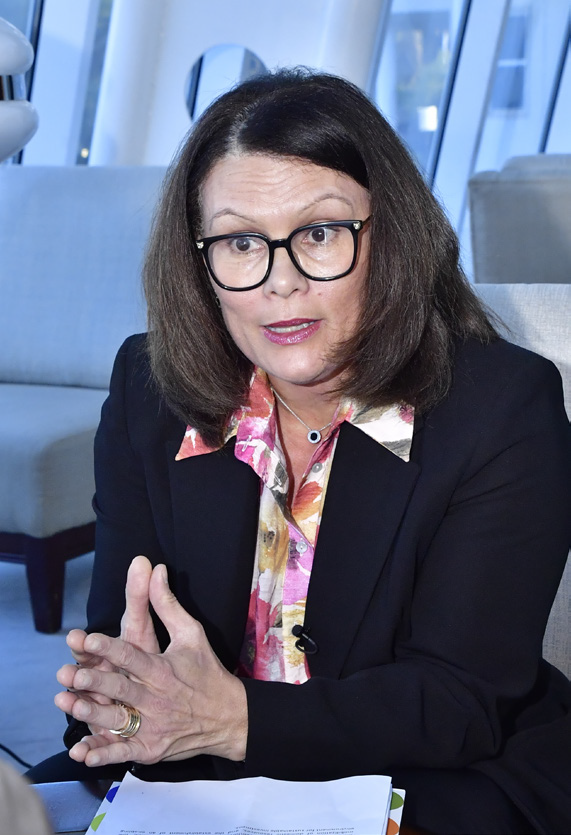
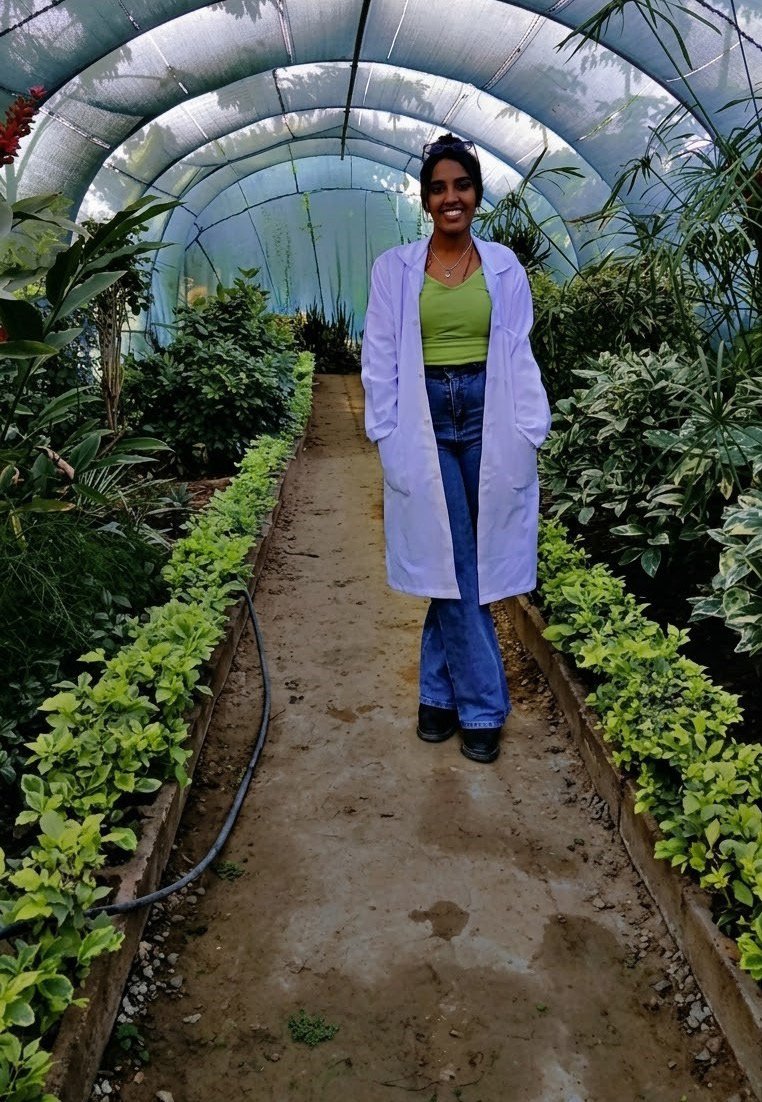
Our guest today is Ms. Elcia Grandcourt, Regional Director for Africa at UN Tourism. She visited Eritrea this week, at a time when tourism cooperation is being explored as a key avenue for deepening engagement between the country and the United Nations system. During her visit, she met with Eritrean ministers, senior officials, and UN staff on the ground to discuss priorities for tourism development and areas for future collaboration. Upon concluding her visit, she sat down with Eri-TV’s Rafael Gusieppe for an interview. Below are excerpts from the interview, compiled by Sabrina Solomon.
-Ms. Grandcourt, this is your first visit to Eritrea. In your capacity as Regional Director for Africa, what are your initial impressions of the country’s tourism potential, particularly given its UNESCO-listed capital, Red Sea coastline, and diverse landscapes?
Thank you for inviting me onto this platform. For me, Eritrea is a country with considerable tourism potential. I have been here for two days, and just within the first 24 hours, I had the opportunity to experience the rich mix of architectural designs in the city. I have also been impressed by Asmara’s cleanliness. Above all, however, it was the warmth of the people and their genuine hospitality—you can feel that they are very welcoming, always with a smile on their face.
Beyond that, we also see strong potential for Eritrea to be positioned as an emerging destination. More and more travelers are looking for new places to explore, and Eritrea is well-placed to meet that demand. Asmara’s architecture, the Red Sea coastline—which I have heard much about, though unfortunately we did not have the opportunity to visit it on this occasion—and the country’s diverse landscapes all provide opportunities to develop complementary cultural and coastal tourism products.
-Eritrea has identified tourism as a sector with significant untapped potential in its engagement with UN agencies. From UN Tourism’s perspective, what are the most immediate steps needed to translate this potential into tangible arrivals and investments?
From UN Tourism’s perspective, the starting point is to build on the government’s vision and national development priorities, particularly human capital development—an area echoed throughout our discussions with the authorities. Immediate actions could include conducting a sector-wide needs assessment and establishing a tailored vocational training program to bolster the broader human resources strategy. This would serve as a practical intervention in areas such as tour guiding, hospitality, and foundational tourism management.
This framework should also integrate “train-the-trainer” methodologies to systematically build and expand local expertise. Implementation should proceed incrementally, prioritizing and reinforcing national capacities, mobilizing domestic resources, and establishing an enabling environment that supports sustainable tourism investment. For us, it is about transferring knowledge while building the capacity to continuously expand that expertise across the country.
-You met with Eritrea’s ministers and other officials during your visit. What were the key priorities and concerns they raised regarding tourism development, and how does UN Tourism plan to support them?
With all the ministers we met over these two days, discussions emphasized the country’s strong potential for tourism development. Equally notable was their recognition of the need to create the enabling environment I mentioned earlier—which, of course, includes infrastructure development and transportation mobility around the country, as all these building blocks must come together to move the sector forward.
Once again, I would emphasize the human capital element, because tourism is a people-centered sector. We place a strong focus on skills development so that wider local communities also benefit, ensuring that tourism activities translate into tangible economic gains. UN Tourism is committed to aligning its support with the government’s vision and priorities through the Ministry of Tourism, engaging in a cooperation framework focused on strengthening capacity building and the expertise needed to develop the sector.
-UN Tourism has been active across Africa in areas such as tourism statistics, digitalization, skills training, and branding. Which of these areas do you see as most relevant for Eritrea at its current stage of development?
All of them are relevant, though in Eritrea’s case, the government has placed strong emphasis on human capital development. I believe this is key, because developing national expertise and professional skills is essential to building a tourism sector sustained by domestic capacity. At the same time, tourism statistics and data are equally vital; having robust, accurate data enables the government to make evidence-based decisions for planning, development, and investment. Eritrea also has a clear opportunity to brand and position itself as an emerging destination for travelers seeking unique experiences.
Importantly, we also learned during our two days here that Eritrea’s agricultural potential is enormous. We were pleasantly surprised to learn about the country’s strong focus on organic fertilizers. Locally produced organic goods, if packaged appropriately, can become strong export products in their own right, which further enhances Eritrea’s positioning as a destination. Because tourism is a highly transversal sector, this can also support the development of agro-tourism and create stronger links between tourism and local production. The potential is there—we simply need the right framework, aligned with the leadership’s priorities, to move it forward.
-You also met with UN staff in Eritrea during your visit. How does UN Tourism coordinate with other UN agencies on the ground to ensure tourism interventions align with broader development frameworks?
These two days have been very enriching for us. Engaging with the UN Country Team provided an important opportunity to understand broader development frameworks and identify areas where tourism can contribute to the cooperation framework signed yesterday. Here, I would sincerely like to thank the UN Resident Coordinator, Ms. Nahla Valji, for including us in these discussions. Being able to initiate that dialogue and hear directly about the government’s priorities was truly valuable.
Tourism is a cross-cutting sector touching agriculture, infrastructure, employment, skills development, and culture. Effective coordination must begin with a clear understanding of where the country is heading with the sector, and our approach is to ensure that any UN Tourism intervention complements the government’s development decisions and aligns with the national policy framework.
-What has been your personal impression of the country so far, and how does that impression compare with what you expected before arriving?
It has been simply amazing. The experience has been enriching and humbling, as we encountered people who make you feel genuinely welcome. We felt completely comfortable and safe walking outside in the evening to have dinner at local restaurants, which we thoroughly enjoyed— the Eritrean music and traditional cuisine were wonderful and added so much to the experience.
Asmara is a remarkable city; at every turn, there was something pleasant to see in both the architecture and the warmth of the people. As the saying goes, pictures do not do a destination justice until you arrive in person. What I have experienced here has been far more rewarding than I could have anticipated.
-Looking ahead, what concrete outcomes would you like to see from this visit, whether in terms of technical assistance, training programs, or a formal cooperation framework with Eritrea’s Ministry of Tourism?
From the perspective of both the UN office and the government, our expectation is clear: it is time to move toward implementation. We are committed and hopeful that the discussions held during this visit will translate into a roadmap of shared priorities, providing the foundation for short-, medium-, and long-term actions in tourism development. This will begin primarily with capacity and skills building, alongside workshops that support the rapid needs assessment we plan to undertake in accordance with the government’s vision.
Ultimately, our objective is to support Eritrea in advancing its tourism vision by building national strengths and resources, fostering a sector that contributes meaningfully to broader development aspirations. For us, tourism is a people-centred industry—in everything we do, we must ensure that the benefits reach local people and communities.
Thank you!
Ambassador Mohammed Suleiman Meets Uganda’s Minister of Foreign Affairs
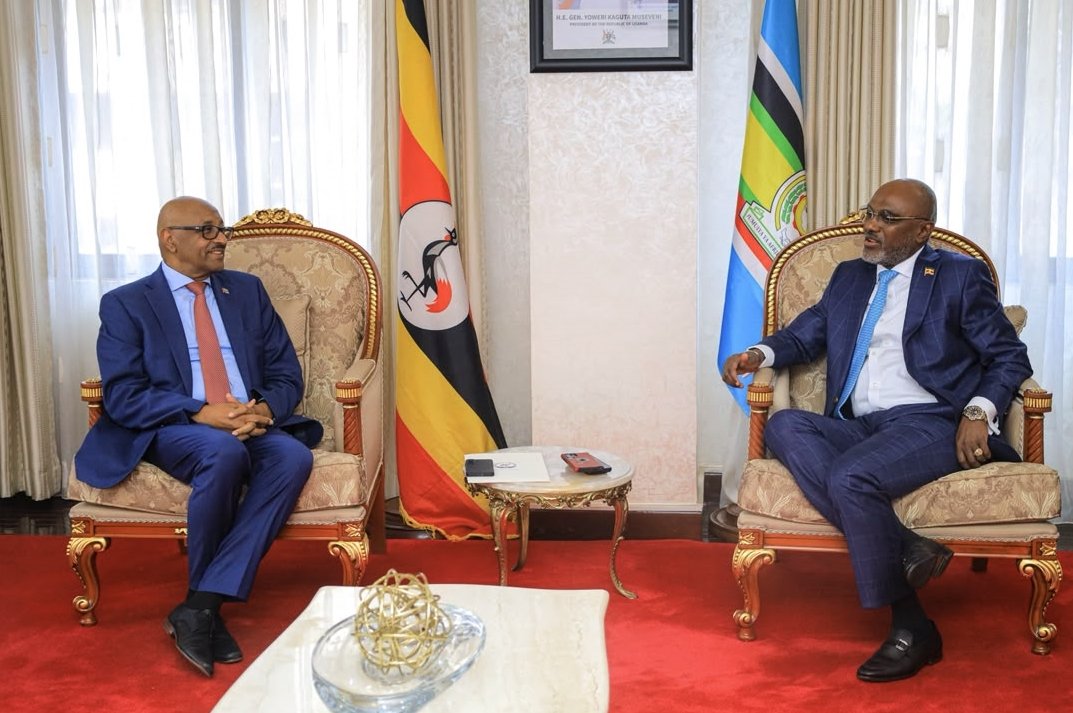
Eritrea’s Ambassador to Uganda, Mr. Mohammed Suleiman Ahmed, met with Uganda’s Minister of Foreign Affairs, Mr. Adonia Ayebare, on 27 November to discuss issues of mutual interest.
The two officials met at the Ministry of Foreign Affairs in Kampala and discussed ways to strengthen cooperation between Eritrea and Uganda, particularly in trade and culture.
The two officials also discussed regional peace and security and developments in the Horn of Africa. They reaffirmed their readiness to strengthen bilateral cooperation in areas that contribute to regional stability.
Good Read: #Eritrea as a Living Lighthouse on the Red Sea; by Kidane Shimendi
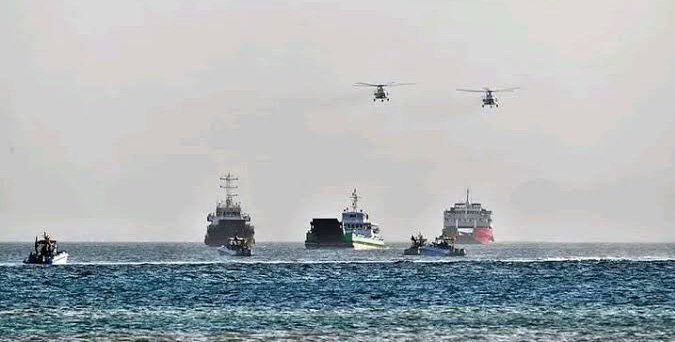
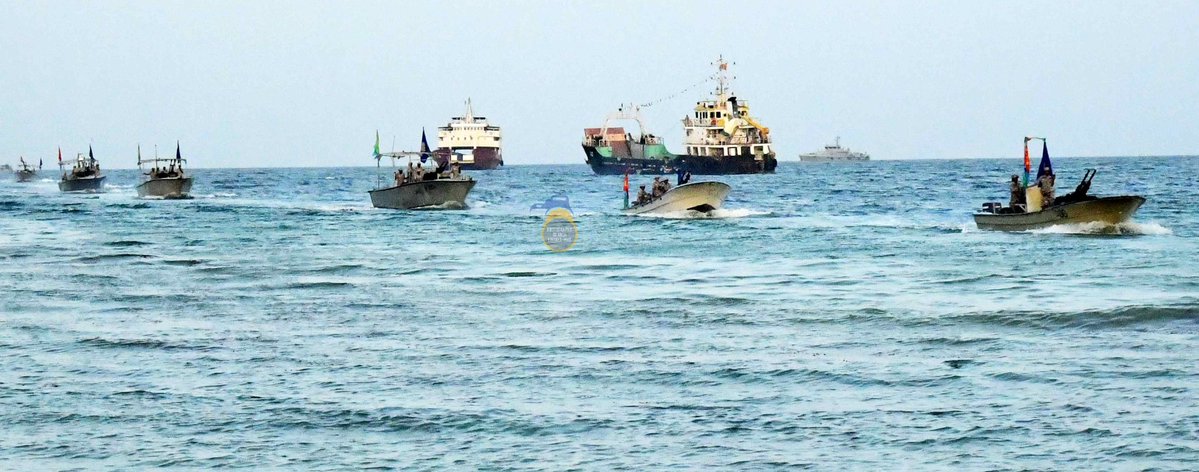
*"....A lighthouse’s right to stand watch over the sea is never granted lightly; its lamp endures only because generations of keepers have defended the tower against the fiercest tempests. For Eritrea, reclaiming and safeguarding its Red Sea coastline demanded an extraordinary price in resilience, sweat, and generational sacrifice. For decades, the Eritrean people stood largely alone against occupying forces heavily armed and backed by powerful foreign interests seeking to control these strategic waters. From the trench-scarred mountains of Sahel to the fiery naval and coastal battles that liberated Massawa and Assab, tens of thousands of sons and daughters laid down their lives so that Eritrea’s shoreline would never again be severed from its people. Every beam of light shining across the Red Sea today is paid for by that sacred debt – a reminder that sovereignty over these waters was not gifted, but re-asserted and won through unmatched courage and unwavering determination".
*"...Stone towers along a coastline may weather over centuries, and maritime technology may evolve, yet the timeless purpose of a lighthouse remains unchanged. In the same way, while generations pass and eras shift, Eritrea’s enduring strength rests in the character of its people. Anchored in the bedrock of resilience, focused through unity in diversity, and guided by moral solidarity, hospitality, and constancy, these living values form the foundation, the tower, and the flame – making Eritrea itself a living lighthouse on the Red Sea, shining steadily toward its future".
https://t.co/d0wuCSWYhx