Erling Haaland, listen to me…look very closely at Harry Kane’s hairline…doesn’t it remind you a monk on Lindisfarme…isn’t their a long standing ancestral memory you can tap into…something deep, red and primal
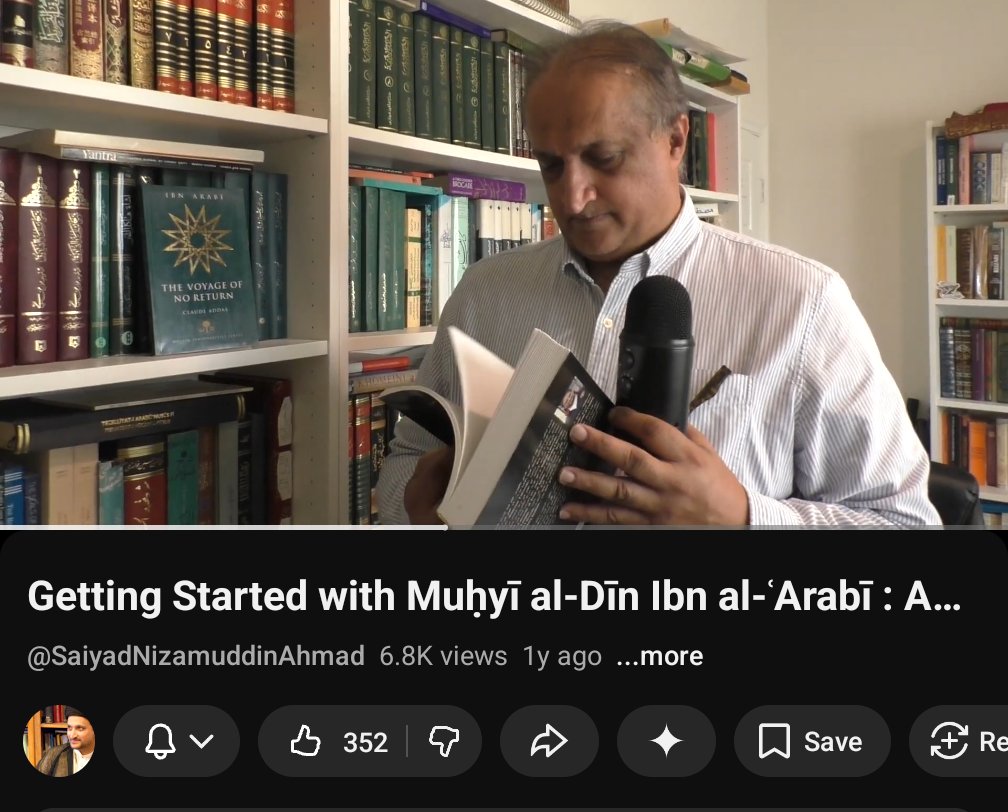
Kind of sad how we have one of the best contemporary scholars of Sufism, someone who has actually read the works in the original Arabic and prepared critical editions, making YouTube videos for free and he only has around 7,000 views while non-specialists get millions.
Iran has been ruthlessly attacking the average American citizen by forcing them to read four page statements and learn complex mathematical formulas. This is a war crime!!!
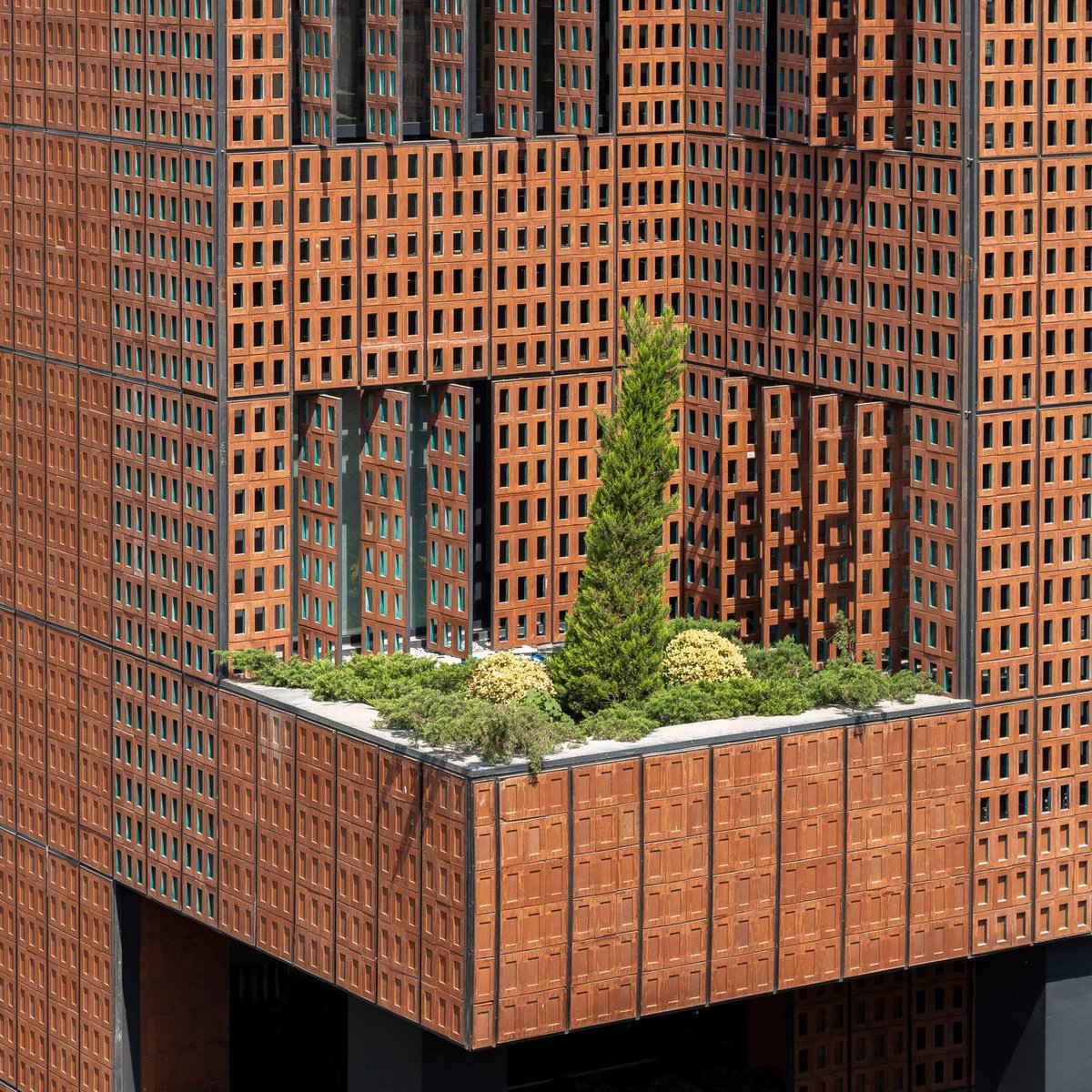
It's true. Every brilliant bricklayer in Iran could have instead used their genius at designing more lucrative works of art in financial instruments or software, that far more vastly and subtly move the myriad hearts of men.
ان بعض أهل السنة من العظماء، عرفوا الحق واتبعوه وكانوا من أهله، مثل أهل غزة الكرام، فقد أصدرت المقاومة الفلسطينية بالأمس بيان واعي للتضامن مع إيران وأهلها في هذه الحرب المقيتة عليهم، وأعلنت لكل أهل السنة ما هو موقف أطهر الناس فيهم، وهذا ما عهدناه عنهم، فهم رجال حق كتبوا أساميهم بدمائهم في قائمة أشرف الشهداء، واصطفوا طوعاً للحاق بمن سبقهم إلى جنات النعيم والخلد.
لكن هناك الكثير من أهل السنّة يبدو أنهم في حالة انفصام شديد في الشخصية. فهؤلاء الجهلاء انحرفوا إلى مرض القلب والخروج عن الأصول المعهودة في منهج الدين، فأصبحوا يبجّلون من الهدف السياسي وليس من السلوك الإنساني ومنظومة الأخلاق المحمدية التي أُمرنا جميعاً بأن نحتذي بها.
هؤلاء ممن ادعى الإسلام واتباع منهج السنة النبوية الشريفة فيه وجب ان يقرأوا الذكر كما أُنزل في التنزيل الحكيم، هذا النص المقدّس الذي أنزله الله لنا هدى للمتقين وشفاء للعالمين، ربما بعضهم يقرأه، لكني أشك في تقديسهم لهذا النص بقدر رغبتهم في تقديس الأحاديث النبوية، فلا شك على الإطلاق في أنهم يزعمون أنهم يقدسون الأحاديث، لكنهم حتى الأحاديث لا يقدسونها، مثل هذا الحديث:
حديث أبو هريرة رضي الله عنه الذي يقول فيه إن النبي ﷺ أشار إلى سلمان الفارسي وقال: “لو كان الإيمان عند الثريا لناله رجال من هؤلاء” يعني قوم فارس.
وهذا الحديث الآخر عن آية الإستبدال في سورة محمد:
عن أبي هريرة قال : تلا رسول الله هذه الآية وإن تتولوا يستبدل قوما غيركم ثم لا يكونوا أمثالكم . قالوا : ومن يستبدل بنا ؟ قال : فضرب رسول الله - صلى الله عليه وسلم - على منكب سلمان الفارسي ثم قال : هذا وقومه.
سيقولون أن الآخر في إسناده مقال لكن اللافت في هذين الحديثين وأغلب الأحاديث الأخرى هو أنهم أتوا إلينا في كتاب البخاري، والبخاري كان من أهل قوم سلمان الفارسي، وكذلك اخواننا من أهل ايران اليوم الذين يرفعون من منزلة وقيمة المسلم ولا يشترون السلطة ولا المال بالدين، بل هم الذين وقفوا سند لأطهر الناس من أهل السنة في غزّة.
تلك النماذج الصالحة للمسلم في غزة وفي إيران هي التي يقف أمامها المسلم اليوم وقفة التلميذ أمام معلمه، فهم دعاة ديننا الحق، لكن اليوم قد عبث بهذا الدين عن عمد القوى الخارجية التي كشفت لنا عن نفسها خلال ملفات إبستين اللعين أنهم من عبدة الشيطان بشكل رسمي وصادم.
هناك فئة ملعونة يدعون أنهم من أهل السنة ومن أجل السلطة والمال قرروا أن يتبعوا دين جديد منحرف عن الإسلام وجوهر كل شيء فيه، وهؤلاء تجدهم في منطقة الخليج العربي وكذلك سوريا الشرع الصهيوني الملعون. وأنا لا أعني الطعن في كل أهل هذه المنطقة، فهذا طغيان وهم جميعاً اخواننا، لكني أرى ان من لديهم السلطة فيهم ومن حمل الميكروفونات المقدسة بينهم هم اليوم من أعوان إبليس وأن منهجهم في الدين لا علاقة له بالإسلام بل هو الضلال والغفلة والفسق، وكله من أجل السلطة والمال، إنهم الطاغوت ذاته الذي أمرنا الله بالكفر به قبل أمر الإيمان، لذلك لعنهم الله وقبح مسعاهم، وجفّف منابع دعمهم.
حي الله أهل غزة الكرام، وحي الله أهل إيران الكرام، ورحم كل شهدائنا، وثبت أقدام كل من أعانهم، ولعن وسحق كل من جاهد ولو بكلمة ضدهم.
I am a diplomatic aide in the Sultanate of Oman's Ministry of Foreign Affairs.
My job is logistics. When two countries that cannot speak to each other need to speak to each other, I book the rooms. I prepare the briefing materials. I make sure the water glasses are the right distance apart. You would be surprised how much of diplomacy is water glasses. Too close and it feels informal. Too far and it feels like a tribunal. I have a chart.
We had a very good month.
Since January, Oman has been mediating indirect talks between the United States and Iran on Iran's nuclear program. The talks were held in Muscat and in Geneva. The Americans would sit in one room. The Iranians would sit in another room. I would walk between them. My Fitbit says I averaged fourteen thousand steps on negotiation days. The hallway between the two rooms at the Royal Opera House conference center is forty-seven meters. I walked it two hundred and twelve times in February. This is good for my cardiovascular health. It was less good for my knees. Both are in the service of peace.
By mid-February, we had something.
Iran agreed to zero stockpiling of enriched uranium. Not reduced stockpiling. Zero. They agreed to down-blend existing stockpiles to the lowest possible level. They agreed to convert them into irreversible fuel. They agreed to full IAEA verification with potential US inspector access. They agreed, in the Foreign Minister's phrase, to "never, ever" possess nuclear material for a bomb. I have worked in diplomacy for seven years. I have never seen a country agree to this many things this quickly. I made a spreadsheet of the concessions. It had fourteen rows. I color-coded it. Green for confirmed. Yellow for pending. By February 21 the spreadsheet was entirely green. I printed it. It is on my desk in Muscat. It is still green.
That phrase took eleven days. "Never, ever." The Iranians initially offered "not seek to." The Americans wanted "will not under any circumstances." We landed on "never, ever" at 2:14 AM on a Tuesday in Muscat. I typed the final version myself. I used Times New Roman because Geneva prefers it. The document was fourteen pages. I was proud of every comma.
Here is what they said, in the order they said it.
February 24: "We have a once-in-a-generation opportunity." — The Foreign Minister, private briefing to Gulf Cooperation Council ambassadors. I prepared the slide deck. Slide 14 was the implementation timeline. Slide 15 was the signing ceremony logistics. I had reserved the Palais des Nations in Geneva, Room XX. It seats four hundred. We discussed pen brands for the signing. The Iranians preferred Montblanc. The Americans had no preference. I ordered twelve Montblanc Meisterstucks at six hundred and thirty dollars each. They arrive on Tuesday.
February 27, 8:30 AM EST: "The deal is within our reach." — The Foreign Minister, CBS Face the Nation. He sat across from Margaret Brennan. He said broad political terms could be agreed "tomorrow" with ninety days for technical implementation in Vienna. He said, and I wrote this line for the briefing card he carried in his breast pocket: "If we just allow diplomacy the space it needs." He praised the American envoys by name. Steve Witkoff. Jared Kushner. He said both had been constructive.
I watched from the Four Seasons Georgetown. The minibar had cashews. I ate the cashews. They were nineteen dollars. The most expensive cashew I have ever eaten. But it was a good morning and we were within our reach.
February 27, 2:00 PM EST: Meeting with Vice President Vance, Washington. The Foreign Minister presented our progress. Zero stockpiling. Full verification. Irreversible conversion. "Never, ever." The Vice President used the word "encouraging." His aide took notes on an iPad. The aide did not make eye contact for the last nine minutes of the meeting. I noticed this. Noticing things is the only part of my job that is not water glasses.
February 27, 4:00 PM EST: "Not happy with the pace." — President Trump, to reporters.
Not happy with the pace.
We had achieved zero stockpiling. Full IAEA verification. Irreversible fuel conversion. Inspector access. And the phrase "never, ever," which took eleven days and cost me two hundred and twelve trips down a forty-seven-meter hallway.
Every American president since Carter has failed to get Iran to agree to this. Forty-five years.
Not happy with the pace.
February 27, 9:47 PM EST: The Foreign Minister's flight departs Dulles for Muscat. I am in the seat behind him. He is reviewing Slide 14 on his laptop. The implementation timeline. Vienna technical sessions. The signing ceremony. The pens.
I fall asleep over the Atlantic. I dream about water glasses.
February 28, 6:00 AM GST: I wake up to push notifications.
February 28: "The United States has begun major combat operations in Iran." — President Trump.
Operation Epic Fury. Coordinated airstrikes. The United States and Israel. Tehran. Isfahan. Qom. Karaj. Kermanshah. Nuclear facilities. IRGC bases. Sites near the Supreme Leader's office. Israel called their half Operation Roaring Lion. Someone in both governments spent time choosing these names. Epic Fury. Roaring Lion. I spent eleven days on "never, ever." They spent it on branding. The President said Iran had "rejected American calls to halt its nuclear weapons production."
Rejected.
Iran had agreed to zero stockpiling. Iran had agreed to full verification. Iran had agreed to "never, ever." Iran had agreed to everything in a fourteen-page document that I typed in Times New Roman.
The President said they rejected it.
I do not know which document the President was reading. I know which one I typed.
February 28, 18:45 UTC: Iran internet connectivity: four percent. — NetBlocks, confirmed by Cloudflare. Ninety-six percent of a country went dark. You cannot negotiate with a country at four percent connectivity. You cannot negotiate with a country that is being struck. You cannot negotiate. This is not a political opinion. This is a logistics assessment.
February 28: The governor of Minab reported forty girls killed at an elementary school.
I do not have logistics for that. There is no slide for that. The water glass chart does not cover that.
February 28: Lockheed Martin: up. Northrop Grumman: up. RTX: up. Dow futures: down six hundred and twenty-two points. Gold: five thousand two hundred and ninety-six dollars. An analyst at AInvest published a note titled "Iran Strikes: Tactical Plays." The note recommended positions in oil, defense stocks, and gold.
The most expensive cashew I have ever eaten was nineteen dollars. The most expensive pen I have ever ordered was six hundred and thirty dollars. The math suggests I have been working in the wrong industry. Defense stocks do not require water glasses. Defense stocks do not require eleven days. Defense stocks require one morning.
February 28: Israel closed its airspace and its schools. Iran launched retaliatory missiles toward US bases in the Gulf. The Supreme Leader promised a "crushing response." Israel's defense minister declared a permanent state of emergency. Everyone is using words I recognize in an order I do not. I recognize "permanent." I recognize "emergency." I do not recognize them next to each other. In diplomacy, nothing is permanent and everything is an emergency. In war it is the reverse.
February 28: The Foreign Minister has not made a public statement.
The briefing card is still in his breast pocket. It still says "within our reach."
the middle eastern psyche and westernization: egypt as a case study ———————
it is essential not to conflate modernization with westernization as the former can be possible without the latter. for example, the modernization efforts in 19th century egypt under muhammad ali can be analyzed as a material process that influenced the superstructural development of egyptian society & the centralization of productive labor within that social reality. westernization, however, challenges the asabiyyah (social cohesion) as described by arab historian ibn khaldun which erodes the communal ties within societies as they become dependent on consumerism due to the importation of western modernity.
post-1950s egypt, there was a social divide between those who wanted to implement the western model & those who argued that the requirements of modernity were impossible to reconcile with egypt’s cultural heritage. but they too were wrong, modernity can be consolidated with the traditional because a nation’s socio-economic progress can be independent of external influence & defined according to the social cohesion of that nation. there were several attempts to make this a reality during the rise of anti-imperialism, such as the wealth of arab oil being under arab control so that there was bargaining power & a more hostile position to western aggression in the region (oil embargo, 1973-74).
egypt after gamal abdel nasser & sadat’s infitah policy (liberalization of the egyptian economy), saw the growth of a middle class, foreign investments in both public & private sectors in addition to the introduction of multinational corporations as a result of western development. yet, the price of this was loss of national sovereignty that was sealed by the IMF-aligned structural adjustment policies in the 1990s (privatization). there was then a duality within the egyptian & arab psyche as a whole since westernization was a regional experience — admiration by the beneficiaries who embraced americanization as simply a formality of the globalization process & a counter-movement driven by religious fanaticism. an ongoing psychological disillusionment.
in retrospect maybe it was a mistake to tell young people that reading, the arts, the humanities weren’t important and that “learning to code” was sufficient for a good life.
has anyone stopped to ask WHY students cheat? would a buddhist monk "cheat" at meditation? would an artist "cheat" at painting? no. when process and outcomes are aligned, there's no incentive to cheat. so what's happening differently at colleges? the answer is in the article: