presenting SCORE, an online writing machine that writes and re-writes an infinite series of performance scores using language accrued through an ongoing performance writing and walking practice in the Yorkshire Dales. https://t.co/qKlvOwfJEF
At a certain point Peggy James complained to her uncle Henry James, then entering the deep thickets of his late style, that his work was too impenetrable. His response:
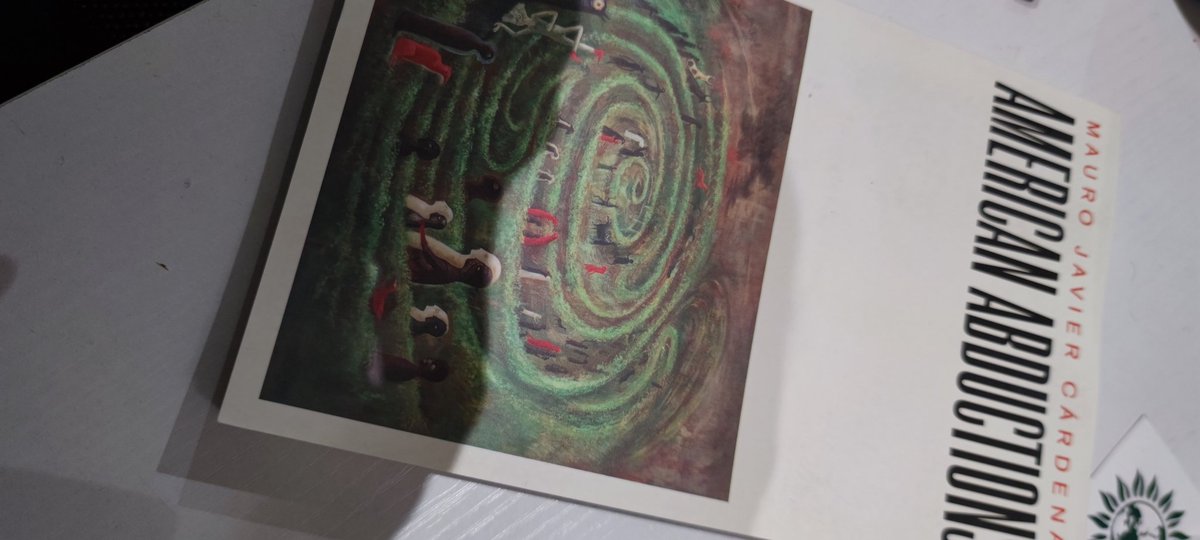
It's often the case that avant-garde literature sacrifices emotion for formal experimentation; not so in @IneluctableQuak's American Abductions (or Aphasia for that matter) which brim with the honesty of realism while bending the sentence past its conventional limitations
@Fondant_Lover That is such an amazing book - absolutely hilarious and totally compelling. Zone is a very challenging read for all sorts of reasons, and I adored Annual Banquet, but Compass is still my favourite I think! His two shorter novels are worth a read too
Mircea Cărtărescu says in this interview that Penguin Random House is going to publish the translation of all the three volumes of Orbitor!
https://t.co/M0g4H2syon
@OctoberBooks I'm reading Miss MacIntosh, My Darling by Marguite Young which is spectacular, and Laszlo Krasznahorkai's Sorrow and Destruction Beneath the Heavens, which is far far funnier than it sounds!
Somewhere between the abstractions of Borges and the romanticism of Alejandro Zambra, it's an exceptionally fractal and humane film - highly reccomended
When I finished Trenque Lauquen, I was reminded of why I love slow cinema: the quotidian pushes against the formal constraints of narrative, which itself expands in unusual ways, until what we are left with is something between mythology and mundanity: real life
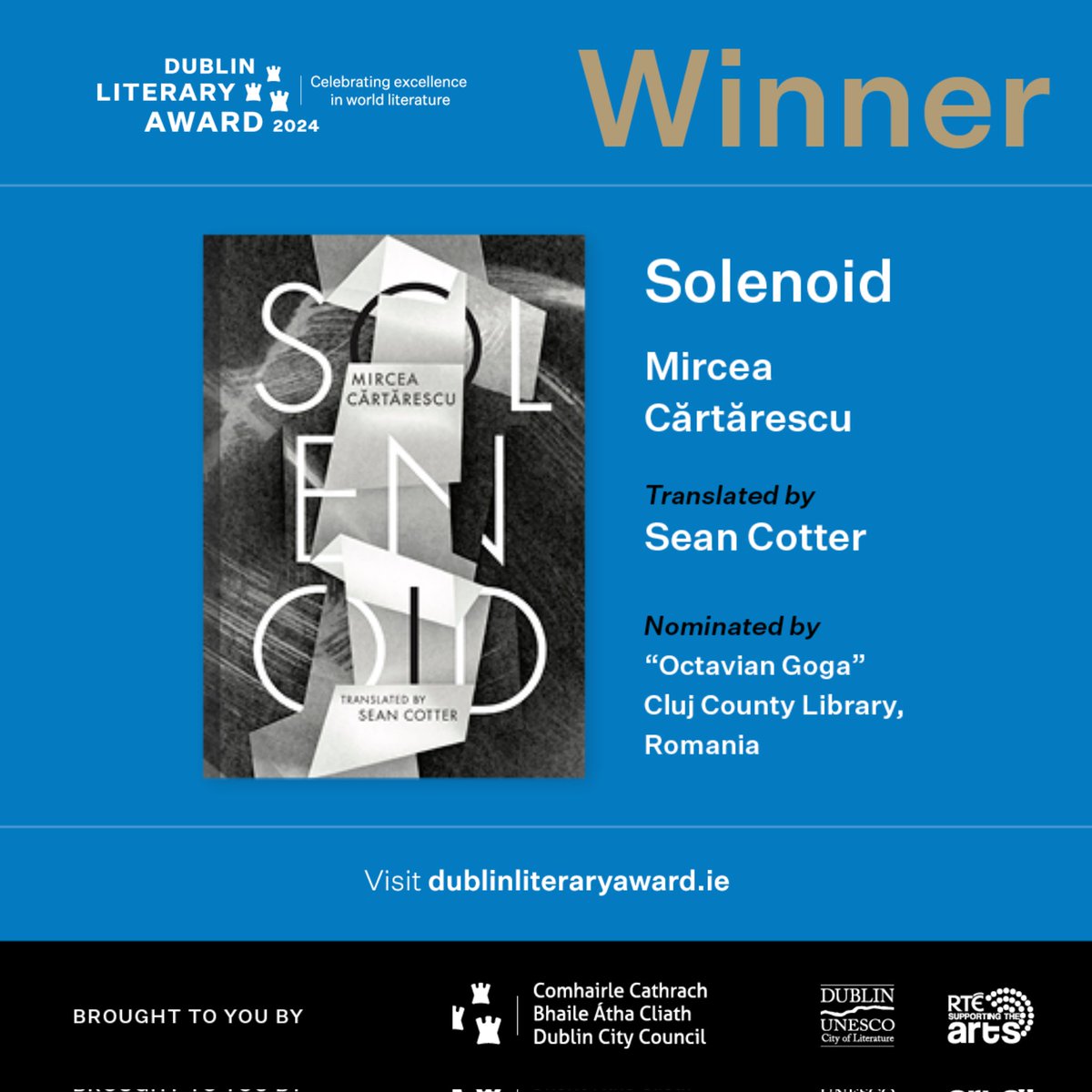
And the winner is... Solenoid by Mircea Cărtărescu, translated by Sean Cotter! 🏆🥳
Congratulations to all involved in bringing this incredible story to life.
Solenoid was nominated by Octavian Goga, Cluj County Library and published by @deepvellum ✨
@monkeelino @aliner Ah, very interesting thank you. I know that The Tunnel has been translated into German. Not that it matters hugely but I'd be interested to know if he'd come across it. I know the name is relatively common (tied to an occupation) but still, given the themes of Herscht it seems...
There have always been thematic links between William H. Gass and Laszlo Krasznahorkai, but K's newest novel (the wonderful Herscht 07769) prominently features a character called Herr Köhler. Could be a coincidence, but does anyone know if they read one another?