I sat down with my mentor Dr. Eugene Braunwald for a 3 part series about his life.
In part 1 we talk about his early years:
"Everything changed on March 12, 1938 when Hitler marched in with the Nazis & my father was arrested"
Hear how they escaped here
For better video quality view here: https://t.co/1l3DhounN4
The embol-AF registry – now the largest series on embolic complications of AF ablation just published in the @EHJ_Journal! Truly proud of this work. Huge thanks to all collaborators who made this massive registry possible!
#EPeeps#EHJ@escardio
https://t.co/FYQh5DrXr6
¡Aprendamos juntos sobre arritmias hereditarias en niños!
Un evento para médicos, especialistas y padres interesados en entender mejor las arritmias hereditarias y su impacto en los más pequeños.
📆 8 de noviembre | 🕗 8:00 a.m. | 💻 Zoom
🔗 https://t.co/eHNiwuPy4p
🧵 on ECG kisses
💋
💋 Nocturnal kiss 💋 and Ipanema kiss 💋
Congrats to @doctor_roig and @AThomazAndrade on their paper plus some links to other worshipers of the kiss 💋.
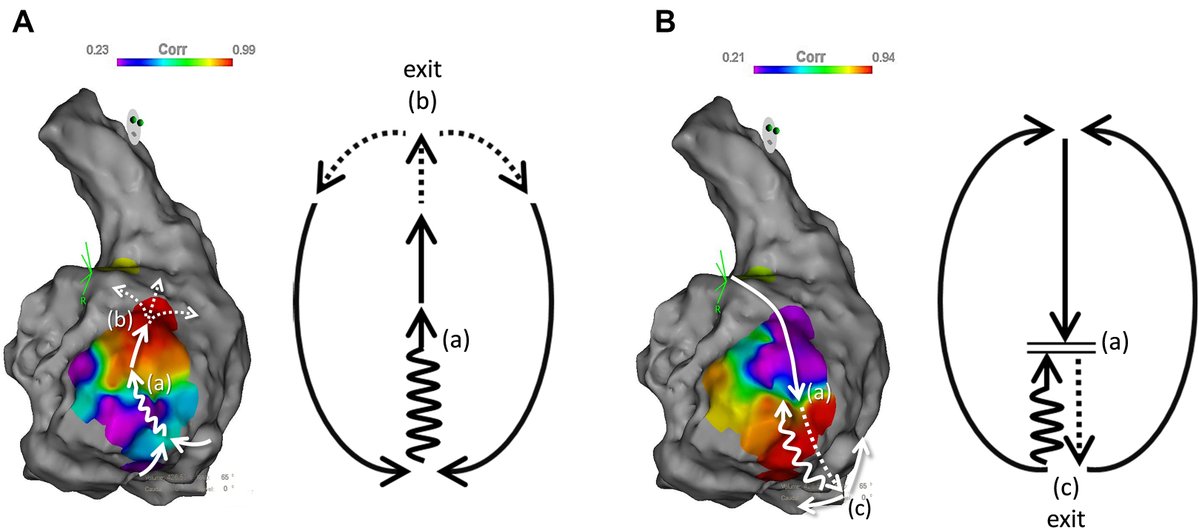
Elimination of VT and PVC by Ablation of Oppositely Directed Re-Entrant Circuits
-PVC ablation at a site other than the earliest activation site
https://t.co/EnTzT9H7Xr
Descubre las nuevas herramientas para el mapeo en arritmias auriculares y ventriculares con el Dr. Fermín García🩺
📅 Sábado 18 octubre
🕘 9am
💻 Modalidad virtual – Plataforma Zoom
🔗 https://t.co/Slmfld2wFB
¡Conéctate y actualízate con lo más reciente en electrofisiología!
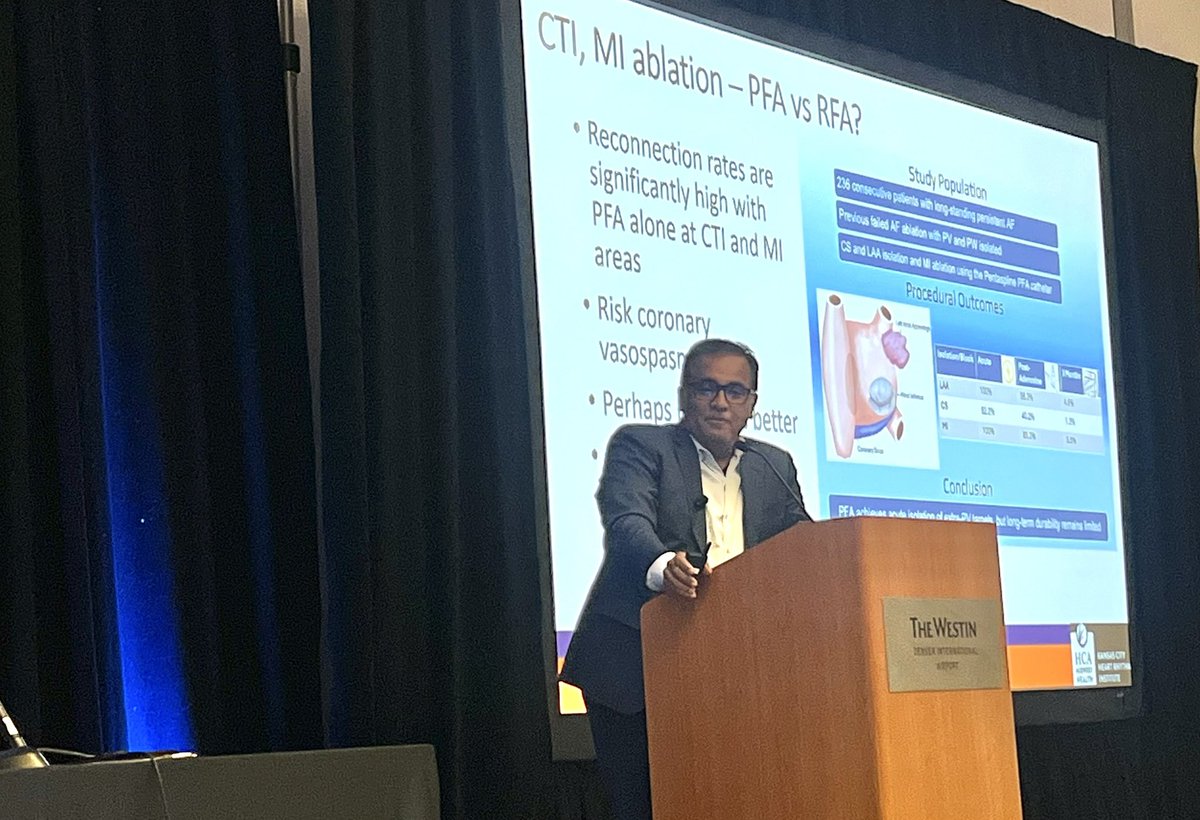
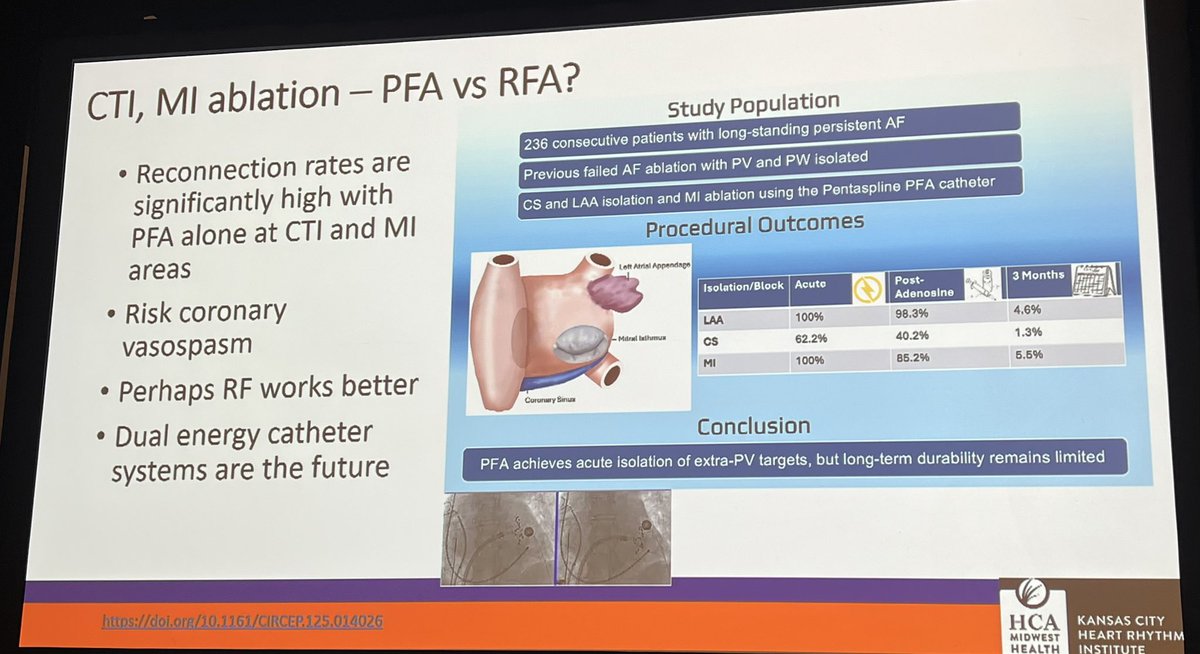
Great talk @DJ_Lakkireddy on important limitations of PFA outside of the veins. Single digit long term durability in La Fazia et al. Dual energy sources can’t come soon enough for redo ablations. There need not be discussions with current PFA iterations for VT.
https://t.co/1KzpWvuofa
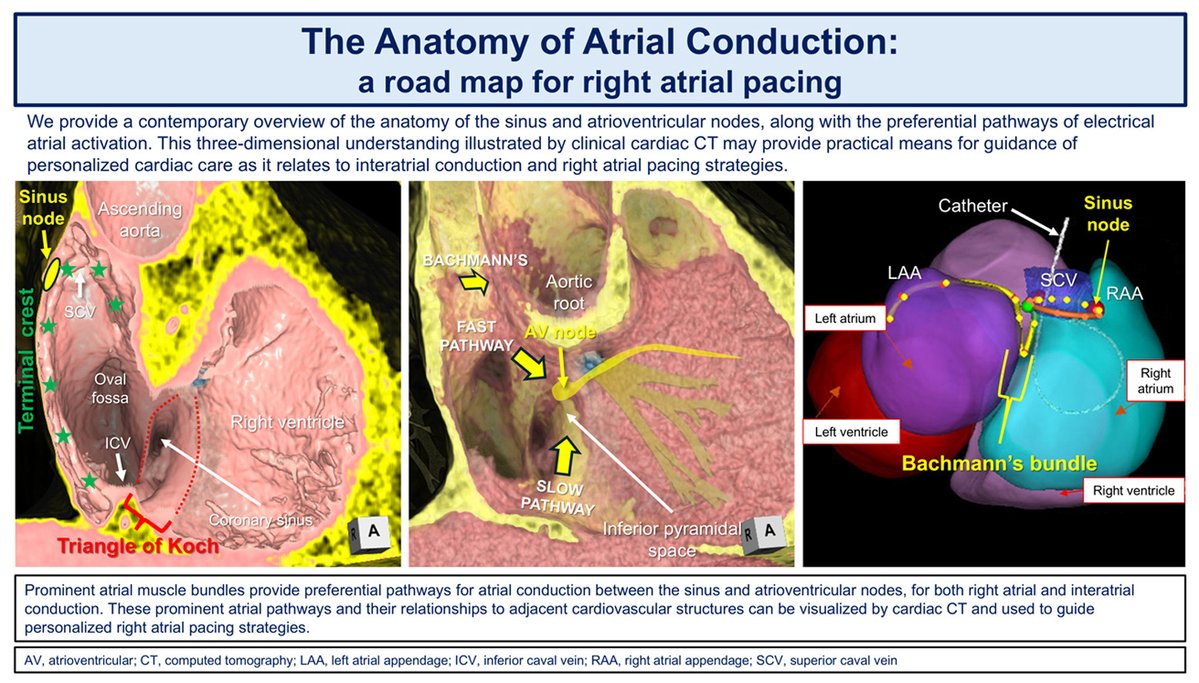
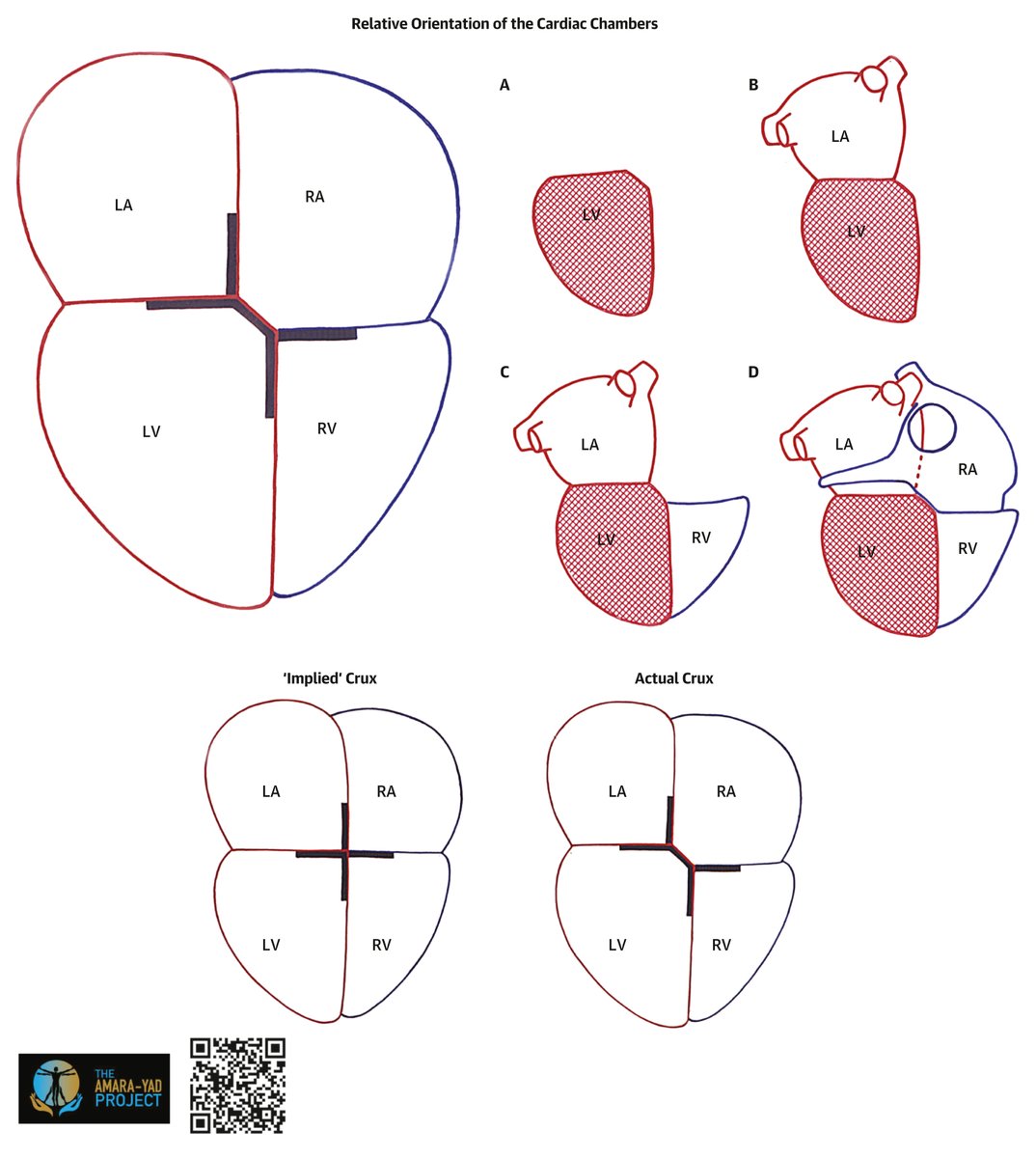
The anatomy of atrial conduction: a review of anatomical landmarks integrated with computed tomographic virtual dissection to provide a road map for right atrial pacing #OpenAccess
https://t.co/v1axQpukTz
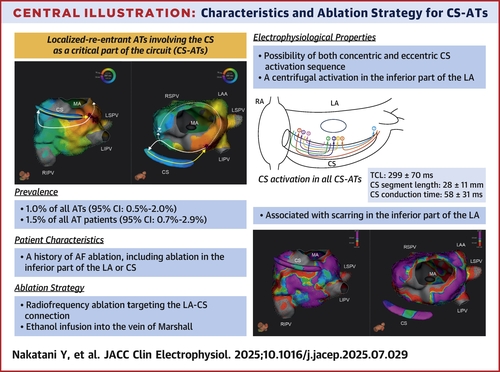
We published a novel AT mechanism: localized re-entrant atrial tachycardia involving the coronary sinus (CS-AT).
Rare (~1%), mimics focal AT, requires CS mapping.
Therapy: LA–CS ablation or VoM ethanol infusion.
🔗https://t.co/yOLYuaGl2X
#EPeeps#CardioTwitter#JACCEP
US fascicular VT is rare.
Three distinct subtypes of FVT have been classified based on their electrocardiographic characteristics:
● Left posterior FVT (90–95% of cases)
● Left anterior FVT (5–10% of cases)
● Upper septal FVT (less than 1% of cases)
https://t.co/IBd5hrSbOj
¿Crees que la Electrofisiología es solo para especialistas? El 6 de septiembre abre las puertas de este fascinante mundo. Un encuentro dinámico, claro y práctico, pensado para no Electrofisiólogos, con ejemplos simples, ideas clave y respuestas a tus preguntas.
#CardioNugget:
Why is the RP interval short in AVNRT but long in AVRT?
AVNRT (Atrioventricular Nodal Reentry Tachycardia):
Reentry circuit is entirely within the AV node
Impulse travels down the slow pathway, then immediately back up the fast one
Atria and ventricles are depolarized almost simultaneously
📉 Result:
Short RP (<70 ms)
P waves are buried in QRS, or seen as pseudo R′ in V1 / pseudo S in II, III, aVF
🔁 AVRT (Atrioventricular Reentry Tachycardia)
Reentry uses two separate pathways:
Down the AV node
Back up the accessory pathway (e.g., Kent bundle)
Ventricles activate first, atria follow
📈 Result:
Long RP (>70 ms)
P waves are seen after the QRS, often in the T wave
#CardioTwitter #MedEd #CardioNuggets #FOAMed