The Addict Project is a community built on hope, healing, and transformation. We share inspiring recovery stories, practical guidance, mental health resources, and messages of encouragement for anyone impacted by addiction. Whether you are struggling, recovering, supporting-
The Rise of the Disease Concept
During the nineteenth and twentieth centuries, ideas about addiction began to change significantly. Physicians and researchers increasingly observed that prolonged substance use could produce physical dependence and predictable patterns of
-1
This helped explain something that had puzzled families and communities for generations:
Why would someone continue using a substance even when they knew it was harming them?
The answer was not simply “because they do not care.” There could be measurable changes in brain
-7
The History of Addiction From Moral Judgment to Understanding and Treatment
“The way society understands addiction determines, in many ways, how society responds to the person experiencing it.”
Dependency and addiction starts from a point. The first aid of addiction and dependency is the resistance of use. Do not start it. It may not end there.
That’s a fair question and it gets to the heart of why we say addiction is not just a criminal issue, but a human one.
There is documented history of pharmaceutical companies and public institutions contributing to the opioid crisis and those failures deserve accountability. But that doesn’t mean every claim of government conspiracy is established fact, nor does it make the harms of substance dependence any less real.
The bigger question is: when someone is using a substance to cope, should our first response be punishment or should we ask what happened to that person, what they’re trying to escape and whether they have access to treatment and support?
Law enforcement has a role in dealing with trafficking and the illegal supply of dangerous substances. But people struggling with dependence also need healthcare, rehabilitation, mental-health support and a genuine pathway back into society.
That distinction is one of the reasons The Addict Project exists.
Action Steps
Understanding becomes meaningful when it influences what we do.
This week:
Learn
Take time to learn about addiction from reliable health and addiction resources rather than social myths.
Listen
If someone chooses to speak about their struggles, listen without immediately judging or dismissing their experience.
Language
Pay attention to the words you use when discussing addiction. Avoid language that reduces a person to their condition.
Support
If you are concerned about someone's substance use, encourage them to seek appropriate professional help rather than attempting to manage a serious addiction alone.
Reflect
Consider one belief about addiction that you held before reading this chapter and ask yourself whether you still hold it.
A Note for Someone Struggling
If you are reading this while struggling with addiction, understand this:
Your current situation does not have to be the final chapter of your life. You may have made decisions you regret. You may have hurt people. You may have tried to stop before and returned to using. You may feel ashamed, exhausted, angry or hopeless.
But none of those things means that change is impossible. You do not have to solve your entire life today. Sometimes the first step is simply admitting that you need help. Then comes another step, then another.
Recovery can begin with something as simple as a conversation.
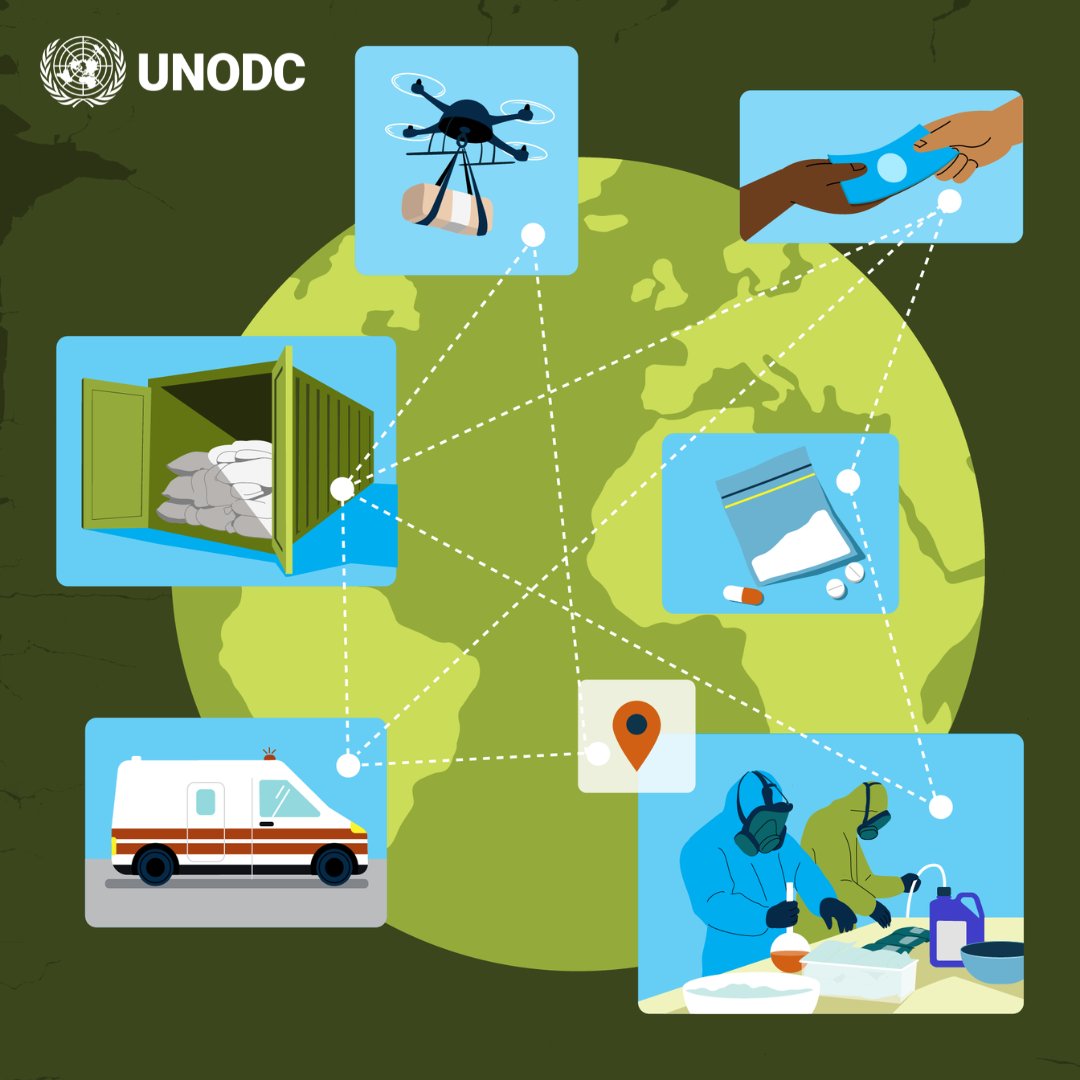
While long-standing drug issues persist, new challenges continue to emerge.
To respond effectively, reliable data is essential.
UNODC provides research that helps shape informed, forward-looking and innovative solutions to the world drug problem.
Recovery Does Not Mean Perfection
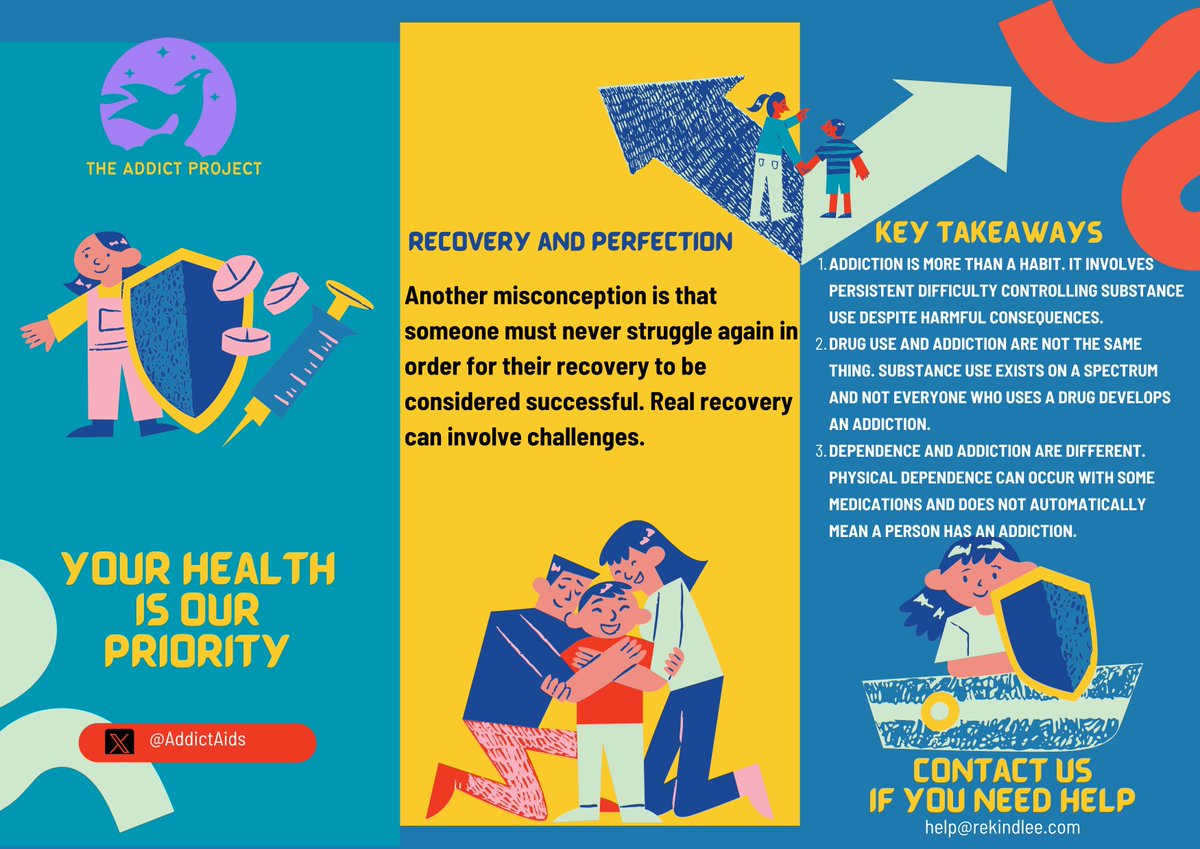
Another misconception is that someone must never struggle again in order for their recovery to be considered successful. Real recovery can involve challenges.
A person may experience cravings, face difficult emotions, encounter old environments or relationships, make mistakes, experience relapse. A setback does not erase every step that came before it. Recovery involves learning, adapting, seeking support and continuing forward. The goal is not perfection, it is a progress toward a healthier and more stable life.
A Story of Two Questions
Imagine two people see the same individual struggling with addiction.
The first asks:
“Why can't this person control themselves?”
The second asks:
“What happened, what is happening now and what support could help?”
The first question can lead to judgment. The second can lead to understanding.
Neither question removes personal responsibility but only one opens the door to meaningful intervention. This is the shift The Addict Project seeks to encourage. We should not ignore the consequences of addiction. We should understand them. We should not excuse harmful behavior. We should address it. And we should not give up on people because they are struggling.
Recovery in Practice
Consider this scenario:
David began using drugs recreationally with friends. At first, he believed he was in control. He continued attending school and maintained his friendships.
Months later, his use became more frequent. He began spending more money on drugs and missing classes. Eventually, he tried to stop.
He lasted several days before returning to use. His family interpreted this as a lack of seriousness. David interpreted it as proof that he was hopeless. But neither conclusion fully explained what was happening.
David needed to understand his triggers, address the reasons behind his substance use, develop healthier coping strategies and receive appropriate professional support. His first attempt did not succeed. That did not mean recovery was impossible. It meant he needed a different approach and continued support.
What Understanding Addiction Changes
When we understand addiction, several things begin to change. We become more willing to recognize warning signs. We become less likely to rely on stereotypes. We become more capable of supporting families. We become better prepared to encourage treatment. And perhaps most importantly, we begin to see recovery as a realistic possibility rather than an impossible dream.
Knowledge does not solve addiction by itself but it creates the foundation from which better decisions, better policies, better treatment and better support can emerge.
Key Takeaways
1. Addiction is more than a habit. It involves persistent difficulty controlling substance use despite harmful consequences.
2. Drug use and addiction are not the same thing. Substance use exists on a spectrum and not everyone who uses a drug develops an addiction.
3. Dependence and addiction are different. Physical dependence can occur with some medications and does not automatically mean a person has an addiction.
4. Addiction affects the brain. Repeated substance use can alter systems involved in reward, motivation, learning, stress and self-control.
5. Addiction has many causes and influences. Biological, psychological, social and environmental factors can interact.
6. Addiction affects more than the individual. Families, relationships, workplaces, schools and communities can also be affected.
7. Addiction does not define a person's entire identity. A person struggling with addiction remains a person with dignity, potential and the capacity for change.
8. Recovery is possible. Treatment and recovery support can help people build healthier and more meaningful lives.
Addiction Does Not Have a Single Face
There is no single appearance of addiction. It can affect a university student, a business owner, a professional, a parent, a teenager, a person living with financial hardship, a person with significant financial resources, a person who appears successful from the outside.
Someone may be struggling while continuing to attend work, maintain relationships or appear outwardly healthy. Another person may experience severe disruption to almost every area of life. This is why we should be careful about judging addiction based on appearance, social class, occupation or background.
Addiction does not ask whether someone is rich or poor, educated or uneducated, successful or unsuccessful, it can affect anyone.
Addiction Is Not a Moral Identity
One of the most damaging mistakes society can make is turning a person's condition into their identity. Someone may have an addiction, that does not mean they are an addict in every sense of who they are. There is a person behind the diagnosis, a son, a daughter, a parent, a friend, a colleague, a student, a neighbor, a human being with memories, relationships, abilities, dreams and potential. Person-first language can help us remember this. Instead of defining someone entirely by their condition, we can say:
“A person living with addiction.”
The language we use may seem small, but language influences attitudes. Attitudes influence whether people feel safe enough to seek help.
Can Addiction Be Treated?
Yes. Addiction is treatable.
Treatment can take different forms depending on the substance involved, the person's circumstances, the severity of the problem and their individual needs.
Treatment may include:
- Medical care
- Counseling or psychotherapy
- Behavioral interventions
- Peer support
- Family involvement
- Rehabilitation programs
- Medication-assisted treatment where clinically appropriate
- Recovery support services
- Relapse prevention planning
There is no single treatment approach that works identically for everyone. Recovery is often a process rather than a single event. Some people may need intensive treatment. Others may benefit from outpatient care, counseling, peer support or other structured services. The important point is that help exists.
-The Addict Project
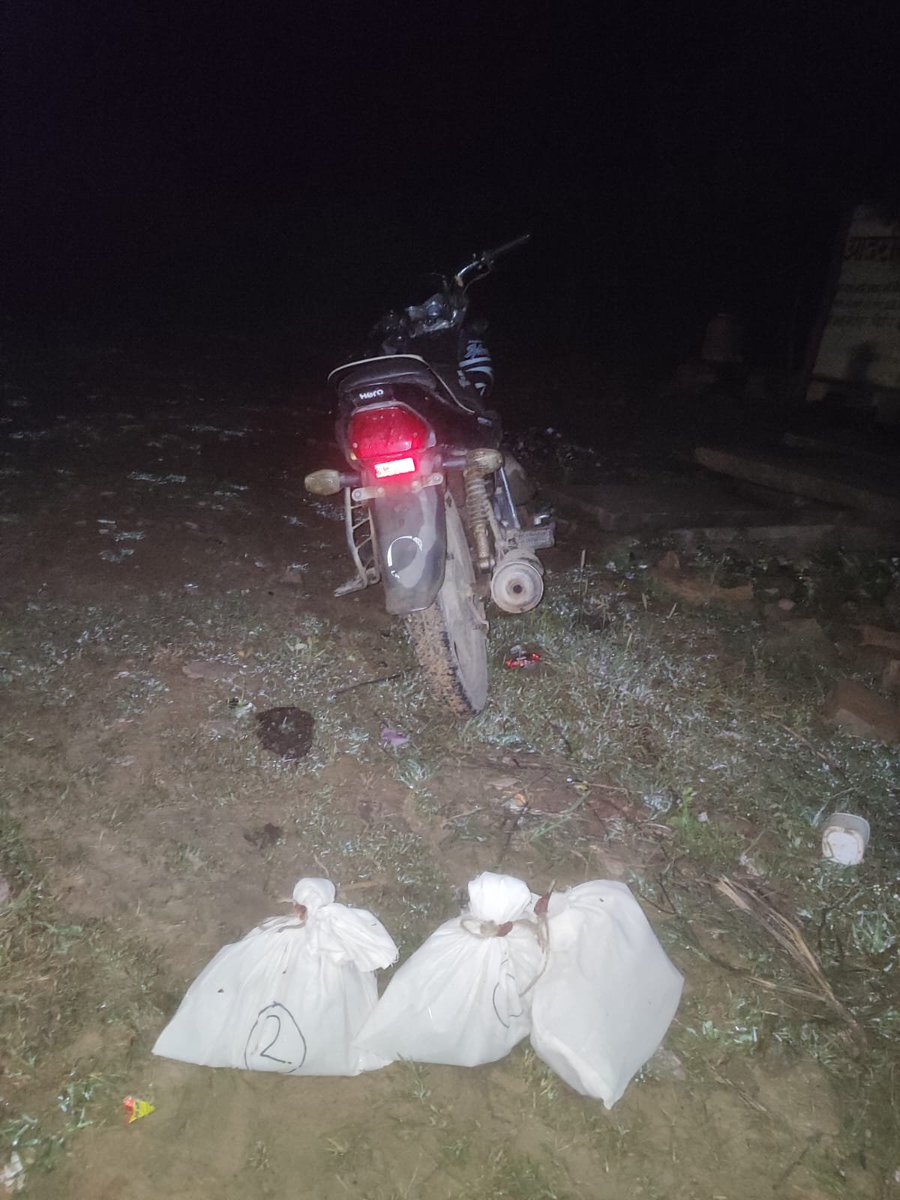
🇮🇳CENTRAL BUREAU OF NARCOTICS🇮🇳
🚨CBN in Action🚨
📌Date:04.09.2026
📌Place:Chittorgarh, Rajasthan
📌CBN Chittorgarh seized 2.696 Kgs Illicit Opium
📌01 Bike seized under NDPS Act 1985
@FinMinIndia@cbic_india@PIB_India@PMOIndia@HMOIndia
your brain doesn't change from motivation. it changes from repetition.
this video breaks down 5 tiny habits, each one rewires something different: how you handle a thought, how you calm your nervous system, how you beat procrastination, how you stop protecting your old identity.
none of it takes willpower. it takes repetition. small real wins, done consistently, become evidence your brain can't argue with.
full breakdown of how repetition actually rewires your brain in the article below.